Private Endoscopy: Fast Digestive Investigations and Consultant-Led Care
Quick Answer
Private endoscopy is a consultant-led digestive investigation available outside standard NHS waits, so patients can get assessed sooner for symptoms such as reflux, swallowing problems, bleeding, or unexplained bowel changes. It is used to diagnose, rule out, and guide treatment, with clear preparation, prompt results, and follow-up plans.
Private endoscopy gives patients faster access to specialist digestive investigation when symptoms need prompt answers. It is a consultant-led service used to look inside the upper or lower digestive tract, confirm what is causing symptoms, and guide the next step in care. For many people, private endoscopy is also about reassurance, because waiting with ongoing stomach pain, reflux, bleeding, swallowing issues, or bowel changes can be stressful. At MRI Plus, private diagnostic care is designed to be straightforward, with clear booking support and digital reporting. If you are comparing private pathways, our private diagnostic imaging and outpatient investigations guide explains how self-pay assessment often works across different services. In this article, you will learn what private endoscopy involves, when it may be appropriate, what happens at the appointment, and how results are usually handled.
What Is a Private Endoscopy?
Private endoscopy is a specialist procedure that lets a consultant examine the digestive tract using a thin flexible camera. It is used to investigate symptoms, confirm a diagnosis, and support treatment planning.
In practical terms, private endoscopy means you can access assessment without relying only on NHS waiting lists. That can matter when symptoms are persistent, worsening, or affecting daily life. It is also a useful option if you want a quicker consultant review and clearer timing for tests.
Many patients search for private endoscopy because they want a direct route to answers. The procedure itself may involve looking at the oesophagus, stomach, first part of the small bowel, or the colon, depending on your symptoms and referral. Because the service is consultant-led, the clinical discussion starts before the test, not after it.
For related private imaging pathways, you may also find our MRI Scan UK guide helpful if your doctor is considering abdominal or neurological imaging alongside digestive investigation. In some cases, a provider may recommend cross-sectional imaging such as MRI or MRCP rather than, or in addition to, private endoscopy.
If you want to compare service models, UCLH Private Healthcare’s private endoscopy service overview shows how consultant-led pathways are typically structured. Likewise, Chartwell Private Hospital to private endoscopies explains the role of private providers in helping patients access diagnostic sooner.
When Might You Need a Private Endoscopy?
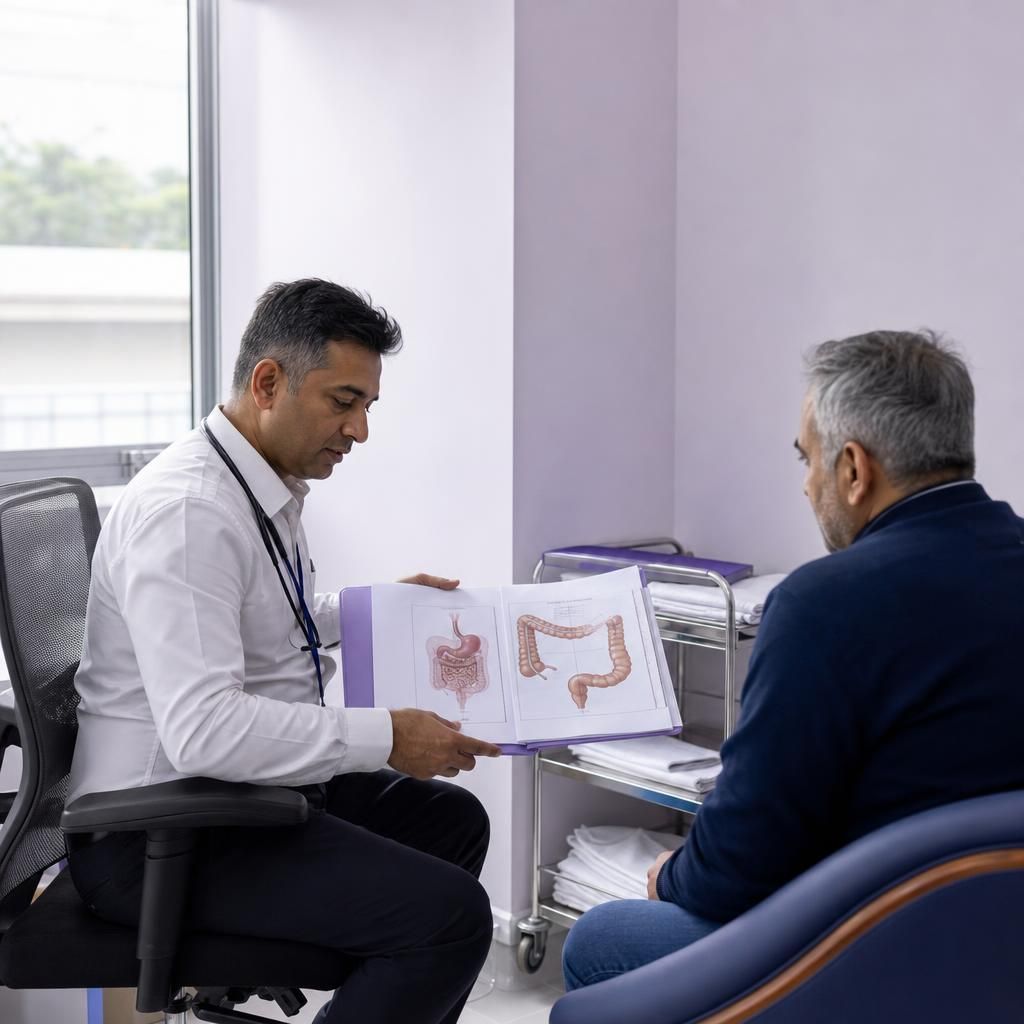
Private endoscopy is often appropriate when symptoms are persistent, unexplained, or not improving with initial treatment. It is also useful when a GP or consultant wants direct visual assessment of the gut.
Common reasons include reflux that does not settle, difficulty swallowing, upper abdominal pain, vomiting, black stools, rectal bleeding, anaemia, ongoing diarrhoea, constipation, or a change in bowel habits. It may also be advised when there is concern about inflammation, ulcers, polyps, or other structural problems.
Some people choose private endoscopy because the wait for NHS investigation feels too long for the level of concern they have. Others want a faster answer before travel, treatment decisions, or further specialist appointments. Therefore, the service is often about timing as much as diagnosis.
If symptoms suggest something more complex, your clinician may combine endoscopy with imaging. For example, abdominal symptoms can sometimes need MRI-based assessment, including how pancreatic cancer is investigated or other targeted scans. That is why a good private pathway should feel joined up, not fragmented.
Types of Private Endoscopy
Private endoscopy is not one single test. The right procedure depends on where your symptoms are coming from and what your consultant needs to see.
The two most common types are gastroscopy and colonoscopy. Some patients need only one. Others need both, or another investigation altogether.
A consultant should explain which test fits your symptoms, what it can show, and whether another scan or blood test should be done too. That keeps private endoscopy focused and avoids unnecessary procedures.
Gastroscopy
Gastroscopy is a type of private endoscopy used to examine the oesophagus, stomach, and duodenum. It is often used for reflux, indigestion, upper abdominal pain, swallowing issues, vomiting, or suspected bleeding.
The procedure usually takes only a short time. However, the appointment includes preparation, consent, and recovery, so plan for the whole visit. If you want a clear overview of the process, Chartwell private gastroscopy guide explains the test in straightforward terms. You can also watch
for a short introduction to how a consultant-led private endoscopy service works.
Many patients find gastroscopy easier than expected when they know what will happen. A calm explanation, clear aftercare, and the chance to ask questions all matter.
Colonoscopy
Colonoscopy is another form of private endoscopy, used to inspect the colon and rectum. It is commonly recommended for rectal bleeding, persistent bowel habit changes, iron-deficiency anaemia, inflammatory bowel concerns, or unexplained lower abdominal symptoms.
This test usually needs more preparation than a gastroscopy because the bowel must be clear. That preparation is important, because a good view improves diagnostic accuracy. The consultant will explain what diet changes or laxative instructions are required and when to stop eating or drinking.
Patients often ask whether colonoscopy is painful. Many find it uncomfortable rather than painful, and sedation may be discussed where appropriate. Your team should explain the safety checks, the expected recovery period, and when you can resume normal activity.
What Happens During a Private Endoscopy Appointment?
Private endoscopy appointments are usually organised to be efficient, but they should never feel rushed. You should have time to review symptoms, ask questions, and understand the procedure before anything begins.
First, the consultant or clinical team checks your history, medications, allergies, and referral details. They then explain the test, possible findings, and any sedation or comfort options. After consent, the procedure is performed with continuous monitoring where needed.
The key point is that private endoscopy is both diagnostic and consultative. That means the appointment is not just about the camera; it is also about clinical judgment. The team looks for visible signs of inflammation, ulcers, polyps, bleeding, or other changes, and may take samples if required.
We offers a useful walkthrough of what commonly happens at an endoscopy appointment. It is a practical way to reduce anxiety before the day.
If you are already exploring diagnostic pathways, our private endoscopy may also help you understand how private appointments, reporting, and follow-up are typically arranged across outpatient services. The overall standard should be the same: clear instructions, clear expectations, and clear next steps.
Preparation and Recovery for Private Endoscopy
Preparation depends on the test, but good instructions are essential. Private endoscopy works best when patients know exactly what to do before the appointment.
For gastroscopy, you are usually asked not to eat for a set period beforehand. For colonoscopy, bowel preparation is more involved and often starts the day before. Your provider should tell you which medicines to continue, which to pause, and whether sedation will affect travel home.
Recovery is usually straightforward, but it depends on what was done. If you had sedation, you should not drive and may need someone to escort you home. If tissue samples were taken, your consultant may advise a short period of rest while waiting for results.
Practical preparation tips:
- Follow the fasting or bowel prep instructions exactly.
- Tell the team about blood thinners, diabetes treatment, or allergies.
- Arrange transport if sedation is planned.
- Wear comfortable clothing.
- Ask how results will be delivered and when.
This is where private endoscopy can feel particularly convenient. Clear instructions reduce cancellations, and prompt aftercare reduces uncertainty. If you also need guidance on imaging reports, our MRI scan results time article explains how digital reporting is often handled for private patients.
Private Endoscopy Results, Follow-Up and Booking
Private endoscopy usually gives you a faster route to results and a clearer follow-up plan. That is one of the main reasons people choose private endoscopy over waiting for a routine pathway.
Depending on the findings, you may receive an immediate explanation after the procedure, followed by written reporting later. If biopsies were taken, the final conclusion may wait until pathology review is complete. That is normal and should be explained upfront.
If treatment is needed, the consultant may recommend medication, further tests, a repeat review, or referral to another specialist. In some cases, private endoscopy can also identify when symptoms are not due to a major structural problem, which is valuable reassurance.
How to book a private endoscopy:
- Start with your symptoms and any referral letter.
- Confirm whether you need gastroscopy, colonoscopy, or another test.
- Ask about fasting, sedation, and recovery arrangements.
- Check whether you can self-pay and what reporting is included.
- Book with a provider that offers consultant-led assessment.
Book a Private Endoscopy
Private endoscopy is a practical option when you need quick answers, consultant-led care, and a simpler route through digestive investigation. It can help when symptoms are worrying, persistent, or delayed by NHS waiting times.
If you are deciding whether private endoscopy is right for you, start by clarifying your symptoms and the type of test likely to help. Then ask what is included in the appointment, how results will be shared, and whether further imaging or specialist review may be needed. A good private pathway should feel clear from the first call to the final report.
At MRI Plus, the aim is to make private diagnostics easy to access and easy to understand. That means straightforward booking support, clear communication, and a patient-first approach to next steps. If you are ready to move forward, private endoscopy can be the fastest way to get proper digestive investigation and a plan for treatment.
Key Takeaways
- Private endoscopy gives faster access to consultant-led digestive investigation.
- It is used for symptoms such as reflux, bleeding, swallowing problems, and bowel changes.
- Gastroscopy and colonoscopy are the most common private endoscopy procedures.
- Preparation, recovery, and result timing should all be explained clearly before booking.
- Private endoscopy costs vary, so always request a written, itemised quote.
Frequently Asked Questions
How much does a private endoscopy cost?
Private endoscopy costs vary by test type, sedation, consultant fees, and what is included in the quote. A gastroscopy, colonoscopy, or combined pathway may be priced differently, so it is best to ask for a written estimate before booking. Reputable providers should explain whether follow-up, biopsies, or reporting are included.
How to get an urgent endoscopy?
You usually need a GP, consultant, or specialist referral that explains why the test is urgent. If symptoms include bleeding, swallowing problems, black stools, or concerning weight loss, seek medical advice quickly. In a private pathway, urgent review may be faster because availability is more flexible than routine NHS scheduling.
How much does it usually cost for an endoscopy?
The usual cost depends on whether you need a gastroscopy or colonoscopy, whether sedation is used, and whether pathology or follow-up is included. Because providers package services differently, compare like for like. Ask for a clear itemised quote so you can see the full private endoscopy price before you commit.
How risky is a capsule endoscopy?
Capsule endoscopy is generally considered low risk, but it is not suitable for everyone. The main concern is capsule retention if there is a narrowing in the bowel, so your clinician may check your history first. It is important to ask whether capsule endoscopy is the right test for your symptoms before proceeding.