How to Diagnose Pancreatic Cancer
Pancreatic cancer is primarily diagnosed through advanced medical imaging such as MRI (Magnetic Resonance Imaging), CT scans, and MRCP, often complemented by blood tests and biopsies. Early detection relies on recognizing subtle symptoms like jaundice or persistent abdominal pain and utilizing high-resolution scans to identify abnormal growths within the pancreatic duct.
What are the common symptoms of pancreatic cancer?
Recognizing the warning signs of pancreatic cancer is notoriously difficult because the pancreas is tucked deep within the abdomen, behind the stomach. In the early stages, tumors often grow without causing any noticeable pain or physical changes. However, as the disease progresses, certain symptoms become more apparent, prompting clinicians to order diagnostic tests.
One of the most frequent indicators is jaundice, which manifests as a yellowing of the skin and the whites of the eyes. This occurs when a tumor in the head of the pancreas blocks the bile duct, causing bilirubin to build up in the bloodstream. Along with yellowing, patients might notice that their urine becomes much darker (tea-colored) and their stools become pale or oily. It is a significant red flag that requires immediate investigation via imaging.
Another common symptom is persistent pain in the upper abdomen that sometimes radiates to the back. This pain often feels like a dull ache and can worsen after eating or when lying down. Because the pancreas is located near a dense network of nerves, a growing tumor can press against them, causing significant discomfort that doesn't go away with standard over-the-counter remedies.
Unexpected weight loss and a total loss of appetite are also hallmark signs. Patients may feel full very quickly or experience unexplained nausea. Because the pancreas plays a vital role in digestion by producing enzymes that break down food, any disruption in its function can lead to malabsorption, which naturally results in weight loss even if the person hasn't changed their diet or exercise habits.
Key symptoms that should prompt medical consultation include:
- Yellowing of the skin or eyes (Jaundice)
- Persistent pain in the upper abdomen or mid-back
- Unexplained weight loss and loss of appetite
- New-onset diabetes in adults without weight gain
- Changes in stool color or consistency (steatorrhea)
How to diagnose pancreatic cancer accurately?
When a patient presents with suspicious symptoms, the diagnostic pathway typically begins with a physical examination followed by blood tests. While blood tests can look for liver function markers and tumor markers like CA 19-9, they are rarely enough to provide a definitive diagnosis on their own. The gold standard for seeing what is actually happening inside the body is medical imaging.
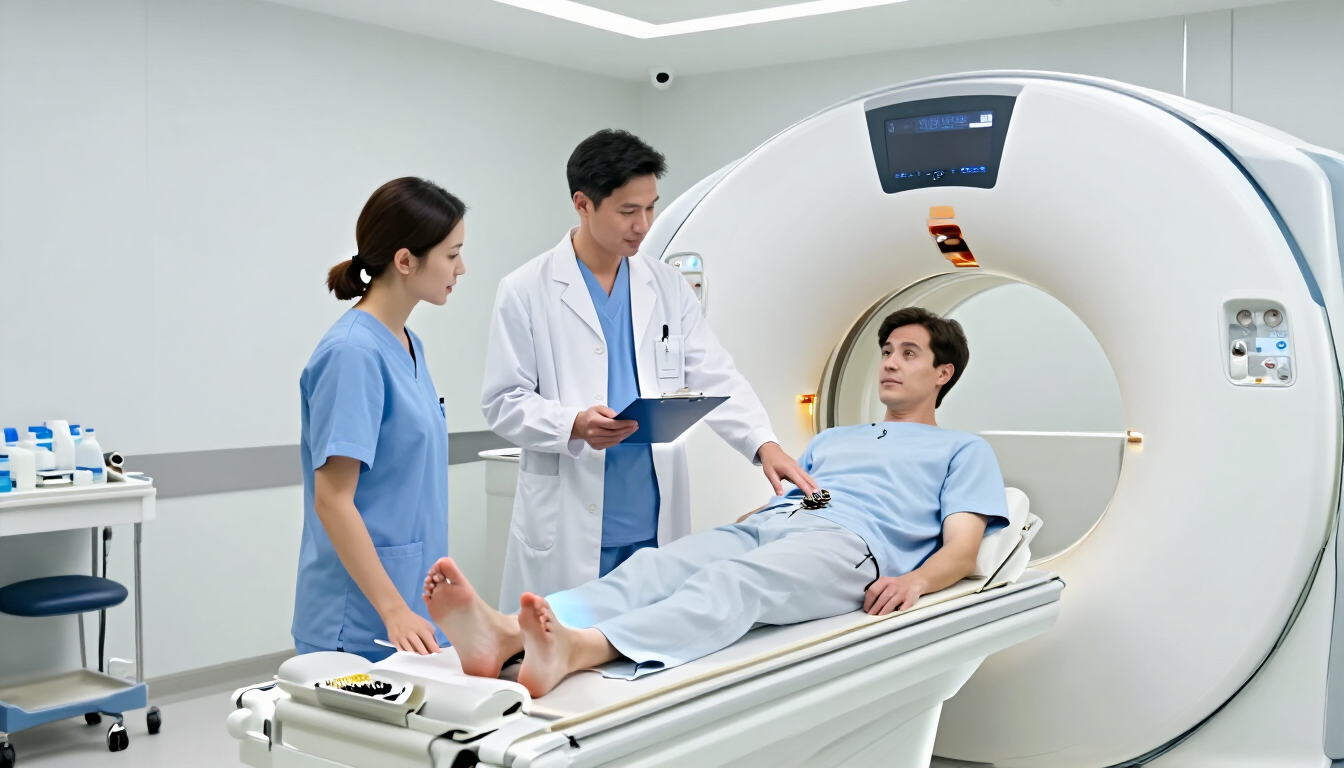
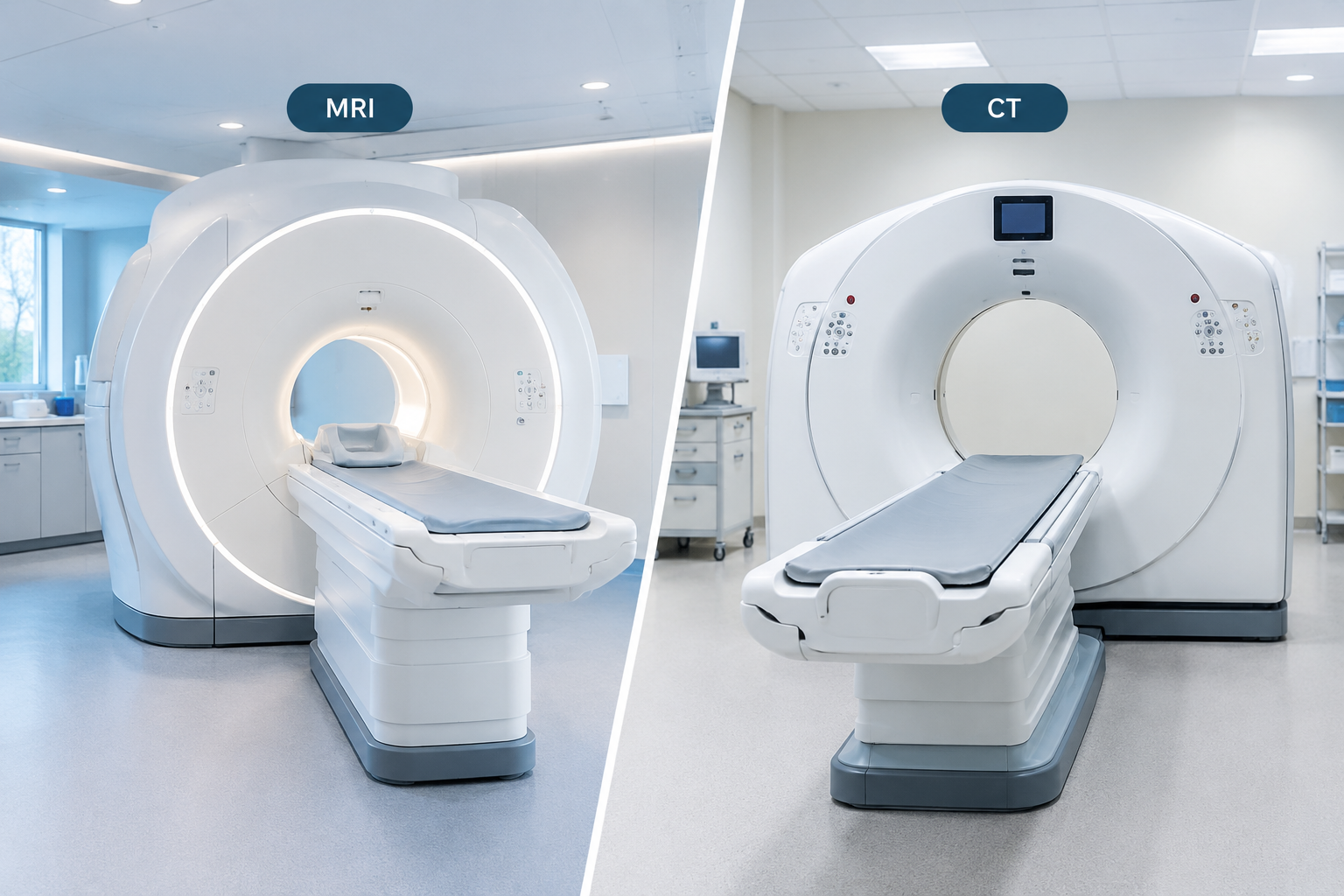
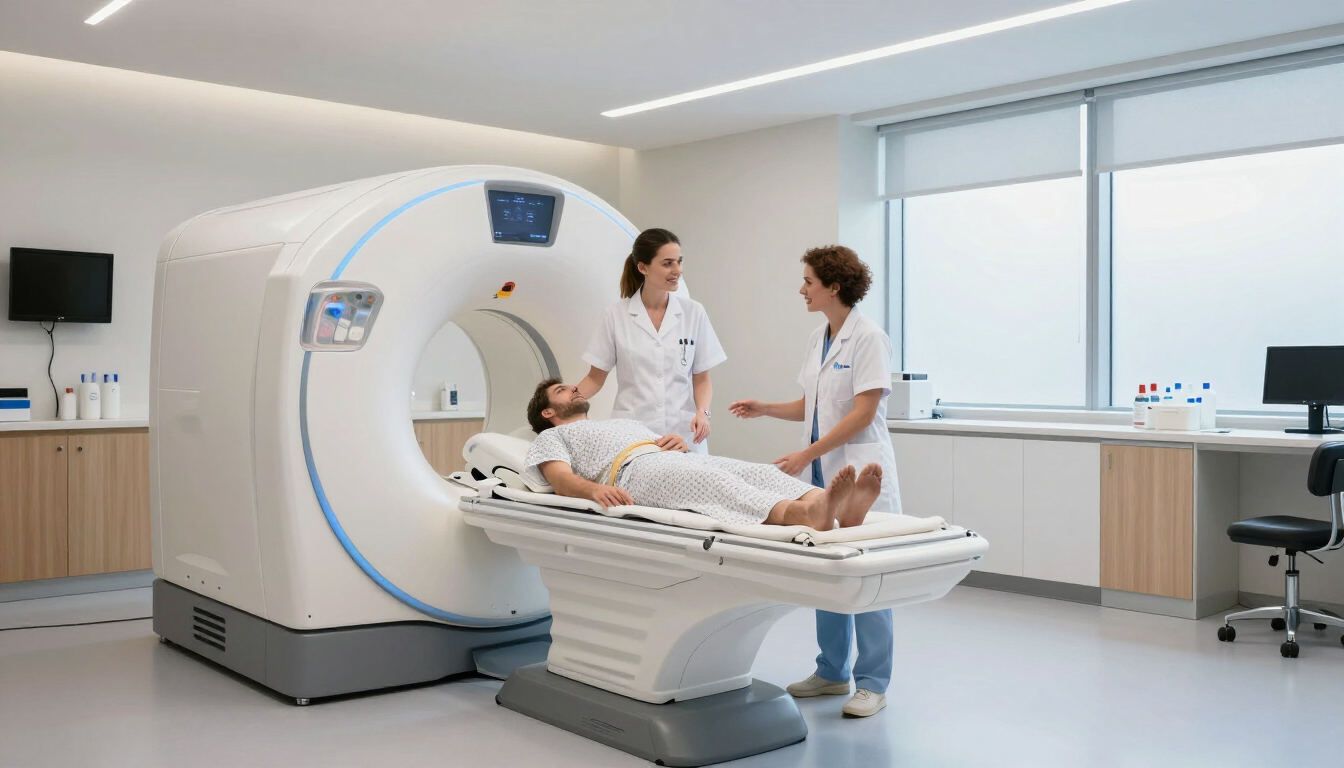
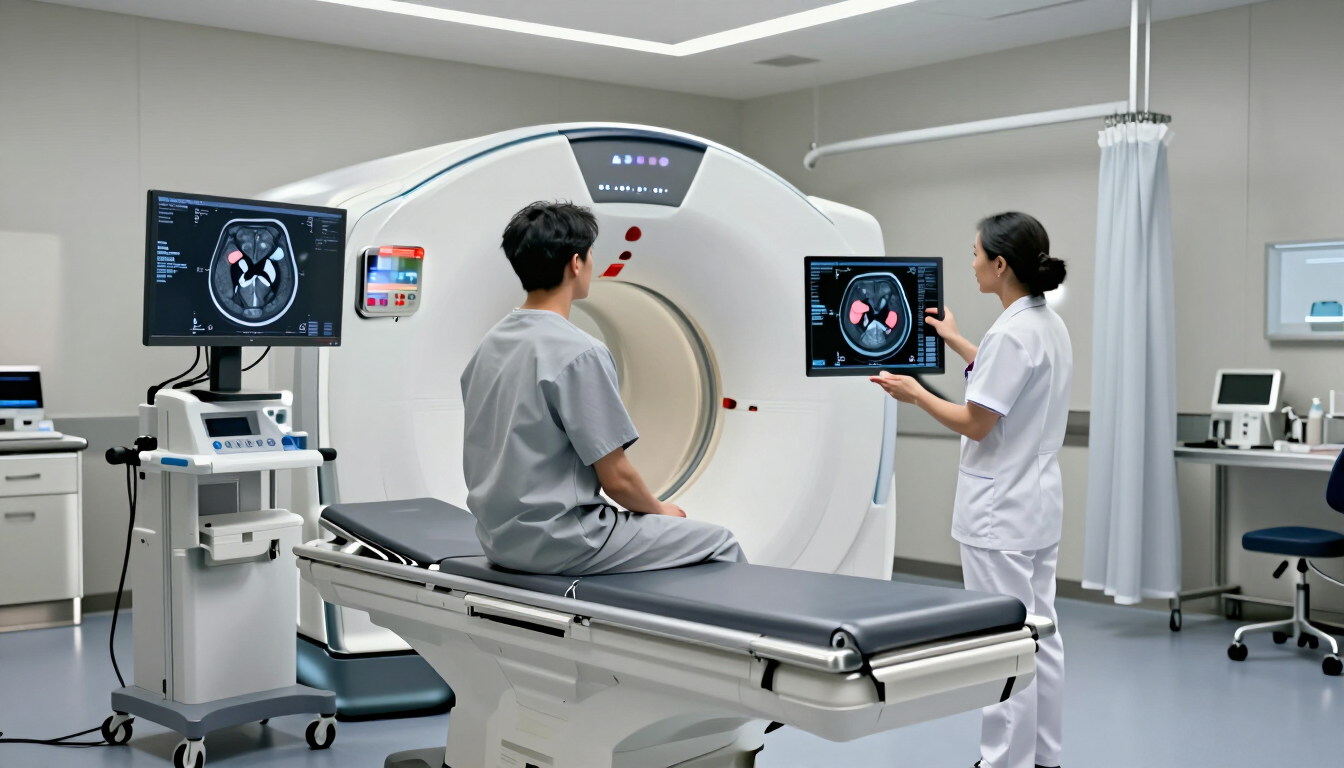
Imaging allows doctors to visualize the size, location, and spread of a potential tumor. Computed Tomography (CT) scans are often the first line of defense, providing a detailed cross-sectional view of the abdomen. However, for a more nuanced look at the soft tissues of the pancreas and the intricate ductal system, an MRI is frequently preferred. Magnetic Resonance Imaging uses powerful magnets and radio waves to create highly detailed images without the use of ionizing radiation.
https://irp.cdn-website.com/373c614c/dms3rep/multi/1785168884449-1_1-IPl.png
If imaging suggests an abnormality, a biopsy is often the next step to confirm whether the mass is cancerous. This is frequently done via an Endoscopic Ultrasound (EUS). During this procedure, a thin tube is passed down the throat into the stomach, where an ultrasound probe can get a very close look at the pancreas. A small needle can then be used to collect a tissue sample. This combination of high-resolution imaging and pathological confirmation is the most accurate way to reach a diagnosis.
For those looking for more information on healthcare advancements, you can visit the MRI Plus News page. The key to accuracy is speed; getting these tests done as soon as symptoms arise significantly improves the chances of successful treatment. In the UK, private diagnostic providers like MRI Plus help bridge the gap for patients who cannot afford to wait months for these critical investigations.
Understanding the Connection Between Diabetes and Pancreatic Health
One of the most interesting and often overlooked risk factors for pancreatic cancer is the sudden onset of diabetes. While type 2 diabetes is a common condition usually linked to lifestyle and genetics,