Private Colonoscopy: Bowel Investigation, Preparation and Results
Quick Answer
A private colonoscopy is a consultant-led procedure that examines the large bowel with a flexible camera, usually for symptoms such as bleeding, bowel habit changes or unexplained abdominal pain. It offers faster access, clearer preparation guidance and timely results, which many patients value when they want prompt investigation and peace of mind.
A private colonoscopy is one of the most direct ways to investigate bowel symptoms with speed and clarity. It lets a specialist examine the colon for inflammation, polyps, bleeding sources or other causes of change in bowel habit. For many patients, that faster access matters just as much as the procedure itself. If you are comparing private diagnostic options, you may also find MRI Plus guidance on private diagnostic imaging helpful when you are trying to understand how different investigations fit together. This guide explains what a private colonoscopy is, who it helps, how to prepare, what happens on the day and how results are usually handled. It is written for patients who want practical answers, not medical jargon. If you are worried about symptoms, waiting times or whether you need a referral, the sections below will help you plan your next step with more confidence.
What Is a Private Colonoscopy?
A private colonoscopy is a specialist examination of the large bowel using a thin, flexible camera. It helps a clinician look directly at the lining of the colon and rectum, so they can assess symptoms and decide on next steps.
It is often chosen when someone wants faster access or clearer scheduling than they can get elsewhere. A private colonoscopy is also useful when symptoms need prompt investigation, because it can identify visible causes such as inflammation, bleeding, narrowing or polyps.
For a general overview of how private digestive investigations are organised, MRI Plus also explains private endoscopy services. The key difference is that a colonoscopy focuses on the lower bowel, while other tests may assess different parts of the digestive tract.
According to the Chartwell Private Hospital Guide to provide Colonscopies, this is a common consultant-led investigation in private care. That matters because patients often want a clear route from symptoms to diagnosis without long delays.
A private colonoscopy is not just about speed, however. It is also about preparation support, informed consent and a clear plan for results. Many patients find that combination reassuring, especially when bowel symptoms have become persistent or difficult to explain.
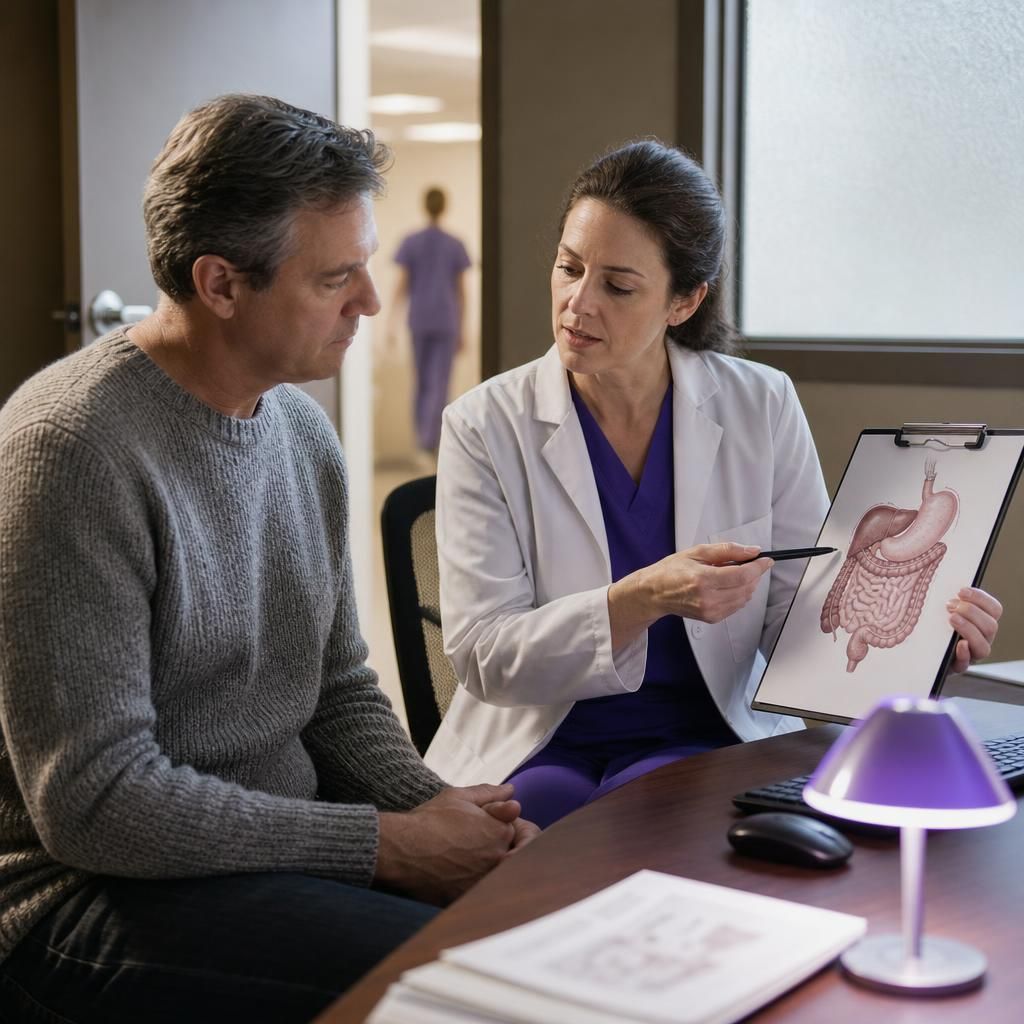
What can a colonoscopy show?
A colonoscopy can show changes in the bowel lining that may explain bleeding, pain, anaemia or altered bowel habits. It can also allow tissue samples to be taken if the doctor needs more detail.
That direct visual assessment is one reason a private colonoscopy is so useful. It gives the clinician a real-time view, rather than an indirect estimate from symptoms alone.
Symptoms a Private Colonoscopy Can Help Investigate
A private colonoscopy is used when bowel symptoms need direct investigation. It can help clarify whether symptoms come from a structural issue, inflammation, polyps or another digestive condition.
Common reasons to consider a private colonoscopy include rectal bleeding, ongoing diarrhoea, constipation that has changed recently, abdominal pain, unexplained weight loss and persistent mucus in the stool. It may also be recommended if a stool test or blood test needs follow-up.
If your symptoms raise concern about a broader abdominal or pancreatic cause, MRI Plus also publishes guidance on how pancreatic cancer is diagnosed. That is a different pathway, but it shows how symptom-led investigation often involves more than one type of test.
You should not ignore bowel symptoms that keep returning or are getting worse. A private colonoscopy can help move from uncertainty to a clear clinical plan. For example, if a patient has intermittent bleeding and changing bowel habits, a timely examination can quickly show whether the issue looks inflammatory, benign or needs further work-up.
The procedure may also be considered when family history or previous findings make direct bowel inspection sensible. In that sense, a private colonoscopy is both diagnostic and decision-making. It helps specialists decide what should happen next, rather than leaving patients to guess.
When should symptoms be checked urgently?
You should seek urgent medical advice if bowel symptoms come with severe pain, heavy bleeding, black stools, fainting or a marked decline in general health.
A private colonoscopy can be part of the answer, but urgent symptoms should always be assessed promptly by a clinician.
How to Prepare for a Private Colonoscopy
Good preparation is essential for a successful private colonoscopy. The bowel must be as clear as possible, so the doctor can see the lining properly and avoid repeating the test.
Most patients are given a bowel preparation plan in advance. This usually includes dietary instructions, a laxative or bowel-cleansing medication, and timing guidance for the day before the procedure. Follow the instructions exactly, because incomplete preparation can make the examination harder to interpret.
Here is a practical checklist for a private colonoscopy:
- Read the bowel prep instructions as soon as you receive them
- Tell the clinic about all medicines, including blood thinners and diabetes treatment
- Arrange a lift home if sedation may be used
- Wear loose, comfortable clothing
- Bring glasses, a medication list and any referral paperwork
- Ask in advance how you will receive results
If you want to understand how private results are typically shared digitally, MRI Plus explains the process in its guide to how private scan results are reported. The exact test is different, but the principle is similar: patients want timely reporting and easy sharing with their GP or specialist.
According to HJE’s private colonoscopy information, private services commonly include consultant-led care and clear preparation support. That matters because preparation is often the hardest part for patients, not the test itself.
A private colonoscopy works best when you prepare early. Therefore, read every instruction carefully and ask questions before the appointment day.
What should you avoid before the test?
Your clinic may ask you to avoid certain foods, and sometimes a low-fibre diet is recommended beforehand. You may also need to adjust specific medicines.
Never stop prescribed treatment without clinical advice. Instead, ask the team handling your private colonoscopy what applies to your situation.
What Happens During a Private Colonoscopy?
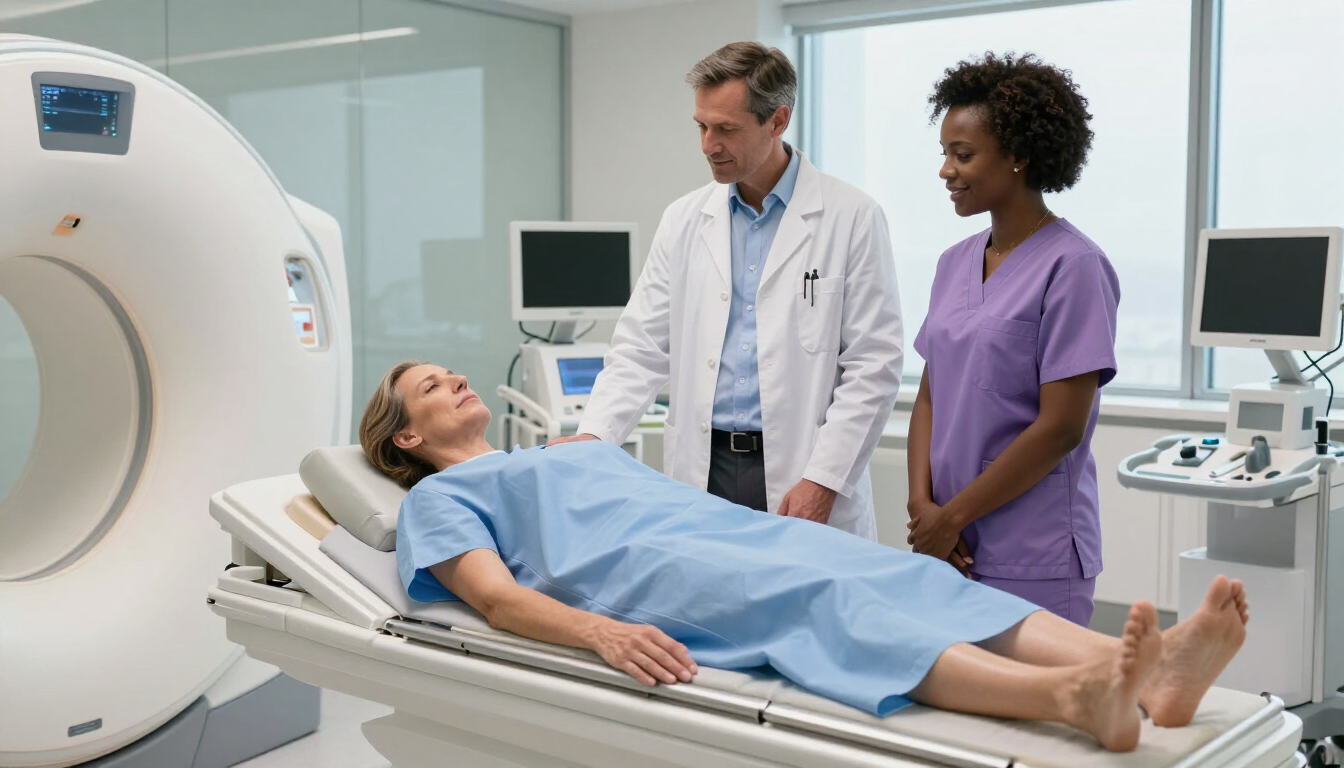
A private colonoscopy is usually a day-case procedure. You arrive, meet the team, confirm your details and discuss the plan before the examination starts.
The clinician may offer sedation, depending on the service and your preference. If sedation is used, you may feel relaxed and sleepy. For a patient-friendly explanation of that part of the process, this short video from Medical Secrets is useful:
During the procedure, the colonoscope is passed gently through the back passage and moved through the bowel. The team watches the images on a screen and may take biopsies if needed. If polyps are found, they may sometimes be removed during the same appointment.
A private colonoscopy can feel less intimidating when you know what to expect. The Colorectal Cancer Alliance also offers a practical patient perspective here:
According to the Bupa colon health guide, colon investigations are used to look for growths such as polyps and other abnormalities. That reinforces why the procedure is so useful when symptoms need direct investigation.
Most importantly, a private colonoscopy is designed to be efficient, but not rushed. The clinical team should keep you informed throughout. If you feel anxious, say so. Good communication is part of good care.
Do you have to be fully asleep?
No, not always. Many patients are awake but relaxed, while others choose sedation.
The right option depends on the clinic, your comfort level and the clinician’s advice. Ask about sedation before booking your private colonoscopy.
Aftercare, Results and Next Steps After a Private Colonoscopy
Recovery after a private colonoscopy is usually straightforward, especially if no intervention is needed. If you had sedation, you should rest for the day and avoid driving until the clinic confirms it is safe.
You may feel bloated or pass wind more often afterward. That is common because air is used during the procedure. Mild discomfort usually settles quickly. However, you should contact the clinic if you develop severe pain, heavy bleeding or feel unwell.
Results from a private colonoscopy are often explained soon after the procedure, at least in initial form. If biopsies are taken, the final report may take longer because samples must be analysed. That is normal and helps the clinician give you a more accurate conclusion.
This is where a private colonoscopy can be especially valuable. Patients usually want the findings, next steps and any follow-up arranged without long uncertainty. For some, that means reassurance. For others, it means a faster route to treatment or further testing.
If the issue is outside the bowel, another investigation may be recommended. For broader symptom pathways, MRI Plus also provides guidance on finding a private scan near me when people need quick access to imaging and digital reporting.
A private colonoscopy should end with clarity. You should leave knowing what was seen, what happens next and who will receive your report.
What if biopsies were taken?
Biopsies are small tissue samples taken for closer review. They do not mean something serious is definitely present.
They simply help the clinician make a more accurate diagnosis after your private colonoscopy.
Book a Private Colonoscopy
A private colonoscopy is worth considering if you want a timely bowel investigation, clear preparation instructions and a fast path to results. It is particularly helpful when symptoms are ongoing and you do not want to wait in uncertainty.
Is it worth going private for a colonoscopy? For many patients, yes, because speed, convenience and communication are the main advantages. That said, the right choice depends on your symptoms, urgency and budget.
How much does it cost for a private colonoscopy? Prices vary by provider, location, sedation choice and whether biopsies or additional procedures are needed. If you are comparing services, ask exactly what is included before booking.
Can you book a private colonoscopy without a referral? In many cases, yes. Some services allow self-referral, while others prefer a referral from a GP or consultant. Check the clinic’s process before you arrange anything.
If you are exploring private diagnostic options more broadly, MRI Plus also covers self-pay private scans and related booking guidance. That can be helpful if your symptoms need more than one type of investigation.
A private colonoscopy is about taking symptoms seriously and getting answers sooner. If you are ready to move forward, choose a provider that explains preparation, sedation, results and follow-up clearly from the start.
Key Takeaways
- A private colonoscopy gives direct, consultant-led inspection of the large bowel for timely symptom investigation.
- Preparation is critical, and clear bowel prep instructions are one of the biggest advantages of private care.
- Sedation is often available, but you should confirm the approach before booking.
- Results may be given quickly, although biopsies can add time for lab analysis.
- Many patients choose a private colonoscopy for faster access, clearer communication and easier scheduling.
Frequently Asked Questions
How much does it cost for a private colonoscopy?
The cost of a private colonoscopy varies by clinic, location, sedation and whether biopsies are needed. The safest approach is to ask for a written quote that confirms what is included, such as consultation, procedure, pathology and follow-up. That way, you can compare services like for like before booking.
Is it worth going private for a colonoscopy?
For many people, yes. A private colonoscopy can offer faster access, more convenient scheduling and clearer communication about preparation and results. It is especially useful when symptoms are ongoing and you want timely investigation rather than a long wait.
How much is a colonoscopy if I go private?
The price depends on the provider and what the appointment includes. Some quotes cover only the procedure, while others include consultation, sedation, biopsies and reporting, so always check the full package before you decide.
Can I book a private colonoscopy without a referral?
Often, yes. Many private services accept self-referral or direct booking, although some prefer a GP or consultant referral. If you are unsure, contact the clinic first and ask what information they need before they can schedule your private colonoscopy.