What Is Small Bowel MRI Cost UK?
Small bowel MRI cost UK patients pay privately is usually around £450–£900, depending on the clinic, location, use of contrast, consultant reporting and whether an enterography protocol is required. The price should clearly explain what is included, such as the scan, radiographer, radiologist report and results delivery.
What does a small bowel MRI include?
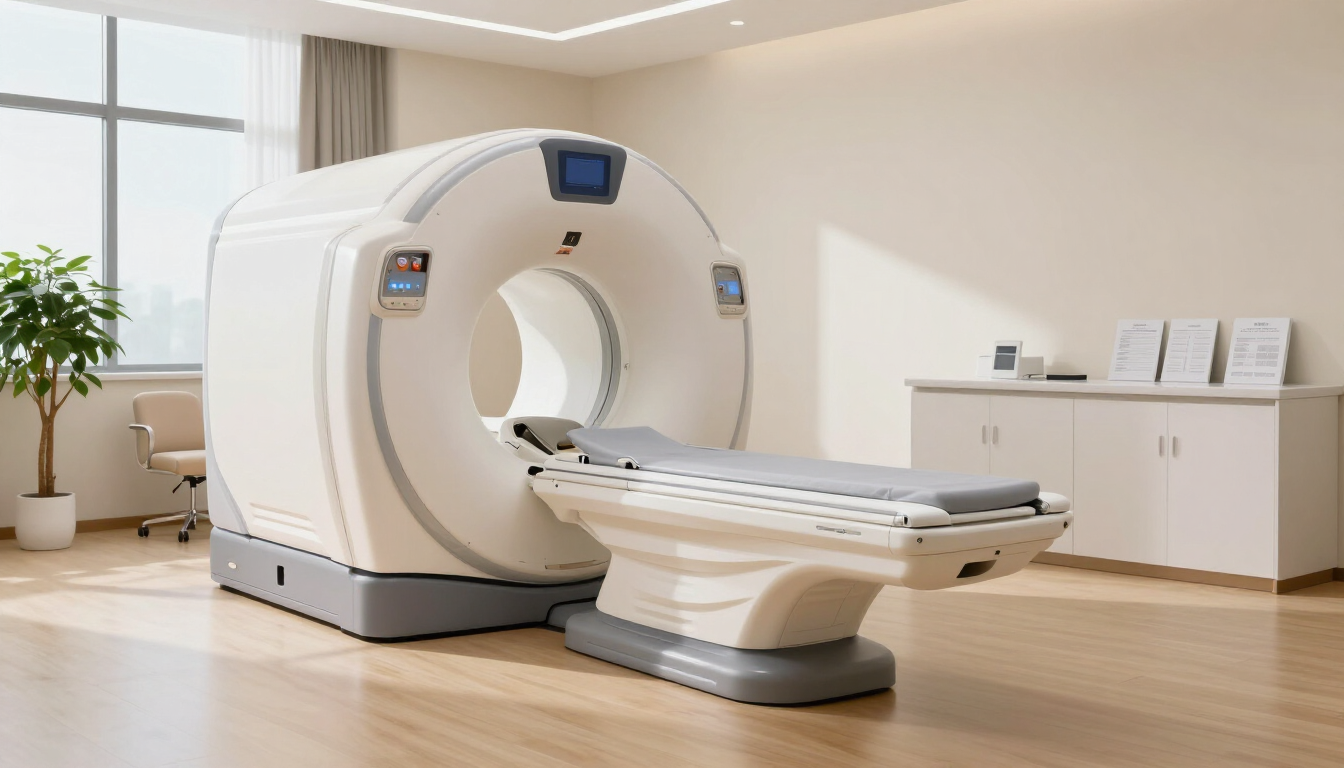
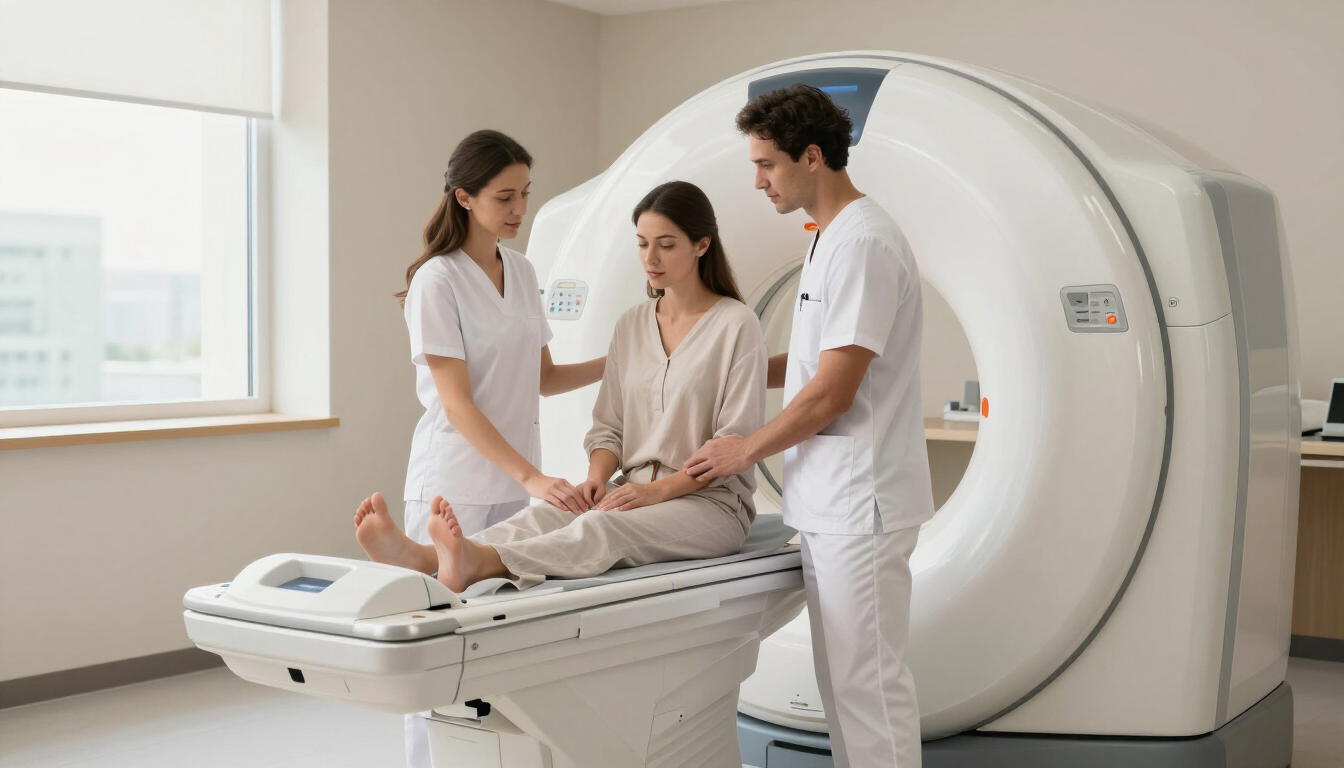
A small bowel MRI, often called MR enterography , uses magnetic fields and radio waves to create detailed images of the small intestine and surrounding tissues. It does not use ionising radiation, which makes it a useful option for repeated assessment when clinically appropriate.
A private appointment commonly includes:
- A safety screening questionnaire and review of relevant medical history
- Preparation instructions, including fasting or drinking a specific fluid before the scan
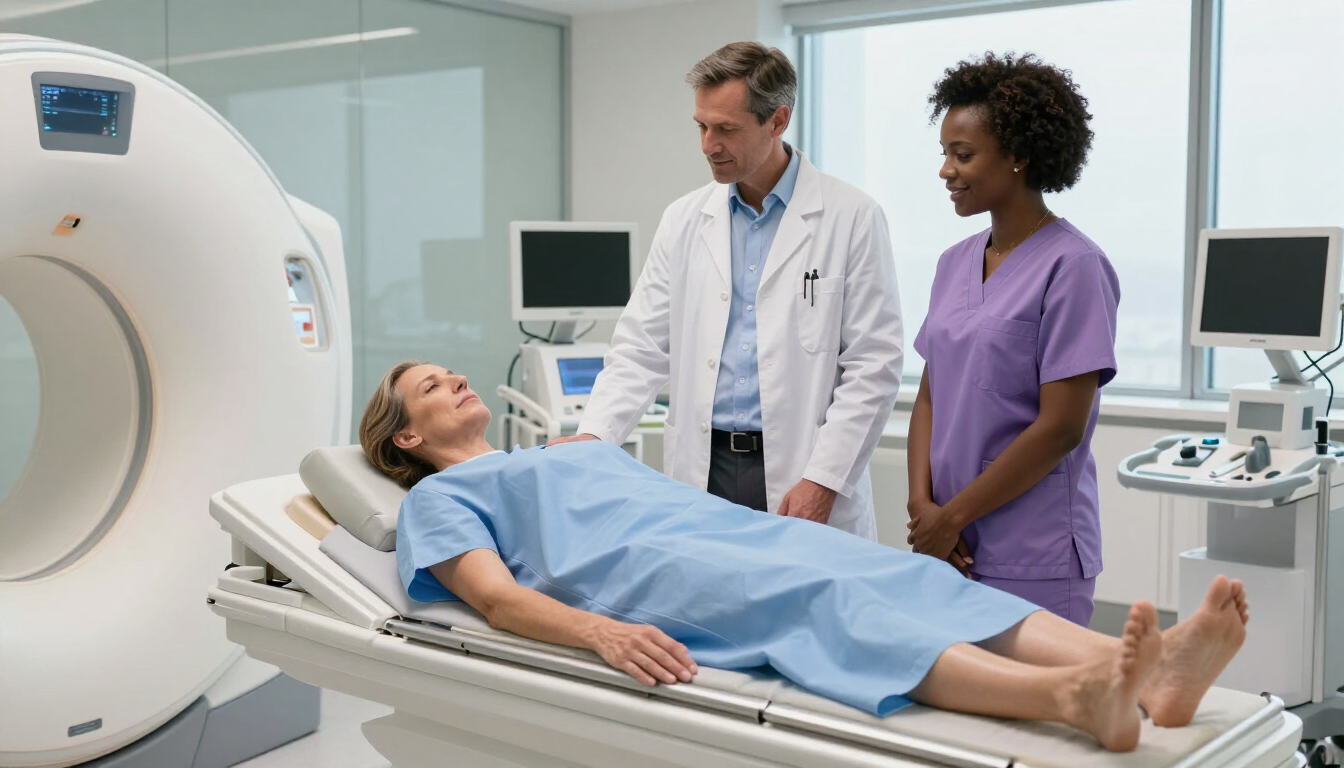
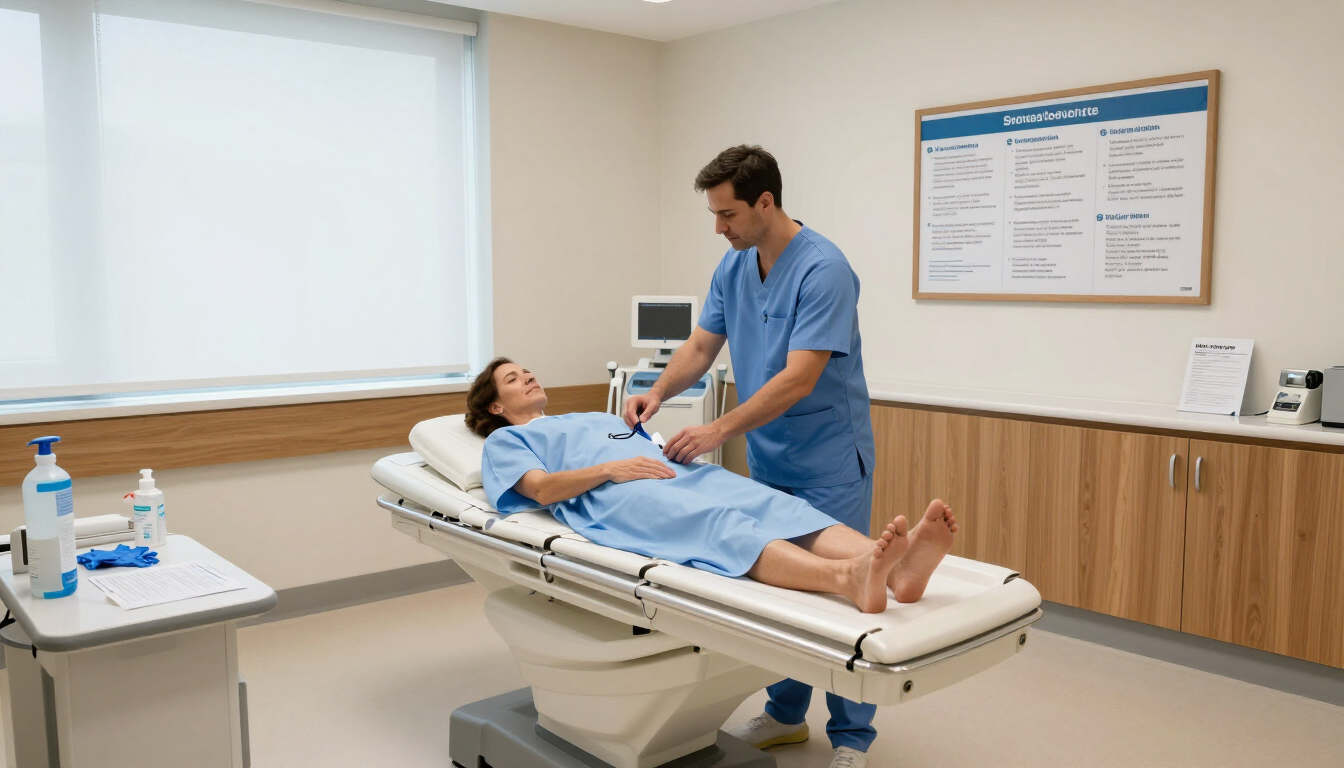
- An MRI scan performed by a trained radiographer
- Oral contrast or specialist preparation to help show the bowel clearly
- Intravenous contrast or medication where clinically required
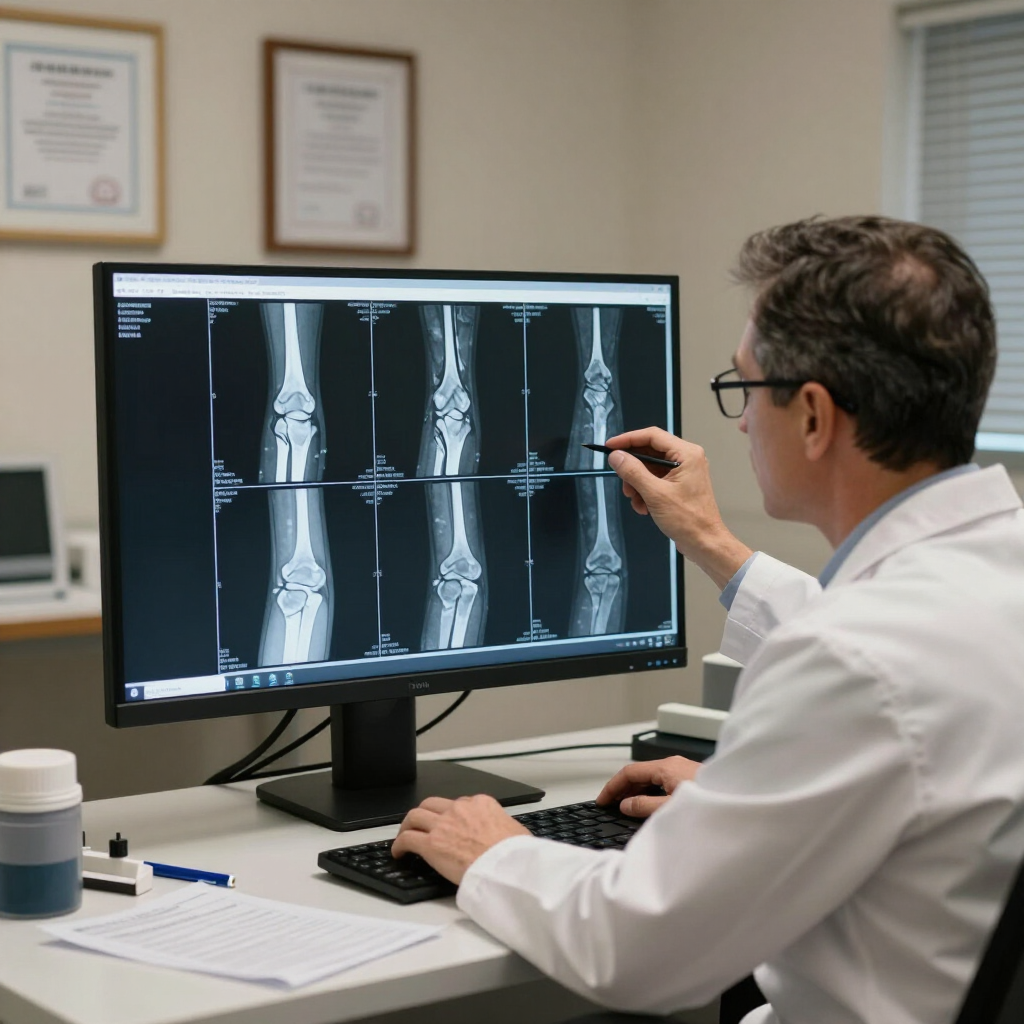
- Review and reporting by a qualified radiologist
- A written report sent to the referring clinician, with patient results communication depending on the provider
The exact package differs between providers. Before booking, ask whether the advertised price includes contrast, the radiologist’s report, consultant review, and any follow-up discussion.
How much does a private small bowel MRI cost in the UK?
There is no single nationwide price. Private small bowel MRI cost UK patients see online can vary because clinics use different scanners, protocols and reporting arrangements.
As a broad guide, you may see prices in these ranges:
- £450–£600: a basic private scan with standard reporting in some clinics
- £600–£900: a more comprehensive MR enterography service, often including contrast and specialist reporting
- More than £900: complex cases, consultant-led pathways, urgent appointments or additional review may increase the total
These figures are indicative rather than a fixed quote. London and other areas with higher operating costs may charge more, while some providers offer lower prices during selected appointment periods. A referral, clinical details or prior test results may also be required before the clinic confirms the correct protocol.
Why do small bowel MRI prices vary?
Several factors affect the final cost of an MRI scan for the small bowel:
- Scan protocol: MR enterography may require more preparation and imaging time than a standard abdominal MRI.
- Contrast and medication: Oral or intravenous contrast may be included, charged separately or used only when clinically indicated.
- Reporting: A specialist gastrointestinal radiologist may charge more than a standard reporting pathway.
- Appointment speed: Same-week or urgent appointments can carry an additional fee.
- Location and facilities: Clinic overheads, scanner technology and local demand influence pricing.
- Follow-up care: A consultation to explain the report may be included or booked separately.
A low headline price is not necessarily the best value if essential parts of the pathway are excluded. Compare the complete service rather than the scan price alone.
What is the difference between an MRI scan and MR enterography?
A standard abdominal MRI can provide useful images of several abdominal organs. MR enterography is tailored to the small bowel. It usually involves drinking a liquid before the examination so the bowel expands and its walls can be assessed more clearly.
Your clinician may request MR enterography when investigating symptoms or conditions affecting the small intestine, such as suspected inflammation, Crohn’s disease, unexplained abdominal pain or other bowel concerns. The most suitable test depends on your symptoms, medical history and referral question.
The clinic should confirm the requested examination before taking payment. If you are unsure whether you need a general abdominal MRI or small bowel MRI, ask your GP, consultant or referring clinician.
How should you prepare for a small bowel MRI?
Preparation varies, so follow the instructions supplied by the imaging provider. Common requirements may include:
- Fasting for a specified period before arrival
- Drinking water or an oral contrast solution at the clinic
- Telling the provider about pregnancy, kidney problems, allergies or previous reactions to contrast
- Removing metal objects, jewellery and some clothing before scanning
- Bringing your referral, medication list and relevant previous reports
The scan itself commonly takes between 30 and 60 minutes, although the complete appointment can be longer because of preparation. You will need to remain still, and the scanner can be noisy. The radiographer can explain the process and help you communicate during the examination.
How quickly will you receive the results?
Reporting times depend on the provider and urgency of the referral. Some private clinics offer reports within a few working days, while urgent reporting may be available for an additional charge. The report is normally sent to the referring healthcare professional, who explains the findings and recommends next steps.
Ask these questions before you book:
- When will the scan be reported?
- Is the report written by a specialist gastrointestinal radiologist?
- Will I receive a copy of the report or images?
- Is consultant review included in the quoted price?
- What happens if further imaging is recommended?
Fast results can be valuable when a clinician is waiting to confirm a diagnosis or plan treatment, but speed should sit alongside appropriate clinical oversight.
Is a private small bowel MRI worth the cost?
Private imaging may be useful when you need greater appointment flexibility, a faster pathway or access to a particular diagnostic service. It can also help reduce uncertainty when NHS waiting times are long, although a private scan does not replace clinical advice or guarantee a specific diagnosis.
Consider the total value of the appointment, including:
- How soon you can be scanned
- Whether the correct small bowel protocol is available
- The expertise of the reporting radiologist
- What the fee includes
- How results will be shared with your care team
MRI Plus focuses on accessible private diagnostic services, with straightforward booking and patient-centred communication. You can also visit the MRI Plus News page for further information about diagnostic imaging and healthcare updates.
Frequently asked questions
Does private health insurance cover small bowel MRI?
Some policies cover diagnostic MRI when it is clinically indicated and authorised in advance. Check your insurer’s approval requirements, excess and approved-provider list before booking.
Is small bowel MRI safe?
MRI does not use X-rays. However, you must disclose implants, metal fragments, kidney conditions, pregnancy and relevant allergies so the provider can assess whether the examination and any contrast are suitable.
Do I need a referral for a private MRI?
Many clinics require a referral or clinical request to ensure the correct scan is performed. Requirements differ, so confirm this when requesting a price.
Can I eat before the scan?
Often, patients are asked to fast for a period before MR enterography. Follow the clinic’s exact instructions rather than relying on general guidance.
Key takeaways
Small bowel MRI cost UK prices commonly fall within an indicative £450–£900 range, but the final fee depends on the protocol, contrast, reporting and location. MR enterography is designed specifically to assess the small bowel and usually requires preparation. Before booking, request an itemised quote, confirm the reporting timescale and check whether specialist reporting and follow-up are included. If you have symptoms or a suspected bowel condition, discuss the appropriate test with your referring clinician and choose a provider that offers clear communication from booking through results.