Private Gastroscopy: Upper GI Endoscopy, Preparation and Results
Quick Answer
Private gastroscopy is a consultant-led upper GI endoscopy that examines the oesophagus, stomach and first part of the small bowel using a thin flexible camera. It is used to investigate symptoms such as reflux, pain, swallowing problems and nausea, with faster access, clear preparation guidance and follow-up results.
Private gastroscopy is a fast, consultant-led way to investigate upper digestive symptoms without long delays. It uses a thin flexible camera to examine the oesophagus, stomach and duodenum, so doctors can look for inflammation, ulcers, reflux damage, bleeding sources and other causes of discomfort. For many people, the main benefit of private gastroscopy is speed, clarity and direct access to specialist advice. If your symptoms suggest a broader digestive work-up, you may also find our guide to private endoscopy useful, because it explains how consultant-led investigations are organised and how results are reported. MRI Plus supports patients who want practical next steps, digital reporting and a smoother pathway into outpatient care. This page explains what private gastroscopy is, which symptoms it can help investigate, how to prepare, what happens during the procedure and how results are usually handled afterward. If you are comparing options in London or elsewhere in the UK, the goal is simple: get a clear answer quickly, with as little disruption as possible.
What Is a Private Gastroscopy?
Private gastroscopy is an upper GI endoscopy performed by a specialist to inspect the oesophagus, stomach and duodenum. It is a direct way to assess the lining of the upper digestive tract and can also allow tissue samples to be taken if needed.
In plain terms, private gastroscopy helps clinicians see what scans and symptom descriptions cannot always show. It is often arranged when a patient needs faster access, a consultant opinion, or a clearer diagnosis after persistent symptoms. The procedure is commonly called an upper GI endoscopy, so people often use those terms interchangeably.
If you want to understand how private investigations fit into a wider care pathway, our page on private diagnostic imaging explains how MRI, endoscopy and outpatient assessments can work together. That is useful when symptoms do not point to just one organ system.
For a patient-friendly overview of the procedure itself, the gastroscopy guide from Bupa’s gastroscopy preparation and procedure page is a helpful educational reference. Meanwhile, a consultant-led pathway is also explained in this private gastroscopy in London resource, which shows how specialist care is typically organised.
A key point is that private gastroscopy is not just about speed. It is about access to assessment, explanation and follow-up. That matters when symptoms are affecting eating, sleep or daily comfort.
What does a gastroscopy look for?
A gastroscopy can identify reflux-related damage, gastritis, ulcers, swallowing problems, inflammation and visible bleeding. It may also help explain unexplained nausea, upper abdominal pain or a feeling that food is sticking.
Symptoms a Private Gastroscopy Can Help Investigate
Private gastroscopy is used when upper digestive symptoms need a closer look. It is especially helpful when symptoms persist, worsen or do not respond as expected to initial treatment.
Typical reasons for private gastroscopy include ongoing indigestion, heartburn, upper abdominal pain, nausea, vomiting, difficulty swallowing and unexplained anaemia when a digestive source is suspected. It can also help assess unintentional weight loss, black stools or reflux symptoms that keep returning.
The procedure is often part of a wider consultant review. That is important, because the best test depends on the symptom pattern. For example, upper abdominal pain may need a different pathway from swallowing difficulty. If symptoms suggest a pancreatic or biliary issue rather than a stomach problem, MRI Plus also provides information on how to diagnose pancreatic cancer, which may be relevant when abdominal symptoms need broader investigation.
For patients who want to see how symptom-led investigation works across digestive care, our guide to private colonoscopy is also useful. It shows how upper and lower GI tests differ and when each is considered.
Private gastroscopy is not always the first step for every symptom. However, it is a strong option when doctors need a direct view of the upper GI tract. That makes it a practical choice for patients who want clearer answers and a quicker route to treatment decisions.
When might another test be better?
If symptoms point more strongly to bowel disease, bile duct concerns, or pancreatic problems, a consultant may recommend a different investigation. Private gastroscopy is best when the suspected problem is in the oesophagus, stomach or duodenum.
How to Prepare for a Private Gastroscopy
Preparation for private gastroscopy is usually straightforward, but fasting instructions matter. Most patients are asked not to eat for several hours before the procedure, and they may be able to drink only clear fluids up to a set time.
You should follow the exact instructions from your provider, because the stomach needs to be empty for the camera to work safely and clearly. Bring a list of medicines, especially blood thinners, diabetes treatments and anything prescribed for reflux or stomach protection. If you take regular medication, ask in advance which tablets can be taken on the day.
Many patients also want to know about driving, sedation and recovery. If sedation is used, you will usually need someone to take you home. Therefore, it is wise to plan transport before your appointment. If you are comparing appointment options and need quick access, the guide to self-pay MRI scan is a useful example of how private booking pathways are usually handled across MRI Plus services.
For a concise procedural outline, the gastroscopy page from Spire Liverpool Hospital’s gastroscopy information gives a clear patient-facing explanation of fasting and recovery expectations. The principle is the same across good private services: preparation should be simple, and instructions should be clear.
A brief checklist helps:
- Follow fasting guidance exactly.
- Tell the clinic about allergies and medication.
- Arrange a escort home if sedation is planned.
- Wear comfortable clothing.
- Ask questions before the appointment if anything is unclear.
Can you eat or drink before the test?
Usually no food is allowed for several hours beforehand. Drink instructions vary, so always follow the clinic’s written guidance rather than guessing.
What Happens During a Private Gastroscopy?
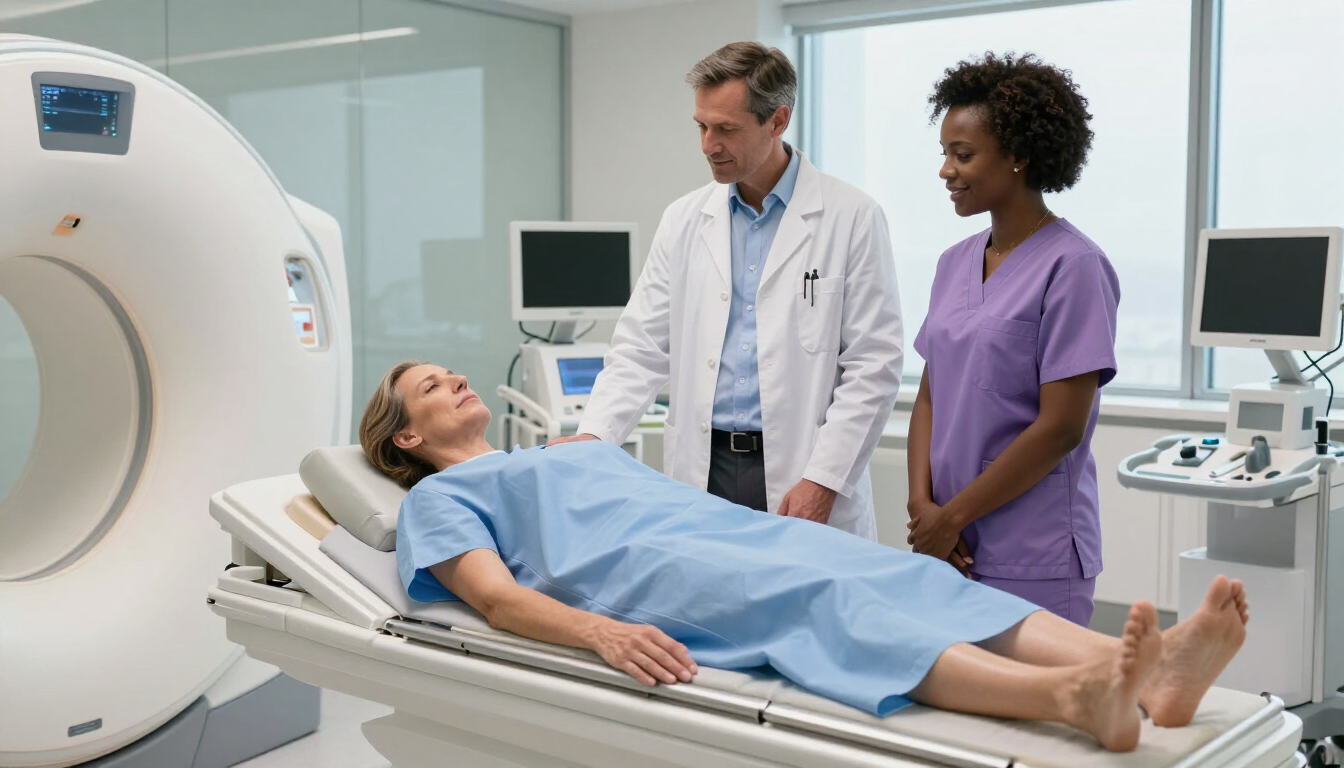
Private gastroscopy is usually a short outpatient procedure. A thin flexible tube with a camera is passed gently through the mouth so the clinician can inspect the upper digestive tract.
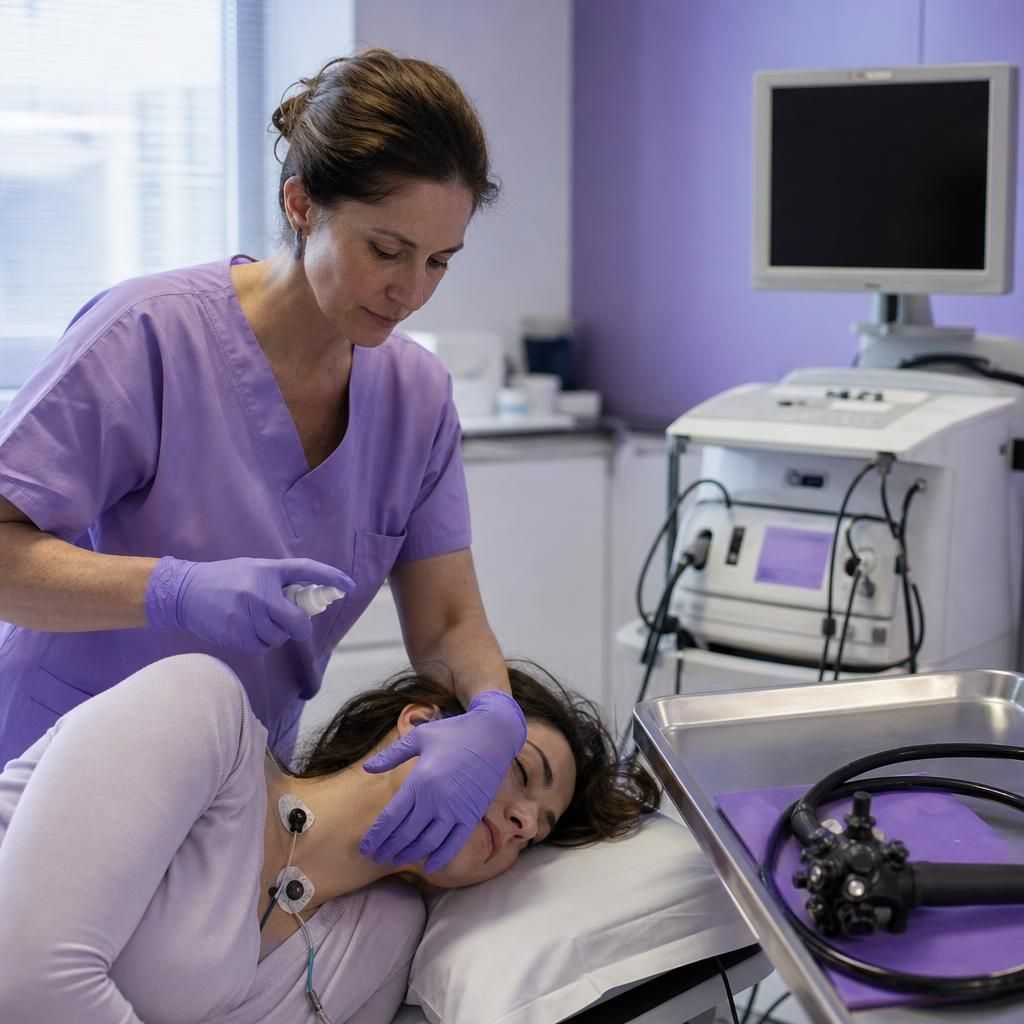
First, your throat may be numbed with local anaesthetic spray. Sometimes sedation is also offered, depending on clinical need and patient preference. The camera is then guided carefully into the oesophagus, stomach and duodenum. Air may be used to open the area for a clearer view. If anything looks unusual, biopsies can be taken through the scope.
Most patients are awake during the procedure, although they often feel relaxed and may not remember much if sedation is used. Discomfort is usually brief, and the team will talk you through each step. To see a modern patient overview of how a private service is structured, this UCLH Private Healthcare video is helpful:
If you want a short explainer of the procedure itself, this St Mark’s Hospital Foundation video is also worth watching:
Private gastroscopy is different from imaging tests because it gives direct visual access. That makes it especially valuable when symptoms are ongoing and the clinician needs tissue sampling or immediate assessment.
After the scope is removed, you will usually rest for a short time before heading home. If you had sedation, you may feel drowsy for the rest of the day. However, most people are back to light activity very quickly.
Is private gastroscopy painful?
It is usually uncomfortable rather than painful. Throat spray, careful technique and optional sedation all help make private gastroscopy more tolerable.
Sedation, Comfort and Safety in Private Gastroscopy
Private gastroscopy is considered a routine procedure, but it is still a medical test with potential risks. The overall risk is low, especially when performed by experienced clinicians in a proper endoscopy setting.
Common side effects are usually minor. These can include a sore throat, bloating from air used during the test, or brief grogginess if sedation was given. More serious complications are uncommon, but they can include bleeding or a tear in the lining, particularly if a biopsy or treatment is performed. Your clinician should explain these risks before consent.
If anxiety is a concern, say so early. Many people choose private gastroscopy because they want a calmer experience, more time for questions and a clearer plan. Safety also improves when the team has a full medication list and knows about allergies, sleep apnoea or breathing issues.
For broader context on cost and care choices, the patient information from this private gastroscopy cost guide can help you understand what private access usually involves. Costs vary by provider, consultant input, sedation and whether biopsies or follow-up are included.
If you are already comparing upper GI investigations, remember that private gastroscopy is only one part of digestive assessment. The best service should explain comfort options, safety checks and what happens next if something abnormal is found.
How risky is a gastroscopy?
For most patients, the risk is low. The main risks are short-lived discomfort and, less commonly, complications linked to biopsy, sedation or the procedure itself.
Results and Follow-Up After Private Gastroscopy
Private gastroscopy can give immediate visual findings, but the full result may take longer if biopsies are taken. In many cases, the clinician can explain the main observations before you leave.
If tissue samples are collected, the final report usually includes the findings, the reason for any abnormal appearance and the next step. That may mean medication, further tests, dietary changes or a referral to another specialist. When needed, results can be shared with your GP or consultant so care continues smoothly.
This is where private pathways can feel especially useful. Patients often want clear digital reporting, rather than waiting for fragmented updates. If you need to compare reporting workflows across private healthcare, our article on MRI scan results time explains how fast reporting and sharing can support quicker decisions.
Follow-up after private gastroscopy is also about interpretation. A visible irritation may be managed differently from an ulcer, and normal-looking tissue does not always rule out every cause of symptoms. Therefore, the most valuable result is not just the report itself. It is the plan that follows.
Private gastroscopy is often chosen by patients who want that plan sooner. It supports faster reassurance when results are normal and faster action when treatment is needed.
What if the gastroscopy is normal?
A normal result is still useful. It helps rule out major upper GI causes and allows the consultant to consider other explanations for symptoms.
Book a Private Gastroscopy
Private gastroscopy is a practical option if you want faster access, consultant-led assessment and a clear path to results. It suits patients with persistent reflux, upper abdominal pain, swallowing issues or symptoms that need a direct look inside the upper GI tract.
If you are not sure whether gastroscopy is the right test, a private outpatient consultation is usually the best next step. That is where symptom history, medicines and prior scans can be reviewed properly. In some cases, a consultant may suggest another investigation instead, or combine gastroscopy with broader digestive assessment.
MRI Plus focuses on fast, patient-friendly pathways across diagnostic care. For people looking at upper digestive symptoms alongside other concerns, our MRI scan UK guide and MRI scan near me page can help you explore related private appointment options.
If you are ready to move forward, private gastroscopy can shorten the time between symptoms and answers. That is often the most important part of the experience.
Key Takeaways
- Private gastroscopy is a consultant-led upper GI endoscopy used to assess the oesophagus, stomach and duodenum.
- It can help investigate reflux, upper abdominal pain, swallowing issues, nausea, vomiting and other persistent symptoms.
- Preparation usually involves fasting, medication review and planning for sedation if it is offered.
- The procedure is generally low risk, and most side effects are mild and short-lived.
- Results may be explained immediately, with biopsies and follow-up reports shared afterward if needed.
Frequently Asked Questions
How much does a private gastroscopy cost?
Private gastroscopy costs vary by provider, consultant involvement, sedation and whether biopsies are included. The best way to get an accurate figure is to ask for a written quote that confirms what is covered, including follow-up and pathology if tissue samples are taken.
Can you see a gastroenterologist privately?
Yes, you can see a gastroenterologist privately for symptoms that need specialist assessment. A private consultation is often the first step before private gastroscopy, because the consultant can decide whether the test is appropriate and explain the results clearly.
What's the difference between a gastroscopy and endoscopy?
Gastroscopy is a type of endoscopy. Endoscopy is the broader term for looking inside the body with a camera, while gastroscopy specifically examines the oesophagus, stomach and duodenum.
How risky is a gastroscopy?
Private gastroscopy is generally low risk when performed by trained clinicians. Most people experience only mild, short-lived effects such as a sore throat or bloating, while more serious complications are uncommon.