Consultant Outpatient Services for Private Diagnostics and Follow-Up
Quick Answer
Consultant outpatient services are specialist-led appointments used to assess symptoms, review scans or test results, and plan the next clinical step before or after diagnostics. For patients who need faster, clearer pathways, consultant outpatient services help connect imaging, expert interpretation, and follow-up care in one joined-up process.
Consultant outpatient services give patients a direct route to specialist assessment before or after diagnostic testing. In practical terms, they help connect symptoms, scans, reports, and follow-up into one clear pathway. That matters if you need faster answers, a second opinion, or clinical guidance after a private MRI. It also matters if you are choosing between self-referral, imaging only, or a consultant review first. At MRI Plus, consultant outpatient services support the patient journey around private diagnostic imaging, not just the scan itself. If you want a broader overview of how private investigations fit together, our private diagnostic imaging guide explains the pathway in more detail. In this article, we will explain when consultant outpatient services are useful, how they work, and how they help patients, GPs, and referrers make better decisions.
What are consultant outpatient services?
Consultant outpatient services are specialist appointments that happen without an overnight hospital stay. They are used to assess a problem, confirm whether imaging or another test is needed, and decide what should happen next. In other words, consultant outpatient services bring expert clinical judgement to the point where decisions matter most.
For patients, this can mean a clearer diagnosis and a more confident next step. For example, someone with persistent headaches may need a consultant review before imaging. Someone with abdominal symptoms may need a specialist conversation after a scan. The value of consultant outpatient services is that they focus on clinical decisions, not just appointments.
This model is well aligned with how the NHS describes outpatient care. The NHS explains outpatient services as care that does not require admission, and its outpatient guidance for patients sets out what to expect from these visits. You can also see the NHS’s wider explanation of outpatients and day patients. For administrative context, the NHS data dictionary also defines a consultant clinic as an outpatient arrangement.
At MRI Plus, consultant outpatient services are especially useful when imaging needs context. A scan can show structure, but a consultant helps interpret that structure in light of your symptoms, history, and referral question. That makes the pathway more complete and more patient-friendly.
For a quick overview of how outpatient services have evolved in practice, that short NHS Dorset clip is a useful starting point. It helps explain why consultant outpatient services now sit at the centre of faster, more coordinated care.

What does a consultant doctor do?
A consultant doctor is a senior specialist who diagnoses, interprets, and plans care within their field. They review symptoms, examine relevant findings, and decide whether imaging, treatment, monitoring, or referral is the right next step. In consultant outpatient services, that clinical judgement is the main value.
When do consultant outpatient services help most?
Consultant outpatient services are most useful when symptoms need specialist interpretation. They are also valuable when a scan result needs context, or when the next step is not obvious. If you have ongoing pain, unexplained neurological symptoms, or a possible abdominal issue, consultant outpatient services can prevent delays and confusion.
This is common in private diagnostics. A patient may book a scan because a GP, physiotherapist, or specialist suspects a problem. However, the scan question may still need refining. Consultant outpatient services can help decide whether the right study is a brain and head MRI, a thoracic spine MRI, an MRCP MRI, or another investigation. If your symptoms are related to headaches, our red flags for headaches guide explains when urgent imaging or review may be appropriate. If your pain is centred in the upper back, our thoracic spine MRI guide gives useful context.
Consultant outpatient services also support patients who want reassurance before self-paying for diagnostics. A brief specialist review can reduce wasted time and improve the quality of the scan request. It can also help patients with claustrophobia choose a more comfortable option, such as an open MRI. If that applies to you, our guide to the best open MRI in London may help you compare options.
The broader point is simple. Consultant outpatient services are not only for complex cases. They are also useful when a patient wants a better pathway, a clearer question for imaging, and a more confident decision about what comes next.
What is an outpatient consultation?
An outpatient consultation is a specialist appointment where the patient is assessed and advised without being admitted to hospital. It usually involves history-taking, review of prior records, and a plan for tests or treatment. In consultant outpatient services, the consultation is the point where decisions become more precise.
Consultant outpatient services before imaging
Consultant outpatient services before imaging are about getting the question right. That matters because a good scan starts with a good clinical question. If the request is vague, the result may be less useful. If the request is focused, the imaging pathway becomes more efficient and more meaningful.
This is especially important for private MRI. A consultant can help confirm whether the symptoms point towards the brain, spine, abdomen, or another region. They can also advise whether a scan is the best next step at all. That is one reason consultant outpatient services are valuable for self-pay patients who want to avoid unnecessary appointments.
At MRI Plus, this pathway supports services such as private MRI scan appointments, digital MRI results, and radiology reporting. If you are searching for fast local access, our MRI scan near me page explains how patients often find the right booking route.
Consultant outpatient services are also important when a scan needs preparation. For abdominal symptoms, for example, a consultant may decide whether MRI or endoscopy is more appropriate. In some pathways, a patient may move from consultation to private gastroscopy or private endoscopy if the symptoms point towards the digestive tract rather than the musculoskeletal system.
Therefore, the pre-imaging review is not just administrative. It shapes the diagnosis, improves communication, and helps patients move faster toward the right answer.
How does consultant outpatient services support MRCP assessment?
Consultant outpatient services can help decide whether an MRCP is suitable for pancreatic or biliary symptoms. The consultant reviews the story, checks the clinical concern, and confirms whether the scan question fits the suspected problem. That makes the final report easier to act on.
Consultant outpatient services after results
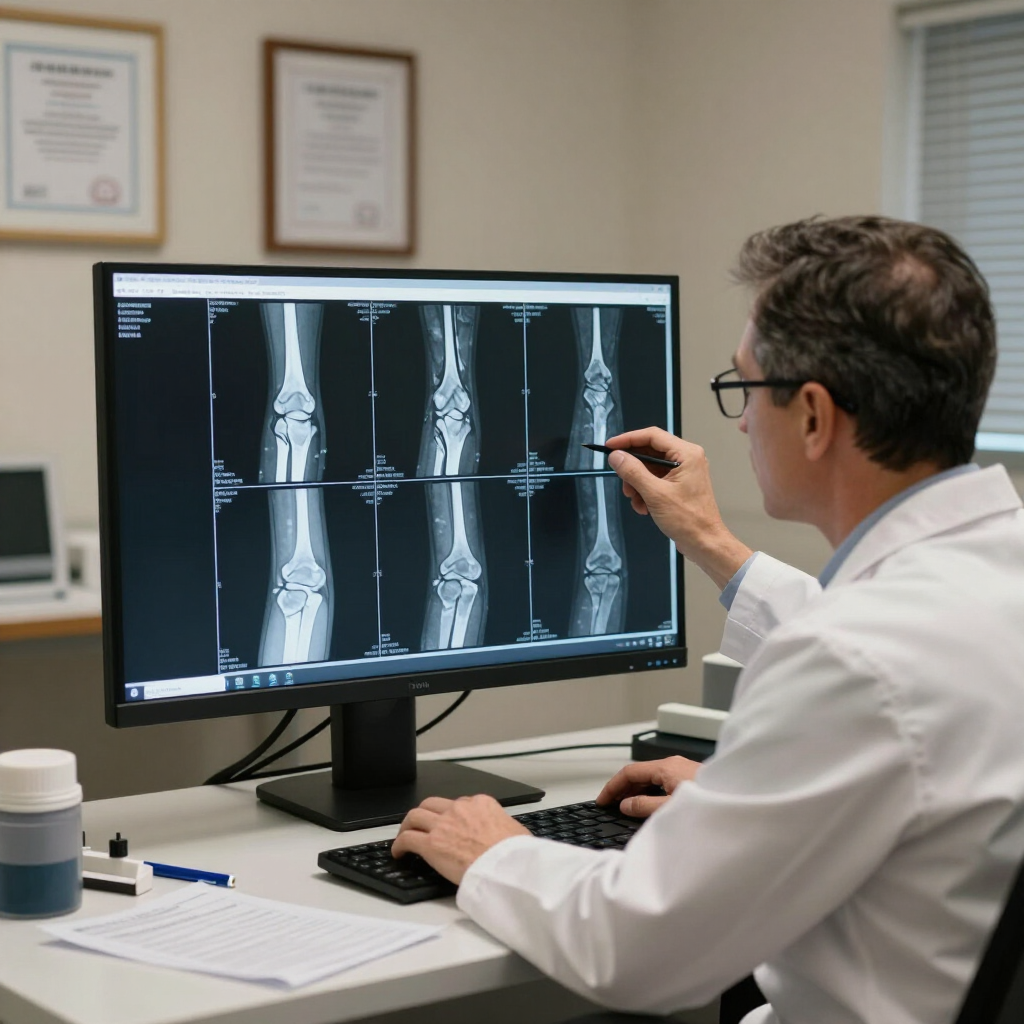
Consultant outpatient services after results turn imaging into action. A scan report is useful, but it does not always answer every question on its own. A consultant can explain what the findings mean, whether they are significant, and what should happen next.
This is one of the strongest reasons patients choose consultant outpatient services. They want a clinician to connect the dots between symptoms, images, and next steps. That may mean reassurance, further testing, treatment advice, or a referral back to a GP or specialist. It may also mean that no urgent intervention is needed, which can be valuable in itself.
The outpatient model also supports better timing. Many private patients want results they can share quickly with a GP, physiotherapist, or consultant. At MRI Plus, digital reporting helps that process. If you want to understand the turnaround, our MRI scan results time guide explains how private reporting is usually handled.
This is also where consultant outpatient services support E-E-A-T. A consultant-led pathway shows experience, not just access. It shows that the provider is thinking clinically about what the scan means, not simply selling a test.
If you are considering the wider service design side, that Business Savvy Physician explainer gives a useful overview of what healthcare consultants do. It is a practical reminder that consultant outpatient services are about decisions, coordination, and accountability.
How do consultant outpatient services work for self-pay patients?
Consultant outpatient services for self-pay patients are usually straightforward. The patient books an appointment, provides symptoms or referral information, and attends a specialist review. The consultant then recommends the next step, which may be imaging, another outpatient test, or simple observation.
This is useful for patients who want to move quickly. It is also useful for people who are unsure which test they need. Consultant outpatient services can save time by reducing guesswork. They can also help patients choose between a scan-only route and a fuller clinical pathway.
The process usually looks like this:
- Initial request or self-referral guidance
- Consultant review of symptoms and history
- Decision on the most suitable investigation
- Scan, test, or follow-up if needed
- Digital results shared with the relevant clinician
That structure matters because it keeps the pathway clear. It also helps patients prepare properly. For example, someone with suspected pancreatic or biliary symptoms may benefit from specialist review before arranging an MRCP. Someone with back pain may need a different imaging target altogether. If you are comparing service models, our self-pay MRI scan guide explains how private booking works in practice.
As a result, consultant outpatient services are often the fastest way to reduce uncertainty without losing clinical quality. They offer structure, judgment, and continuity in one place.
How much does a medical consultant cost?
The cost of a medical consultant varies by specialty, appointment length, and setting. Because prices differ widely, it is best to check the provider’s current fees before booking. In consultant outpatient services, the key question is often not just cost, but whether the consultation will help avoid unnecessary tests or delays.
Working with GPs and referrers through consultant outpatient services
Consultant outpatient services work best when communication is clear. They help GPs, physiotherapists, and other referrers receive a focused report and a sensible plan for next steps. That reduces fragmentation and makes ongoing care easier to manage.
For many patients, this is the main benefit. The consultant can explain the findings in plain language and then send the relevant information to the next clinician. That can be especially useful when symptoms cross specialties, such as pain with a possible neurological cause or abdominal symptoms that need further investigation.
The NHS and many private providers both recognise the importance of outpatient pathways. GIRFT has also focused on improving outpatient delivery and reducing delays across services. You can read more in GIRFT’s outpatient improvement programme. For private healthcare patients, South Tees NHS Foundation Trust’s outpatient guidance for private healthcare patients is also a useful reference point for how these pathways are handled.
At MRI Plus, consultant outpatient services support that joined-up model by linking assessment, imaging, and reporting. That is important in London and across the UK, where many patients want speed without losing continuity. Therefore, the best pathway is usually the one that keeps everyone informed and keeps the patient at the centre.
Book consultant outpatient services with MRI Plus
Consultant outpatient services are the right choice when you need more than a scan. They give you a specialist-led pathway before or after diagnostics, so you can move forward with confidence.
If you are waiting on the NHS, dealing with ongoing symptoms, or trying to understand the next step after imaging, consultant outpatient services can help you act sooner. They are especially useful when the clinical question is not yet clear, or when you need a consultant to interpret results in context.
MRI Plus supports patients with private diagnostic imaging, digital reporting, and booking guidance. If you are still deciding which scan route fits your symptoms, our private MRI scan guide is a good place to start. If you want broader support across the pathway, our health and MRI insights blog covers related patient questions.
If you need consultant outpatient services, think about the outcome you want. Do you need a scan request refined, a result explained, or a follow-up plan confirmed? Once that is clear, booking becomes much easier. That is the value of consultant outpatient services: they bring clinical direction to private diagnostics.
Key Takeaways
- Consultant outpatient services connect assessment, diagnostics, and follow-up into one clearer pathway.
- They are useful before imaging when the scan question needs refining, and after imaging when results need context.
- Self-pay patients benefit from faster decisions, better communication, and fewer unnecessary steps.
- Consultant-led pathways support E-E-A-T because they show clinical judgement, not just scan access.
- Patients should choose consultant outpatient services when they want clearer answers and a more coordinated next step.
Frequently Asked Questions
What is an outpatient consultation?
An outpatient consultation is a specialist appointment that does not require hospital admission. It is used to assess symptoms, review records, and decide on the next step. In consultant outpatient services, the consultation often determines whether imaging, treatment, or further referral is needed.
What do you mean by outpatient services?
Outpatient services are healthcare appointments where you are seen and treated without staying overnight. They include consultant reviews, diagnostic tests, and follow-up visits. Consultant outpatient services add specialist decision-making to that process, which helps patients move more efficiently through diagnosis and care.
How much does a medical consultant cost?
The cost varies depending on the specialty, appointment type, and provider. Because pricing is not fixed, the safest approach is to check current fees before booking. In consultant outpatient services, the real value is often the clinical clarity and time saved on the next step.
What does a consultant doctor do?
A consultant doctor is a senior specialist who diagnoses conditions, interprets findings, and plans treatment or referral. In consultant outpatient services, they review symptoms and results together, which makes the advice more precise and more useful for the patient and referrer.