Thoracic Spine : Anatomy, Conditions & Pain Guide
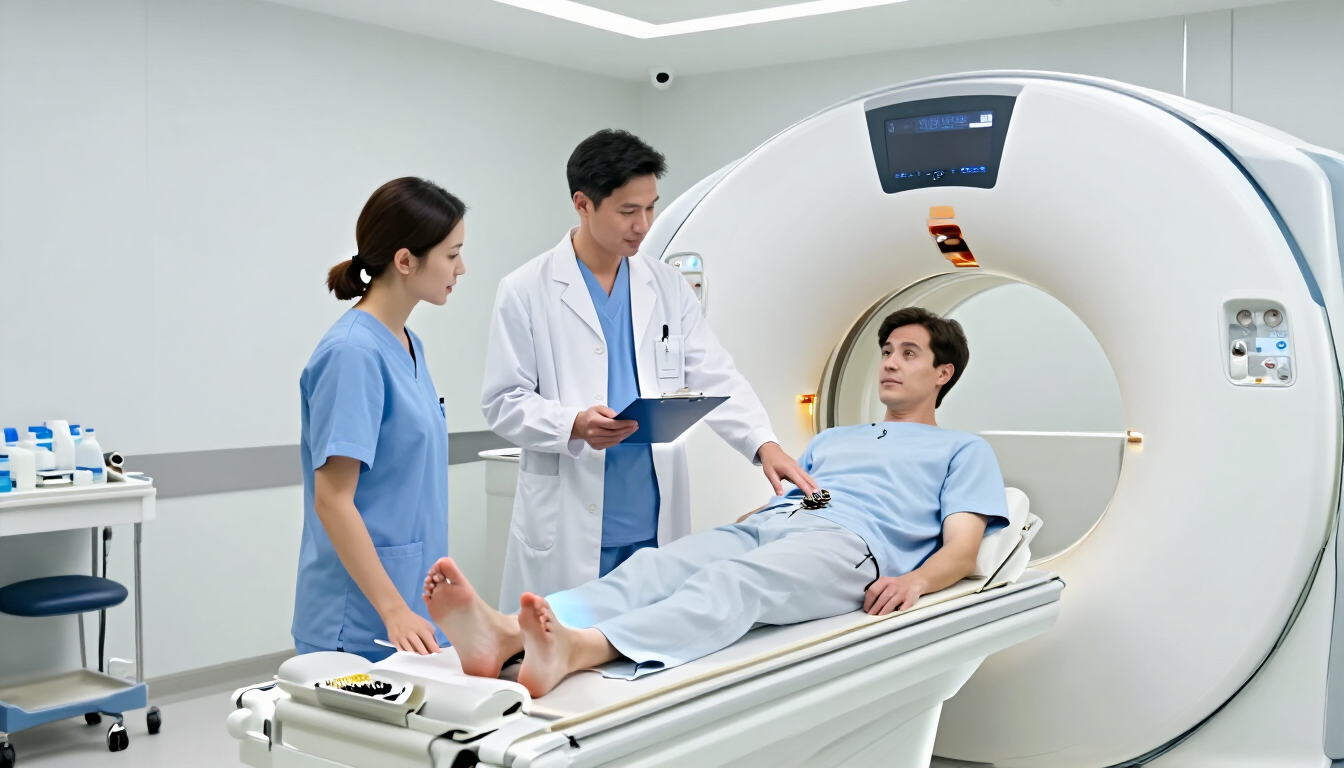
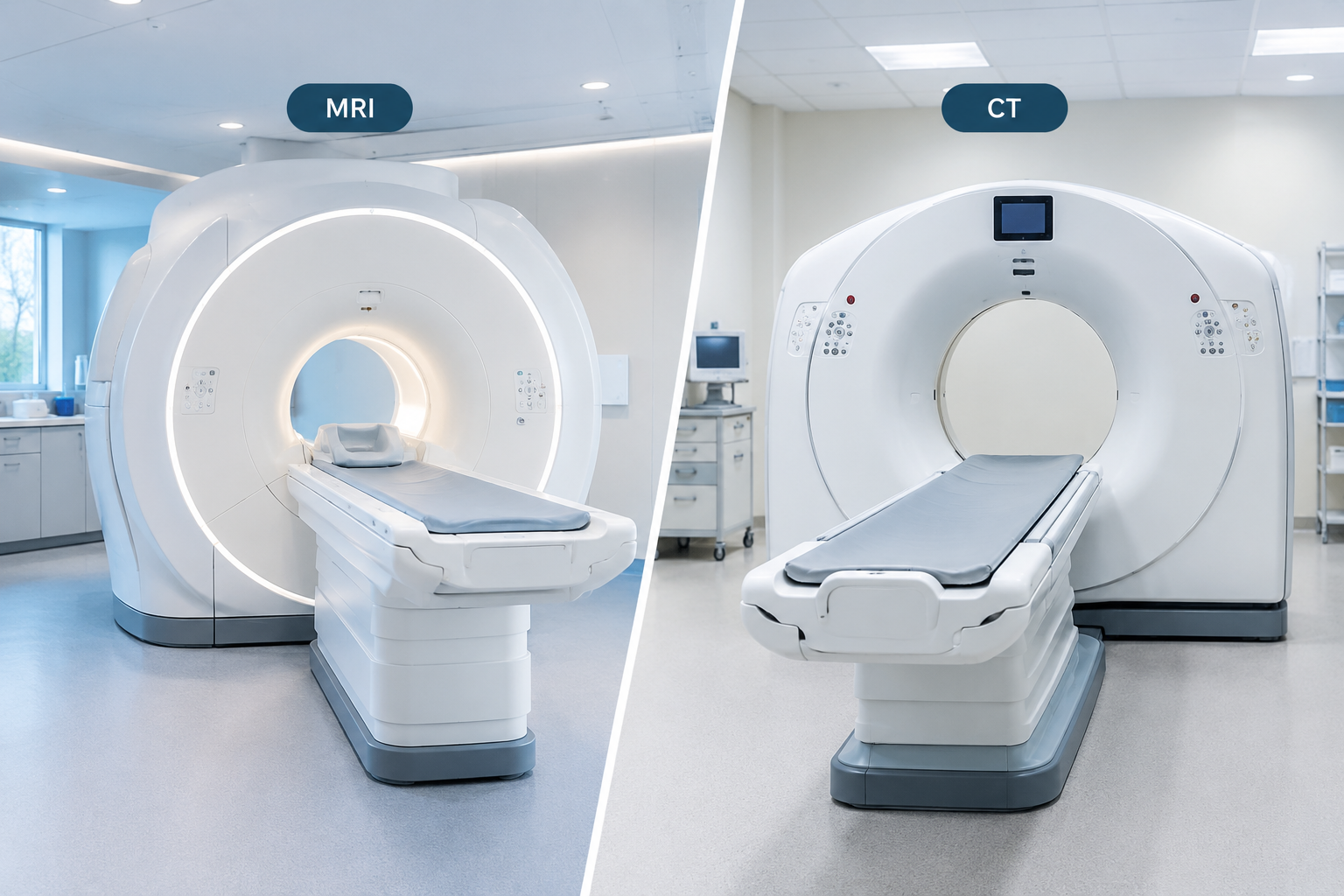
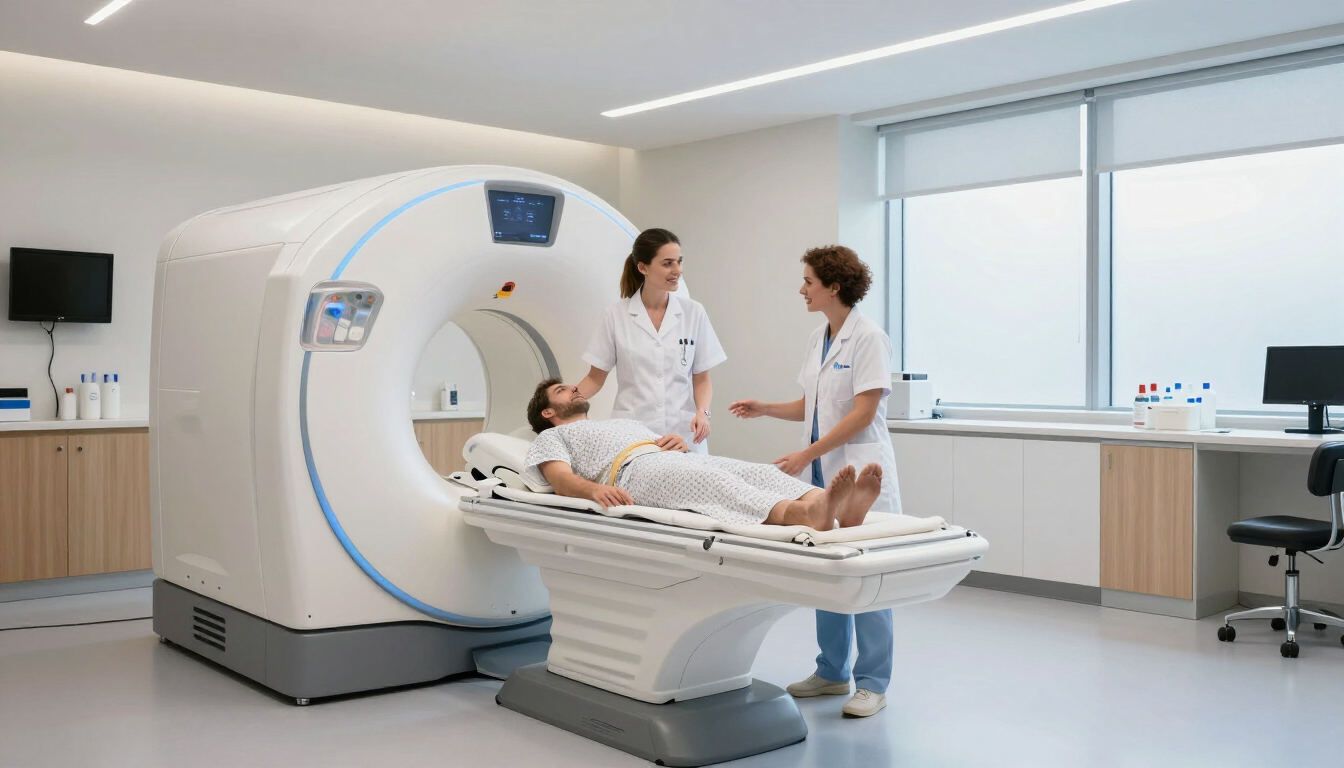
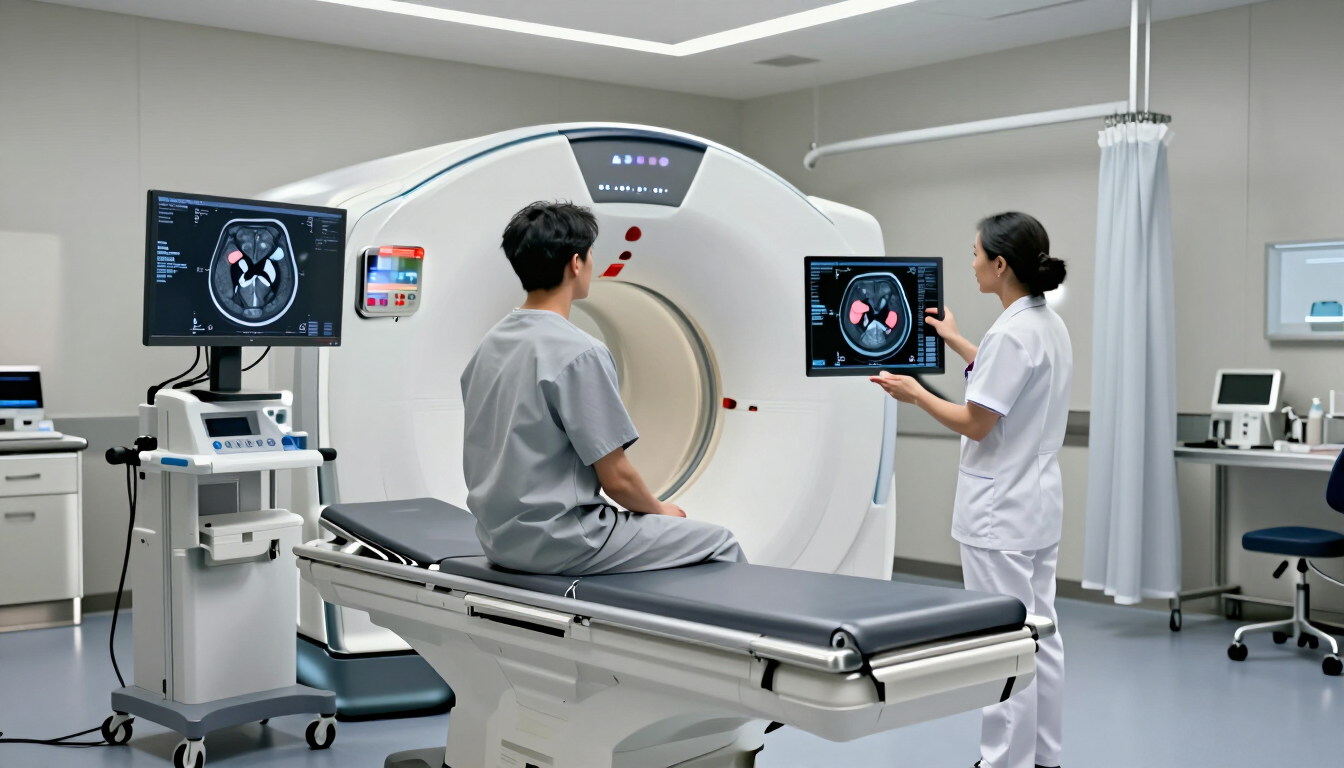
A thoracic spine MRI is a non-invasive diagnostic imaging test used to identify structural issues in the middle back. It provides detailed views of the 12 thoracic vertebrae, spinal cord, and soft tissues, helping doctors diagnose herniated discs, fractures, inflammation, or tumors that cause persistent pain or neurological symptoms.
What is the anatomy and function of the thoracic spine?
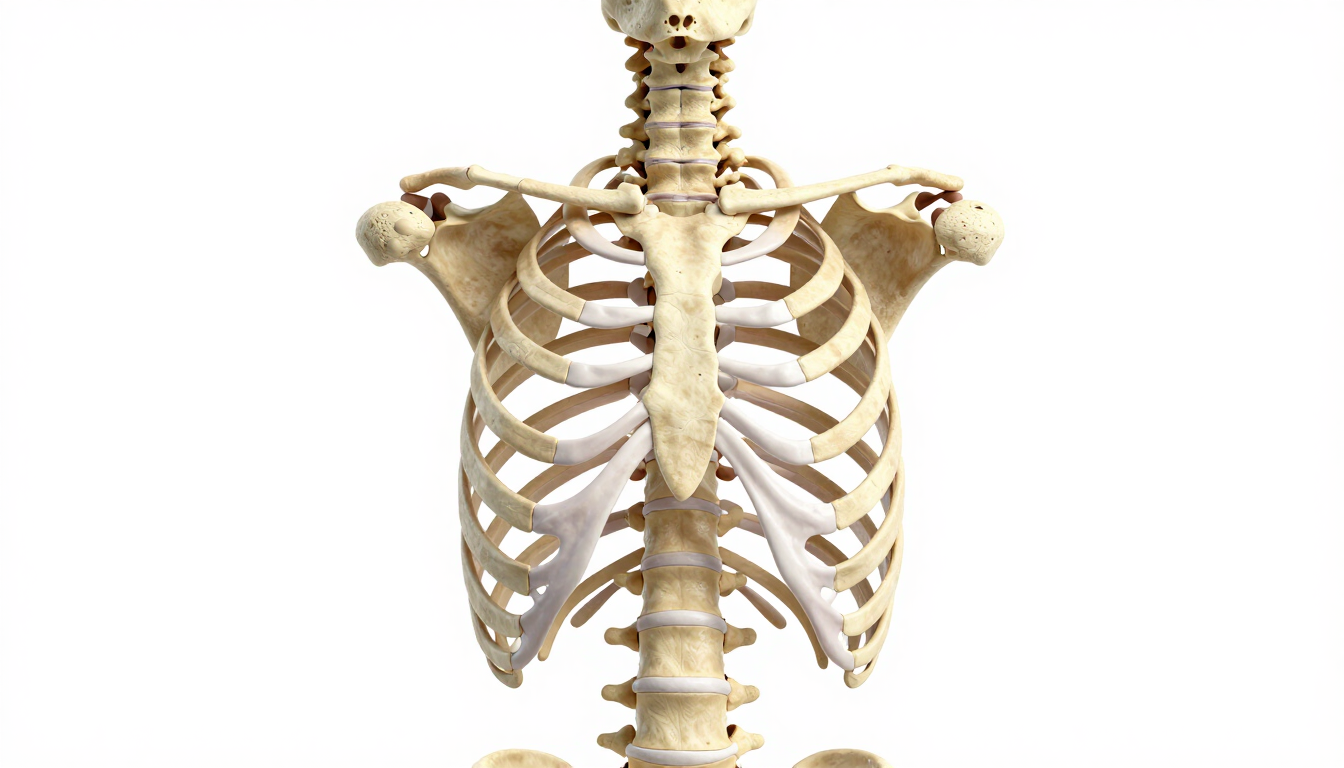
The thoracic spine is the longest portion of your spinal column, consisting of 12 vertebrae labeled T1 through T12. Unlike the neck (cervical spine) or lower back (lumbar spine), which are designed primarily for flexibility and weight-bearing, the thoracic spine’s main job is stability. It serves as the anchor for your rib cage, creating a protective cage for vital organs like your heart and lungs. Each vertebra in this section connects to a pair of ribs, which significantly limits the amount of movement—specifically extension and lateral bending—available in the middle back.
From a functional perspective, the thoracic spine plays a crucial role in maintaining your upright posture. For office workers, this area often becomes the site of the "hunch," where prolonged sitting leads to a rounded upper back. For athletes, particularly those in rotational sports like golf or tennis, thoracic mobility is essential; if the middle back is stiff, the body often compensates by overusing the lower back or shoulders, leading to injury. The spinal canal in the thoracic region is also narrower than in other areas, meaning any structural changes—like a bulging disc—can have a more immediate impact on the spinal cord itself.
Common conditions affecting the thoracic spine
While the thoracic spine is more stable and less prone to the wear-and-tear seen in the lumbar region, it is far from immune to issues. Understanding these conditions is the first step toward effective treatment. Common issues include:
- Thoracic Disc Herniation: Though rare compared to the lower back, a disc between the T-vertebrae can bulge or rupture, pressing on nerves.
- Osteoarthritis: Wear and tear of the facet joints can lead to inflammation and bone spurs, causing stiffness and localized pain.
- Kyphosis: An exaggerated forward rounding of the back, often seen in older adults due to osteoporosis or in younger individuals with poor postural habits.
- Compression Fractures: Often a result of osteoporosis, these small cracks in the vertebrae can cause significant pain and a loss of height.
- Muscle Strain: Intense physical activity or poor ergonomics can lead to painful spasms in the large muscles surrounding the shoulder blades.
What are the symptoms of thoracic spine nerve damage?
Nerve damage in the thoracic region can be particularly distressing because the symptoms often mimic other medical issues, such as heart or lung problems. Because the nerves in this area wrap around the rib cage, a compressed nerve (thoracic radiculopathy) often causes pain that travels from the back toward the chest or abdomen. This is sometimes referred to as "band-like" pain because it feels like a tight strap is being pulled around the torso.
Other common symptoms of thoracic nerve involvement include:
- Numbness or Tingling: A "pins and needles" sensation that may follow the path of a rib.
- Muscle Weakness: Difficulty maintaining posture or weakness in the abdominal muscles.
- Sensory Changes: Increased sensitivity to touch in specific areas of the middle back or chest.
- Coordination Issues: In severe cases where the spinal cord itself is compressed (myelopathy), you might notice changes in your gait or balance.
- Radiating Pain: Sharp, electric-shock sensations that occur with certain movements like coughing or sneezing.
For healthcare professionals like physiotherapists and chiropractors, identifying these symptoms early is vital. If a patient presents with middle back pain that doesn't resolve with rest, or if they report neurological
References:
England, N. (2022, October 20). NHS England » MRI spinal leaflet. https://www.england.nhs.uk/publication/mri-spinal-leaflet/
Thoracic Spine MRI Scan from £199 | MRI Plus. (n.d.). https://mriplus.co.uk/body-parts/thoracic-spine