Red Flags for Headaches: When Should You Get an MRI?
MRI red flags for headaches include a sudden "thunderclap" onset, focal neurological deficits like weakness or vision loss, personality changes, and headaches triggered by coughing or exertion. These warning signs indicate potential underlying issues like tumors, aneurysms, or infections, necessitating an immediate head and brain MRI for accurate diagnosis and treatment.
Most of us have experienced a headache at some point. For many, it is a passing nuisance—the result of a long day, a bit of dehydration, or a late night. However, when a headache changes its pattern or presents with specific, concerning symptoms, it stops being a minor inconvenience and starts being a clinical signal. In the world of diagnostic imaging, we look for specific "red flags" that tell us a headache might be secondary to a more serious underlying condition.
Understanding the red flags for headaches in an MRI is essential for both patients and clinicians. While primary headaches like migraines or tension-type headaches are common and usually benign in terms of life-threatening risk, secondary headaches—those caused by an underlying disease—require rapid investigation. This is where high-resolution imaging becomes a vital tool in the medical arsenal.

What are the primary red flags for headaches?
Medical professionals often use the "SNOOP" mnemonic to categorize red flags that suggest a headache requires urgent imaging. If you are experiencing any of these, it is a sign that your body is requesting a deeper look through a brain MRI. These indicators help triage patients who need immediate diagnostic attention versus those who may be managed with lifestyle changes or medication.
- Systemic Symptoms: Fever, unintended weight loss, or night sweats alongside a headache.
- Neurological Signs: Confusion, impaired alertness, or focal deficits like limb weakness.
- Onset Speed: A "thunderclap" headache that reaches maximum intensity within seconds.
- Older Age: New-onset headaches in individuals over the age of 50.
- Progression: A headache that is steadily worsening or changing in character.
These red flags for headaches in an MRI provide a roadmap for doctors to determine the urgency of a scan. For example, if a patient has a history of cancer and develops a new headache, the clinical suspicion for metastatic disease increases significantly. Similarly, if a headache is accompanied by a stiff neck and fever, clinicians must rule out meningitis or other inflammatory processes quickly.
Understanding Brain MRI for Headache Treatment
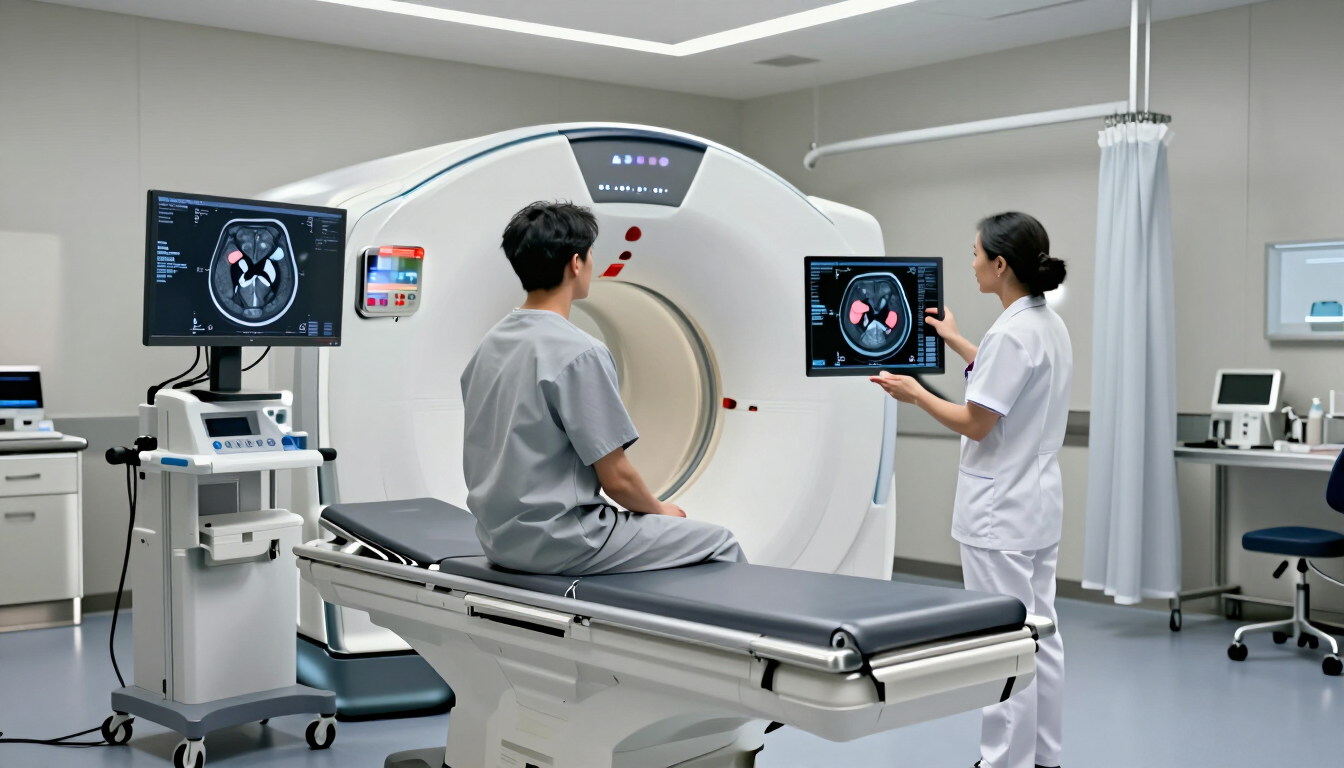
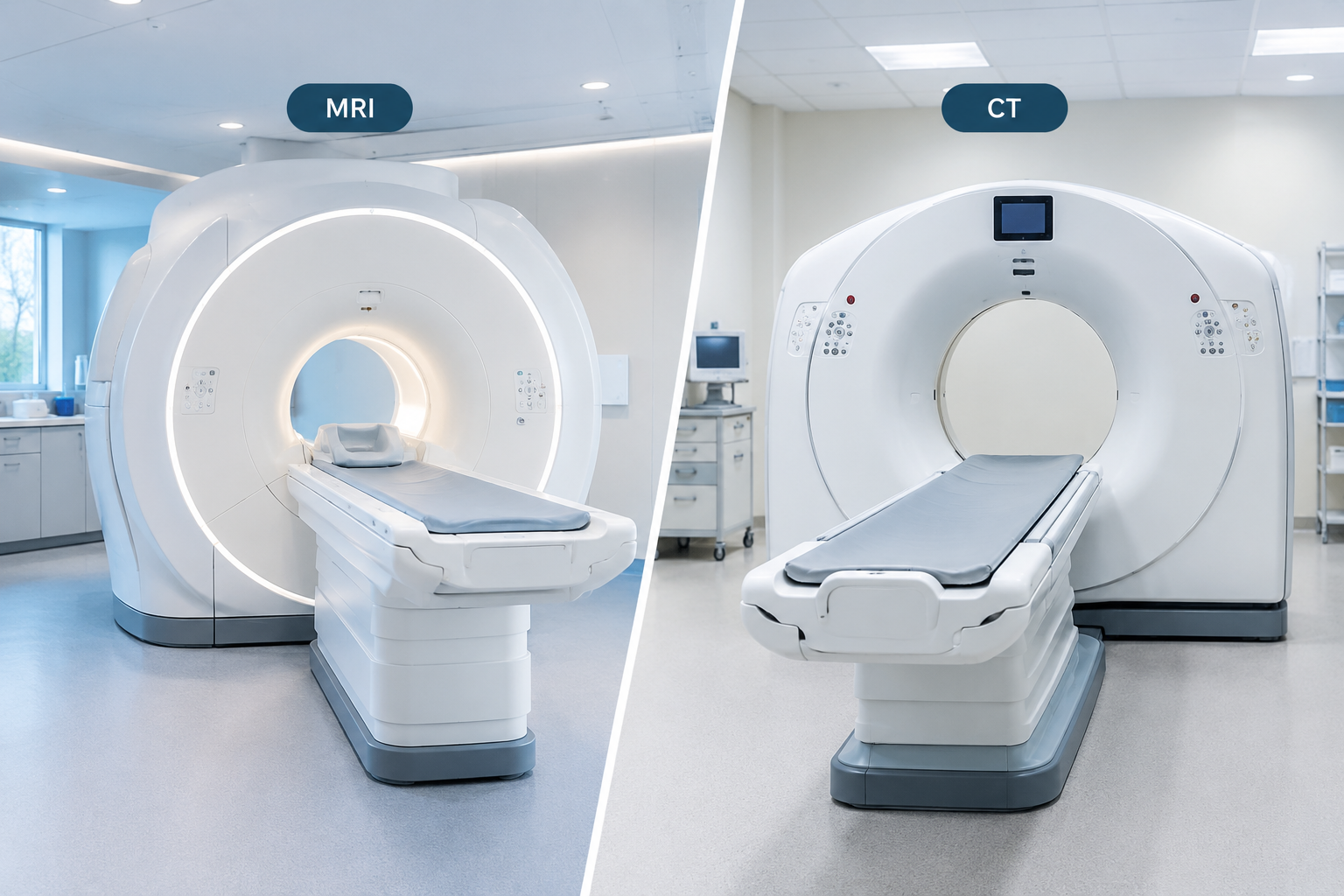
A brain MRI is the gold standard for investigating the internal structures of the head. Unlike a CT scan, which is often used in emergency rooms for quick snapshots of bone or major bleeding, an MRI provides exquisite detail of the soft tissues. This allows radiologists to see the subtle differences between healthy brain matter, inflammation, vascular issues, and growths.
When we talk about the head and brain MRI for treatment, we are looking for specific targets. For instance, an MRI can identify "space-occupying lesions," which is a clinical term for tumors or cysts that may be putting pressure on brain tissue. It can also detect issues with the blood vessels, such as an aneurysm (a bulge in a vessel wall) or an arteriovenous malformation (a tangle of abnormal blood vessels). Identifying these early is the key to preventing catastrophic events like a stroke or hemorrhage.
Beyond just finding a problem, an MRI helps in planning the treatment. If a lesion is found, the MRI shows exactly where it is located relative to critical brain functions like speech, movement, or vision. This information is indispensable for surgeons and neurologists who must decide whether to monitor the situation, use medication, or proceed with a surgical intervention. At MRI Plus, we pride ourselves on providing the clarity needed to make these life-altering decisions.
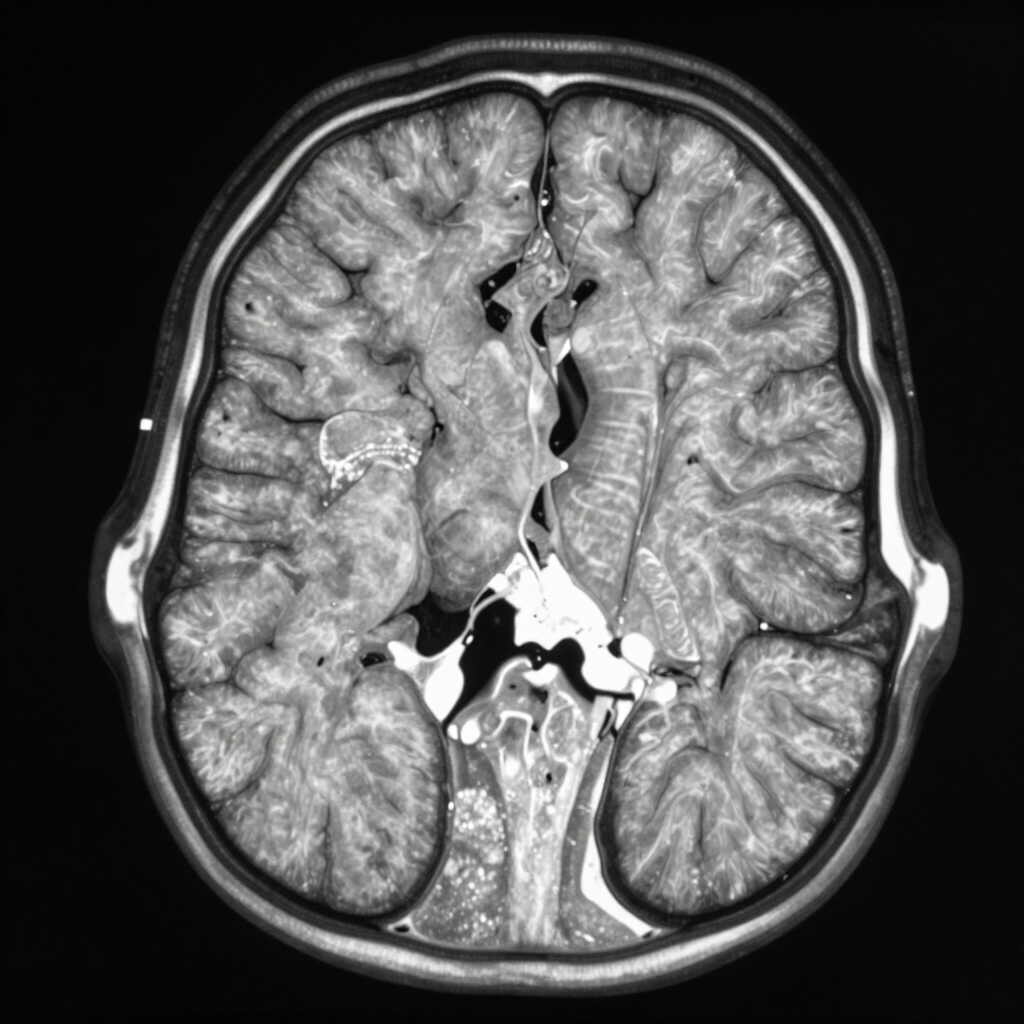
Why sudden onset "thunderclap" headaches require an MRI?
One of the most significant red flags for headaches in an MRI is the "thunderclap" headache. Patients often describe this as the "worst headache of my life." It comes on with incredible speed, often reaching peak intensity in less than a minute. This is not the slow build of a tension headache; it is a sudden, explosive pain that can be debilitating.
- Subarachnoid Hemorrhage: Bleeding in the space around the brain.
- Vascular Dissection: A tear in the wall of a major artery in the neck.
- Venous Sinus Thrombosis: A blood clot in the brain's venous system.
- Pituitary Apoplexy: Bleeding into or loss of blood supply to the pituitary gland.
- Reversible Cerebral Vasoconstriction Syndrome: Sudden narrowing of the brain's blood vessels.
A thunderclap headache is always a medical emergency until proven otherwise. Rapid access to an MRI can be the difference between a successful intervention and long-term neurological damage. Because these conditions involve the vascular system, doctors might also order an MRA (Magnetic Resonance Angiography) to specifically look at the blood flow within the skull.
Neurological Symptoms and Diagnostic Imaging
When a headache is paired with neurological symptoms, it is a major red flag. Neurological symptoms are those that affect the way your body functions or how you perceive the world around you. They indicate that the headache isn't just a general sensation of pain but is actually interfering with the brain's ability to send and receive signals. This is a common reason for a head and brain MRI for treatment pathways to be initiated.
Common neurological red flags include:
- Vision Changes: Double vision, loss of peripheral vision, or sudden blurred vision.
- Weakness or Numbness: Usually occurring on one side of the body.
- Speech Difficulties: Slurring words or struggling to find the right words.
- Seizures: Especially if the patient has no previous history of epilepsy.
- Balance Issues: Difficulty walking or a sudden lack of coordination.
These symptoms often point toward a focal issue within the brain tissue itself. For example, weakness on the left side of the body might suggest a lesion or inflammation on the right side of the brain. An MRI can pinpoint the exact area of concern, allowing for a targeted diagnosis. You can stay updated on the latest diagnostic trends and healthcare insights by visiting our MRI Plus website.
How age and medical history influence MRI results?
Age is a critical factor when evaluating headaches. While children and young adults do get serious headaches, a new type of headache in someone over 50 is a significant red flag for headaches in an MRI. At this stage of life, the risk profile shifts toward conditions like giant cell arteritis an inflammation of the lining of your arteries or various types of late-onset neurological conditions.
Medical history also plays a pivotal role. If a patient has a known history of an autoimmune disorder, HIV/AIDS, or any condition that suppresses the immune system, a new headache is treated with a high level of suspicion. In these cases, the brain is more susceptible to opportunistic infections or rare inflammatory conditions that only an MRI can visualize with the necessary precision. Similarly, for patients with a history of cancer, any new headache must be investigated to rule out secondary tumors (metastases).
Preparing for Your Head and Brain MRI
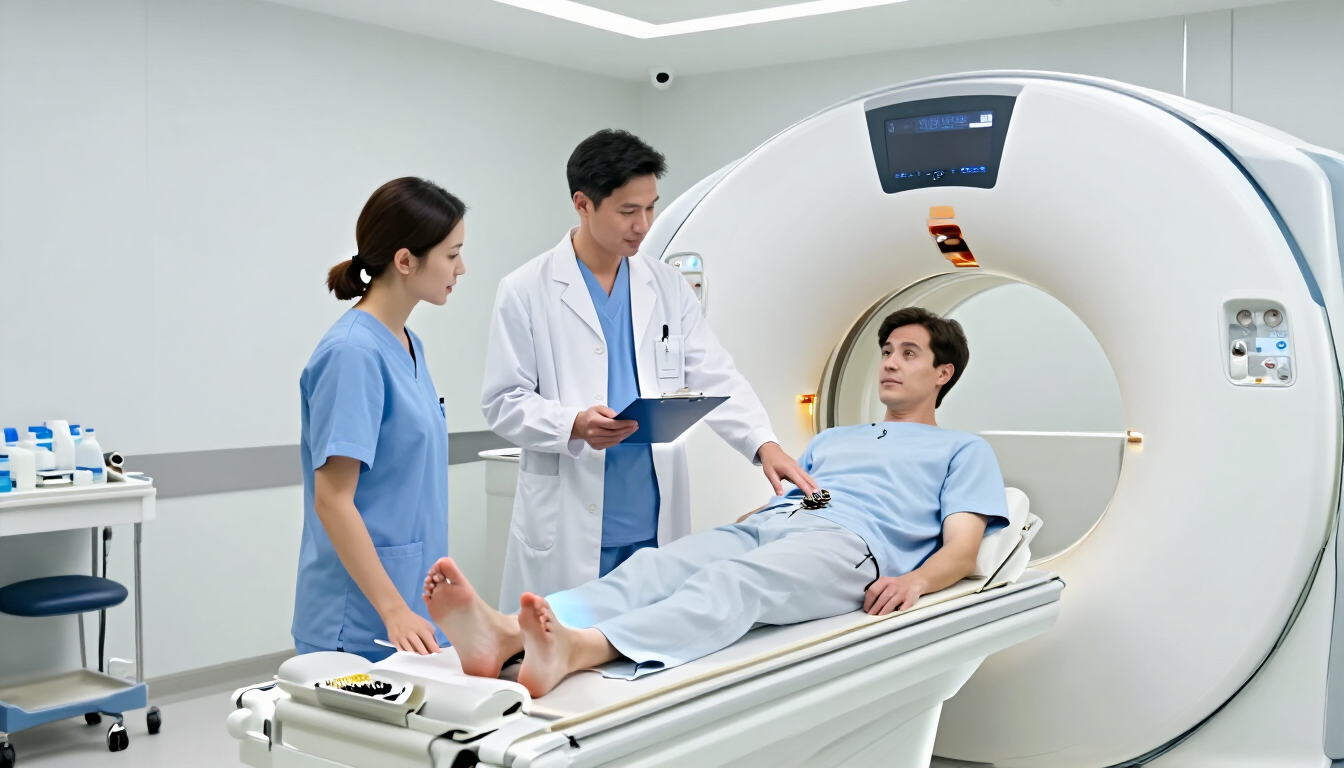
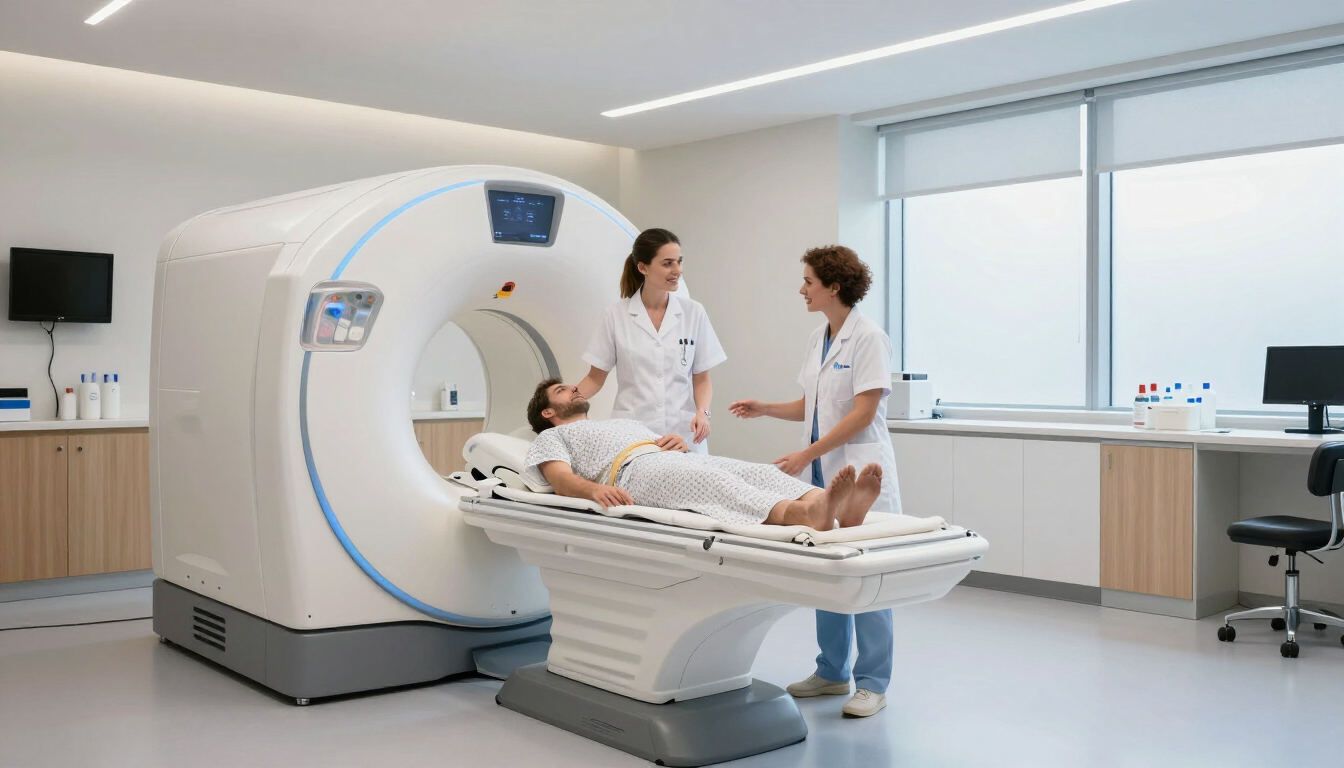
If you or your doctor have identified red flags for headaches in an MRI, the next step is the scan itself. Many people feel a bit nervous about MRI scans, but understanding the process can help alleviate that anxiety. A brain MRI is a non-invasive, painless procedure that typically takes between 20 to 45 minutes, depending on the level of detail required.
When preparing, you should inform the clinic of any metal implants, such as pacemakers or cochlear implants, as the MRI uses powerful magnets. You will be asked to lie still on a comfortable table that slides into the scanner. You will hear some loud clicking and humming noises—this is completely normal and simply the sound of the machine's magnetic coils turning on and off to create the image. At MRI Plus, we ensure our patients are comfortable throughout the process, providing ear protection and a way to communicate with the technician at all times.
Summary: When to Seek an MRI for Your Headache
Recognizing the red flags for headaches in an MRI is the first step toward safeguarding your neurological health. While most headaches are not life-threatening, those that present with sudden onset, neurological deficits, or systemic symptoms require professional evaluation. A brain MRI offers a fast, accurate, and detailed way to rule out serious conditions like brain tumors, hemorrhages, or vascular abnormalities, providing you with the answers you need to move forward with confidence.
Key Takeaways:
- Immediate Action: Seek a scan for "thunderclap" headaches or sudden neurological changes.
- Monitor Patterns: Be wary of headaches that worsen over time or change significantly.
- Age Matters: New headaches in those over 50 should always be investigated.
- High-Resolution Choice: MRI is superior to CT for detecting soft tissue and vascular issues in the brain.
- Peace of Mind: Fast access to diagnostics at MRI Plus reduces waiting times and accelerates treatment planning.
References :
NICE. (2013, August 28). Quality statement 3: Imaging | Headaches in over 12s | Quality standards | NICE. https://www.nice.org.uk/guidance/qs42/chapter/quality-statement-3-imaging
Johns Hopkins Medicine. Headaches: Imaging Appropriateness Criteria. https://www.hopkinsmedicine.org/imaging/provider-information/order-wisely/headache