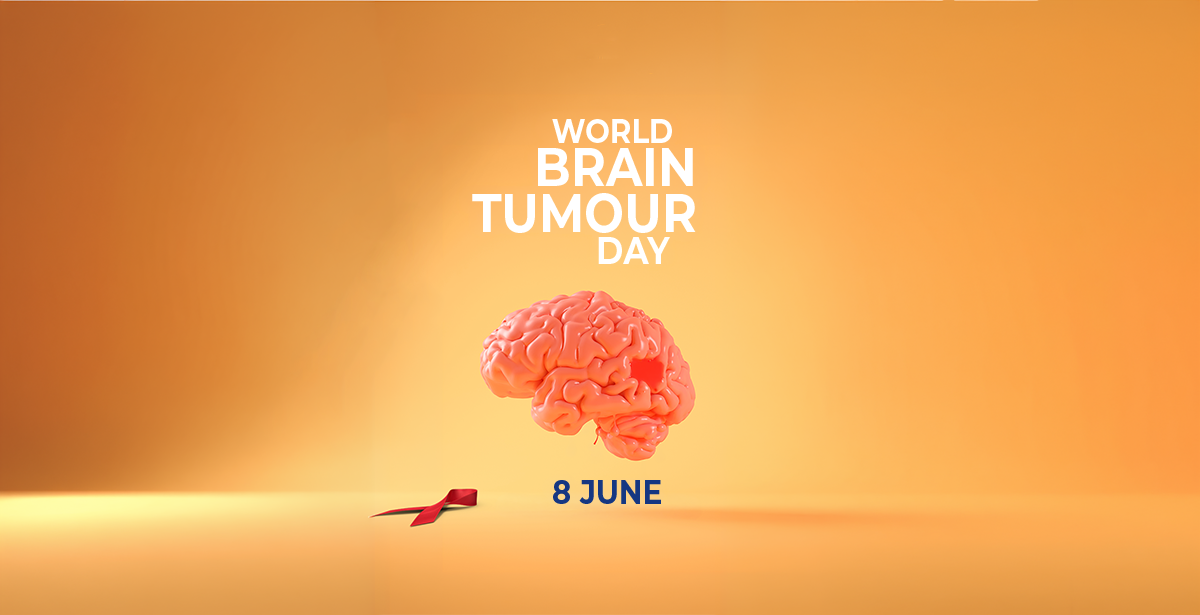
World Brain Tumor Day 2026: A Guide to Brain Health
World Brain Tumor Day 2026, observed on June 8, is a global initiative to raise awareness about brain tumors. It focuses on educating people about early symptoms, the importance of fast diagnostic imaging like MRI scans, and lifestyle habits that promote neurological wellness and tumor prevention.
Why is World Brain Tumor Day 2026 so significant?
Today marks a pivotal moment in our collective health journey. World Brain Tumor Day 2026 isn't just another date on the calendar; it’s a global rallying cry for patients, families, and healthcare providers like us at MRI Plus. Every year, thousands of people are diagnosed with brain tumors, and for many, the journey is filled with uncertainty. This day was originally established to draw attention to a condition that is often misunderstood and, unfortunately, often diagnosed too late.
In 2026, the focus has shifted from mere awareness to actionable intervention. We aren't just talking about the problem anymore; we are talking about the solutions—specifically, how technology and speed can change the narrative. Awareness is the first step toward a cure or a successful management plan. When people understand the risks and the signs, they feel empowered to seek help rather than wait in fear.
Globally, the burden of neurological conditions is rising, but so is our ability to detect them. World Brain Tumor Day 2026 serves as a reminder that brain health is a fundamental part of our overall well-being. It’s a day to celebrate the survivors, honor those we’ve lost, and double down on our commitment to providing the fastest, most accurate diagnostics possible. By shedding light on the complexities of brain tumors, we can reduce the stigma and ensure that no one has to face this diagnosis alone.
What are the early warning signs you shouldn't ignore?
One of the biggest hurdles in treating brain tumors is that the symptoms can often be subtle or easily mistaken for other, less serious issues. However, your body is incredibly good at signaling when something isn't right. Being aware of these "red flags" is essential for early intervention. If you or a loved one experiences any of the following persistently, it is worth consulting a professional.
- Persistent Headaches: Not just a standard tension headache, but ones that are new, change in pattern, or are worse in the morning.
- Seizures: If an adult experiences a seizure for the first time, it is a significant clinical indicator that needs immediate investigation.
- Cognitive Changes: This includes sudden memory loss, confusion, or difficulty finding words that were once easy to recall.
- Vision or Hearing Loss: Blurred vision, double vision, or a loss of peripheral sight can sometimes be traced back to intracranial pressure.
- Motor Skill Issues: Unexplained clumsiness, loss of balance, or weakness in a specific limb or side of the body.
Understanding the different types of brain tumors
It is a common misconception that all brain tumors are cancerous. In reality, tumors are broadly categorized into two main types: benign and malignant. Benign tumors are non-cancerous. While they don't spread to other parts of the body, they can still be dangerous because they occupy space in the skull and can press against sensitive brain tissue.
Malignant tumors, on the other hand, are cancerous. They grow rapidly and can invade surrounding healthy brain tissue. Within these categories, there are over 150 different types of brain tumors, such as gliomas, meningiomas, and pituitary adenomas. Understanding the specific type is crucial because it dictates the treatment path, whether that involves surgery, radiotherapy, or specialized drug therapies. The key to identifying these types accurately is high-resolution imaging, which allows consultants to see the exact location and characteristics of the growth.
Lifestyle habits that support brain health
While not all brain tumors can be prevented—especially those linked to genetic factors—there are several lifestyle choices that can support overall brain health and potentially lower risks associated with environmental factors. Think of your brain as the command center of your body; it deserves the best fuel and protection you can provide.
- Prioritize Quality Sleep: During sleep, the brain flushes out toxins. Chronic sleep deprivation can lead to neurological inflammation.
- Eat Anti-Inflammatory Foods: Focus on omega-3 fatty acids, antioxidants found in berries, and leafy greens to support cell repair.
- Reduce Chemical Exposure: Limit your contact with known carcinogens and environmental toxins whenever possible in your home or workplace.
- Protect Your Head: Preventing traumatic brain injuries (TBIs) through helmets and safety gear is a direct way to avoid long-term brain stress.
- Manage Chronic Stress: High cortisol levels over long periods can negatively impact brain structure and immune response.
How does a fast MRI scan save your life?
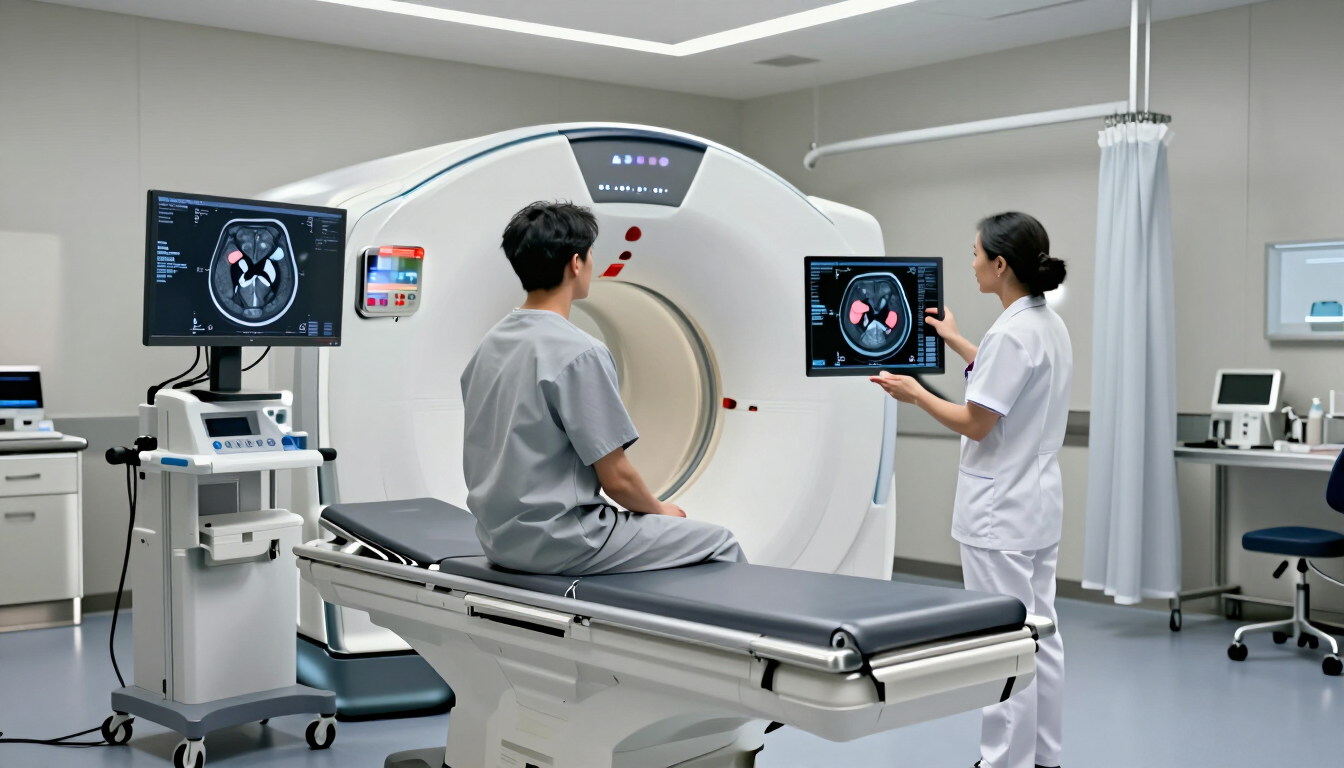
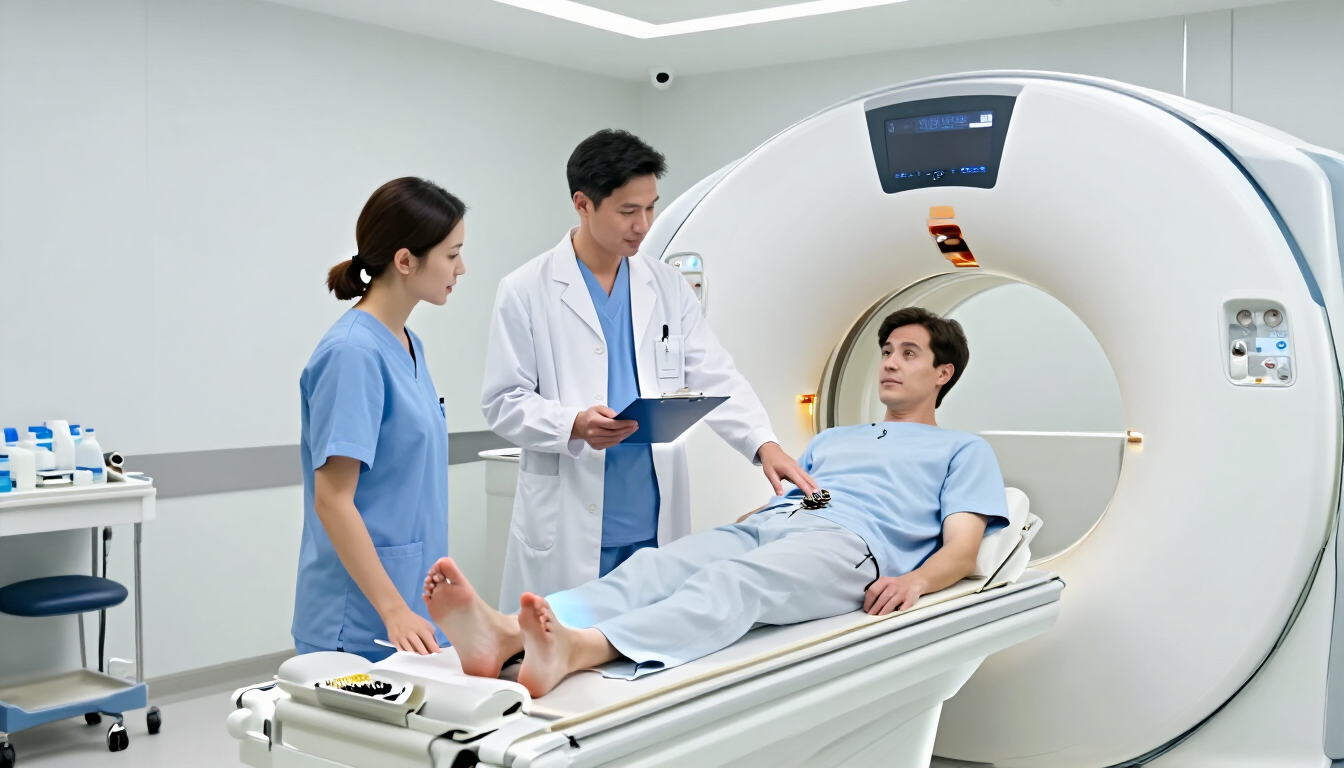
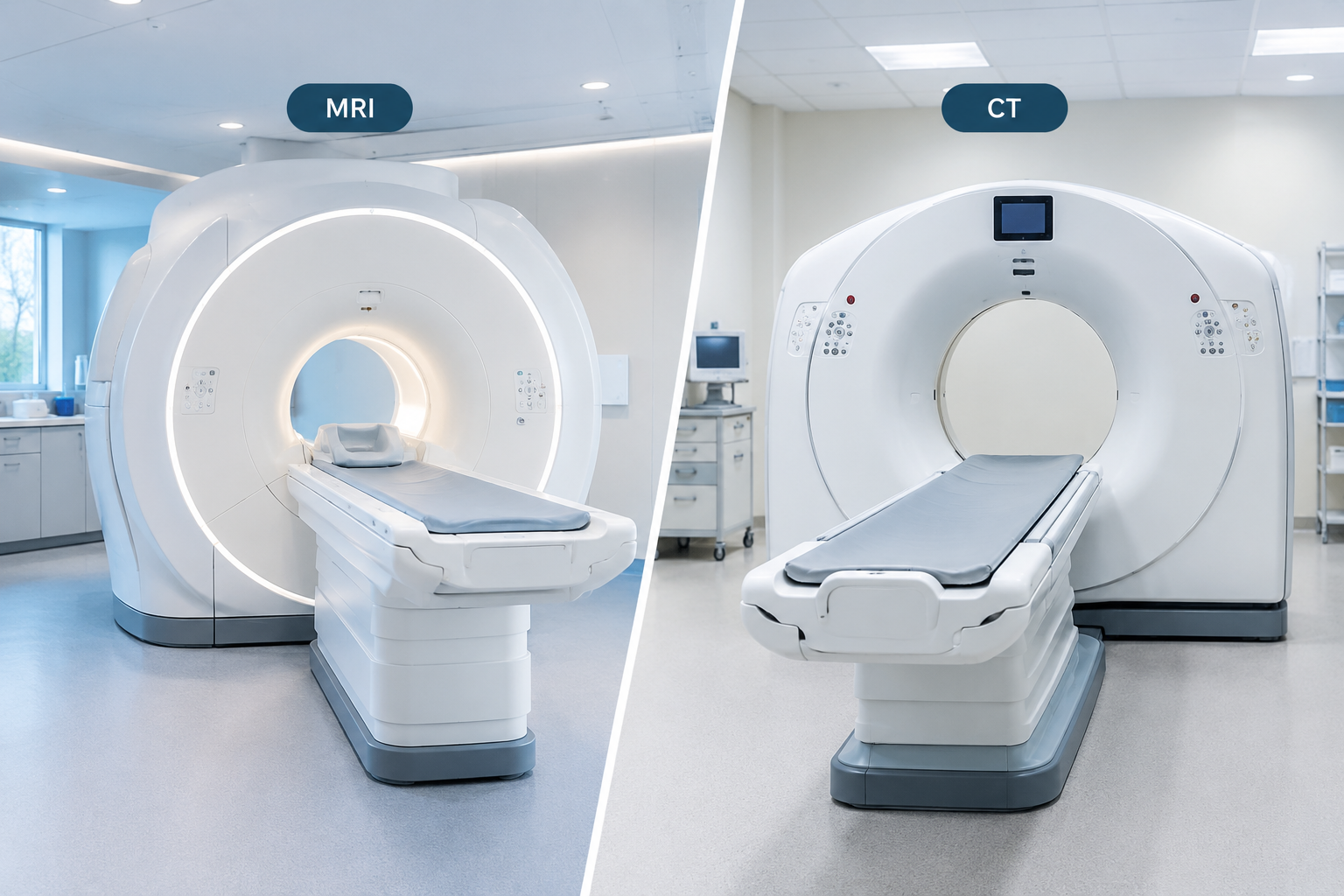
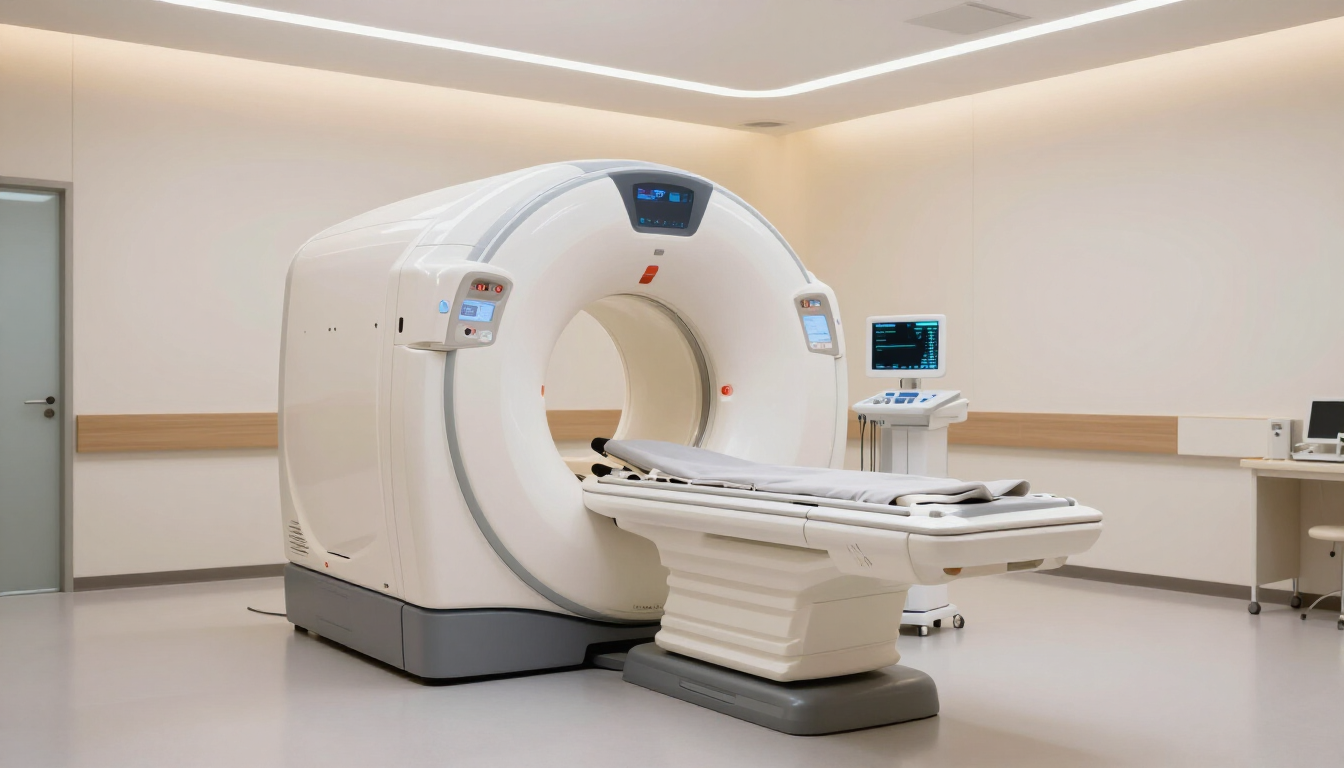
When it comes to the brain, time is the most valuable resource. The phrase "time is brain" is often used in stroke care, but it applies equally to tumor diagnostics. A fast MRI scan is the gold standard for seeing what’s happening inside the cranium without invasive procedures. The primary reason speed matters is that it shortens the "worry window" and allows treatment to begin before symptoms escalate.
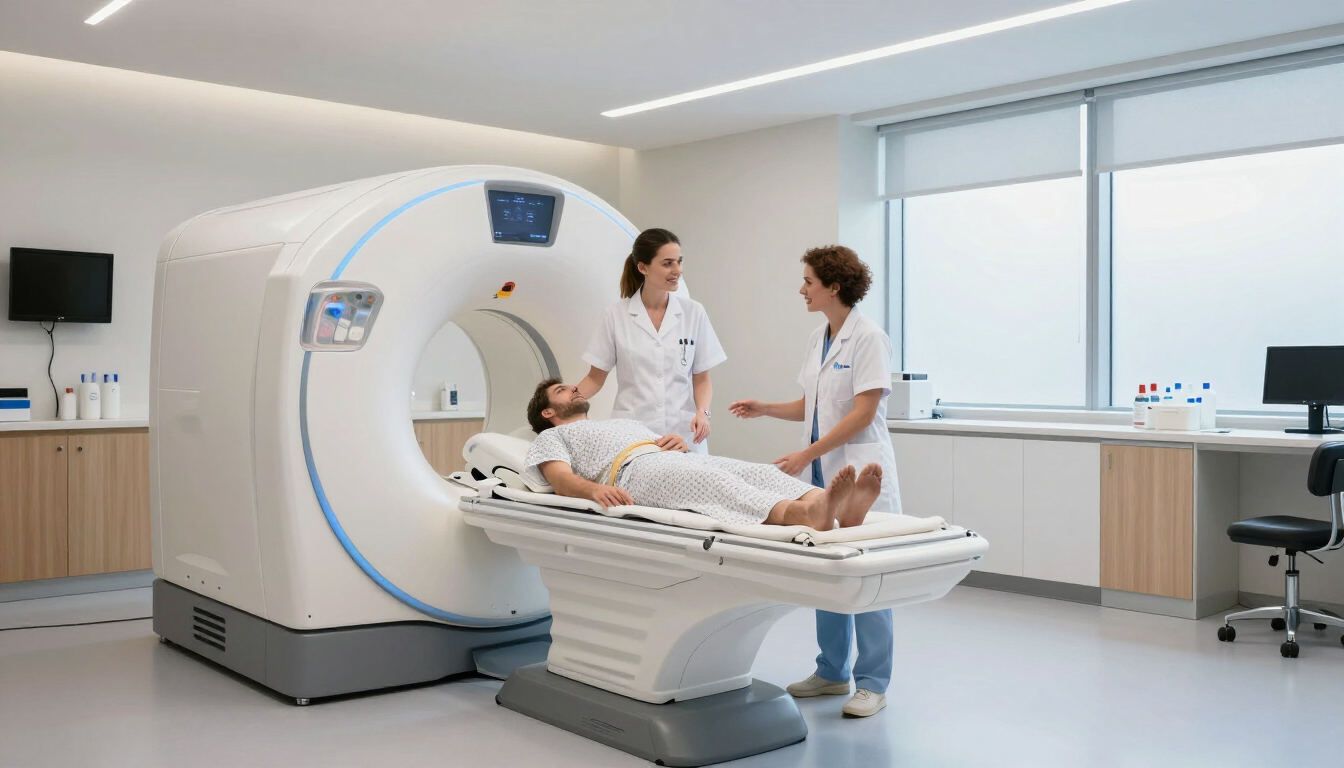
At MRI Plus, we’ve seen firsthand how rapid access to imaging changes lives. In traditional healthcare systems, waiting weeks for a scan and then more weeks for a report can allow a tumor to grow or symptoms to worsen. A private MRI scan removes these roadblocks. By using the latest technology, we can provide high-definition images that help consultants distinguish between a harmless cyst and a tumor that requires urgent action.
Furthermore, the peace of mind that comes with a fast result cannot be overstated. For many patients, the anxiety of not knowing is worse than the diagnosis itself. Once you have the data, you have a plan. Whether the result is clear or requires follow-up, having that information within days—rather than months—is a game-changer for mental health and clinical outcomes. Our commitment to transparency and efficiency means that every patient gets the attention they deserve without the bureaucratic delays.
Why speed is the ultimate weapon against brain issues
In the UK healthcare landscape of 2026, the demand for diagnostics is higher than ever. This has created a gap where patients often find themselves stuck in a queue. However, your health shouldn't have to wait for a vacancy in a schedule. Speed in diagnostics leads to faster referrals to surgeons and oncologists. It means that if surgery is needed, it can be performed while the tumor is at its smallest possible size, which often correlates with a better recovery rate and fewer post-operative complications.
We focus on a patient-centric experience because we know that a medical journey is stressful. By leveraging digital booking systems and streamlined reporting, we ensure that the technical side of the process is the least of your worries. When you choose an efficient diagnostic pathway, you are choosing to prioritize your future. You are taking an active role in your healthcare, ensuring that you have all the facts as quickly as possible.
Summary: Taking Charge of Your Brain and Head Health
World Brain Tumour Day 2026 is a vital reminder that our neurological health is a priority that shouldn't be ignored. Early detection remains the most effective tool we have in the fight against brain tumours. By staying informed about the symptoms—such as persistent headaches, vision changes, or cognitive shifts—and maintaining a brain-healthy lifestyle, you can significantly improve your long-term outcomes. Remember, if you feel something isn't right, trust your instincts and seek a professional opinion. Accessing fast, high-quality diagnostics like a private Brain MRI scan is a proactive step that can provide the clarity and peace of mind you need to move forward with confidence. For more updates on healthcare trends and diagnostic tips, stay tuned to the MRI Plus News section.
Key Takeaways for World Brain Tumor Day 2026:
- Early detection via MRI is the most effective way to improve survival rates.
- Symptoms like new-onset seizures or personality changes require immediate medical attention.
- Brain tumors are not always cancerous, but both benign and malignant types need expert evaluation.
- Speedy access to private diagnostics helps bypass long waiting lists and reduces patient anxiety.
- Maintaining a healthy diet, adequate sleep, and head safety are foundational for neurological wellness.
Reference :
Website, N. (2026, April 17). Brain tumours. nhs.uk. https://www.nhs.uk/conditions/brain-tumours/
Brain Tumour Research. (2025, April 23). Brain Tumour Research | Together we will find a cure. https://braintumourresearch.org/pages/types-of-brain-tumours-glioma
Cancer Research UK. Brain, other CNS and intracranial tumours statistics. Available at: https://www.cancerresearchuk.org