Abdomen MRI Scan: What to Expect
An abdomen MRI scan is a non-invasive medical imaging procedure that uses powerful magnets and radio waves to create highly detailed cross-sectional images of the organs and tissues within your abdominal cavity. It is primarily used to diagnose unexplained pain, evaluate organ function, and detect internal abnormalities.
Why you might need an abdomen MRI scan?
If you have been experiencing persistent, unexplained abdominal pain or if your GP has flagged abnormal results on your liver or kidney function tests, an abdomen MRI scan is often the most effective next step. Unlike X-rays or CT scans, an MRI does not use ionizing radiation, making it a safer choice for many patients while providing superior clarity for soft tissues.
Navigating healthcare concerns can be stressful, especially when you are dealing with discomfort that doesn't have a clear cause. You might be wondering why a blood test wasn't enough or why your doctor wants such a detailed look inside. The truth is that blood tests tell us if something is wrong, like elevated enzymes, but an MRI shows us where and why . At MRI Plus , we believe that fast access to these answers is the cornerstone of better health outcomes and peace of mind.
What organs does an abdominal MRI show?
An abdominal MRI provides a comprehensive view of the major organs located in the middle and upper parts of your torso. It is particularly valued for its ability to distinguish between different types of soft tissue, which is essential for identifying small lesions, cysts, or inflammation that other scans might miss.
Key areas and organs captured during an abdomen MRI scan include:
- The Liver: Used to detect fatty liver disease, cirrhosis, or tumors.
- The Kidneys and Adrenal Glands: To evaluate stones, cysts, or renal function issues.
- The Pancreas and Spleen: Essential for checking for pancreatitis or organ enlargement.
- The Gallbladder and Bile Ducts: Often used to find blockages or gallstones.
- Major Blood Vessels: Including the aorta, to check for aneurysms or blood flow issues.
By providing such a high level of detail, doctors can pinpoint the exact source of trouble, whether it’s a localized infection or a systemic issue affecting multiple organs. For those with abnormal kidney MRI can specifically look at the structural integrity of the renal system to ensure there are no physical obstructions or damage to the delicate filtration tissues.

How long does an MRI of the abdomen take?
A standard abdomen MRI scan typically takes between 20 to 45 minutes . However, the total time you spend at the clinic may be slightly longer to allow for preparation and post-scan checks. The duration depends heavily on the specific questions your clinician needs to answer. For example, if they are looking specifically at the bile ducts (a procedure called an MRCP), the scan might be shorter than a full multi-organ evaluation.
During the scan, you will need to lie very still. The machine takes multiple sets of images, and you may hear loud thumping or clicking noises—this is completely normal and is just the magnets doing their job. Some parts of the scan might require you to hold your breath for 10 to 15 seconds at a time to ensure the images aren't blurred by the movement of your chest and abdomen. If you find it difficult to hold your breath, just let the radiographer know beforehand so they can adjust the sequences to accommodate you.
Preparing for your abdominal imaging appointment
Preparation is key to getting the clearest possible images. When you book your appointment, you will receive specific instructions tailored to your health needs, but there are a few general rules that apply to most abdominal scans. Being well-prepared not only ensures the scan goes smoothly but also helps reduce any pre-appointment anxiety.
Common preparation steps include:
- Fasting: You may be asked not to eat or drink anything for 4 to 6 hours before the scan to ensure your gallbladder and digestive tract are clearly visible.
- Clothing: Wear comfortable, loose-fitting clothes without metal zips, buttons, or underwires.
- Medical History: Disclose any implants, such as pacemakers or joint replacements, as the magnetic field is very strong.
- Hydration: Unless told to fast, staying hydrated can help if a contrast dye (Gadolinium) needs to be administered.
- Anxiety Management: If you are claustrophobic, discuss this with the team early so they can provide support or discuss sedation options.
One of the most important things to remember is to remove all jewelry and piercings. The MRI machine is a giant, powerful magnet, and even small amounts of metal can interfere with the image quality or pose a safety risk. By following these simple steps, you ensure that your session at MRI Plus is efficient and that your results are as accurate as possible.
Does your whole body go in for an abdominal MRI?
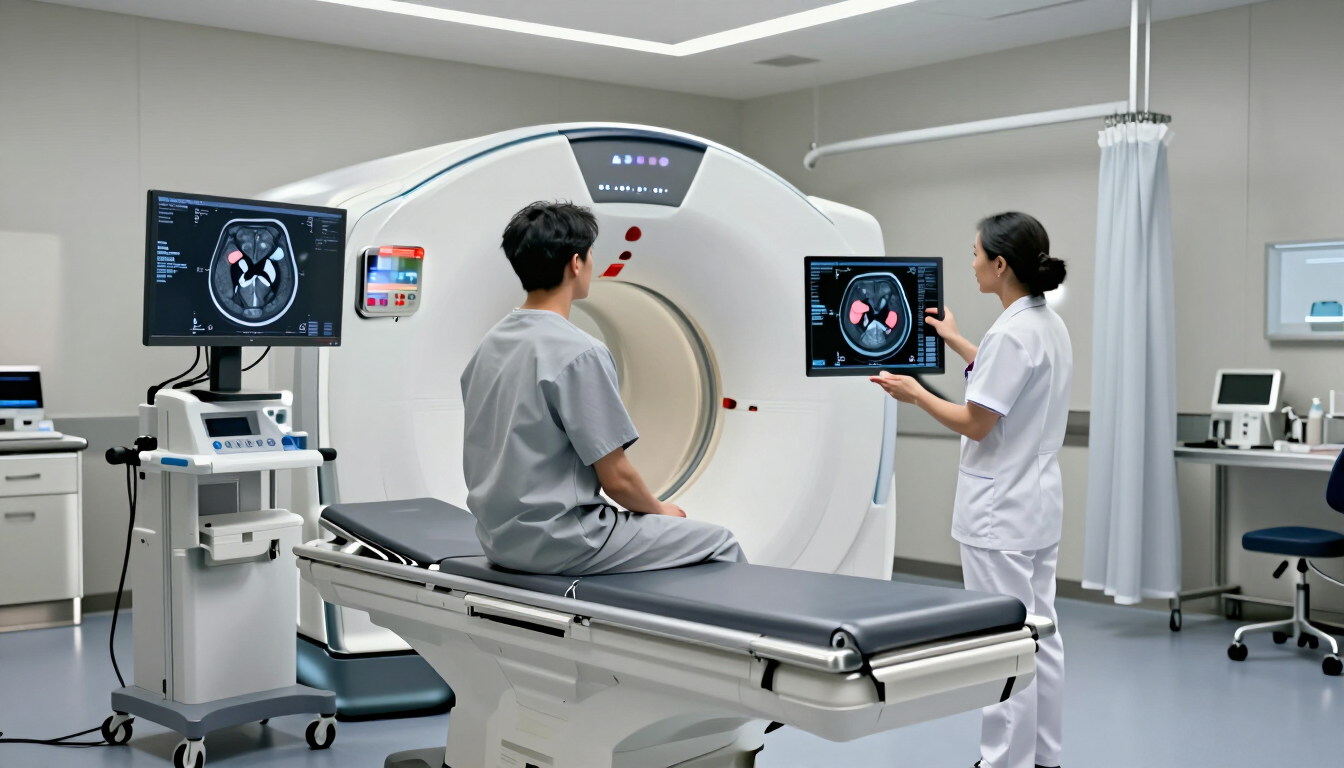
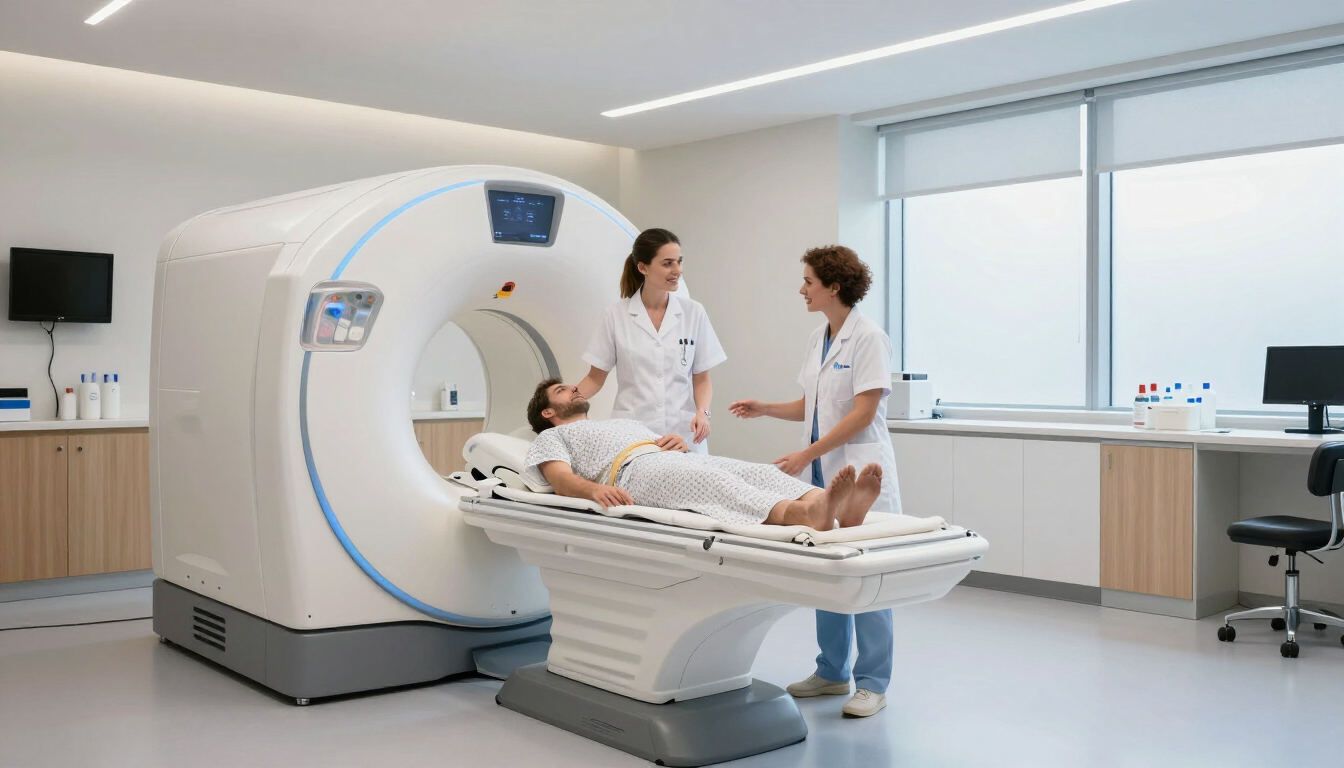
No, your entire body does not usually need to go inside the MRI scanner for an abdominal MRI. During the scan, you will lie on a motorised table that moves into the MRI machine until your abdomen is positioned in the centre of the scanner, where the images are taken. Depending on the type of MRI scanner and your height, your head or feet may remain closer to the opening or outside the scanner. If you're concerned about claustrophobia, let your imaging provider know beforehand, as they can discuss options to help you feel more comfortable during the examination.
Whether your head is inside or outside the scanner depends on your height and the specific model of the MRI machine. In many modern scanners, your head may be near the opening or just inside, but you will never be "trapped." The scanner is open at both ends, and there is constant airflow and lighting to keep you comfortable. You will also be given a call button to hold; if you feel uncomfortable at any point, you can press it, and the radiographer will stop the scan and talk to you immediately.
When to choose an MRI over a CT scan
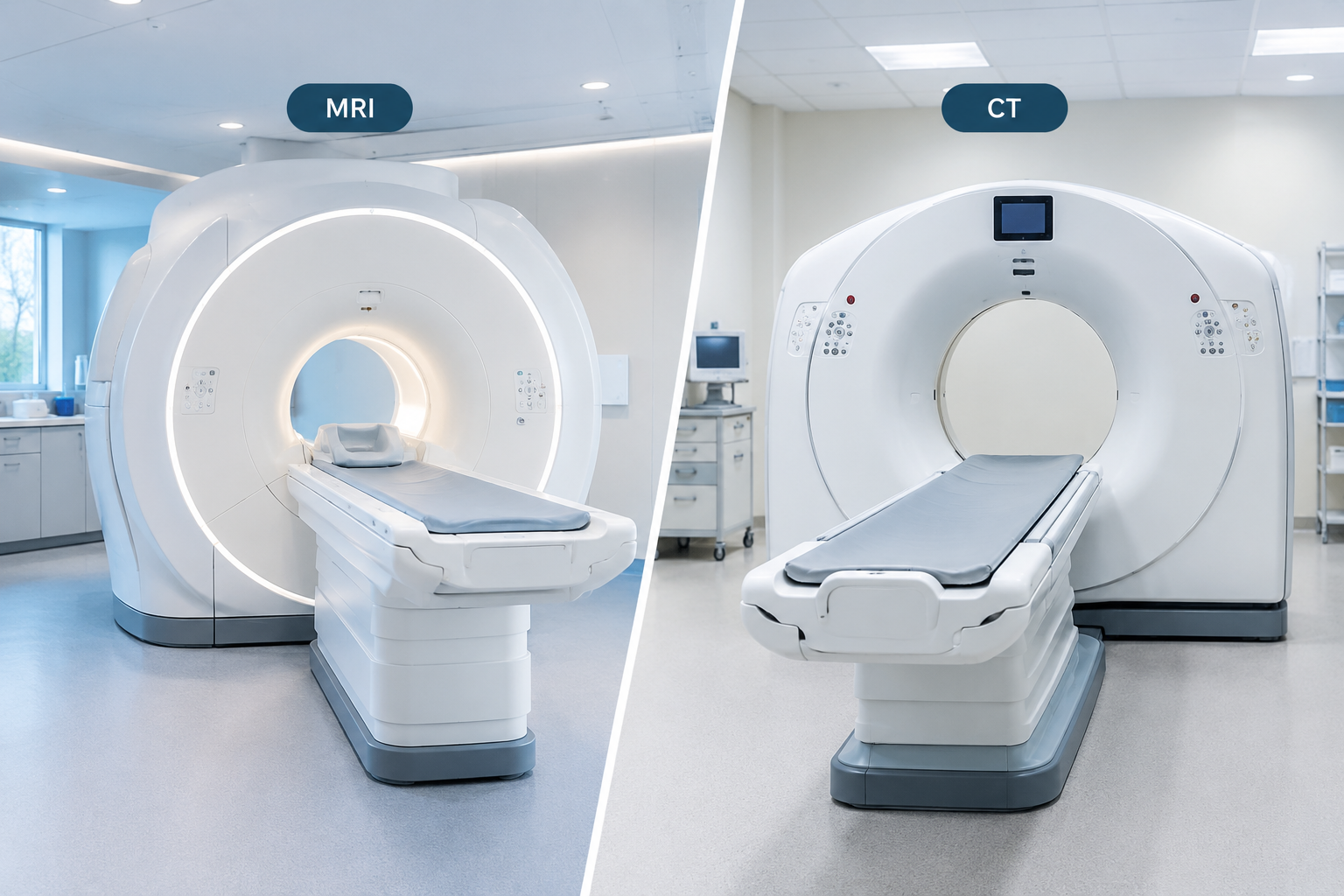
Patients often ask why they are being referred for an MRI instead of a CT scan, which is often faster. While CT scans are excellent for looking at bones and detecting major emergencies, an abdomen MRI scan is often the superior choice for investigating.
Need an Abdomen MRI Scan Without the Long Wait?
If you're experiencing persistent abdominal pain, digestive symptoms, or your healthcare professional has recommended further investigation, an Abdomen MRI scan can provide detailed images of your abdominal organs to support diagnosis and treatment planning.
Why Choose us?
- Private Abdomen MRI Scans from £199
- No GP Referral Required
- Appointments Available Within Days
- Consultant Radiologist Reports
- Fast & Secure Online Booking
Don't let uncertainty delay your next step. Get fast access to high-quality diagnostic imaging with MRI Plus.
References :
Website, N. (2026, June 8). MRI scan. nhs.uk. https://www.nhs.uk/tests-and-treatments/mri-scan/
Radiological Society of North America (RSNA) and American College of Radiology (ACR). (n.d.). Abdominal and pelvic MRI. Radiologyinfo.org. https://www.radiologyinfo.org/en/info/mri-abdomen-pelvis
University College London Hospitals NHS Foundation Trust (UCLH). Contrast Agents for MRI Examinations.
https://www.uclh.nhs.uk/patients-and-visitors/patient-information-pages/contrast-agents-mri-examinations
Abdomen MRI Scan from £199 | MRI Plus. (n.d.). https://mriplus.co.uk/body-parts/abdomen-mri-scan