What to Expect During a Neck MRI
A neck MRI (cervical spine MRI) is a non-invasive diagnostic test that uses powerful magnetic fields and radio waves to create detailed images of the soft tissues, nerves, and vertebrae in your neck. The procedure typically lasts 20 to 45 minutes and is used to identify pain causes.
What is a neck MRI and why is it performed?
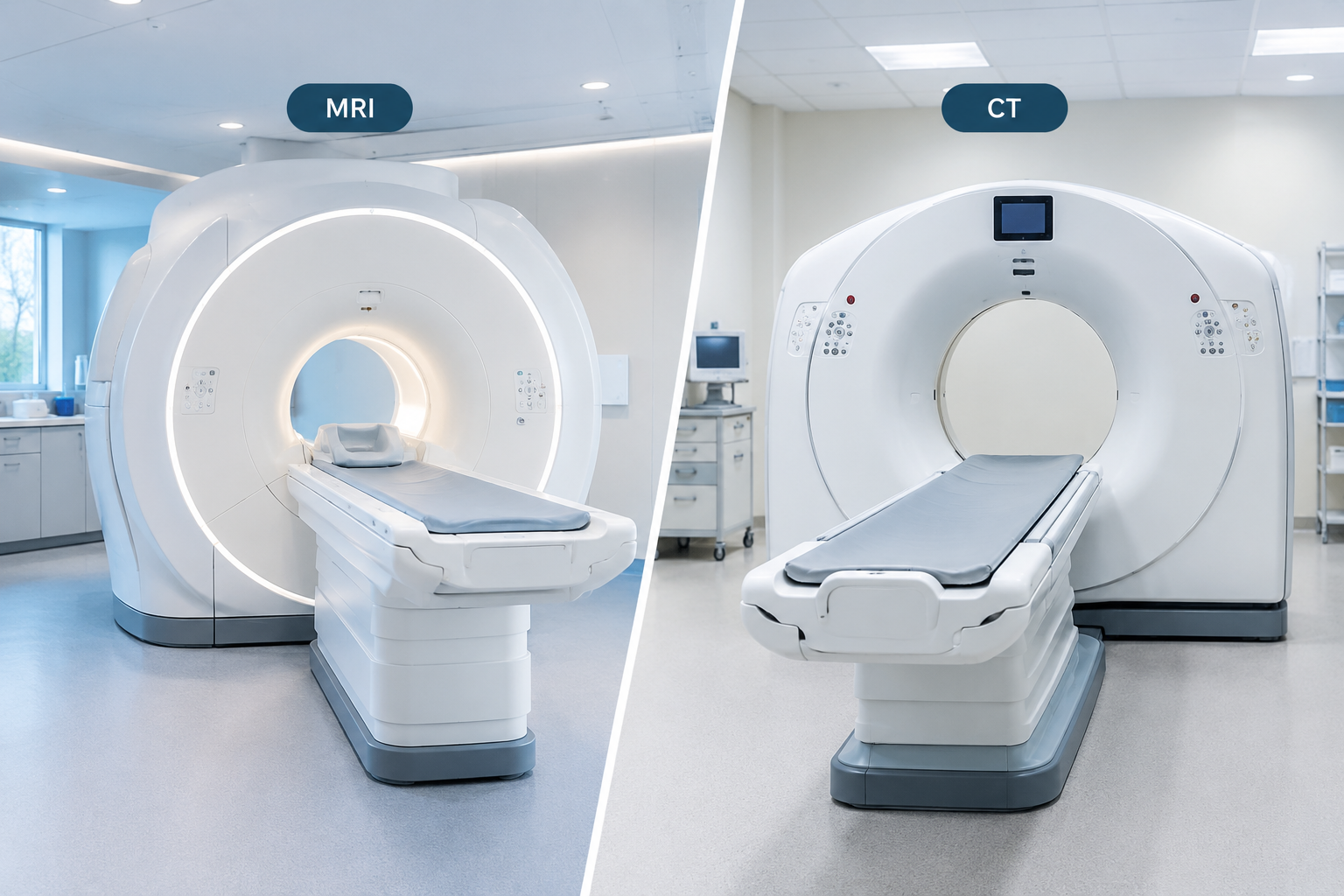
A neck MRI medically referred to as a cervical spine MRI, is one of the most sophisticated diagnostic tools available in modern medicine. Unlike X-rays or CT scans, which rely on ionizing radiation, an MRI uses magnetism. This makes it particularly effective for looking at the "soft" parts of your neck—the things that usually cause chronic pain, such as the spinal cord, the intervertebral discs, and the intricate network of nerves that travel from your brain down into your arms.
Doctors typically recommend this scan when patients experience persistent symptoms that haven't responded to initial treatments like physical therapy or rest. If you have been suffering from neck pain for more than six weeks, or if you have noticed "radicular" symptoms—which is a fancy way of saying pain, tingling, or weakness that shoots down into your shoulders or hands—a Neck MRI is the logical next step. It allows clinicians to see exactly what is happening inside the cervical spine, which consists of the first seven vertebrae (C1 through C7).
Beyond just mechanical issues like wear and tear, this scan is vital for investigating more serious concerns. It can detect inflammation, infections in the bone or soft tissue, and even demyelinating diseases like Multiple Sclerosis. Because the neck is such a critical conduit for the central nervous system, getting a clear picture is essential for preventing long-term nerve damage. For the latest updates on diagnostic technology, you can book an online appointment at MRIPlus.
What to expect during a neck MRI procedure
When you arrive for your appointment, the first thing you will notice is that the environment is very controlled. Because the MRI machine is essentially a giant, powerful magnet, you will be asked to remove all metal objects. This includes jewellery, watches, piercings, and even certain types of clothing that might have metal zips or underwires. Most clinics will provide you with a gown to wear to ensure there is no interference with the magnetic field.
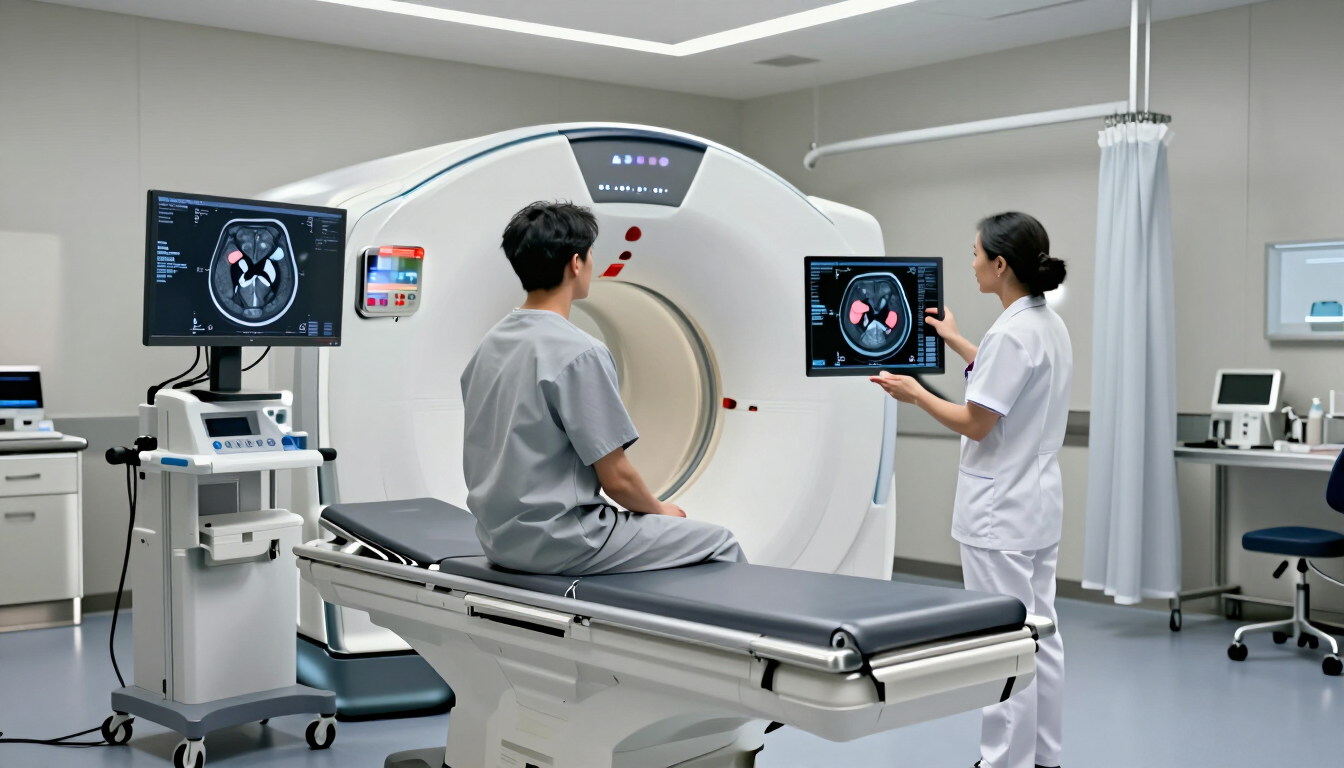
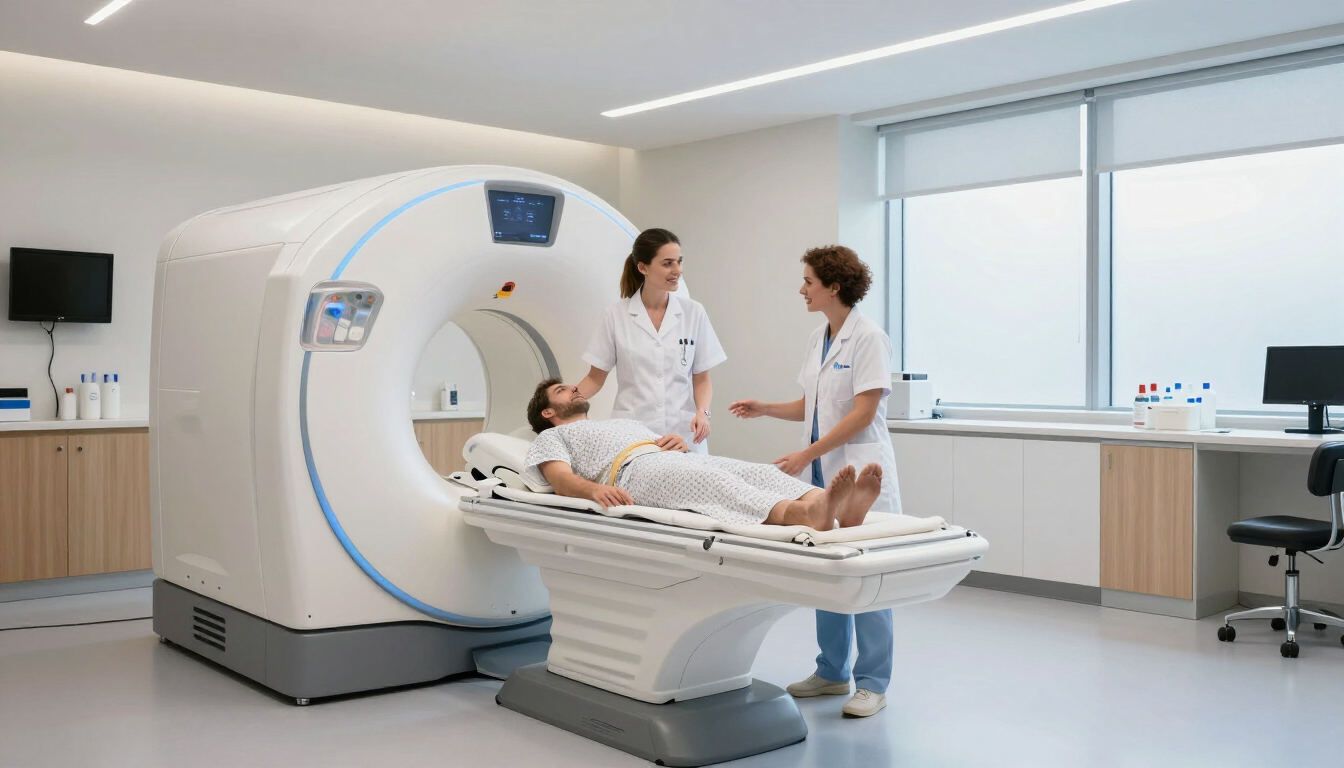
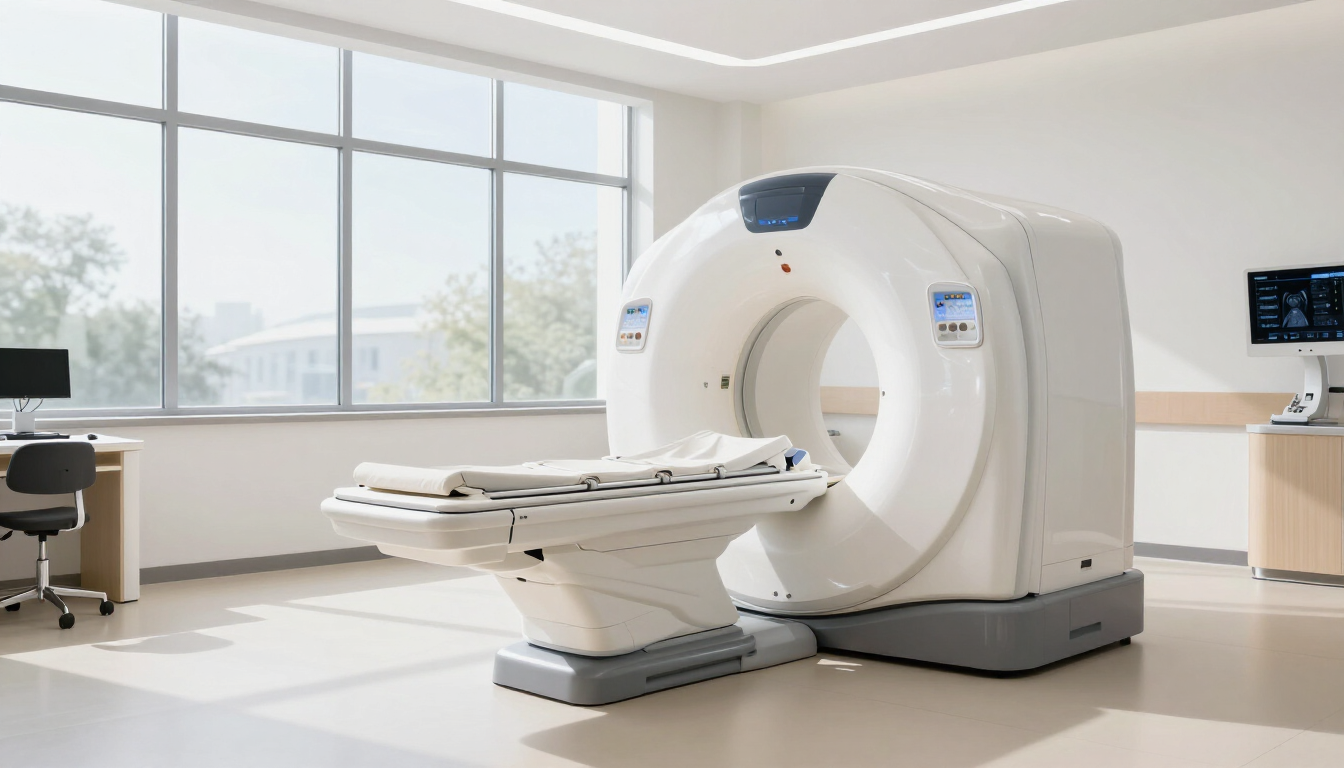
Once you are ready, you will be led into the scanning room. The machine itself looks like a large tube with a table that slides in and out. For a Neck MRI, you will lie flat on your back on this padded table. To get the highest quality images, a special device called a "coil" will be placed around or near your head and neck. This acts like an antenna to help the machine capture the radio signals coming from your body.
During the scan, the most important thing you can do is stay perfectly still. Even small movements can cause the images to become blurry, much like a photograph taken with a shaky hand. You will hear a series of loud thumping, clicking, or whirring noises. This is completely normal—it is just the magnetic coils shifting as they create the image slices. You will be given earplugs or headphones to help dampen the sound, and you can usually communicate with the radiographer through an intercom system throughout the entire process.
How long does a neck MRI scan take?
One of the most common questions patients ask is about the time commitment. Generally, a standard Neck MRI scan takes between 20 and 45 minutes of actual scanning time. However, you should plan to be at the clinic for at least an hour to account for registration, changing clothes, and the pre-scan safety screening. The duration can vary based on a few specific factors related to your clinical needs:
- The number of sequences required by the consultant radiologist.
- Whether or not a contrast dye is needed for better visualization.
- How still the patient is able to remain during the scan.
- The specific technical capabilities of the MRI machine (Tesla strength).
- Whether multiple areas of the spine are being scanned simultaneously.
If your doctor has requested a scan "with contrast," the procedure will take slightly longer. This involves the injection of a gadolinium-based dye into a vein in your arm halfway through the scan. This dye highlights areas of inflammation or abnormal blood flow, which is particularly useful for looking at tumors or post-operative changes. If contrast is used, the radiographer will perform a set of scans without the dye first, then perform a second set after the injection, effectively doubling some parts of the process.
Will a neck MRI show cancer?
Yes, a Neck MRI is an exceptionally powerful tool for detecting tumors, both benign (non-cancerous) and malignant (cancerous). While an MRI alone cannot always provide a definitive pathological diagnosis—that often requires a biopsy—it is the best way to see the size, location, and spread of a mass. It can differentiate between a simple cyst, a herniated disc, and a suspicious growth that might be pressing on the spinal cord.
In the context of cancer, the scan looks for several indicators:
- Abnormal masses within the soft tissues or lymph nodes.
- Lesions or suspicious changes in the bone marrow of the vertebrae.
- Primary tumors originating in the spinal cord or nerve sheaths.
- Metastatic spread from other parts of the body (like breast or lung cancer).
- Infiltration of the surrounding muscles or blood vessels.
Because the MRI provides such high-contrast images of soft tissue, it can often spot abnormalities long before they would show up on a standard X-ray. If something suspicious is found, the radiologist will provide a detailed report that helps your consultant decide on the next steps, which might include further blood tests, specialized PET-CT scans, or a referral to an oncologist. Early detection is the primary goal, and the Neck MRI is the frontline defense in achieving that.

The Cost of a Private Neck MRI
In the UK, many patients choose to go private for their diagnostic imaging to avoid the long waiting lists often found in the public healthcare system. The cost of a private Neck MRI can vary significantly depending on the location of the clinic, the expertise of the reporting radiologist, and the type of machine used. On average, you can expect to pay anywhere from £199 to £600 for a single area scan. At MRI Plus, the focus is on providing transparent pricing so that patients aren't met with unexpected fees after their procedure.
Choosing a private provider often means you get your results much faster. In many cases, an appointment can be secured within a few days, and the final report from the consultant radiologist is typically delivered to you or your GP within 24 to 48 hours. For someone living with debilitating neck pain or the anxiety of a potential neurological issue, this speed is invaluable. It allows for a faster transition from "worrying about the problem" to "starting the treatment."
Is the MRI scan noisy or uncomfortable?
It is no secret that MRI machines are noisy. The sound is often described as a loud rhythmic tapping or a buzzing jackhammer. While this can be startling at first, it is a sign that the machine is working correctly. Most modern facilities provide high-quality noise-canceling headphones, and some even allow you to listen to music or a podcast during the scan to help pass the time and distract you from the environment.
For patients who suffer from claustrophobia, the idea of being inside a tube can be daunting. However, it is important to remember that for a Neck MRI, your head is near the opening of the bore, and the tube is open at both ends. Many clinics also offer "wide-bore" MRI machines which provide more physical space and help reduce the feeling of confinement. If you are particularly anxious, you can speak to your doctor beforehand about a mild sedative, or simply ask the radiographer to talk to you between sequences so you feel less isolated.
Preparing for your cervical spine scan
Preparation for a Neck MRI is relatively simple compared to other medical procedures. In most cases, you do not need to fast and can continue taking your regular medications. However, there are a few essential rules to follow to ensure the safety and accuracy of the scan. These steps help the clinical team provide the best possible experience:
- Disclose any metal implants, such as pacemakers or cochlear implants.
- Avoid wearing heavy makeup, as some products contain metallic particles.
- Inform the staff if you have any kidney issues (if contrast is required).
- Bring any previous imaging results or reports for comparison.
- Wear comfortable, loose-fitting clothing without metal fasteners.
Key takeaways for your upcoming MRI
Undergoing a diagnostic scan can feel overwhelming, but understanding the process goes a long way in reducing anxiety. A Neck MRI is a safe, painless and highly effective way to get to the bottom of persistent pain or neurological symptoms. By providing high-resolution images of your cervical spine, it empowers your healthcare team to create a targeted treatment plan tailored to your specific needs. Whether you are checking for a herniated disc or ruling out more serious conditions, the speed and accuracy of a private scan at MRI Plus can provide the peace of mind you deserve.
- The scan is non-invasive and uses no radiation.
- Total appointment time is usually around one hour.
- It is the best method for detecting tumors and nerve issues.
- Private scans offer faster results and transparent pricing.
- Staying still is the most important part of the procedure.
References :
Medicines and Healthcare products Regulatory Agency. (2022, April 4). Magnetic resonance imaging equipment in clinical use: safety guidelines. GOV.UK. https://www.gov.uk/government/publications/safety-guidelines-for-magnetic-resonance-imaging-equipment-in-clinical-use
Neck MRI Scan from £199 | MRI Plus. (n.d.). https://mriplus.co.uk/body-parts/neck
Preview. (n.d.-b). Cervical Pain