Liver Pain: Symptoms, Causes, and How a Liver MRI Helps
Liver pain is generally felt in the upper right side of the abdomen, just below the ribs. It often presents as a dull, persistent ache or a sharp, stabbing sensation. Common causes include fatty liver disease (MASLD), cirrhosis, and hepatitis, which require diagnostic imaging like an MRI for accurate assessment.
Where exactly is liver pain felt?
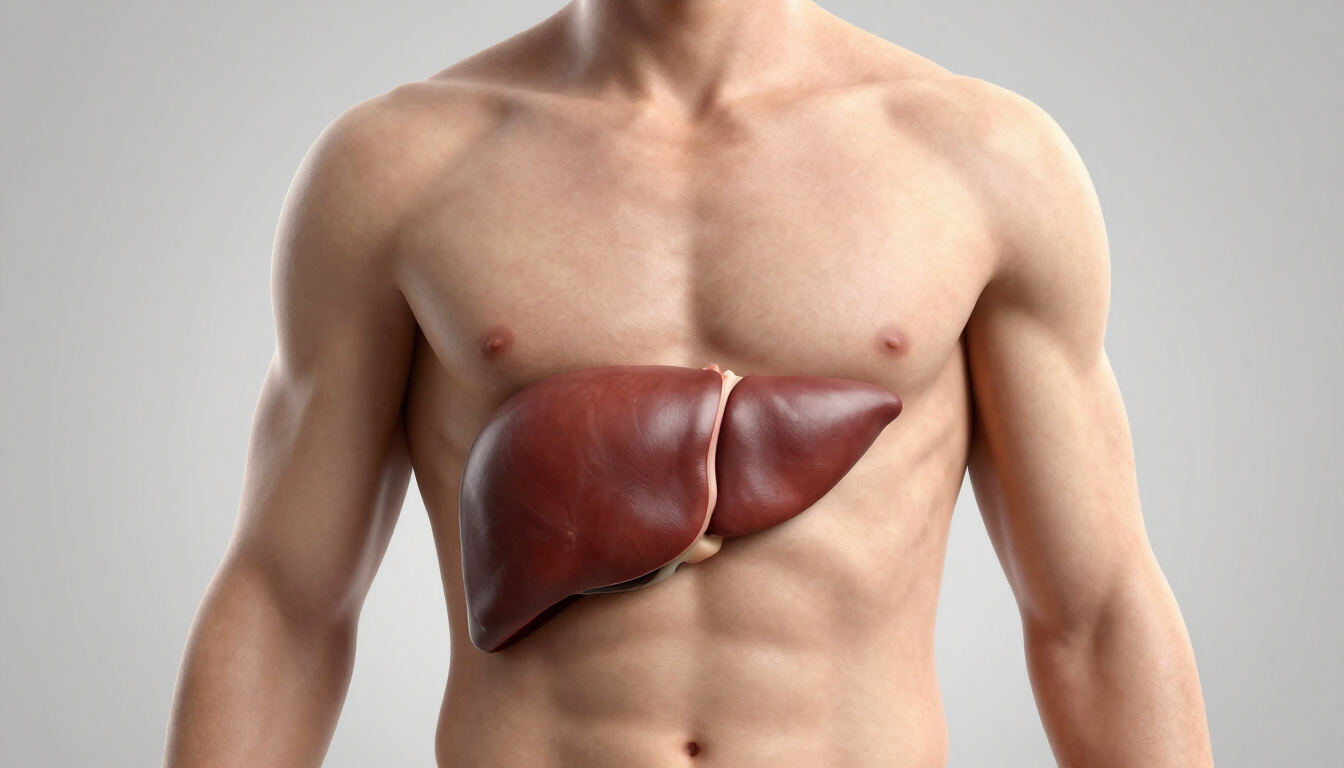
If you have ever felt a nagging discomfort or a sudden twinge in your upper belly, you might have wondered if it was your liver. Most people find that liver pain originates in the upper right quadrant of the abdominal cavity. Because the liver is a large organ—roughly the size of a football—it sits tucked safely behind the lower right ribcage. However, when it becomes inflamed or enlarged, it can press against the sensitive capsule surrounding it, known as Glisson’s capsule.
Interestingly, the liver itself doesn't have many pain-sensing nerves. The "pain" we feel is usually the result of the liver swelling and stretching that outer capsule, or it could be inflammation affecting nearby tissues like the gallbladder or the diaphragm. Some people even experience "referred pain" in their right shoulder blade or neck, which can make diagnosing the root cause a bit tricky without a professional MRI Plus update or a clinical consultation.
What does liver pain feel like?
Describing liver pain is often difficult because it varies so much from person to person. For some, it is a chronic, heavy sensation that makes sitting or bending over uncomfortable. For others, it is a sharp, localized pain that comes and goes.
Common descriptions of liver-related discomfort include:
- A dull, throbbing ache in the upper right abdomen.
- A sense of fullness or pressure under the ribs.
- Sharp pains that worsen with deep breaths.
- Radiating discomfort toward the back or right shoulder.
- Tenderness when the area is pressed or touched.
If you are experiencing these sensations alongside other symptoms like jaundice (yellowing of the eyes and skin), dark urine, or extreme fatigue, it is a clear signal that your body needs a closer look. While many abdominal issues can mimic liver pain—such as indigestion or gallstones—consistent discomfort in this specific area should never be ignored.
Common causes of liver discomfort
Understanding why your liver might be hurting is the first step toward getting the right treatment. There are several conditions that can lead to inflammation and pain, ranging from lifestyle-related issues to viral infections.
One of the most frequent culprits in the modern world is Metabolic Dysfunction-Associated Steatotic Liver Disease (MASLD), formerly known as non-alcoholic fatty liver disease. This occurs when excess fat is stored in liver cells, leading to swelling. If left unchecked, this fat can cause scarring, a process known as fibrosis, which eventually leads to cirrhosis.
Other significant causes include:
- Alcohol-related liver disease: Frequent or heavy alcohol consumption causes the liver to work overtime, leading to inflammation and cellular damage.
- Viral Hepatitis: Strains like Hepatitis A, B, and C can cause acute or chronic liver inflammation.
- Cirrhosis: The late stage of scarring where healthy liver tissue is replaced by scar tissue, permanently affecting function.
- Liver Cysts or Tumors: While often benign, growths can cause pain by stretching the liver’s outer membrane.
- Autoimmune Hepatitis: A condition where the body’s immune system mistakenly attacks liver cells.
Who is most at risk for liver disease?
While anyone can develop liver issues, certain lifestyle factors and health conditions significantly increase the odds. At MRI Plus, we often see patients who are proactive about their health because they know they fall into a high-risk category. Identifying these risks early allows for faster intervention and better long-term outcomes.
Key risk factors include:
- Individuals with obesity or a high Body Mass Index (BMI).
- People with Type 2 diabetes or insulin resistance.
- Those with a history of heavy alcohol consumption.
- Individuals with high cholesterol or metabolic syndrome.
- People exposed to certain toxins or shared needles (hepatitis risk).
If you fall into any of these categories and have started to notice even mild abdominal discomfort, it is worth exploring a diagnostic pathway. Waiting for symptoms to become severe often means the liver has already sustained significant damage. Because the liver is incredibly resilient and can regenerate, catching issues in the early stages of fibrosis is the goal for most specialists.
How can an MRI help diagnose liver issues?
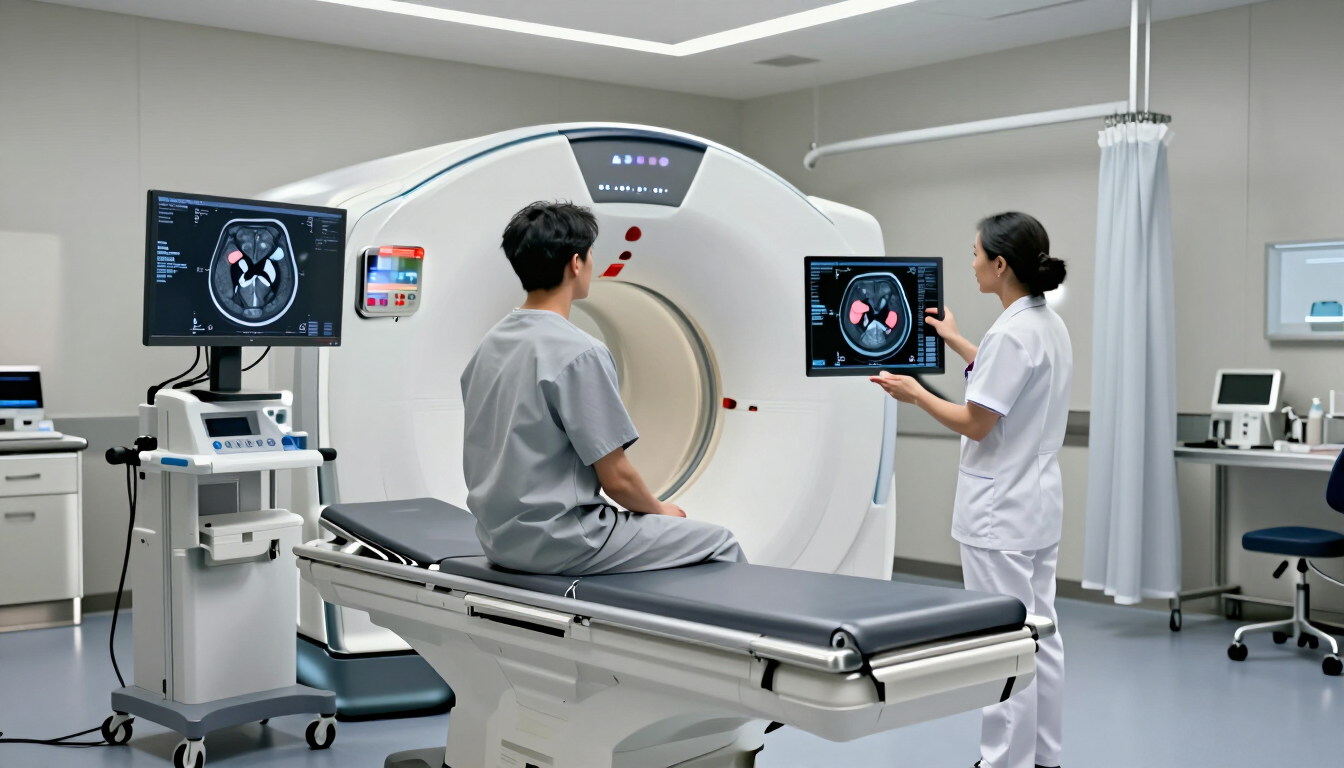
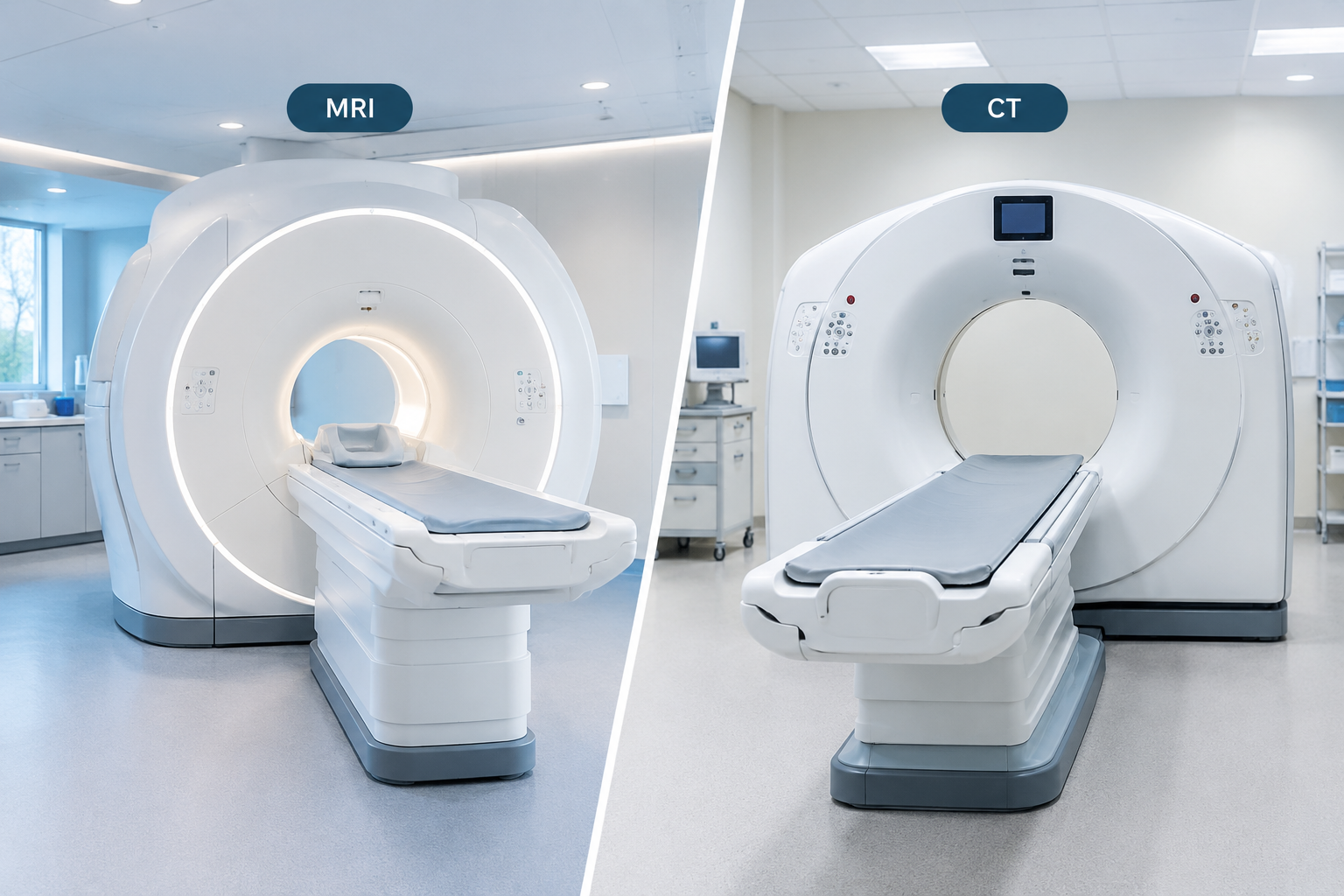
When it comes to seeing exactly what is happening inside your abdomen, a Magnetic Resonance Imaging (MRI) scan is one of the most powerful tools available. Unlike X-rays or CT scans, an MRI uses strong magnetic fields and radio waves to create highly detailed images of soft tissues. This makes it exceptionally good at distinguishing between fat, scar tissue, and healthy liver cells.
At MRI Plus, we use advanced technology to provide clear, high-resolution images that help consultants see:
- The exact amount of fat deposition in the liver (Steatosis).
- The presence and extent of scar tissue (Fibrosis).
- Any unusual growths, cysts, or lesions.
- The health of the surrounding bile ducts and gallbladder.
- Blood flow through the hepatic veins and arteries.
One of the biggest advantages of an MRI is that it is non-invasive and does not use ionizing radiation. For patients who need regular monitoring—such as those managing chronic MASLD or cirrhosis—this makes it a safer long-term option than repeated CT scans. It provides a level of detail that a standard ultrasound often cannot match, giving you and your doctor a much more definitive answer.
What should I expect during a liver MRI?
If you have never had an MRI before, you might feel a little nervous. However, the process is straightforward and entirely painless. At MRI Plus, we focus on making the experience as smooth and stress-free as possible, ensuring you feel supported from the moment you walk through our doors in London or Leigh on Sea.
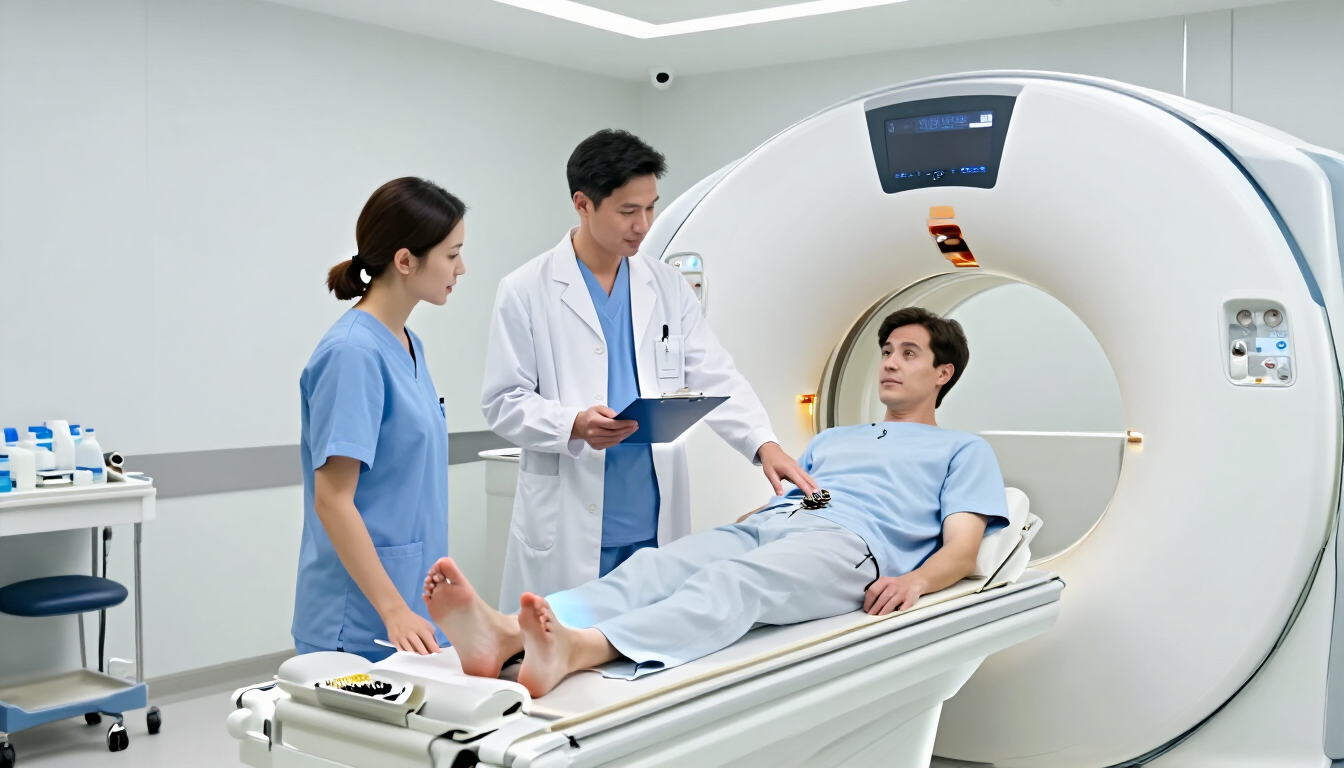
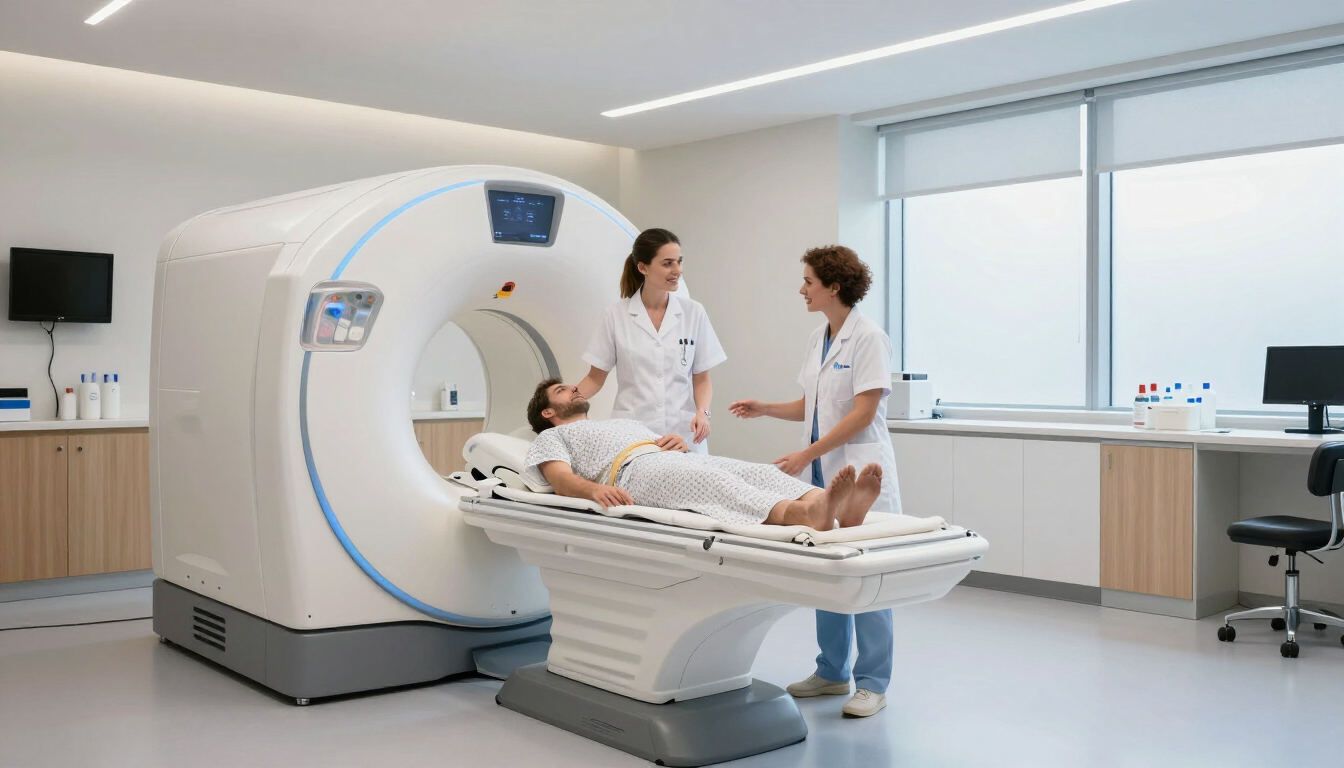
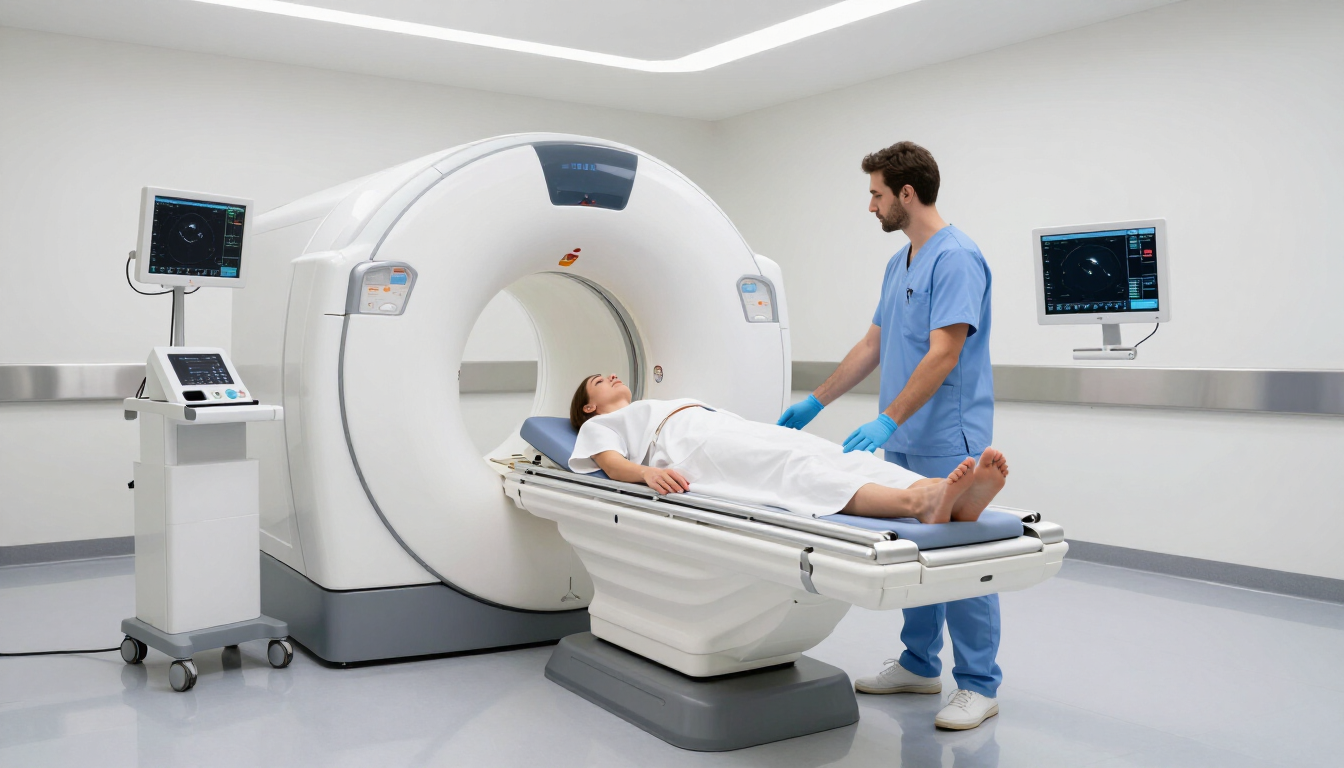
When you arrive, you’ll be asked to change into a gown and remove any metallic objects. You will then lie down on a motorized bed that slides into the scanner. The most important thing is to stay very still so the images are crisp and clear. You will hear some loud thumping or humming noises—which are perfectly normal—and we will provide you with earplugs or headphones to keep you comfortable.
Typical steps during the procedure:
- You may be asked to hold your breath for short intervals (10-15 seconds).
- A contrast agent might be used via a small IV to highlight blood vessels.
- The scan usually takes between 30 to 45 minutes.
- You can communicate with the radiographer at all times via an intercom.
- There is no downtime, so you can return to your normal day immediately.
Benefits of private diagnostic imaging
The UK healthcare system is under immense pressure, and waiting times for diagnostic scans can often stretch into several weeks or even months. For someone experiencing liver pain, that wait can be filled with anxiety and uncertainty. This is where MRI Plus steps in to provide a faster alternative.
Choosing a private diagnostic route offers several clear advantages:
- Speed: Rapid appointment availability, often within days of your inquiry.
- Accuracy: Access to high-end MRI technology and expert clinical reporting.
- Convenience: Flexible scheduling that fits around your work and family life.
- Peace of Mind: Faster results mean faster treatment decisions and less time spent worrying.
- Direct Access: You don't always need a long-winded referral process to get started.
By prioritizing speed, we ensure that clinical decisions are made when they matter most. Whether it is confirming a diagnosis of fatty liver or ruling out more serious conditions, having the data in hand allows you to take control of your health journey immediately. You can find more information about our latest updates and services at our MRI Plus News page.
Taking the next step toward liver health
Liver pain is more than just an inconvenience; it is a vital communication from your body. Whether the cause is lifestyle-related, like obesity and alcohol, or a medical condition like viral hepatitis, getting a clear picture of what is happening inside is essential for your long-term wellbeing. A Liver MRI is the gold standard for non-invasive diagnostic imaging, providing the detail needed to create an effective treatment plan.
If you are ready to get answers, MRI Plus is here to help. We combine clinical excellence with a patient-centric approach to ensure you get the fast, accurate results you deserve. Don't let waiting lists stand in the way of your health.
Summary of key takeaways:
- Liver pain is usually felt in the upper right abdomen and may feel like a dull ache or pressure.
- Major causes include MASLD (fatty liver), cirrhosis, and excessive alcohol intake.
- High-risk groups include those with obesity, diabetes, or high alcohol consumption.
- An MRI is the most effective non-invasive tool for assessing liver fat and scarring.
- Private diagnostics at MRI Plus offer a faster, more transparent route to diagnosis and treatment.

References :
Website, N. (2026g, June 25). Liver disease. nhs.uk. https://www.nhs.uk/conditions/liver-disease/
NICE. (2023, January 12). 2 The diagnostic tests | MRI-based technologies for assessing non-alcoholic fatty liver disease | Guidance | NICE. https://www.nice.org.uk/guidance/htg655/chapter/the-diagnostic-tests
Liver MRI Scan From £199 | MRI Plus. (n.d.). https://mriplus.co.uk/body-parts/liver