Why Must You Remove Metal Objects Before an MRI Scan? - MRI Plus
You must remove all metal objects before an MRI scan because the machine is a powerful electromagnet that is always on. Metallic items can be pulled toward the scanner at high speeds, causing serious injury, or they can interfere with the magnetic field, ruining the clarity of your diagnostic images.
How Do MRI Machines Work?
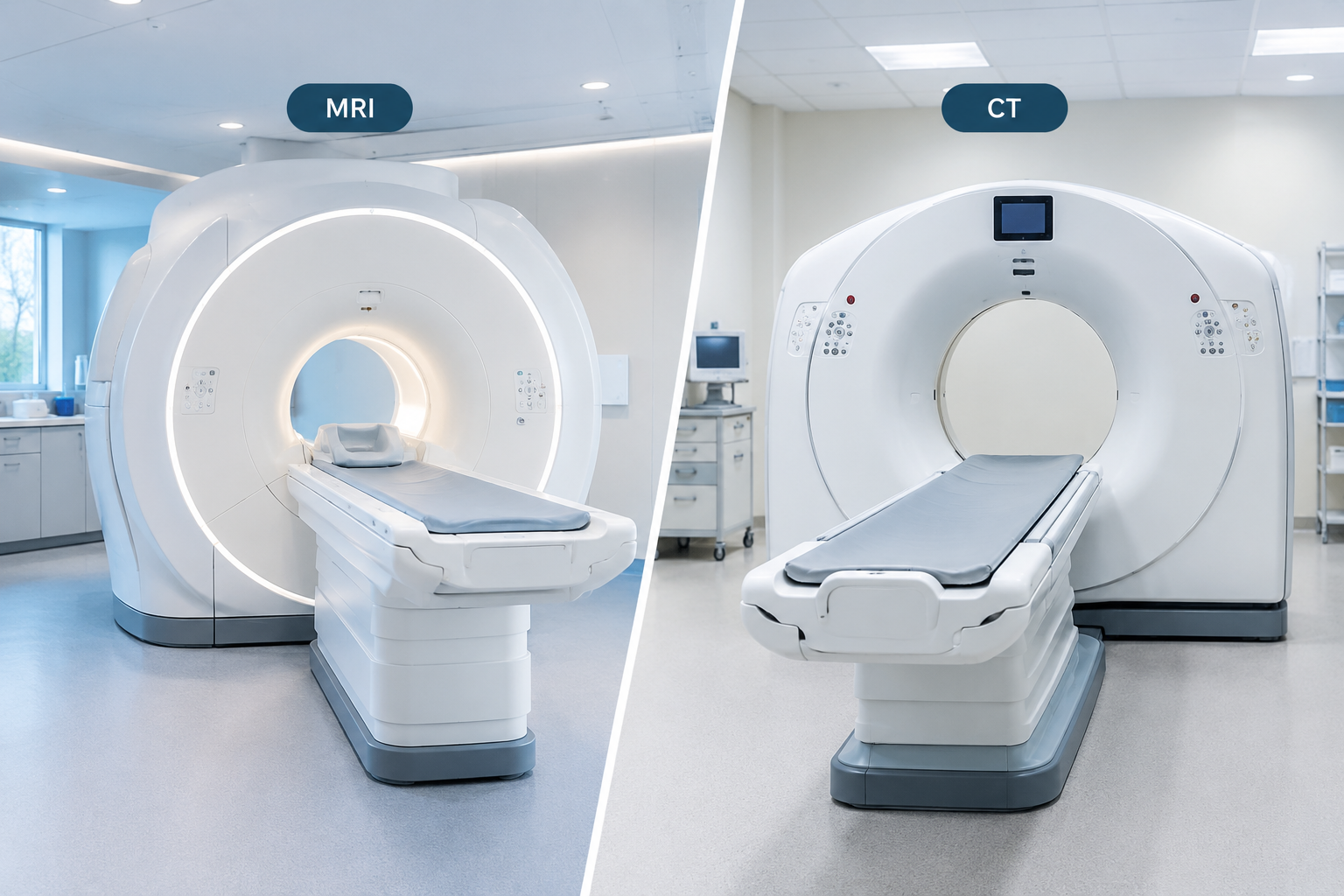
To understand why a simple hair clip or a wedding ring can be a problem, you first need to understand the incredible science behind Magnetic Resonance Imaging (MRI). Unlike X-rays or CT scans, which use ionizing radiation to see inside the body, an MRI machine uses a combination of a very strong magnetic field and radio waves.
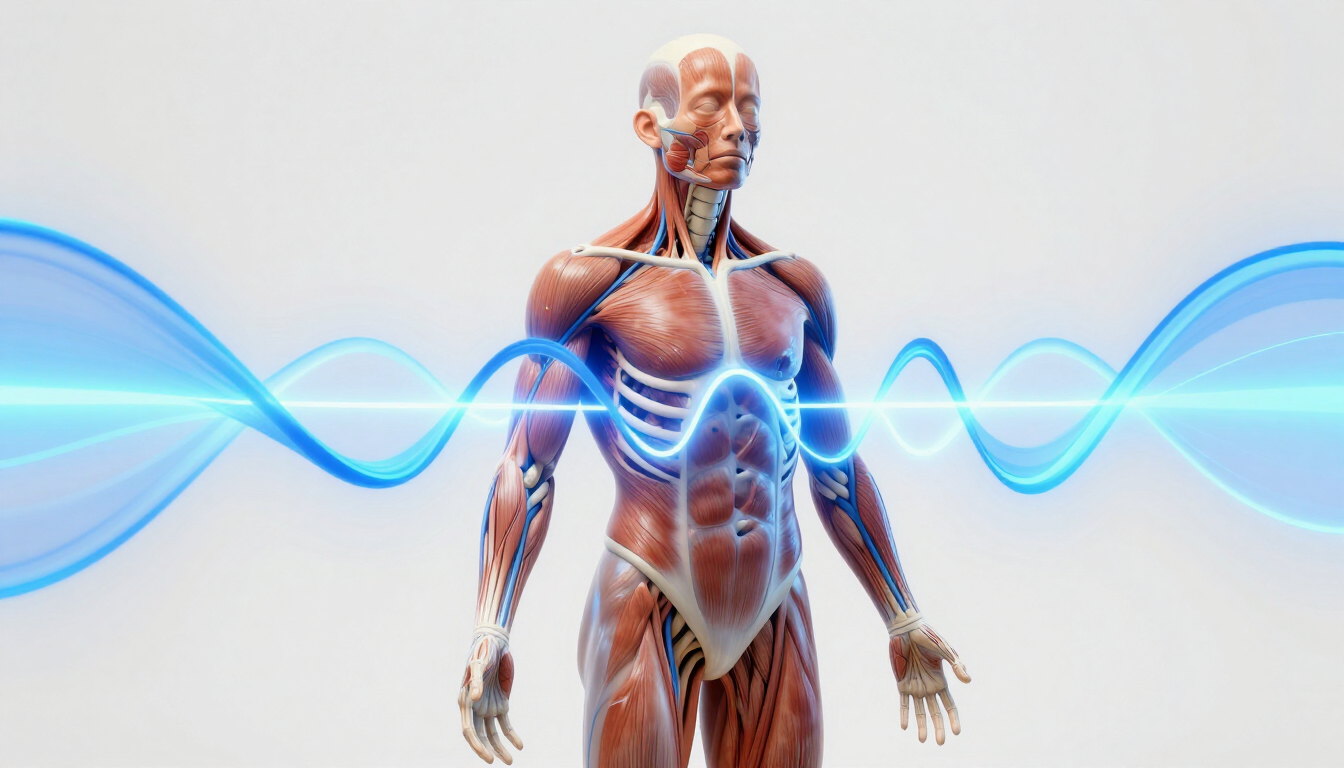
Inside the large, doughnut-shaped tube of the scanner is a massive superconducting magnet. This magnet is thousands of times stronger than the magnetic field of the Earth. When you lie inside the scanner, the magnetic field temporarily realigns the water molecules (specifically the hydrogen protons) in your body.
Radio waves are then pulsed through the area of interest, causing these protons to emit signals. A computer picks up these signals and converts them into highly detailed 3D images of your organs, tissues, and skeletal system. This technology allows clinicians at MRI Plus to detect everything from sports injuries to neurological conditions with incredible precision.
Why Do Metallic Objects Pose Such a Serious Threat?
The primary reason we are so strict about metal is safety. Because the MRI magnet is extremely powerful, any object made of ferromagnetic material (metals that are attracted to magnets, like iron or steel) will become a projectile if it gets too close to the machine. This is often referred to in the medical world as the "Missile Effect."
Beyond the physical danger of flying objects, metal poses other risks during a scan:
- Thermal Injury: Some metallic objects or certain types of ink in tattoos can heat up during the scan due to the radiofrequency pulses, potentially causing skin burns.
- Image Artifacts: Metal distorts the magnetic field. Even a tiny piece of metal can create a "black hole" or a blur in the image, making it impossible for a radiologist to give an accurate diagnosis.
- Electronic Interference: The magnetic field can permanently damage electronic devices like watches, hearing aids, or credit cards by wiping their magnetic strips or frying their internal circuits.
What Items Must You Remove Before Your Scan?
When you arrive for your appointment, our team will provide a comprehensive screening form. However, it helps to be prepared. You will typically be asked to change into a medical gown to ensure no hidden metal enters the room.
Common items that must be removed include:
- Jewelry and Accessories: Rings, necklaces, earrings, and watches.
- Body Piercings: Even if they are difficult to remove, most must come out for safety and image clarity.
- Hair Items: Bobby pins, metal hair clips, and even some hair ties with metal connectors.
- Clothing with Metal: Bras with underwires, zippers, metal buttons, and belts.
- Personal Electronics: Phones, tablets, and smartwatches are strictly forbidden in the scan room.
What if I Have a Medical Implant or Piercing?
This is one of the most common questions we receive. Many people worry that having a knee replacement or a heart stent means they can never have an MRI. The good news is that most modern medical implants are made of non-ferromagnetic materials like titanium, which are generally safe.
However, it is vital that you inform the staff about any of the following:
- Pacemakers or implantable cardioverter-defibrillators (ICDs)
- Cochlear (ear) implants
- Brain aneurysm clips
- Artificial heart valves
- Infusion pumps (like insulin pumps)
Our specialists will check the specific make and model of your implant against a safety database to ensure it is "MRI Conditional" or "MRI Safe" before proceeding. Safety is our absolute priority, and we never take risks with your well-being.

MRI Scan Safety Guidelines
At MRI Plus, our safety protocols are designed to be thorough yet efficient. We understand that you want your results quickly, but speed never comes at the expense of safety. The screening process is a multi-step safeguard.
First, you will complete a written questionnaire. Next, a radiographer will verbally review your answers with you to catch anything you might have forgotten—like a tiny piece of metal in your eye from a previous welding job, or a medicated patch that might contain metallic foil. Finally, you may be scanned with a handheld metal detector as an extra layer of protection.
These guidelines aren't just bureaucracy; they are essential for maintaining a controlled environment. Because the magnet is always "on," even when the machine isn't actively scanning, the room itself is a restricted zone. By following these rules, you help us maintain a safe space for everyone.
Preparing for Your MRI Plus Appointment
Preparing for a scan doesn't have to be stressful. We recommend wearing comfortable, loose-fitting clothing without any metal fasteners (like leggings or a t-shirt) to your appointment. This may allow you to avoid changing into a gown in some cases, though the final decision rests with the radiographer.
Leave your valuables at home if possible. While we provide secure lockers for your belongings, it’s often easier to minimize what you bring. If you are nervous about the scan or the removal of certain items, please talk to us! Our conversational and supportive team is here to make the process as smooth as possible.
By choosing a private provider like MRI Plus, you benefit from:
- Rapid appointment booking
- State-of-the-art diagnostic technology
- Clear, transparent pricing
- Fast delivery of clinical results
Summary
Removing metal before an MRI is the most important step in ensuring your safety and the accuracy of your medical results. The powerful magnets used in modern diagnostics turn metallic objects into hazards and cause distortions that can hide critical health information.
Core Takeaways for Your Scan:
- Magnets are always on: Never bring metal into the scan room, even if the machine looks idle.
- Disclose everything: Tell your radiographer about any implants, tattoos, or previous surgeries.
- Dress simply: Wear clothes without metal to speed up your preparation process.
- Prioritise clarity: Removing metal ensures your images are sharp, helping doctors make faster decisions.
Ready to get the answers you need? If you require a fast, professional, and safe diagnostic investigation, explore our services at MRI Plus or book your appointment today.