Brain Tumor Symptoms : Diagnosis and Treatment
Brain tumor symptoms range from persistent headaches and seizures to cognitive shifts like memory loss or personality changes. Early diagnosis through advanced MRI scanning is vital for effective treatment. Identifying these signs quickly allows for prompt medical intervention, which is critical for managing neurological health and improving long-term clinical outcomes.
What are the primary brain tumor symptoms to watch for?
When we talk about brain tumor symptoms, it is important to remember that the brain controls every single function of your body. Because of this, the signs can vary wildly depending on where the tumor is located. However, there are several "hallmark" symptoms that often lead people to seek a medical consultation. The most common experience is a persistent headache. Unlike a standard tension headache or a migraine you might have had for years, these headaches often feel different—they might be worse in the morning, aggravated by coughing or exercise, and don't always respond to over-the-counter painkillers.
Another significant red flag is the sudden onset of seizures. If an adult who has no history of epilepsy suddenly experiences a fit or a seizure, it is a primary indicator that something is irritating the brain tissue. Additionally, many patients report sensory changes. This could include blurred vision, double vision, or even a loss of peripheral sight that makes them bump into things on one side. Hearing loss or a constant ringing in the ears (tinnitus) can also occur if the tumor is pressing on specific cranial nerves.
Physical coordination is another area often affected. You might notice:
- Unexplained clumsiness or loss of balance
- Weakness in a specific limb or one side of the body
- Difficulty walking in a straight line
- Nausea or vomiting, particularly in the morning
- Difficulty swallowing or changes in speech clarity
It is important not to panic if you have a headache, but if these symptoms are new, worsening, or clustered together, they require professional investigation. At MRI Plus, we specialize in providing the rapid imaging necessary to either rule out these concerns or provide the data needed for a treatment plan. Book your online brain MRI appointment quickly and easily.
Recognizing neurological and cognitive changes
While physical pain is easy to identify, some of the most distressing brain tumor symptoms are those that affect the mind. These are often categorized as cognitive or behavioral changes. Because these shifts can be subtle and progressive, they are sometimes mistaken for stress, depression, or even early-onset dementia. However, when these changes happen alongside physical symptoms, they become much more significant in a clinical context.
Memory loss is a frequent complaint. This isn't just forgetting where you put your keys; it’s more about a struggle to process new information or a sudden inability to perform familiar tasks, like following a recipe or managing finances. You might find that your attention span has shortened significantly, or that you feel constantly "foggy." This mental fatigue is different from being tired; it’s a profound difficulty in maintaining focus on a single conversation or task.
Personality shifts are perhaps the most difficult for families to witness. A person who was typically mild-mannered might become irritable, aggressive, or prone to sudden emotional outbursts. Conversely, a very active person might become strangely apathetic or withdrawn. This happens because tumors in the frontal lobe the part of the brain responsible for personality and social behavior can physically alter how we react to the world. If you or a loved one is experiencing a noticeable shift in temperament alongside neurological symptoms, it is time to seek a diagnostic MRI scan.
How is a brain tumor diagnosed in the UK?
The journey toward a brain tumor diagnosis usually begins with a thorough neurological examination. A GP or specialist will test your vision, hearing, balance, coordination, and reflexes. They might also check the back of your eye with a light to see if there is any swelling of the optic nerve, which can be a sign of increased pressure inside the skull. While these tests provide clues, they cannot "see" the problem. That is where advanced diagnostic imaging becomes the gold standard for care.
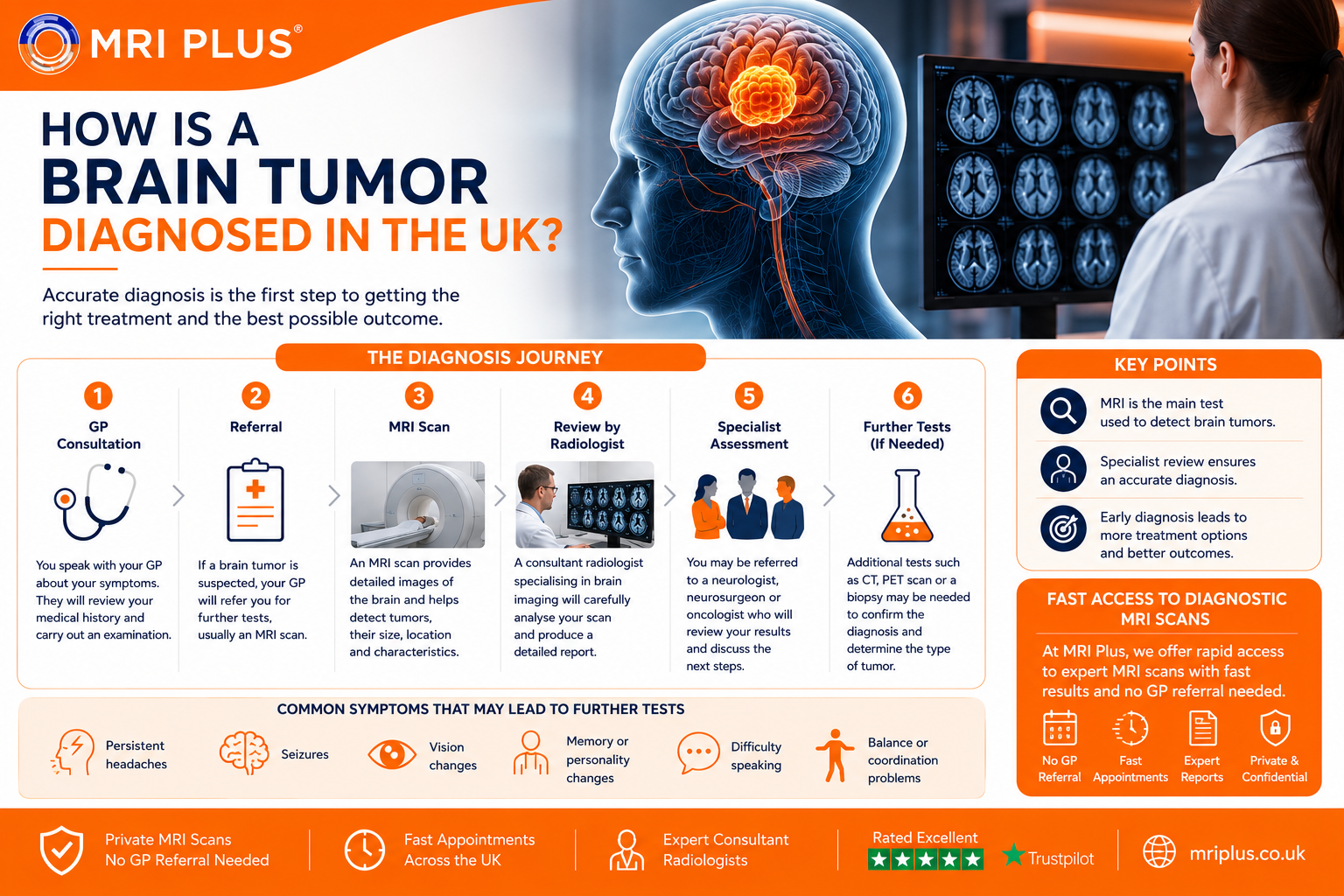
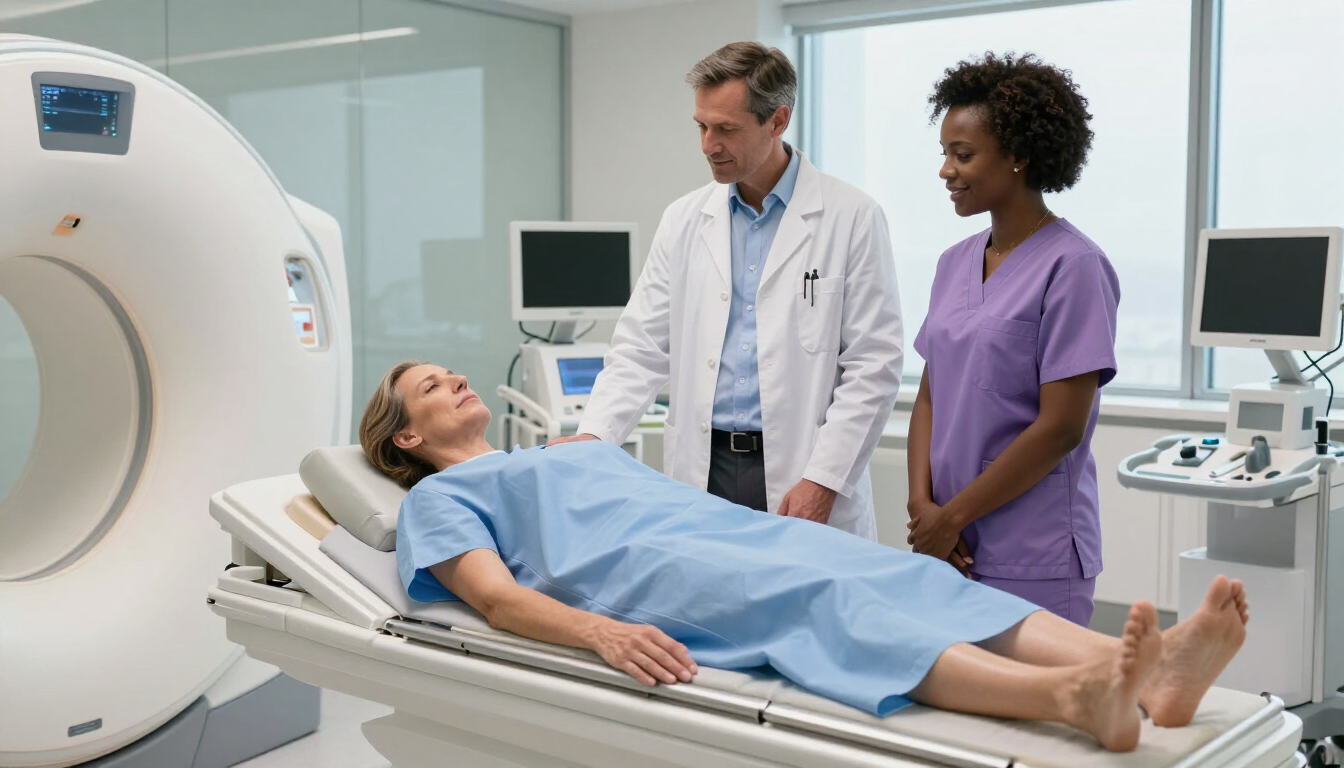
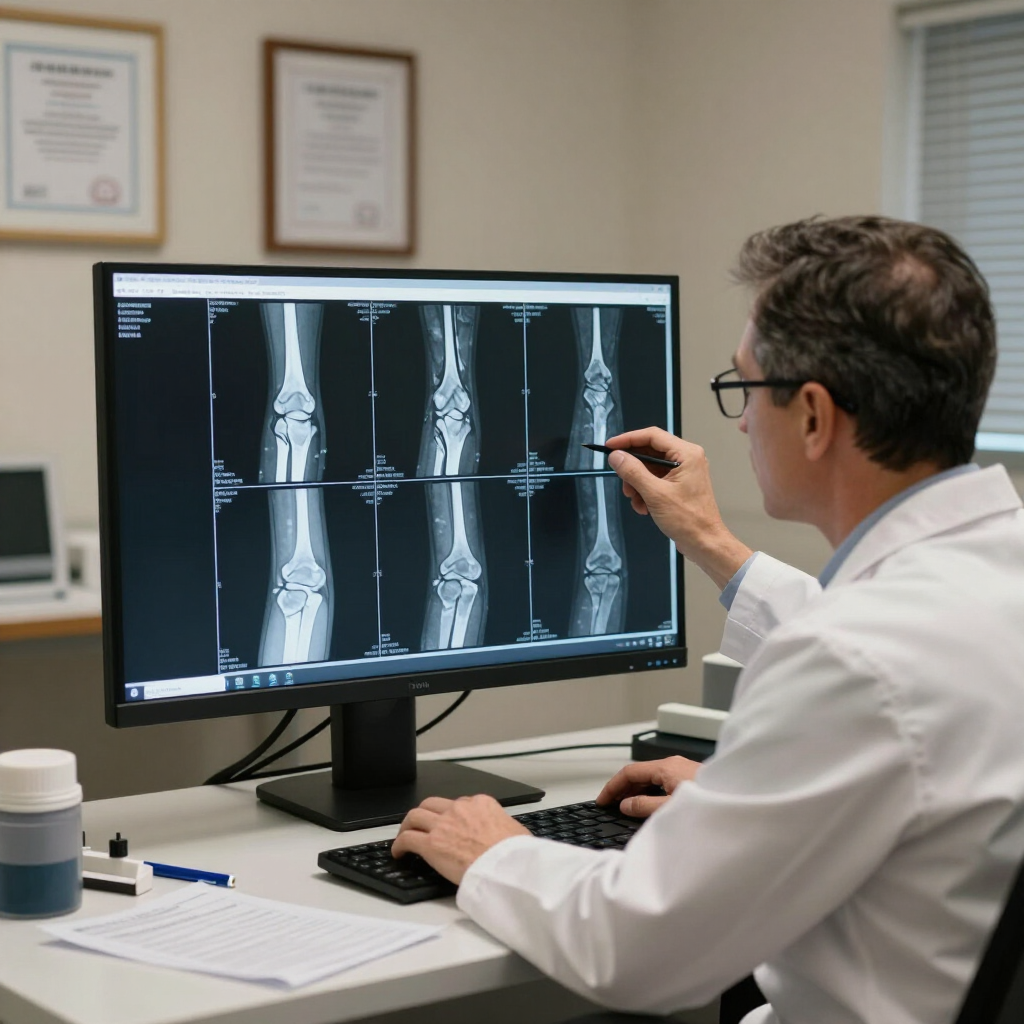
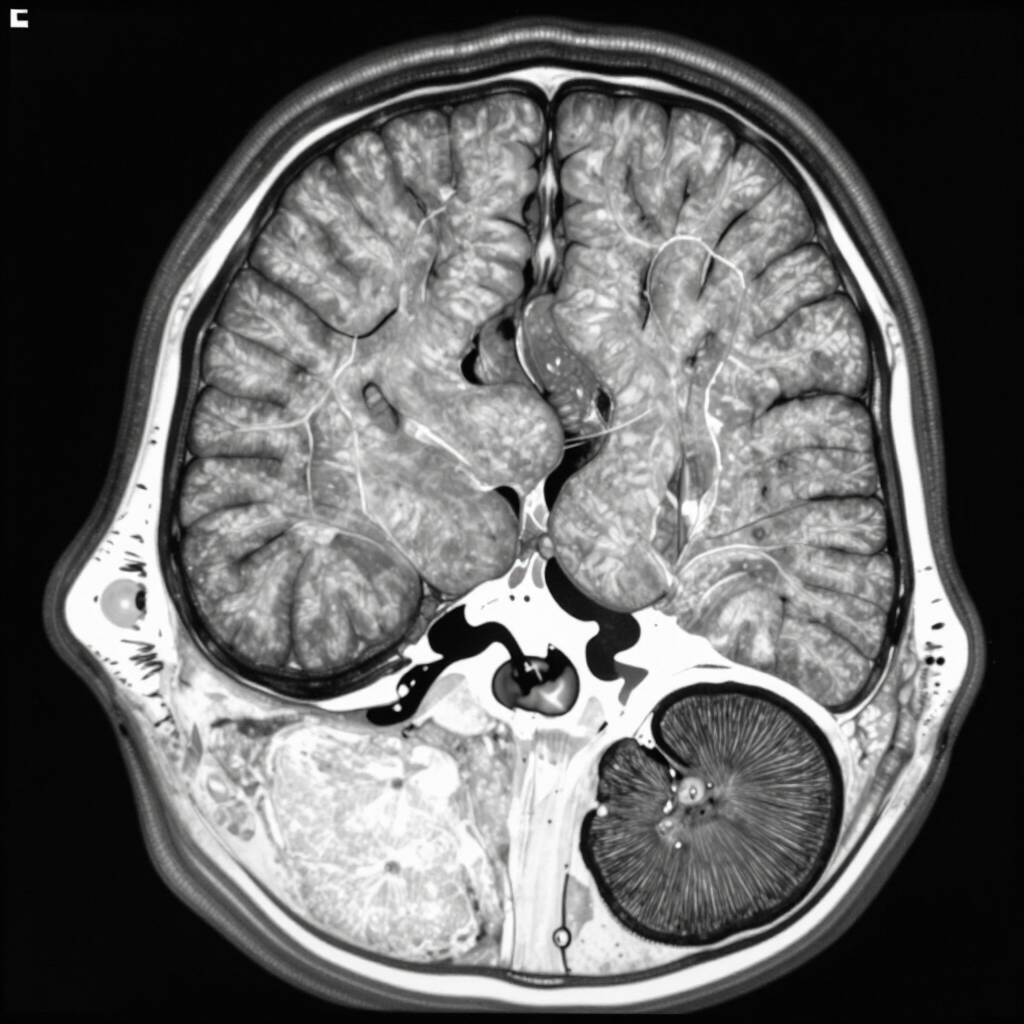
In the UK, the diagnostic pathway often involves a combination of CT (Computed Tomography) and MRI (Magnetic Resonance Imaging). A CT scan is often used in emergency settings because it is very fast and can detect large masses or bleeding. However, an MRI scan is significantly more detailed. It uses powerful magnets and radio waves to create cross-sectional images of the brain. This allows radiologists to see the size, shape, and exact location of a tumor, and even differentiate between different types of tissue. In many cases, a contrast dye is injected into the bloodstream to make the tumor show up more clearly on the images.
Once imaging identifies a mass, the next step is often a biopsy. This involves taking a small sample of the tumor tissue to be examined under a microscope. This is the only way to determine if the tumor is benign (non-cancerous) or malignant (cancerous), and to identify its "grade." A grade 1 tumor grows slowly, while a grade 4 tumor is highly aggressive. Knowing the grade is essential for choosing the right treatment options.
Modern diagnostic imaging and the role of MRI
Speed is the most critical factor when dealing with potential brain tumor symptoms. In many traditional healthcare settings, the wait for a non-emergency MRI can stretch into weeks or even months. This delay not only causes immense psychological stress for the patient but can also allow a condition to progress. This is why private diagnostic providers like MRI Plus are becoming an essential alternative for those in London and Leigh on Sea. We focus on removing the friction from the diagnostic process.
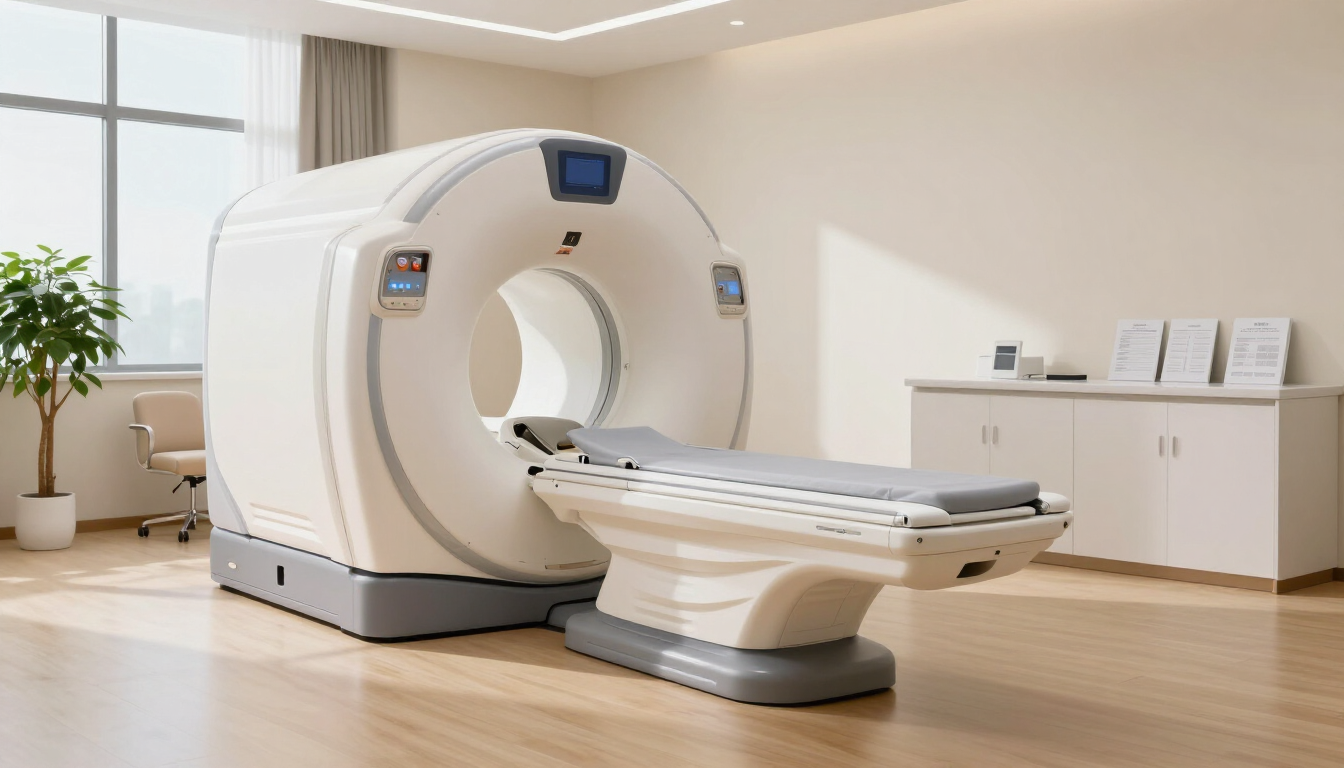
Modern MRI technology has advanced to the point where we can capture incredibly high-resolution images in a relatively short amount of time. These machines are designed with patient comfort in mind, offering more space and faster scan times than older models. When you book a private scan, you aren't just paying for the technology; you are paying for the speed of the results. At MRI Plus, we prioritize prompt reporting, ensuring that your consultant receives the necessary data within days, not weeks.
Our approach involves:
- Rapid appointment availability within 24-48 hours
- Streamlined digital booking and check-in
- Expert radiologists providing detailed clinical reports
- Transparent pricing with no hidden fees
- Direct communication throughout the process
Having a clear answer allows you to move from a state of worry to a state of action. Whether the scan reveals a benign issue or a more serious condition, having that information quickly is the first step toward recovery. You can find more information about our diagnostic services on our MRI Plus News section.
What treatment pathways are available after diagnosis?
Once a diagnosis is confirmed, a multidisciplinary team (MDT) of specialists—including neurosurgeons, oncologists, and neurologists—will create a tailored treatment plan. The goal of treatment is usually to remove as much of the tumor as possible while preserving brain function. The specific path chosen depends entirely on the type, location, and grade of the tumor, as well as the patient's overall health.
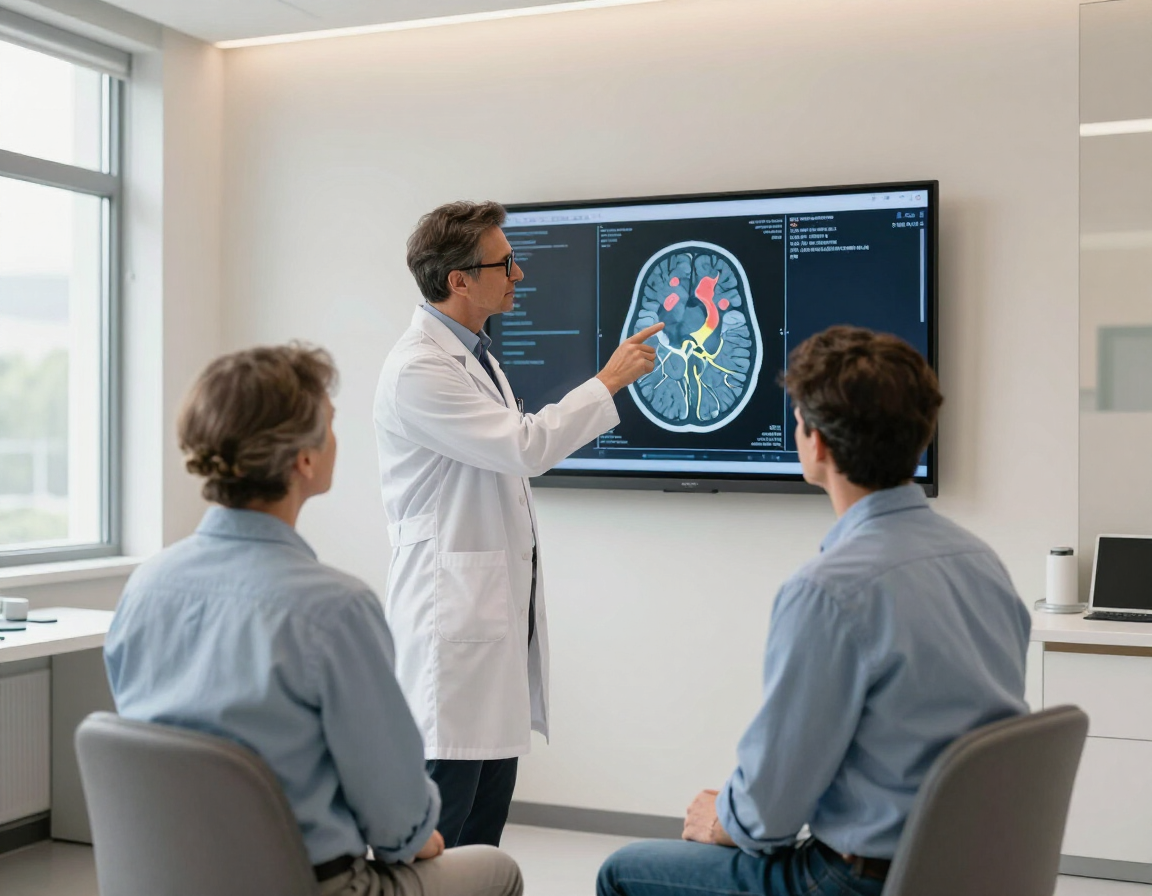
Surgery is often the first line of defense. If a tumor is located in an accessible area, a surgeon will perform a craniotomy to remove it. In some cases, technology like "intraoperative MRI" allows surgeons to see the brain in real-time during the procedure. If the tumor cannot be entirely removed because it is too close to vital structures, other therapies are used to manage the remaining cells.
Radiation therapy and chemotherapy are common follow-up treatments. Radiation uses high-energy beams (like X-rays or protons) to kill tumor cells. Modern techniques like Gamma Knife or CyberKnife allow for extremely precise radiation that minimizes damage to surrounding healthy tissue. Chemotherapy, on the other hand, uses drugs to destroy cancer cells. While the blood-brain barrier can make it difficult for some drugs to reach the brain, specialized oral and intravenous treatments are highly effective for certain tumor types. Additionally, targeted therapies and immunotherapy are emerging as powerful new tools that help the body's own immune system recognize and attack the tumor.
Summary of Brain Tumor Symptoms and Next Steps
Early detection of brain tumor symptoms is the single most important factor in improving patient outcomes. Whether you are experiencing new, persistent headaches, sudden seizures, or subtle cognitive shifts, these signals from your body should never be ignored. Accessing a fast, high-quality MRI scan is the most effective way to gain clarity and begin a treatment journey without unnecessary delays. By choosing a streamlined diagnostic pathway, you ensure that medical professionals have the best possible data to guide your care.
Early detection of brain tumor symptoms is the single most important factor in improving patient outcomes. Whether you are experiencing new, persistent headaches, sudden seizures, or subtle cognitive shifts, these signals from your body should never be ignored. Accessing a fast, high-quality MRI scan is the most effective way to gain clarity and begin a treatment journey without unnecessary delays. By choosing a streamlined diagnostic pathway, you ensure that medical professionals have the best possible data to guide your care.
Key Takeaways:
- Identify persistent headaches, seizures, and vision changes as major red flags.
- Monitor for cognitive shifts, such as memory loss or personality changes.
- Prioritize MRI scans over CT for detailed neurological assessment.
- Seek rapid diagnostics to avoid the risks associated with long waiting lists.
- Consult with a specialist immediately if you notice any progressive neurological symptoms.
References :
Website, N. (2026a, April 17). Brain tumours. nhs.uk. https://www.nhs.uk/conditions/brain-tumours/
Brain and Head MRI Scans from £199 | MRI Plus. (n.d.). https://mriplus.co.uk/body-parts/brain-and-head