Prostate Cancer Symptoms
Prostate cancer symptoms typically involve changes in urinary habits, such as a frequent need to urinate, a weak flow, or difficulty starting. While early-stage prostate cancer often shows no signs, identifying these subtle changes early especially for mens & women over 45 is vital for successful diagnosis and effective treatment pathways.
What are the early signs of prostate cancer?
In its earliest stages, prostate cancer is often a 'silent' condition. This is because the tumor is usually too small to press against the urethra, which is the tube that carries urine from the bladder. However, as a tumor grows or if it is positioned near the urinary tract, certain physical signs begin to emerge. Being aware of these changes is the first step in taking control of your long-term health.
Many men dismiss these early symptoms as a normal part of getting older, but it is important to distinguish between general aging and potential warning signs. The most common early symptoms include:
- A frequent need to urinate, especially at night.
- Difficulty starting to pee or straining to finish.
- A weak or interrupted flow of urine.
- A feeling that your bladder hasn't emptied fully.
- Blood in the urine or semen (though this is less common).
If you notice any of these changes, it doesn’t automatically mean you have cancer, but it does mean your body is asking for an investigation. Early detection is everything. When caught in the localized stage, the survival rate for prostate cancer is incredibly high. By paying attention to these prostate cancer symptoms now, you are giving yourself the best chance at a simple, effective solution.

How does age affect your risk?
Age is the most significant risk factor for developing prostate cancer. Statistically, the likelihood of a diagnosis increases significantly once a man passes the age of 45. For many, this is the 'window of awareness' where regular checks should become a standard part of a healthcare routine. While the disease can occur in younger men and women, it is relatively rare before the age of 40.
As we age, the prostate gland naturally undergoes changes. The prostate is a small, walnut-sized gland that sits just below the bladder. Over time, the cells within the gland can change, sometimes leading to benign growth and other times leading to the formation of malignant tumors. By the time a man reaches 50, the statistical probability of finding cancerous cells in the prostate increases, and by age 70, a large percentage of men will have some form of prostate cancer, though many of these cases are slow-growing and may never cause harm.
However, for men between 45 and 65, the focus is on identifying potentially aggressive cancers that require intervention. This is why we emphasize that men in this age bracket should be particularly vigilant. If you are over 45, you are in the primary demographic that benefits from proactive screening and diagnostic imaging. Taking action now means you aren't waiting for a crisis to occur; you are managing your health with foresight.
Understanding urinary issues and cancer
It is a common misconception that all urinary problems are a sign of cancer. In fact, many of the prostate cancer symptoms listed above are also symptoms of Benign Prostatic Hyperplasia (BPH). BPH is a non-cancerous enlargement of the prostate that is very common as men get older. Because the prostate surrounds the urethra, any enlargement—whether benign or malignant—can squeeze the tube and cause bathroom troubles.
Distinguishing between BPH and cancer isn't something you can do based on feeling alone. While BPH is not life-threatening, it can be frustrating and impact your quality of life. Prostate cancer, on the other hand, requires a different clinical approach. This is where professional diagnostics become essential. You shouldn't have to spend your time worrying about which condition you might have when a simple scan can provide the answer.
Common signs that overlap between BPH and cancer include:
- Sudden urges to urinate that are hard to ignore.
- Dribbling at the end of urination.
- Pain or burning during urination (less common).
- Increased frequency of trips to the bathroom.
- Waking up multiple times a night to pee.
At MRI Plus, we believe in removing the guesswork. Understanding your body is the first step, but confirming what is happening internally through advanced imaging is the only way to move forward with total confidence. Whether it is BPH or something more serious, knowing exactly what you are dealing with allows you to start the right treatment sooner.
Is a family history of cancer important?
Yes, family history plays a massive role in your personal risk profile. If your father or brother has been diagnosed with prostate cancer, your risk of developing the disease is essentially doubled. If multiple relatives are affected, or if a family member was diagnosed at a young age (under 55), that risk climbs even higher. This genetic link is one of the most important things to discuss with a healthcare professional.
Genetics can influence not just whether you get cancer, but how aggressive that cancer might be. Some inherited gene mutations, such as those in the BRCA1 or BRCA2 genes (often associated with breast cancer), can also increase the risk of aggressive prostate cancer. If you know that cancer runs in your family, you shouldn't wait until you experience physical prostate cancer symptoms before seeking a check-up.
For those with a family history, the 'starting age' for screening is often moved earlier—sometimes to age 40. Being proactive isn't about being anxious; it’s about being informed. By acknowledging your genetic history, you can work with providers like MRI Plus to establish a baseline and monitor your prostate health more closely than the average person might.
The role of private MRI scans
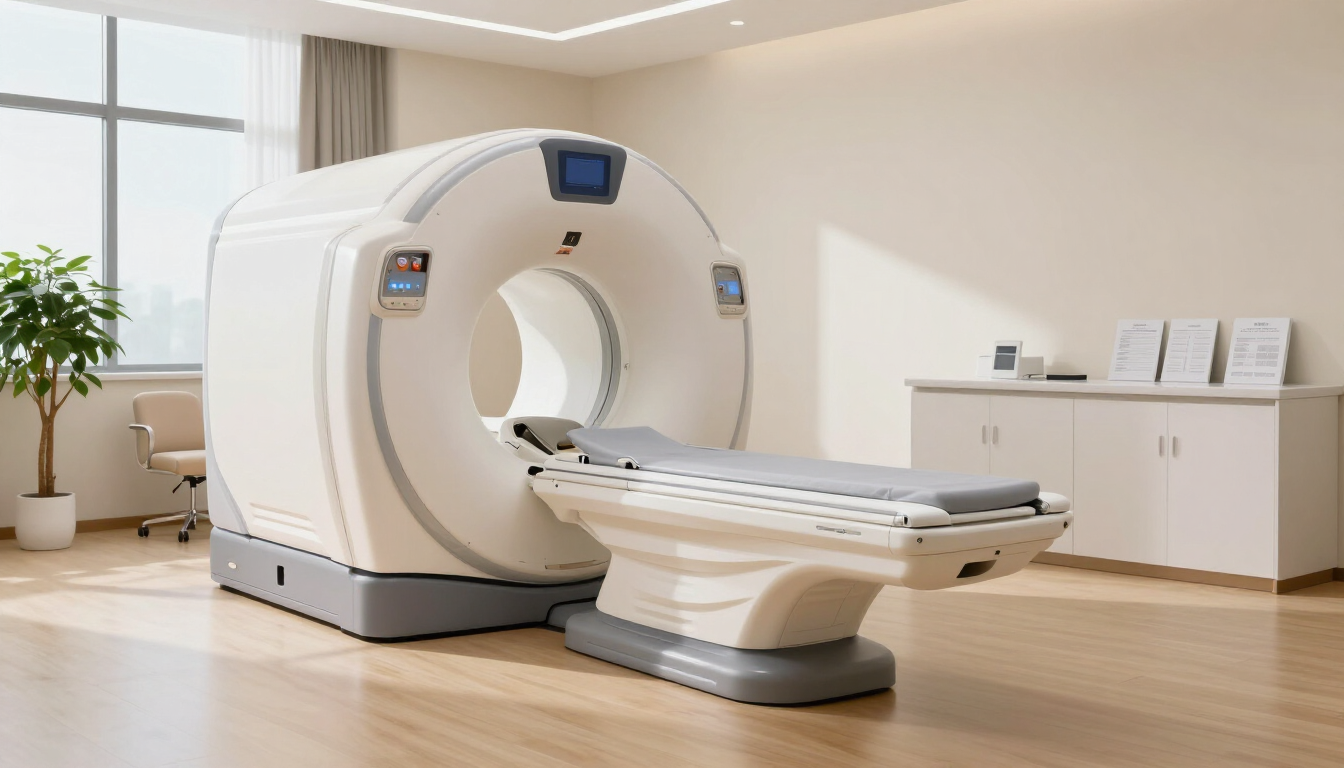
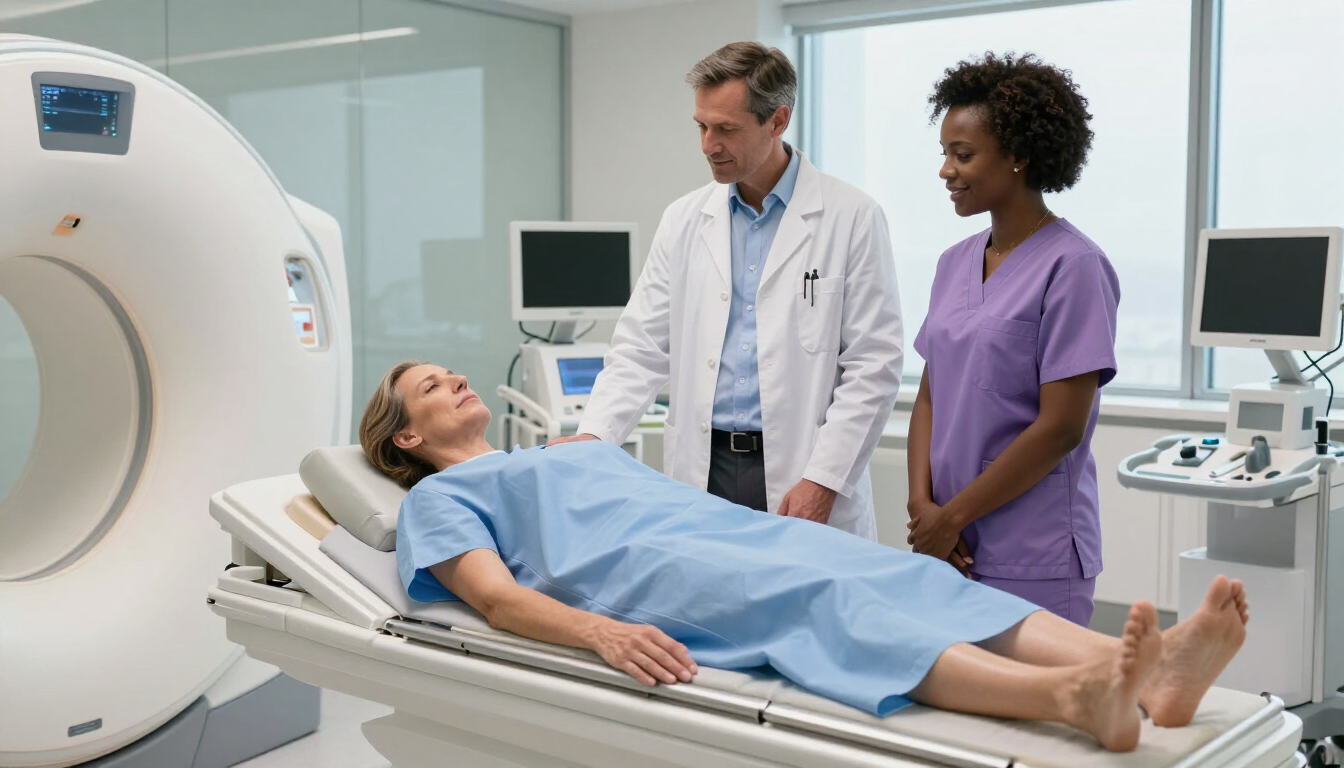
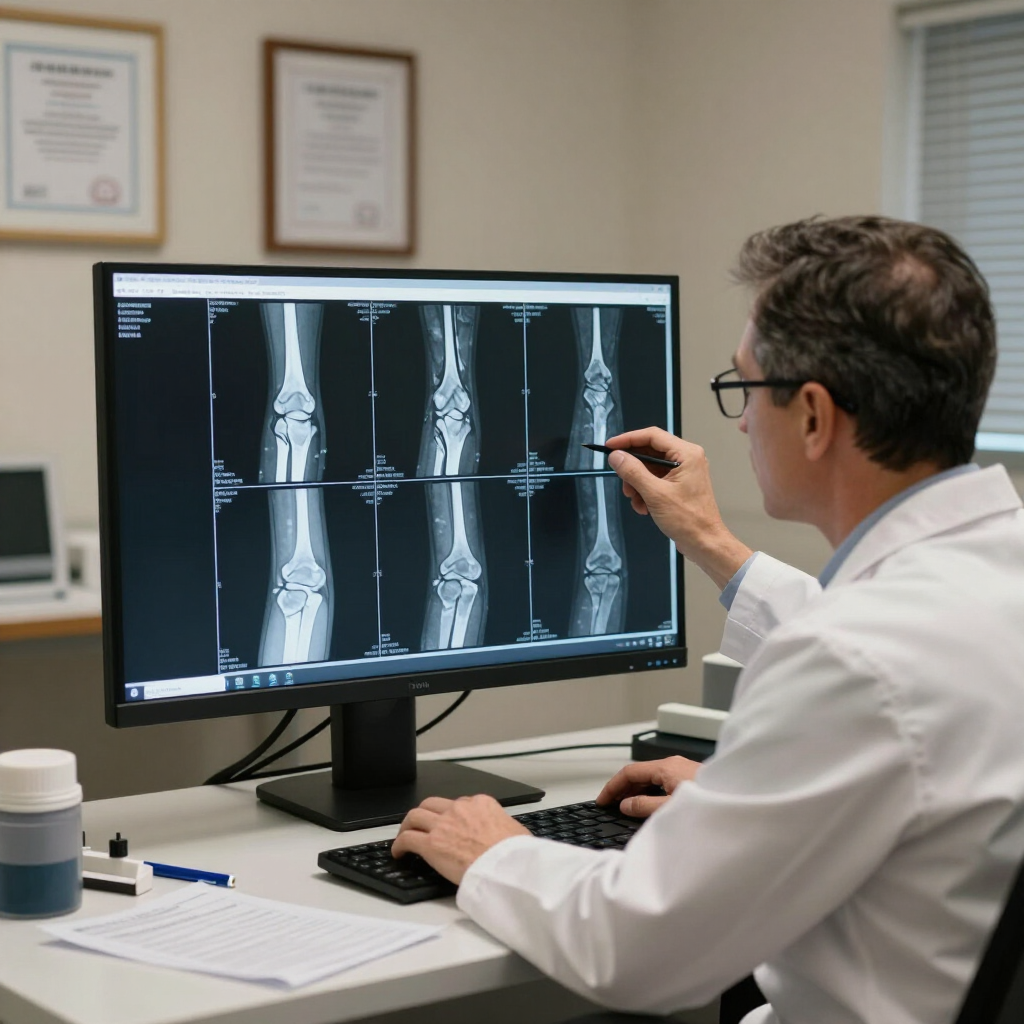
When it comes to diagnosing the cause of your symptoms, technology has come a long way. In the past, a high PSA (Prostate-Specific Antigen) blood test often led straight to a biopsy. Today, the medical community increasingly recognizes the value of the Multiparametric MRI (mpMRI) as a vital intermediate step. An MRI scan provides a detailed, high-resolution map of the prostate gland, allowing consultants to see exactly where any suspicious areas are located.
One of the biggest advantages of an MRI is its ability to help avoid unnecessary biopsies. If a scan shows a healthy prostate, a patient may be able to avoid an invasive procedure. If an abnormality is found, the MRI images act as a guide, ensuring that any subsequent biopsy is highly targeted and accurate. This 'fusion' of imaging and clinical practice has revolutionized how we handle prostate cancer symptoms .
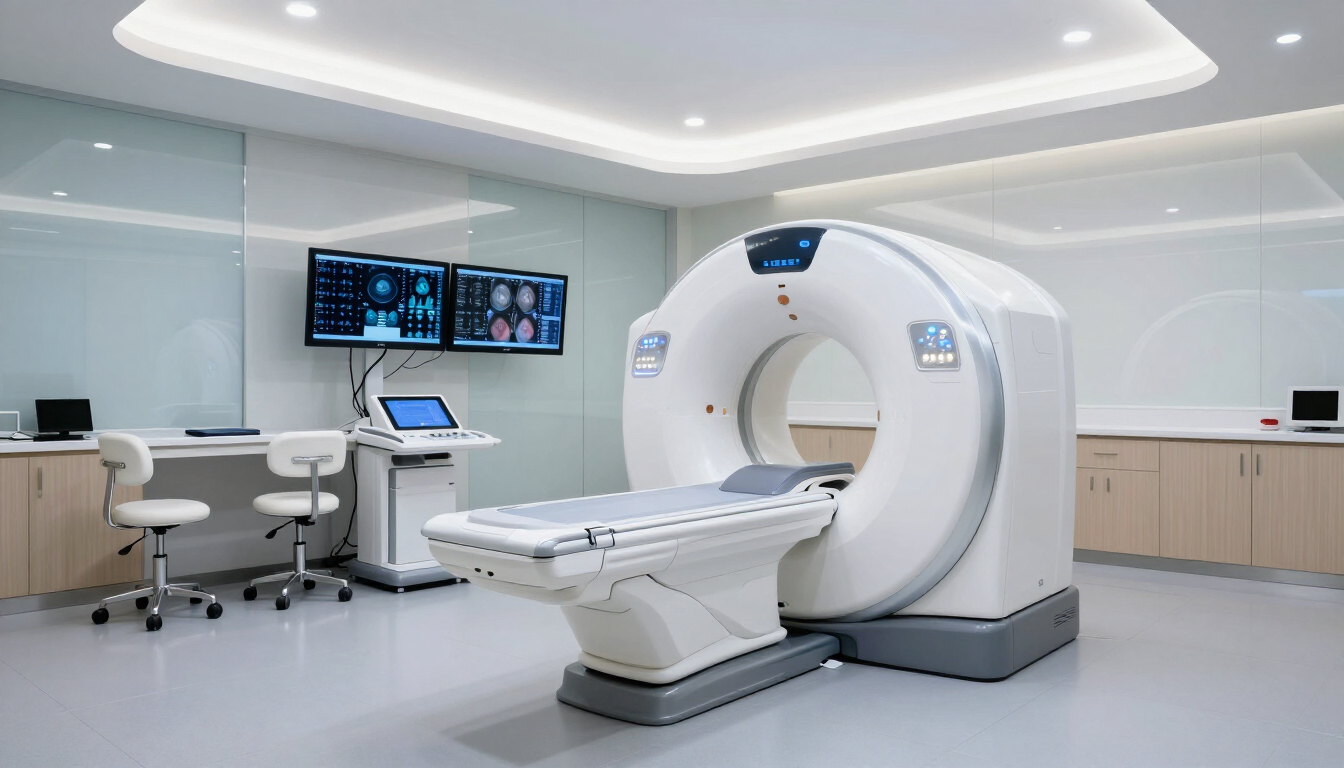
We specialize in providing fast, accessible diagnostic imaging. We understand that waiting weeks for a scan and then more weeks for results can be an incredibly stressful experience. Our approach is built on:
- Rapid appointment availability to reduce waiting times.
- State-of-the-art imaging technology for clinical accuracy.
- Prompt reporting so you can take your results to a consultant immediately.
- A transparent, patient-centric process that puts you in control.
- Direct access for self-pay patients seeking quick answers.
Conclusion: Taking control of your health
Understanding prostate cancer symptoms is about more than just knowing the signs; it is about taking a proactive stance on your long-term well-being. For men over 45 and those with a family history, being vigilant about urinary changes and seeking early diagnostic imaging can make a world of difference. Whether your symptoms are caused by a benign enlargement or something more serious, early intervention is the key to maintaining your quality of life and ensuring a healthy future.
Core Takeaways:
- Watch for changes : Early signs often involve urinary frequency, weak flow, or night-time trips to the bathroom.
- Know your risk : Age (45+) and family history are the primary risk factors that necessitate regular checks.
- Seek clarity : An MRI scan is a non-invasive way to get a clear picture of your prostate health and avoid unnecessary procedures.
- Act fast : Rapid diagnostics through providers like MRI Plus help eliminate the stress of long waiting times.
Get a fast, accurate, and specialist-reviewed imaging with MRI Plus. Our prostate MRI scans are performed using advanced technology and reported by experienced consultant radiologists to support early detection and clinical clarity.
✔ No NHS waiting times
✔ Non-invasive, radiation-free scan
✔ Expert radiologist reporting
✔ Fast appointments across London & Essex
✔ Trusted private diagnostic service
Book your prostate MRI scan online today for clear answers and peace of mind from a dedicated medical imaging team.