Calf Strain vs DVT: Symptoms, Differences & When an MRI Scan Is Needed
A calf strain is a muscle tear caused by physical exertion, whereas DVT (Deep Vein Thrombosis) is a serious blood clot in a deep vein. While both cause calf pain, DVT is a medical emergency requiring immediate attention, while a strain typically improves with rest and rehabilitation.
What is the main difference between calf strain and DVT?
Understanding the fundamental difference between a calf strain and DVT is vital for anyone experiencing sudden lower leg pain. At its core, a calf strain is a musculoskeletal injury. It occurs when one of the muscles at the back of the lower leg either the gastrocnemius or the soleus, is overstretched or torn. This usually happens during sports, sudden movements, or intense exercise. You can usually point to the exact moment the injury occurred, often describing a 'popping' or 'snapping' sensation.
On the other hand, Deep Vein Thrombosis (DVT) is a vascular condition. It involves the formation of a blood clot within a deep vein, most commonly in the leg. Unlike a strain, a DVT is not caused by muscle trauma but rather by issues with blood flow or clotting factors. The danger of a DVT lies in its potential to break loose and travel to the lungs, causing a pulmonary embolism (PE), which can be fatal. This is why distinguishing between the two is not just a matter of recovery time, but potentially a matter of life and death.
While the pain might feel similar initially, the underlying mechanisms are worlds apart. A strain involves tissue damage that needs healing, while a DVT involves a blockage that needs medical dissolution or management. If you are unsure which one you are dealing with, seeking a professional opinion and potentially an MRI scan or ultrasound is the safest course of action.

Symptoms of a Calf Strain
A calf strain typically presents with symptoms that are directly related to the physical trauma of the muscle fibres. Because it is an injury of exertion, the symptoms are usually localised to the muscle belly or the tendon junction. Recognising these signs can help you determine if you've simply pushed yourself too hard on the pitch or at the gym.
Common signs of a muscle tear include:
- Sudden, sharp pain at the time of injury.
- Tenderness when touching the specific area of the muscle.
- Visible bruising or discolouration that appears after a few hours.
- Difficulty standing on your tiptoes or flexing the foot.
- Swelling that is concentrated around the site of the tear.
In most cases of a strain, the pain is 'mechanical,' meaning it gets significantly worse when you try to use the muscle and feels better when you are resting. If you have a mild strain, you might just feel a 'pull,' but a severe grade 3 tear can leave you unable to walk without significant assistance. In these instances, understanding the extent of the damage is key to a proper recovery plan.
How can I tell if my leg pain is a DVT?
Detecting DVT can be trickier because the symptoms can sometimes be subtle or mimic a minor cramp. However, there are specific 'red flags' that differentiate it from a standard muscle injury. One of the most telling signs of DVT is that the pain and swelling often occur without a specific injury event. You might wake up with a heavy, aching leg, or notice the symptoms developing after a long period of sitting still.
If you are worried about DVT, look for these specific indicators:
- Swelling that involves the entire lower leg or ankle, rather than one spot.
- Skin that feels warm to the touch in the painful area.
- Redness or visible discolouration of the skin (often looking dusky or blueish).
- A persistent, heavy ache that doesn't improve with rest or elevation.
- Pain that intensifies when you pull your toes upward toward your shin.
It is important to remember that not everyone with DVT will experience all these symptoms. In fact, some people have very few symptoms until the clot becomes a larger problem. This is why clinical suspicion is so important. If you have unexplained leg swelling, especially if it is only in one leg, you should seek medical advice immediately. Prompt diagnosis via imaging is the gold standard for ruling out this condition.
Risk Factors for Athletes and Long-Haul Travelers
Both calf strains and DVT have specific risk factors, though they affect different demographics in different ways. Athletes are the primary group at risk for calf strains. Activities that involve explosive movements—like sprinting, jumping, or sudden changes in direction—put immense stress on the calf muscles. If the muscles are cold, fatigued, or previously injured, the risk of a tear skyrockets.
Conversely, DVT risk factors are often linked to immobility and changes in blood chemistry. Understanding these risks can help you stay vigilant:
- Long-duration travel (flights or car rides over 4 hours).
- Recent surgery or hospitalisation involving prolonged bed rest.
- Pregnancy or the use of hormonal birth control.
- Underlying health conditions like cancer or heart disease.
- A history of smoking or being significantly overweight.
Interestingly, athletes aren't immune to DVT. In fact, high-level athletes who travel frequently for competitions can be at risk due to a combination of dehydration, low resting heart rate, and long periods of immobility on planes. This overlap makes it even more important to distinguish between 'just another sports injury' and a potentially dangerous vascular event. If you are preparing for a long journey or returning to sport after a break, you might want to check our Calf MRI Scan cost UK for any diagnostic consultations that could provide peace of mind.
When should you get an MRI scan for calf pain?
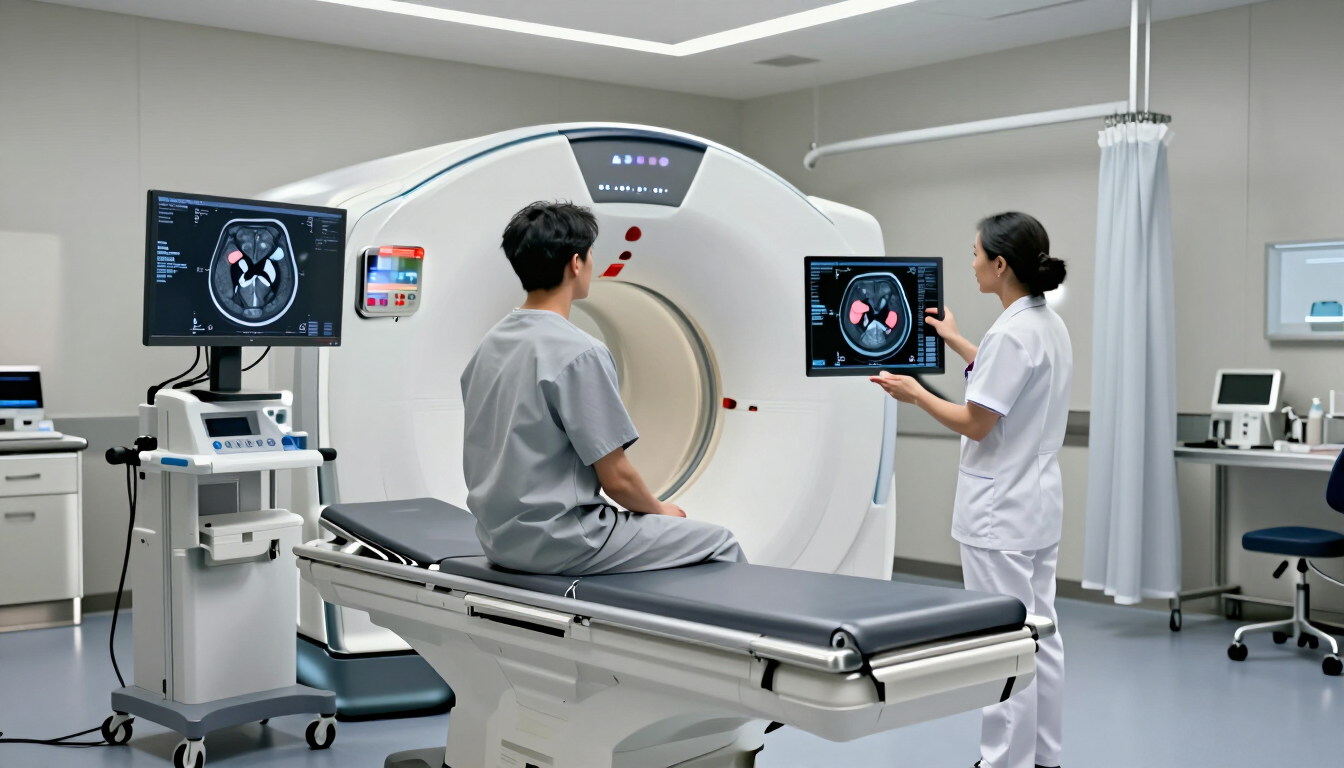
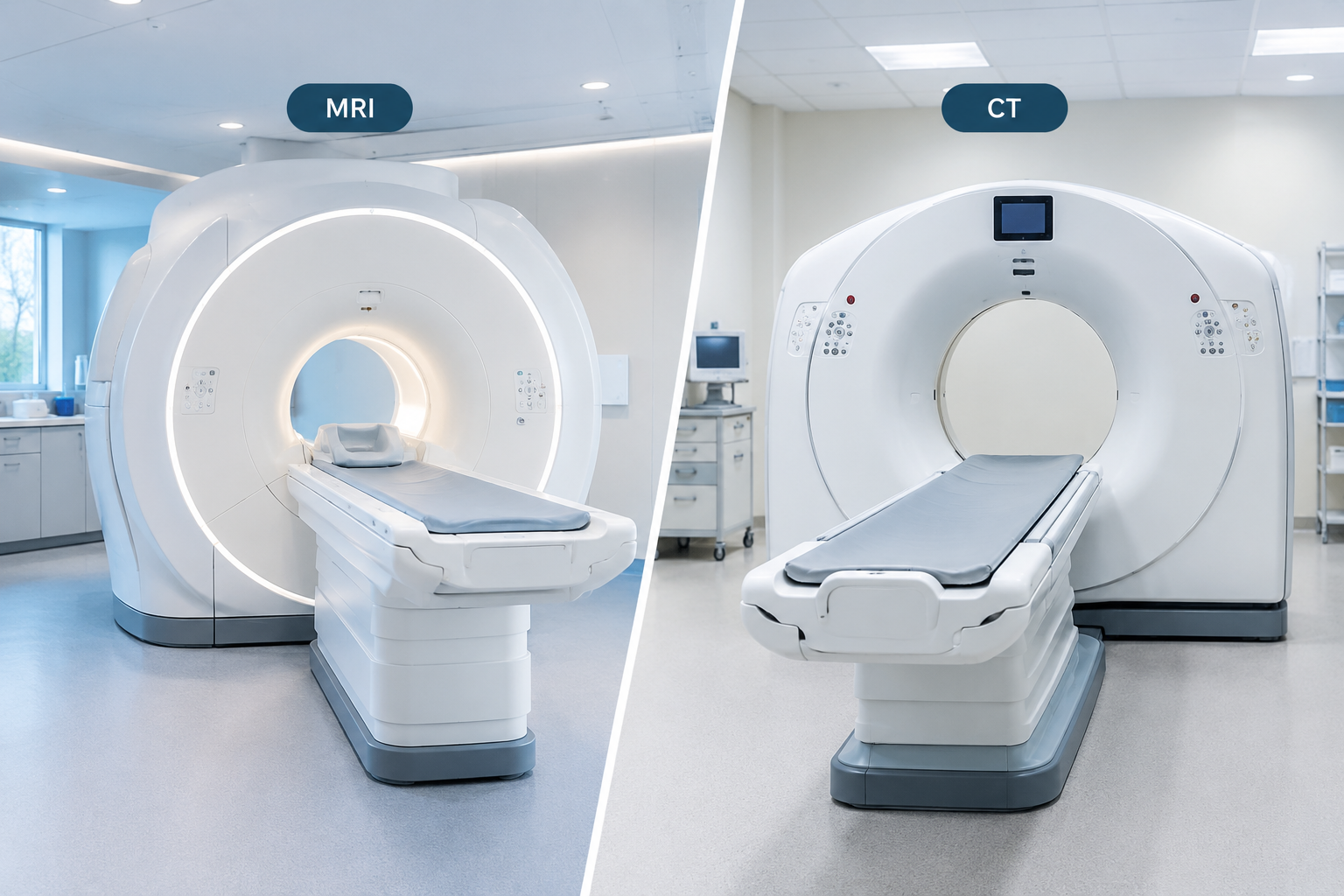
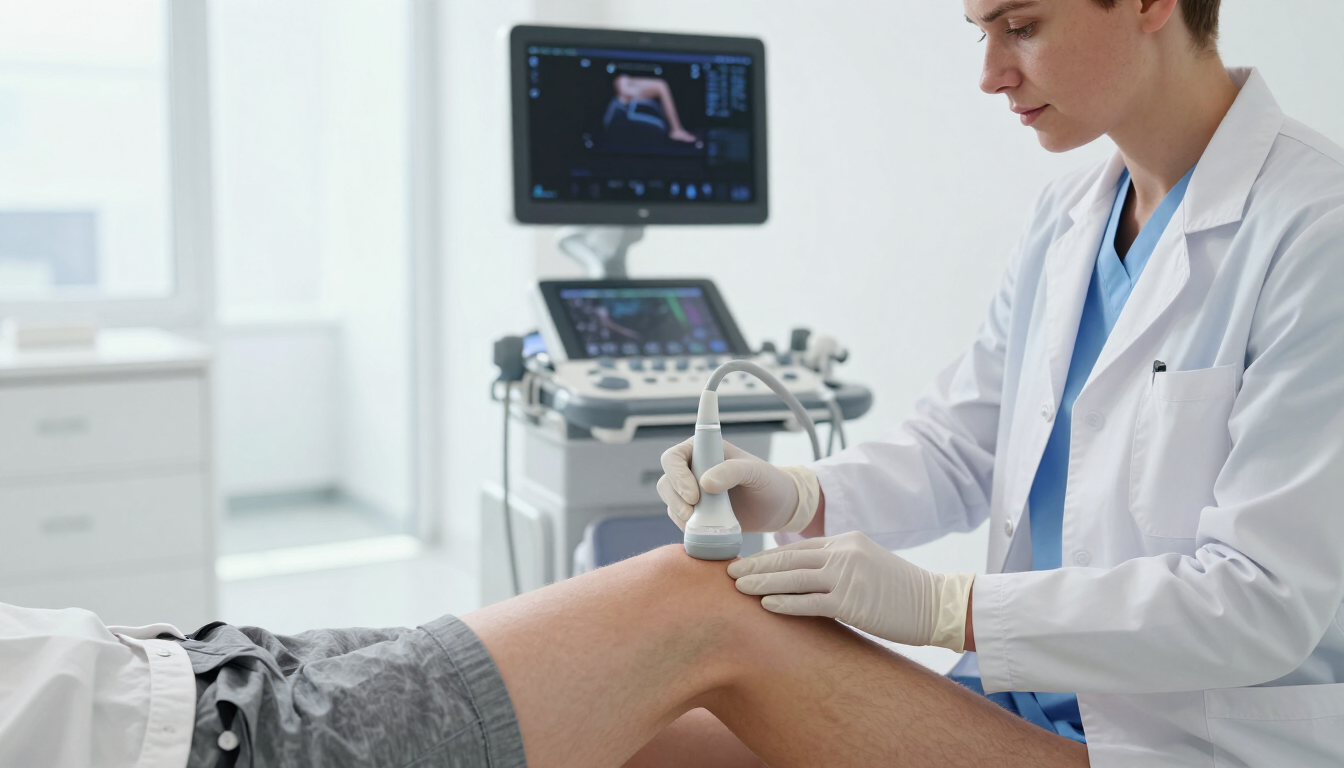
While a physical examination is the first step, imaging provides the definitive answer. But when is it time to move from 'wait and see' to booking a scan? For a calf strain, an MRI is usually recommended if the injury isn't improving as expected or if a complete rupture is suspected. An MRI provides an incredibly detailed view of the soft tissues, allowing consultants to see exactly how many muscle fibres are torn and if the tendon is involved. This level of detail is crucial for professional athletes who need a precise recovery timeline.
When it comes to DVT, the diagnostic pathway is slightly different. Typically, a D-dimer blood test and a Doppler ultrasound are the first lines of defence. However, an MRI (specifically an MR Venogram) can be used in complex cases where ultrasound results are inconclusive or if the clot is suspected to be higher up in the pelvis. The speed of diagnosis is the most critical factor here. Waiting days for an appointment through traditional channels can be risky.
At MRI Plus, we understand that waiting for answers causes anxiety. Getting a scan quickly means:
- Eliminating the guesswork between a strain and a clot.
- Starting the correct treatment immediately (anticoagulants for DVT, physio for strains).
- Preventing further injury or complications.
- Gaining a clear 'roadmap' for your rehabilitation.
- Peace of mind for you and your family.
Diagnostic Imaging Options at MRI Plus
We pride ourselves on providing a rapid, patient-centric approach to diagnostics. When you are dealing with leg pain, you don't want to navigate a complex system; you want clarity. Our facilities in London and Leigh on Sea are equipped with state-of-the-art technology designed to get you the answers you need without the typical delays found in traditional healthcare pathways.
Our service model focuses on four key pillars:
- Speed: We offer rapid appointment availability, often within days.
- Clarity: Our pricing is transparent, so you know exactly what to expect.
- Expertise: All scans are interpreted by qualified clinical professionals.
- Technology: We use digital reporting to ensure your results reach you and your doctor quickly.
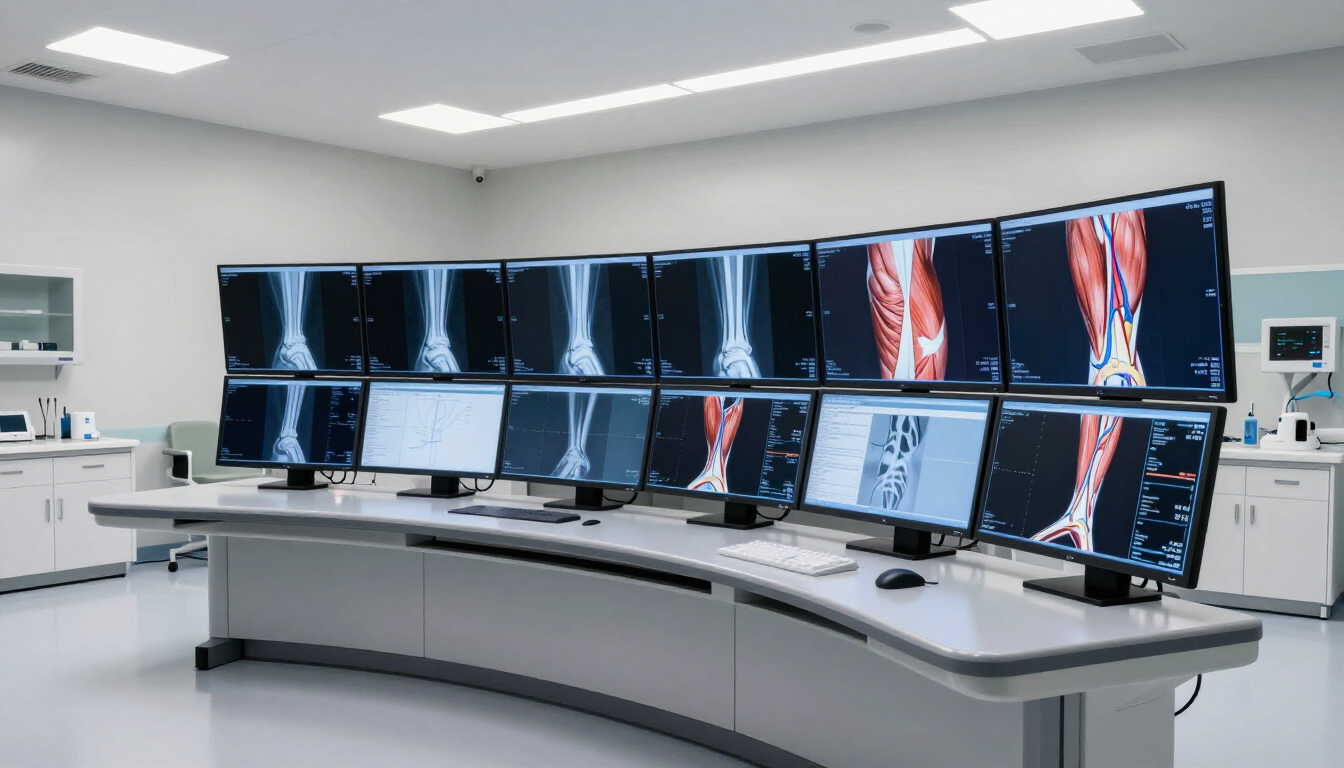
Whether you need an MRI to assess a stubborn sports injury or are seeking a private pathway for vascular concerns, we provide a streamlined experience. By choosing a private provider, you bypass the long waiting lists, which is especially important when DVT is a possibility. Timely access to diagnostics isn't just a luxury; it is a critical component of modern healthcare that ensures better outcomes and faster returns to your normal daily activities.
Summary: Know the Difference, Take Action
Distinguishing between a calf strain and DVT is essential for your long-term health and safety. While a strain is a painful muscle tear that requires rest and rehabilitation, DVT is a dangerous blood clot that necessitates immediate medical intervention. If your leg pain is accompanied by warmth, widespread swelling, or occurs without a clear injury, treat it as an emergency. For athletes, don't ignore persistent pain that feels different from a typical muscle pull.
Key Takeaways:
- A calf strain usually happens during activity; DVT often happens after rest or travel.
- Swelling from a strain is localised; DVT swelling often affects the whole lower leg.
- DVT is a medical emergency due to the risk of pulmonary embolism.
- MRI scans provide definitive detail for muscle injuries, while ultrasound is primary for clots.
- Seeking rapid private diagnostics can significantly reduce the risk of complications.
If you are experiencing unexplained leg pain, don't wait. Consult a professional or book a diagnostic scan to ensure you are on the right path to recovery. Your health and mobility depend on taking the right action at the right time.
If you are experiencing unexplained leg pain, don't wait. Consult a professional or book a diagnostic scan to ensure you are on the right path to recovery. Your health and mobility depend on taking the right action at the right time.
FAQ's :
How do I know if calf pain is DVT?
DVT (deep vein thrombosis) can cause pain, swelling, warmth, redness or tenderness in one calf, often without an obvious injury. However, these symptoms can have other causes, so you cannot confirm DVT from symptoms alone. If you develop sudden calf swelling or pain, seek urgent medical advice, especially if you also have chest pain or breathlessness.
Can a pulled calf muscle feel like a blood clot?
Yes. A pulled calf muscle can feel similar to a DVT, causing pain, tenderness and sometimes swelling.
How can I tell if my calf is strained?
A calf strain often causes localised pain, tenderness, stiffness or swelling, particularly after exercise or a sudden movement. Pain may worsen when walking, stretching, or pushing off with your foot. If you have unexplained one-sided swelling, warmth or redness, seek medical advice to rule out a blood clot.
How do I get rid of a calf strain?
For a mild calf strain, rest from painful activity, use ice for the first 24–48 hours, and gradually return to gentle movement as pain improves. Avoid strenuous exercise until you can walk and stretch the calf comfortably. If pain is severe, swelling is significant, or symptoms are not improving, seek medical advice.
References:
Website, N. (2026, August 11). DVT (deep vein thrombosis). nhs.uk. https://www.nhs.uk/conditions/deep-vein-thrombosis-dvt/
Website, N. (2026a, July 9). Sprains and strains. nhs.uk. https://www.nhs.uk/conditions/sprains-and-strains/
Brown, Y. (n.d.). Deep Vein thrombosis (DVT). Royal Orthopaedic Hospital.
https://roh.nhs.uk/services-information/other-info/after-surgery/deep-vein-thrombosis-dvt