Fatty Liver MRI Scan: How It Works & When You Need One
A fatty liver MRI scan is a non-invasive diagnostic tool that uses advanced imaging techniques like PDFF to quantify liver fat and MRE to assess scarring. It provides a precise, pain-free alternative to traditional biopsies for diagnosing and monitoring Metabolic Dysfunction-Associated Steatotic Liver Disease (MASLD).
The Shift to MASLD: Why Names Matter in 2026
For decades, you might have heard the term "Non-Alcoholic Fatty Liver Disease" or NAFLD. However, the medical community recently shifted to a more accurate and inclusive term: Metabolic Dysfunction-Associated Steatotic Liver Disease (MASLD). This change isn't just about semantics; it reflects a deeper understanding of how liver health is inextricably linked to our metabolic system, including insulin resistance, body mass index, and cardiovascular health.
When we talk about a fatty liver MRI scan , we are looking at the body's primary filtration plant. The liver is a resilient organ, but when fat begins to accumulate—often due to metabolic factors—it can lead to inflammation and eventually fibrosis (scarring). In the past, diagnosing the severity of this condition was a challenge. It often required invasive procedures that left patients anxious and uncomfortable.
Today, at MRI Plus, we utilize cutting-edge technology to offer a clearer picture without the need for needles.
Understanding your liver health is crucial because MASLD is often a "silent" condition. You might feel perfectly fine while your liver is under significant stress. By the time symptoms like fatigue or abdominal discomfort appear, the condition may have already progressed. This is why specialized imaging has become the gold standard for early detection and proactive management. If you are looking for the latest updates in diagnostic technology, you can always check our MRI Plus News section.
What is a Fatty Liver MRI Scan?
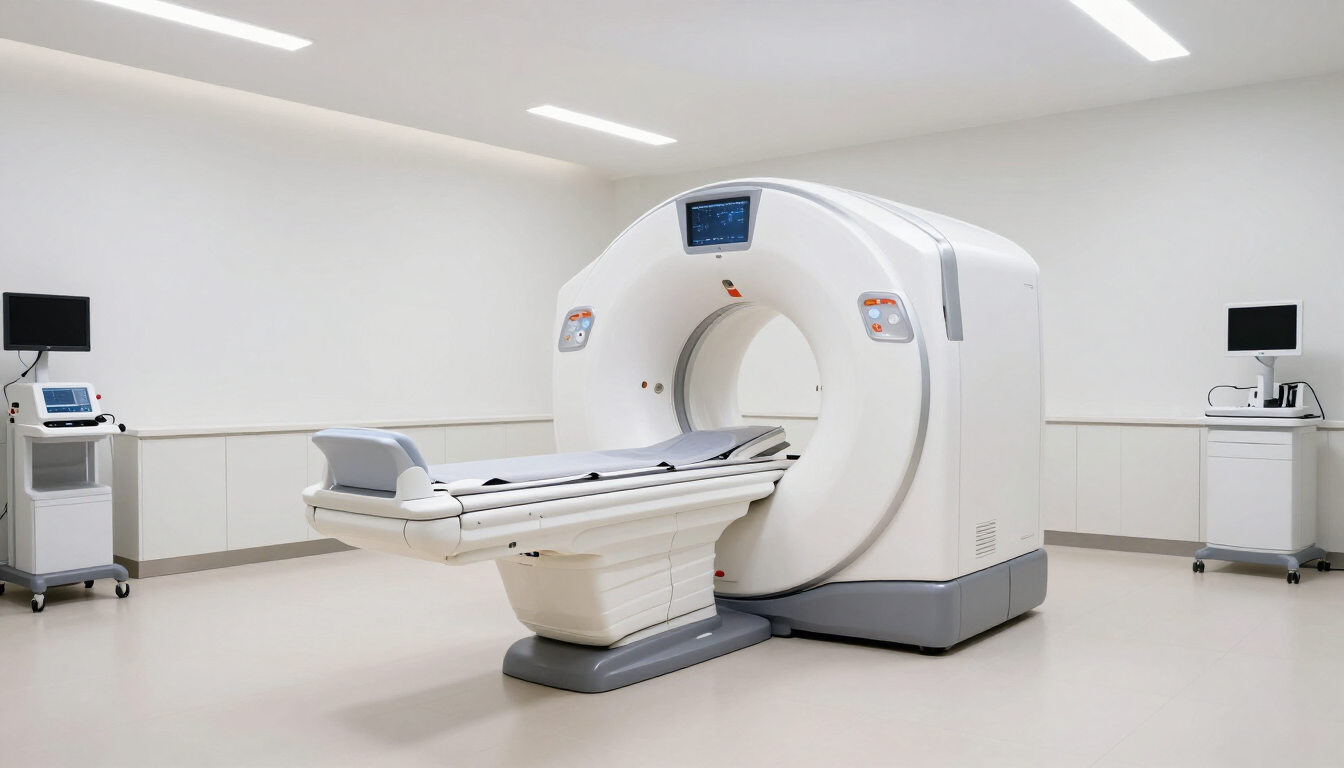
A fatty liver MRI scan is a specialized form of Magnetic Resonance Imaging designed to look specifically at the composition of liver tissue. Unlike a standard MRI that might look for tumors or structural damage, a liver scan for MASLD uses specific software protocols to measure the concentration of fat within the liver cells.
At its core, this technology exploits the magnetic properties of water and fat molecules. Because these molecules react differently when exposed to radiofrequency pulses in a magnetic field, the MRI can distinguish between them with incredible precision. The result is a mapped image that shows exactly how much of your liver is comprised of fat. This is often referred to as a "fat fraction" report.
How Does an MRI for MASLD Work?
The process of a fatty liver MRI scan involves two primary advanced techniques: MRI-PDFF (Proton Density Fat Fraction) and MRE (Magnetic Resonance Elastography). Understanding these can help demystify the experience:
- MRI-PDFF: This is the current gold standard for measuring liver fat. It provides a percentage-based measurement of fat across the entire liver, which is far more accurate than the subjective "grading" used in ultrasounds.
- MRE (Elastography): Think of this as a virtual "touch" test. It sends low-frequency vibrations through the liver to measure its stiffness. Scanned images show where the tissue is flexible and where it has become rigid due to scarring (fibrosis).
- Multiparametric Mapping: Some advanced scans also look at iron levels and inflammation, providing a comprehensive "biopsy-like" report without the incision.
- Signal Localization: The machine focuses on specific quadrants of the liver to ensure no localized pockets of fat are missed.
- Rapid Data Processing: Modern software allows our clinicians at MRI Plus to interpret these complex signals quickly, ensuring you get your results without the long wait times often found in traditional pathways.
What Can a Liver Fat Quantification Scan Show?
When you receive your results from a liver fat quantification scan, you aren't just getting a "yes" or "no" answer. You are receiving a detailed data set that helps your consultant tailor a treatment plan specifically for you. The scan typically reveals:
- Steatosis Grade: The exact percentage of fat in your liver, categorized from mild to severe.
- Fibrosis Stage: Whether there is any scarring and, if so, how advanced it is (ranging from F0 to F4).
- Inflammation Levels: Indications of active liver stress that may be reversible with lifestyle changes.
- Organ Volume: The overall size and shape of the liver, which can indicate swelling or congestion.
- Vascular Health: How well blood is flowing through the liver’s complex network of vessels.
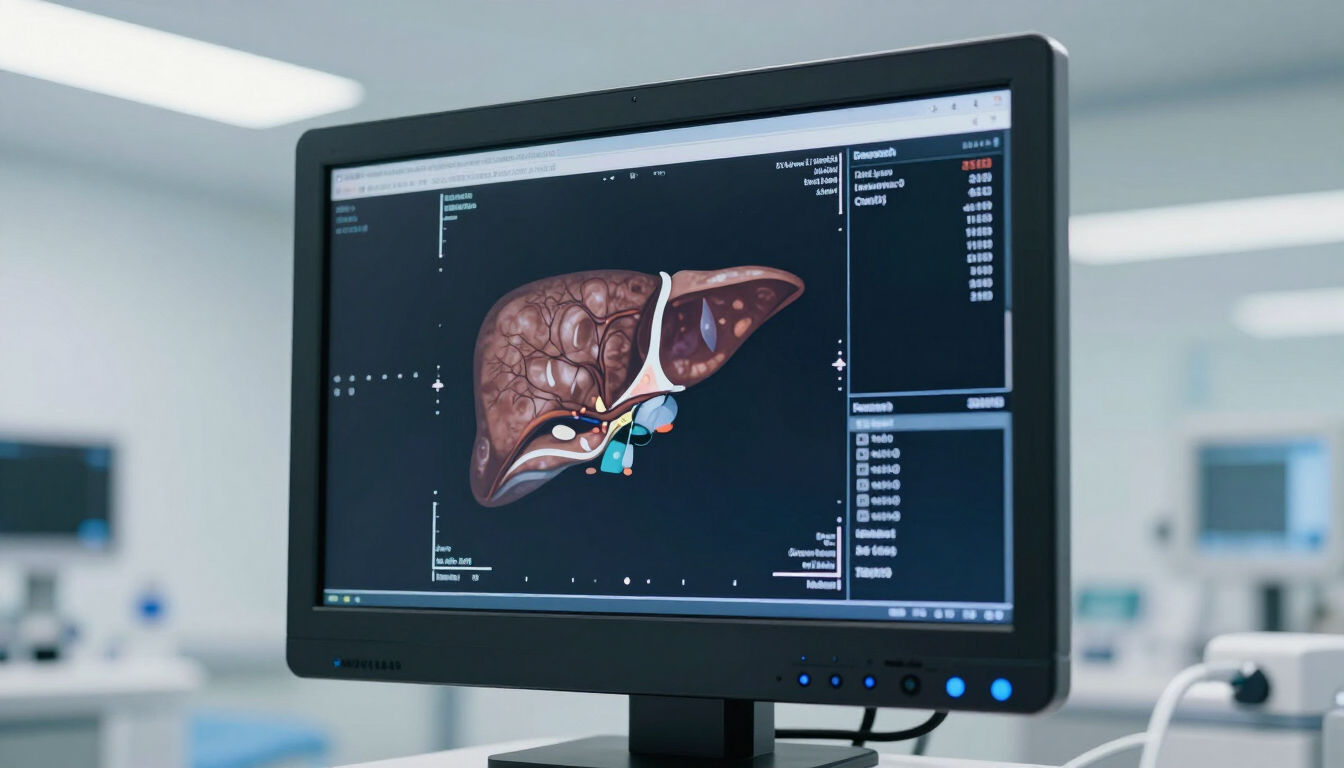
By identifying these factors early, patients can often reverse the damage through diet, exercise, and metabolic management before the condition reaches the stage of cirrhosis.
Advanced Imaging vs. Traditional Biopsy
For years, the only way to truly know what was happening inside a fatty liver was to perform a needle biopsy. This involved inserting a long needle through the skin and into the liver to remove a small piece of tissue. While effective, biopsies have several drawbacks that a fatty liver MRI scan avoids.
First, a biopsy only samples a tiny fraction of the liver—about 1/50,000th of the organ. If the fat or scarring is patchy, the needle might miss the most affected areas, leading to an inaccurate diagnosis. In contrast, an MRI scans the entire organ, providing a whole-liver assessment. Second, biopsies carry risks, including pain, internal bleeding, and, in rare cases, infection. An MRI is completely non-invasive, involves no radiation, and requires no recovery time. For patients in London and Leigh-on-Sea, this means you can have your scan and get back to your day immediately.
When Should You Get a Fatty Liver MRI?
You might be wondering if this scan is right for you. While your GP or consultant will make the final recommendation, certain risk factors make a fatty liver MRI scan a wise choice for proactive health management. You should consider a scan if you fall into any of the following categories:
- High BMI or Type 2 Diabetes: These are the leading metabolic drivers of MASLD.
- Abnormal Liver Function Tests (LFTs): If your blood work shows elevated enzymes like ALT or AST, it's a sign your liver is under stress.
- Inconclusive Ultrasound: Standard ultrasounds are notoriously poor at detecting fat levels below 20-30%. If your ultrasound was "borderline," an MRI can provide the clarity you need.
- Family History: A history of liver disease or metabolic syndrome can increase your genetic predisposition.
- Monitoring Progress: If you have already been diagnosed with fatty liver and are making lifestyle changes, an annual MRI-PDFF is the best way to track if your fat levels are actually decreasing.
Preparing for Your Diagnostic Appointment
One of the best things about an MRI at MRI Plus is the simplicity of the process. However, to get the most accurate quantification of liver fat, there are a few steps you should take. Usually, we recommend fasting for about 4 to 6 hours before the scan. This is because gallbladder activity and blood flow to the liver change after a meal, which can slightly affect the tissue density readings.
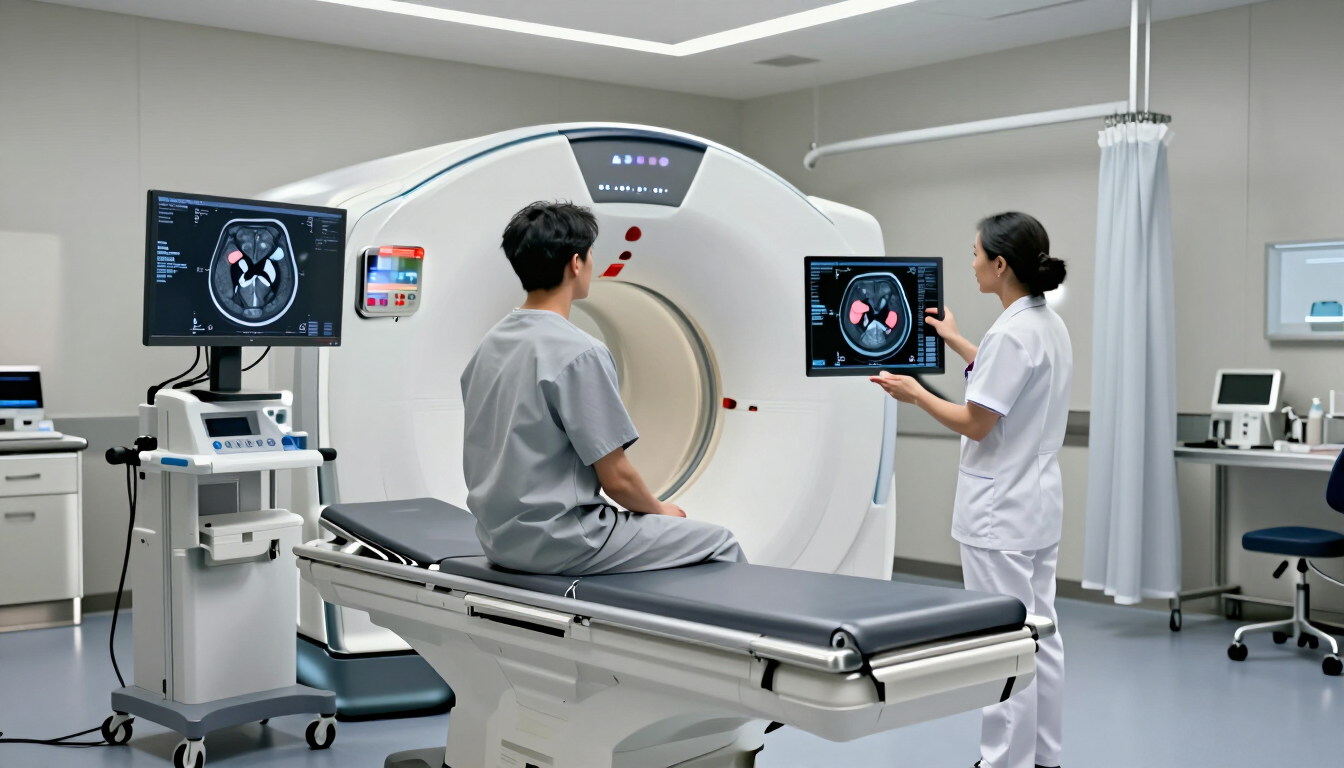
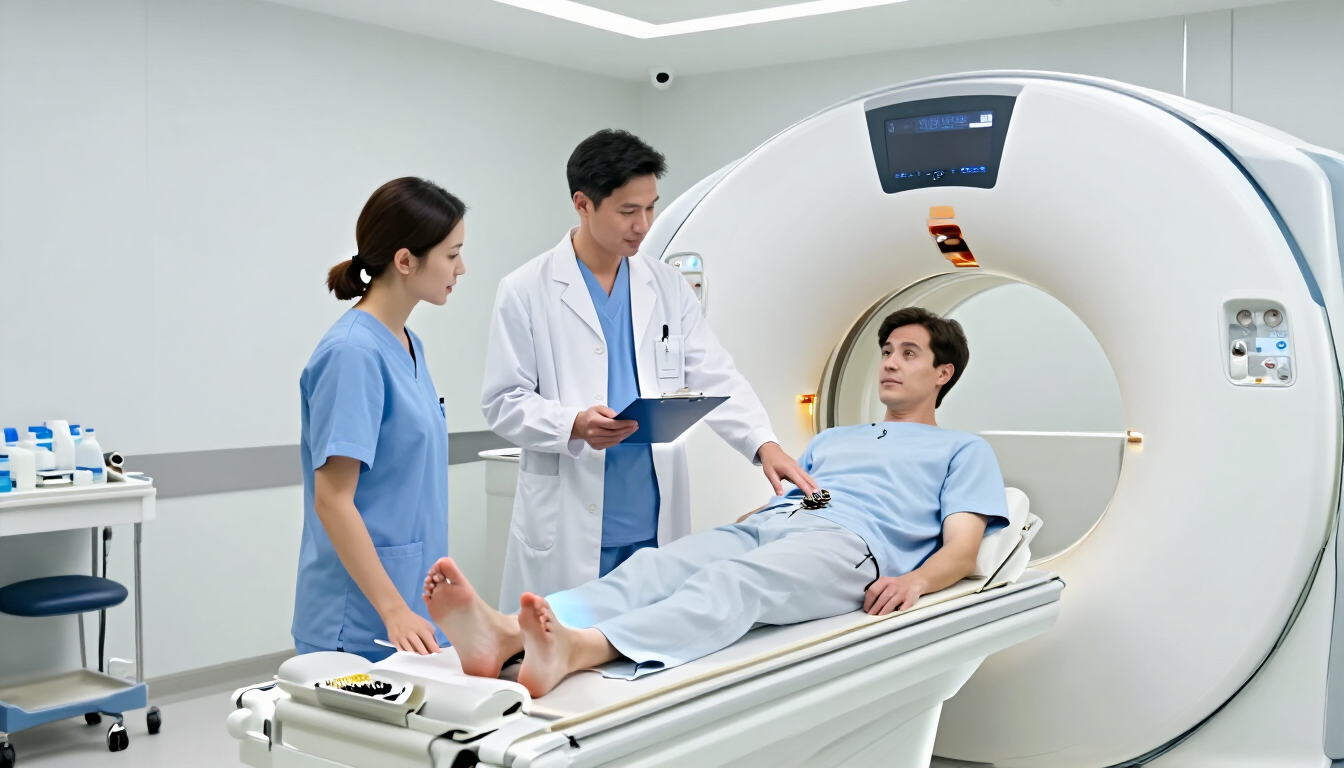
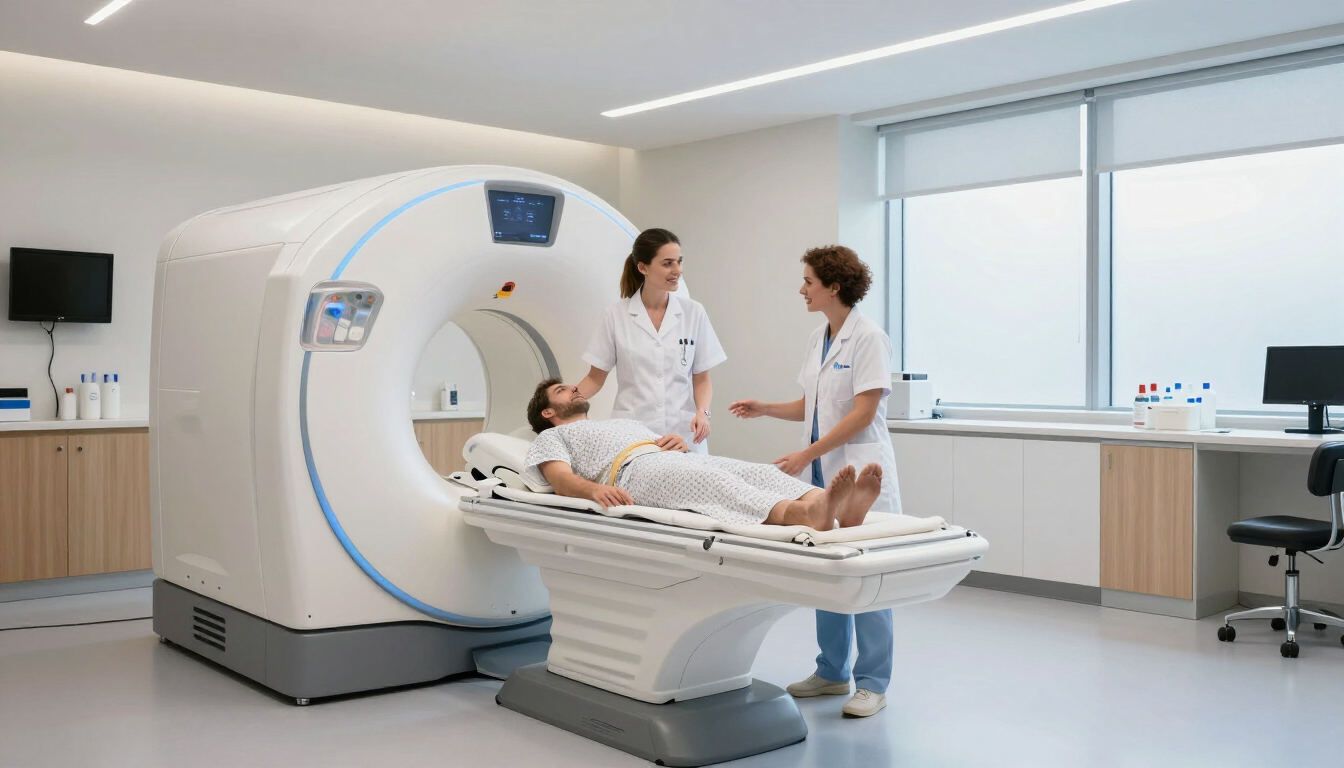
When you arrive at our clinic, you'll be greeted by our friendly team who will guide you through a safety screening. You'll change into a gown and lie comfortably on the scanner bed. The scan itself typically takes between 20 and 45 minutes, depending on the complexity of the sequences required. Our goal is to make the experience as stress-free as possible, providing clear communication at every step.
Summary: Taking Control of Your Liver Health
In conclusion, a fatty liver MRI scan is the most advanced, non-invasive method available in 2026 for diagnosing and monitoring MASLD. By providing precise fat quantification and identifying early-stage fibrosis, it empowers you and your healthcare provider to make informed decisions about your metabolic health.
Key Takeaways:
- Precision: MRI-PDFF provides an exact fat percentage, unlike the vague categories of ultrasound.
- Safety: It is a non-invasive, radiation-free alternative to the traditional liver biopsy.
- Early Detection: It catches inflammation and scarring before they become irreversible.
- Accessibility: With MRI Plus, you can avoid long waiting lists and get rapid results in London or Leigh-on-Sea.
FAQ's :
How long does it take to reverse fatty liver?
Fatty liver disease is one of the conditions their liver MRI is specifically designed to detect, and catching it early gives you the best chance of reversing the damage before it progresses to something more serious like cirrhosis. As general medical context: non-alcoholic fatty liver disease (NAFLD) in its early stages can often be improved within 3–6 months through lifestyle changes — reducing alcohol, losing 5–10% of body weight, improving diet and increasing exercise
Can I live a full life with fatty liver?
Yes, the fatty liver disease alongside cirrhosis, tumours and inflammation as conditions their scan detects, and the overall message is that early identification leads to better outcomes and more options for managing your health.
Which scan is best for fatty liver?
Liver MRI is the gold standard, it's the most accurate way to detect and measure fat in the liver, distinguish it from inflammation or scarring, and monitor changes over time without radiation.
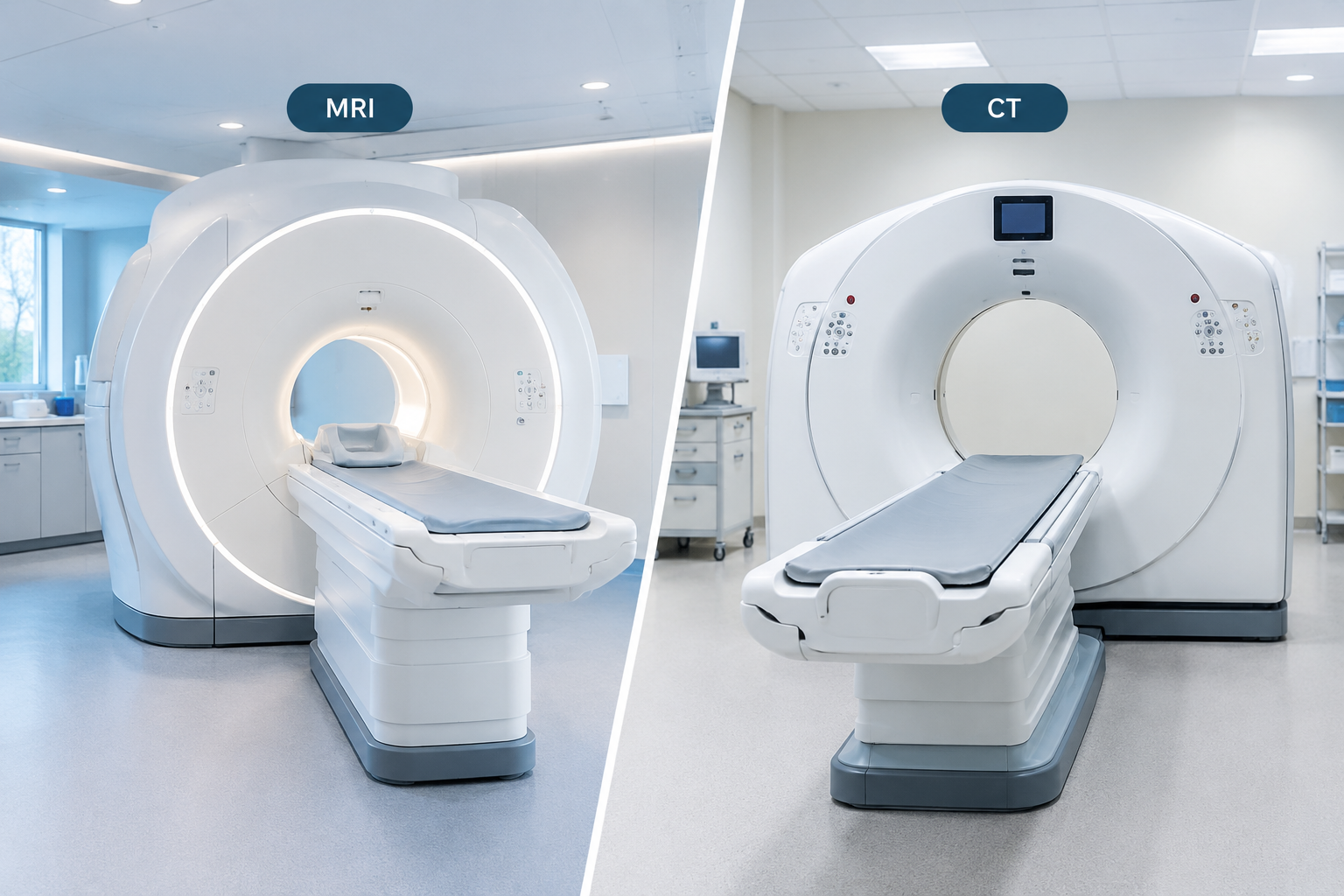
- Ultrasound is often the first step but less sensitive at catching early-stage fat. CT can detect it but uses radiation, making it less ideal for repeat scans. FibroScan measures stiffness (scarring) but doesn't give the full structural picture.
A liver MRI at MRI Plus starts from £199, takes 20–40 minutes, and needs no GP referral.
References :
NICE. (2023, January 12). Overview | MRI-based technologies for assessing non-alcoholic fatty liver disease | Guidance | NICE. https://www.nice.org.uk/guidance/htg655
Website, N. (2026c, September 3). Non-alcoholic fatty liver disease (NAFLD). nhs.uk. https://www.nhs.uk/conditions/non-alcoholic-fatty-liver-disease/