Calf Pain Causes: Common Reasons, Symptoms & When to Get an MRI Scan
Calf pain causes range from minor muscle strains and cramps to serious conditions like deep vein thrombosis (DVT) or sciatica. Understanding whether the pain is sharp, dull, or accompanied by swelling is critical for diagnosis. If symptoms persist, a private MRI scan provides the clinical clarity needed for treatment.
What are the most common calf pain causes?
If you have ever felt a sudden, sharp twinge in the back of your lower leg while running or even just walking to the shops, you know how debilitating calf pain can be. The calf is made up of two primary muscles: the gastrocnemius (the larger, visible muscle) and the soleus (the smaller muscle underneath). Together, they are responsible for moving your foot and helping you push off the ground. When things go wrong, the discomfort can range from a mild ache to a complete inability to bear weight.
Most often, calf pain is musculoskeletal. A calf muscle strain occurs when the muscle fibres are stretched too far or torn. This usually happens during sudden movements, like sprinting or jumping. You might feel a 'pop' or a snap at the moment of injury, followed by immediate pain and swelling. Depending on the severity, these are graded from one to three, with grade three being a full rupture of the muscle.
Another frequent culprit is the muscle cramp , often called a 'charley horse.' These are involuntary contractions of the muscle that can last for a few seconds or several minutes. While they are usually harmless, they can be incredibly painful and leave the muscle feeling tender for days. Common triggers include dehydration, electrolyte imbalances, or simple muscle fatigue from overexertion.

Understanding muscle contusions and tears
Sometimes, the cause isn't internal strain but external impact. A muscle contusion is essentially a deep bruise caused by a direct blow to the calf. This is common in contact sports like football or rugby. While it might look like a simple bruise on the surface, the damage to the underlying muscle tissue can cause significant stiffness and pain.
If the pain is focused lower down, near the heel, it might not be the calf muscle itself but the Achilles tendon . Achilles tendonitis is an overuse injury that causes inflammation in the band of tissue connecting the calf muscles to the heel bone. If this tendon ruptures, the pain is often described as being kicked in the back of the leg, and it requires immediate medical attention.
Is calf pain a sign of something more serious?
While most leg pain resolves with rest and ice, some calf pain causes are medical emergencies. The most critical condition to be aware of is Deep Vein Thrombosis (DVT) . This occurs when a blood clot forms in one of the deep veins of the leg. It is a serious concern because the clot can break loose, travel through the bloodstream, and lodge in the lungs, causing a pulmonary embolism.
Symptoms of DVT include:
- Swelling in only one leg
- Warmth in the skin of the affected calf
- Redness or discolouration
- Pain that feels like a heavy ache or a cramp
- Tenderness when touching the area
If you experience these symptoms, especially after a long flight, surgery, or prolonged immobility, you must seek medical advice immediately.
What is Peripheral Artery Disease (PAD)?
Another circulatory cause of calf pain is Peripheral Artery Disease (PAD) . This happens when the arteries that supply blood to your legs become narrowed or blocked by fatty deposits (atherosclerosis). The hallmark of PAD is 'claudication'—pain or cramping in the calves that starts when you walk or exercise and stops when you rest. This occurs because the muscles aren't getting enough oxygenated blood to meet the demands of the activity. If left untreated, PAD can increase the risk of heart attack or stroke.
Why does my back cause calf pain?
It might seem strange, but the source of your calf pain could actually be your spine. Sciatica occurs when the sciatic nerve, which runs from the lower back down through the legs, becomes compressed or irritated. This compression is often caused by a herniated disc in the lumbar spine.
When the nerve is pinched, it can send shooting pains, tingling, or numbness all the way down into the calf and foot. Patients often describe this as an 'electric' sensation. Because the problem is neurological rather than muscular, traditional calf stretches often won't provide relief. In these cases, an MRI is essential to look at the spine and determine exactly where the nerve is being pinched.

When should you get an MRI for calf pain?
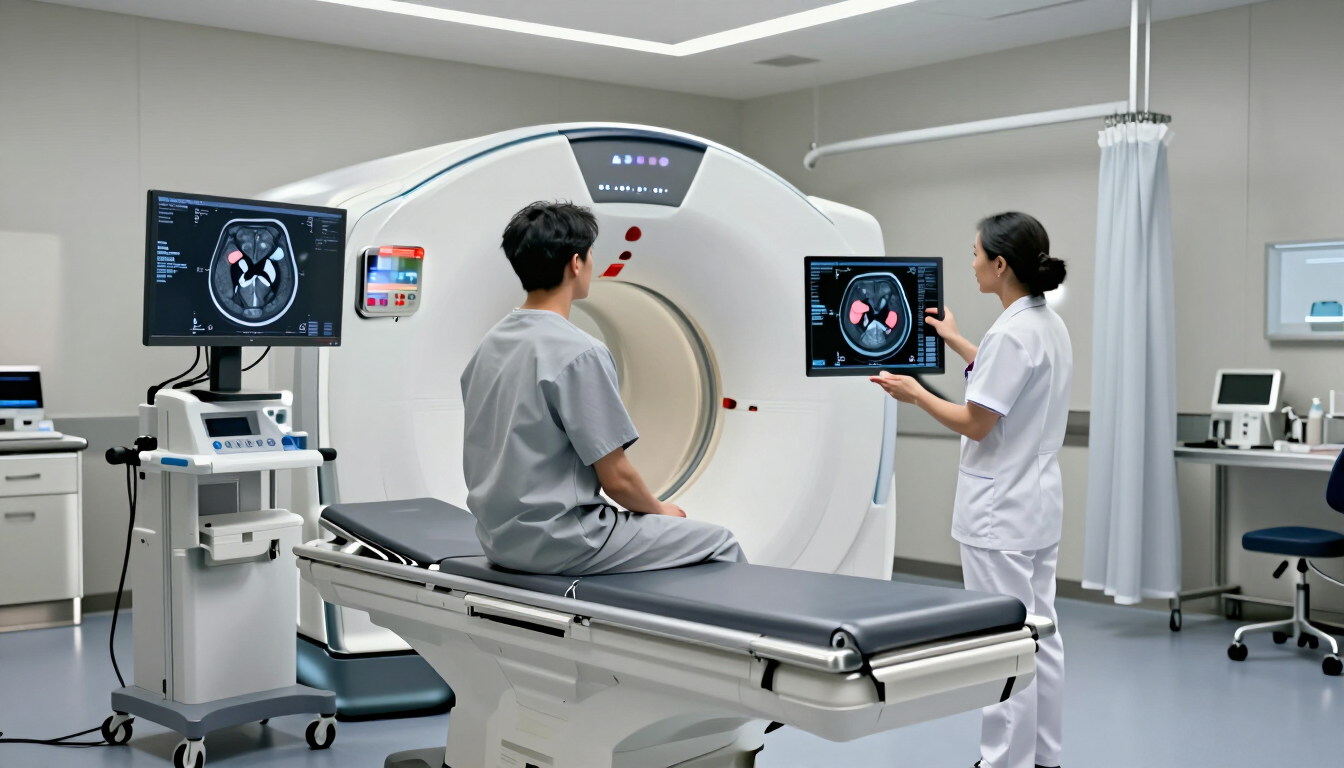
An MRI (Magnetic Resonance Imaging) scan is the gold standard for diagnosing complex calf pain causes. While an X-ray is excellent for looking at bones, it cannot see the soft tissues like muscles, tendons, ligaments, and nerves. If your pain hasn't improved after two weeks of rest, or if your doctor is unsure whether you have a muscle tear, a blood clot, or a nerve issue, an MRI provides the definitive answer.
At MRI Plus, we specialise in providing rapid access to these diagnostic tools. In the traditional healthcare pathway, you might wait weeks for a specialist referral and further weeks for a scan. We eliminate that friction. Whether you are in London or Leigh-on-Sea, you can book a private calf scan to get results in days, not months. This speed is vital for athletes wanting to return to sport or individuals worried about circulatory issues.
The benefits of an MRI scan
Using an MRI for calf pain offers several clinical advantages:
- High Resolution : It identifies tiny micro-tears in the muscle that other scans miss.
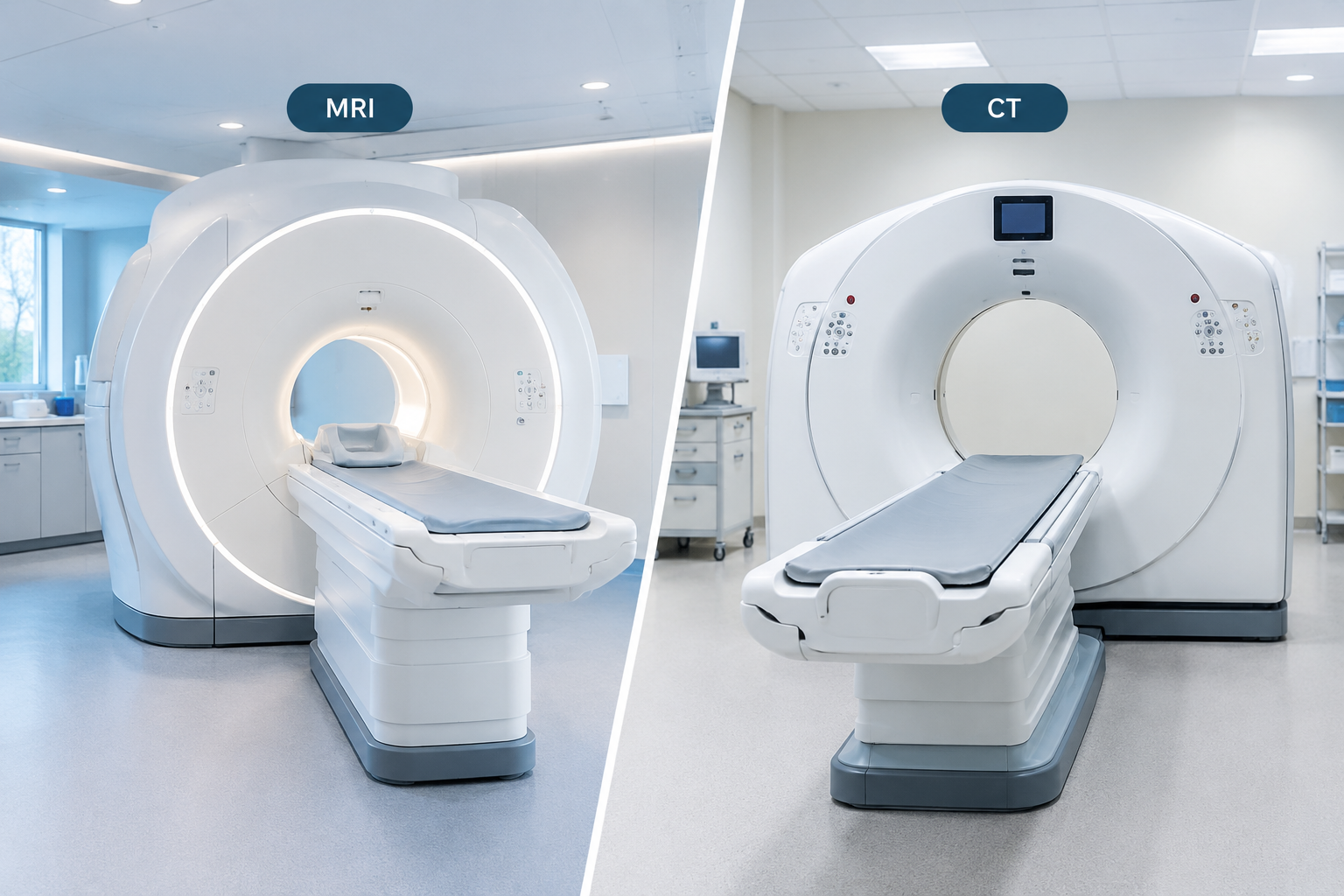
- No Radiation : Unlike CT scans, MRI uses magnetic fields and radio waves.
- DVT Exclusion : It can help rule out vascular complications in conjunction with ultrasound.
- Spinal Insight : It determines if the calf pain is referred from a herniated disc.
- Pre-Surgical Planning : If a rupture is severe, the scan guides the surgeon's approach.
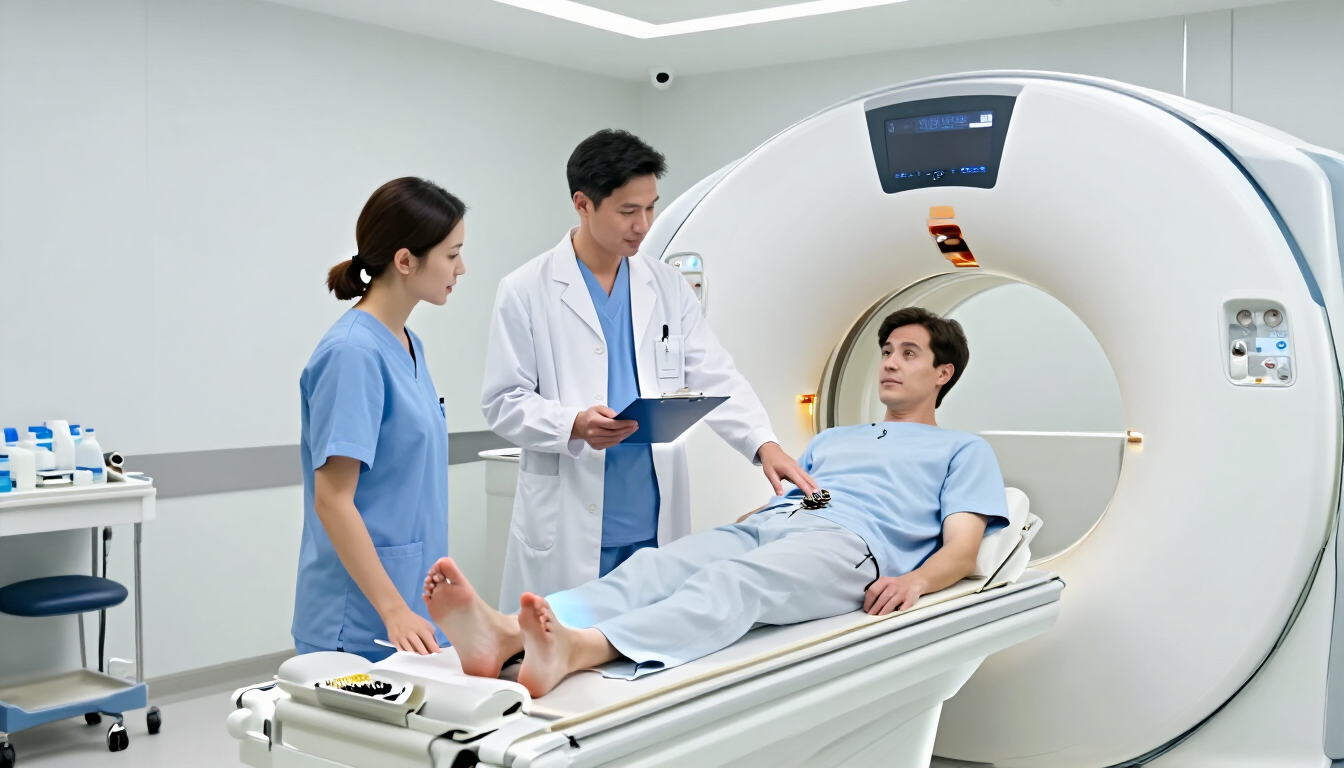
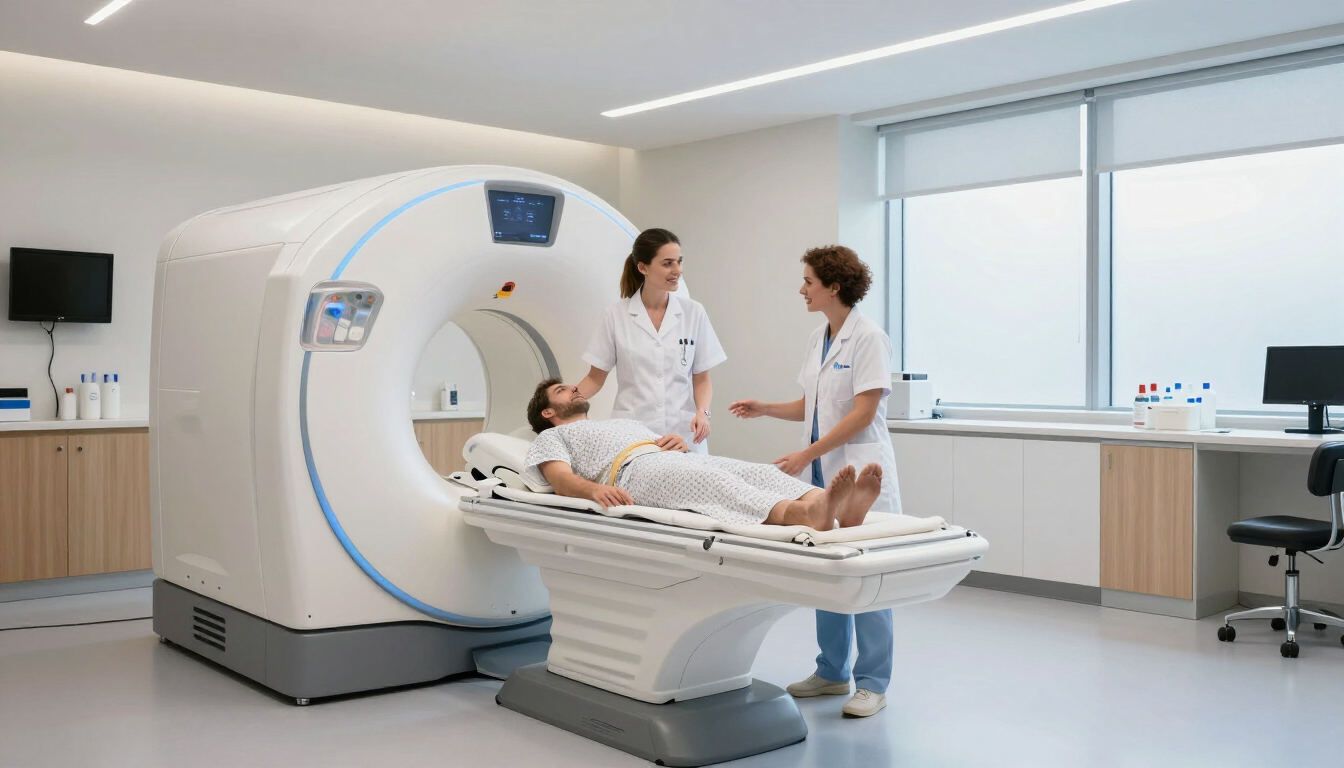
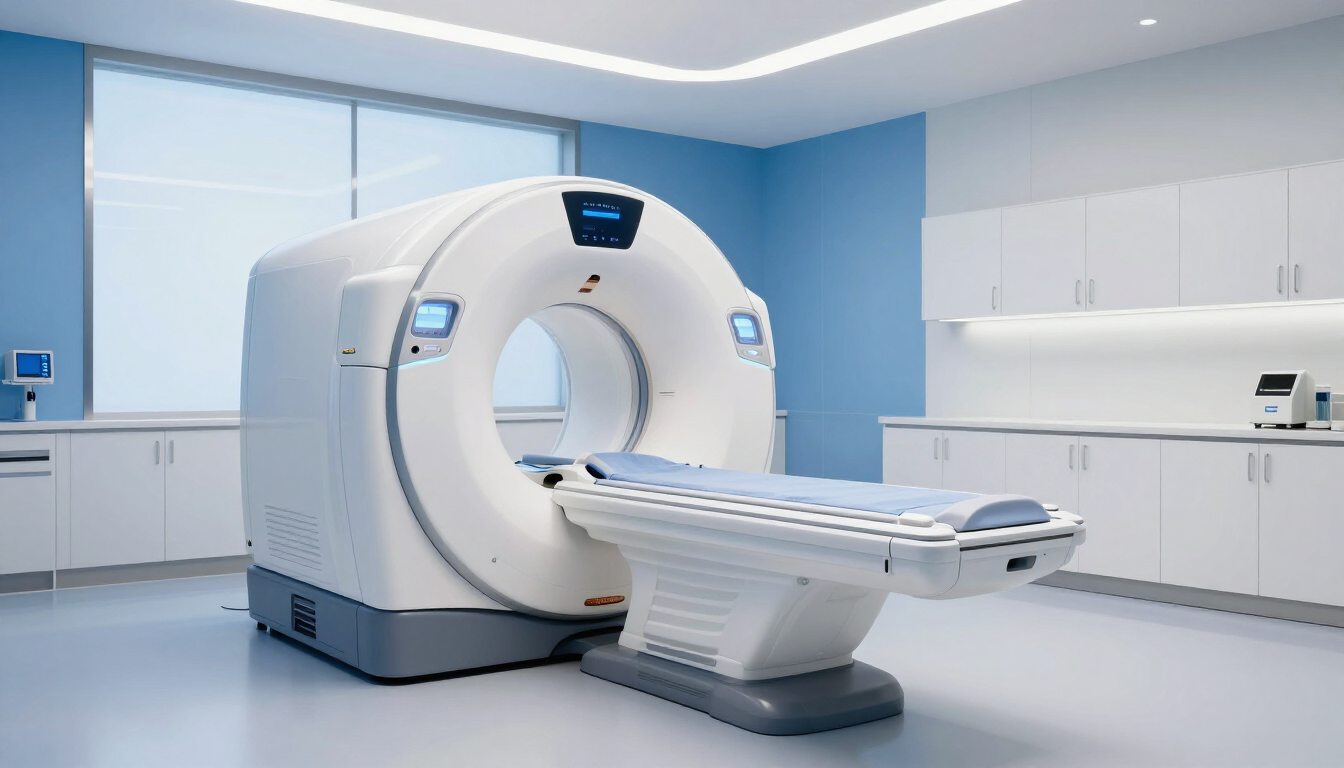
When you visit an MRI Plus facility, the process is designed to be as stress-free as possible. The scan typically takes between 20 and 40 minutes. You will lie on a comfortable bed that slides into the scanner, and our team will be in constant communication with you throughout. Once the images are captured, they are reviewed by a consultant radiologist who provides a detailed report for your doctor or physiotherapist.
How to manage calf pain at home
While waiting for your diagnostic appointment, managing the symptoms is key. For musculoskeletal injuries, the 'RICE' method is still the standard advice:
- Rest : Avoid activities that cause pain.
- Ice : Apply an ice pack for 15-20 minutes every few hours.
- Compression : Use an elastic bandage to reduce swelling.
- Elevation : Keep your leg raised above the level of your heart.
However, if the pain is caused by PAD or Sciatica, the RICE method may not be effective. This is why getting an accurate diagnosis is the most important step you can take. Knowing the cause allows for a targeted treatment plan, whether that involves physiotherapy, medication, or in some cases, surgical intervention.
Summary: Taking the next step for your health
Calf pain is a common symptom that can stem from a variety of causes, ranging from simple muscle fatigue to serious vascular or neurological conditions. By identifying the specific nature of the pain—whether it is a sharp strain, a heavy ache from DVT, or the electric shock of sciatica—you can take the right steps toward recovery. Early intervention is key to preventing long-term damage and ensuring a fast return to your normal daily activities.
Key Takeaways for Managing Calf Pain:
- Identify the trigger : Note if the pain started suddenly during exercise or gradually over time.
- Watch for red flags : Swelling, heat, and redness in one calf require urgent medical evaluation to rule out DVT.
- Seek clinical clarity : If pain persists beyond 10-14 days, an MRI scan is the best way to see exactly what is happening inside the leg.
- Act fast : Private diagnostics at MRI Plus offer a pathway to skip long waiting lists and get answers within days.
- Follow professional advice : Once you have your scan results, work with a professional to build a recovery plan tailored to your specific diagnosis.
Don't let calf pain keep you sidelined. Whether you are dealing with a recurring sports injury or new, unexplained discomfort, getting a fast and accurate diagnosis is the most effective way to regain your mobility and peace of mind.
Visit MRI Plus today to schedule your scan and move forward with confidence.
FAQ's :
How to relieve calf muscle pain?
For mild calf pain caused by exercise or a muscle strain, rest from strenuous activity, use gentle stretching and apply a cold pack to reduce discomfort or swelling. If the pain is persistent, severe, or associated with swelling or unexplained symptoms, speak to a healthcare professional for assessment. An MRI scan can help identify muscle, tendon or soft-tissue injuries when further investigation is needed.
How do I know if my calf pain is serious?
Calf pain may need medical attention if it is severe, persistent, worsening, or occurs without an obvious injury. Seek prompt medical advice if you notice swelling, redness, warmth, significant tenderness, or pain in one calf, as these can sometimes be signs of a blood clot (DVT). For ongoing or unexplained muscle pain, an MRI scan can help assess muscles, tendons and other soft tissues.
What deficiency causes tight calves?
Low levels of magnesium, potassium or calcium can sometimes contribute to muscle tightness or cramps. However, tight calves can also result from dehydration, overuse, muscle strain or other conditions. If tightness is persistent, painful or unexplained, speak to a healthcare professional for an appropriate assessment
References:
NICE. (2020, March 26). Recommendations | Venous thromboembolic diseases: diagnosis, management and thrombophilia testing | Guidance | NICE. https://www.nice.org.uk/guidance/ng158/chapter/Recommendations
Appropriateness criteria. (n.d.). https://www.acr.org/clinical-resources/clinical-tools-and-reference/appropriateness-criteria
Preview. (n.d.-b).
https://acsearch.acr.org/docs/69361/Narrative/