Pelvis MRI Scan: What to Expect
A pelvis MRI scan is a non-invasive diagnostic test that uses powerful magnetic fields and radio waves to create high-resolution images of the organs and structures within the pelvic region. It is used to evaluate reproductive health, bladder issues, and unexplained pelvic pain without using ionizing radiation.
What does a pelvic MRI scan show?
A pelvis MRI scan gives a very detailed view of internal structures. These structures can be hard to see with X-rays or ultrasounds. Because the pelvis is home to a complex network of muscles, bones, and organs, a high-resolution scan is essential for identifying the root cause of chronic symptoms. When doctors order this scan, they usually want clear information about the reproductive and urinary systems. In some cases, your consultant may recommend an abdomen MRI scan if symptoms extend beyond the pelvis.
For most patients, the scan is requested to investigate the following:
- Reproductive health: Identifying fibroids, endometriosis, or ovarian cysts in women, and prostate or seminal vesicle issues in men.
- Bladder and urinary tract: Detecting tumors, inflammation, or structural abnormalities in the bladder.
- Bone and joint issues: Evaluating the hip joints and pelvic bones for fractures, infections, or avascular necrosis.
- Gastrointestinal concerns: Visualizing the rectum and lower colon to check for inflammatory bowel disease or colorectal cancers.
- Unexplained pain: Investigating the source of chronic pelvic pain or abnormal bleeding that hasn't been resolved through physical examinations.
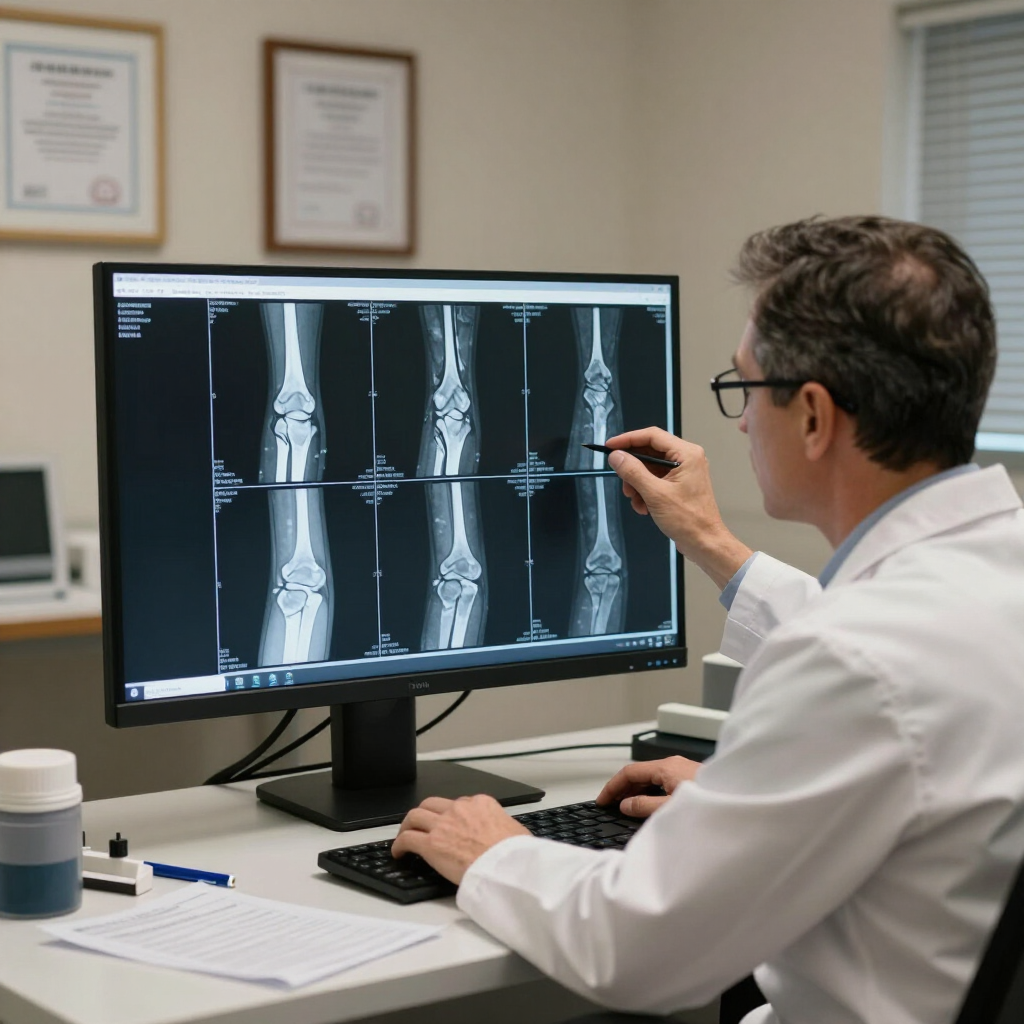
By providing a "slice-by-slice" view of the pelvic cavity, the MRI helps clinicians differentiate between benign conditions and more serious concerns, such as tumors or deep-seated infections. This level of detail is crucial for planning surgeries or monitoring the effectiveness of a current treatment plan. At MRI Plus, we ensure these detailed images are captured using the latest technology to provide your consultant with the clearest possible picture of your health.

Does your whole body go in for a pelvic MRI?
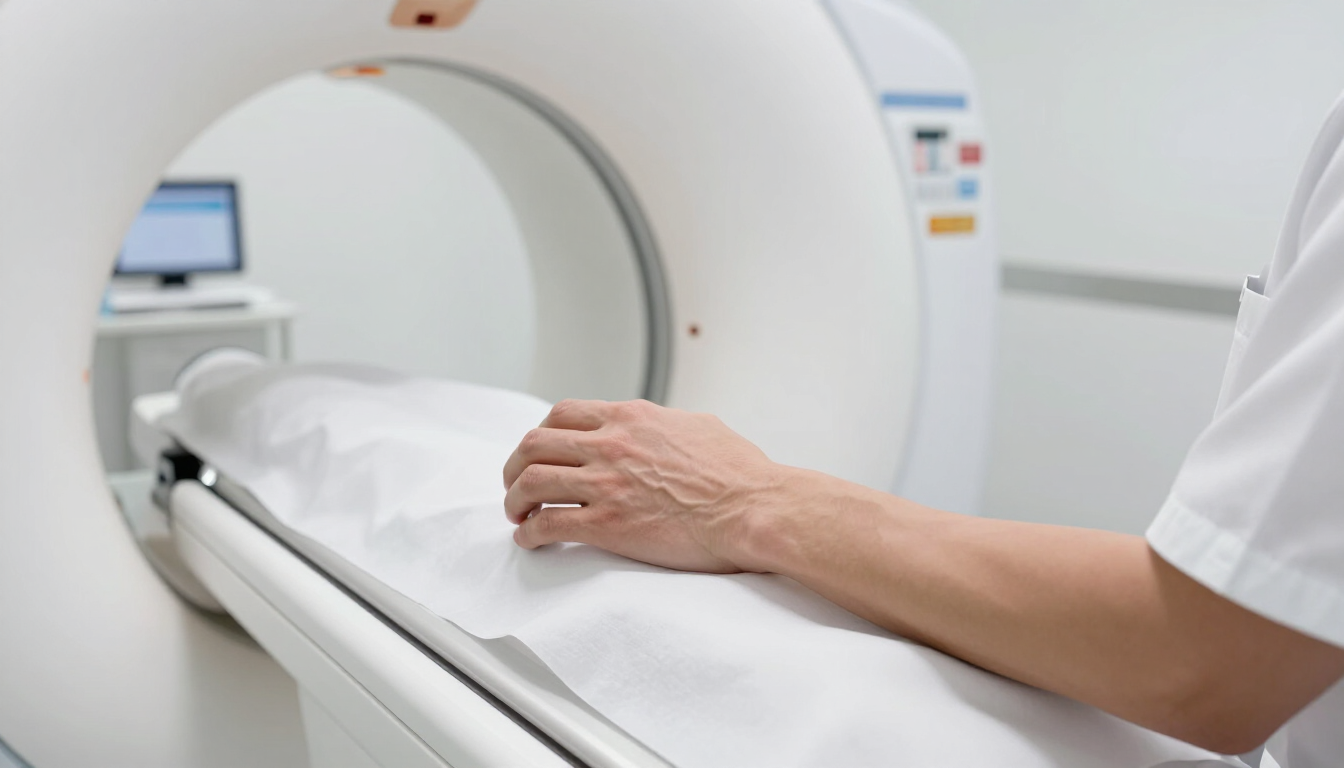
One of the most common questions patients ask is whether they will be fully enclosed in the machine. While a pelvis MRI scan requires you to lie on a motorized table that slides into the scanner, you generally do not feel as "tucked away" as you might for a head or neck scan. For a pelvic scan, your hips are the center of interest, meaning they must be positioned in the center of the magnetic bore.
Depending on your height and the specific design of the MRI machine, your head and shoulders may actually remain near the opening or even slightly outside the scanner. Modern "short-bore" scanners are designed specifically to minimize that feeling of being enclosed. If you struggle with claustrophobia, knowing that your head is closer to the open air can significantly reduce anxiety.
To help you stay comfortable during the procedure, our clinical team provides:
- Ear protection: The machine makes rhythmic knocking or buzzing sounds, so we provide headphones or earplugs.
- Constant communication: You will have a call button to alert the radiographer at any time.
- Music options: Many patients find that listening to music through the headphones helps the time pass quickly.
- Clear instructions: We guide you through the process, so you know exactly how long each sequence lasts.
The process typically takes between 20 to 45 minutes. Staying still is the most important part of the procedure, as even slight movements can blur the images. If you are particularly nervous, our conversational and supportive staff are there to talk you through every step, ensuring you feel in control of the experience from start to finish. For more updates on patient experiences and clinical details, you can visit our website MRI Plus.
Understanding the MRI Pelvis Female Scan
For female patients, a pelvic MRI is often the gold-standard tool for investigating complex gynecological symptoms. If you are experiencing abnormal bleeding, severe menstrual pain, or fertility challenges, your GP or consultant may recommend an MRI pelvis female scan to get a definitive answer. Unlike an ultrasound, which can sometimes be limited by body habitus or gas in the bowel, an MRI can see through these obstacles to provide a crisp view of the uterus, ovaries, and fallopian tubes.
This specific scan is highly effective at mapping out endometriosis, which can be difficult to detect on other scans. It can show the depth of endometrial tissue and whether it has affected other organs like the bladder or bowel. It is also the preferred method for assessing the size and exact location of uterine fibroids before deciding on a surgical or non-surgical treatment path. By understanding the precise landscape of your anatomy, your medical team can offer more personalized and effective care.
How should I prepare for a pelvis MRI scan?
Preparing for a pelvis MRI scan is relatively straightforward, but there are a few key steps to ensure the highest quality images. Because the scan uses powerful magnets, the most important rule is the removal of all metallic objects. This includes jewelry, watches, piercings, and even certain types of clothing with metal zippers or underwires. We usually provide a clinical gown to ensure there is no interference with the magnetic field.
In some cases, your doctor may ask you to follow specific dietary instructions. For a pelvic scan, you might be asked to have a "comfortably full" bladder or, conversely, to fast for a few hours if the focus is on the bowel or rectum. These instructions vary based on the clinical question being asked, so always check your booking confirmation for specific details.
Key preparation steps include:
- Complete the safety questionnaire: Disclose any internal metal implants, such as pacemakers or joint replacements.
- Wear comfortable clothing: Choose easy-to-remove items if you prefer not to change into a full gown immediately.
- Arrive early: Giving yourself 15 minutes before your appointment helps you settle in and complete any last-minute paperwork.
- Inform us of pregnancy: While MRI is generally considered safe, we take extra precautions for patients who are or might be pregnant.
- Preparation section : Before your appointment, it's important to know why removing metal before an MRI scan is essential for both safety and image quality.
If your scan requires "contrast"—a special dye that helps certain tissues stand out—you will be informed ahead of time. This is administered via a small needle in the arm and is very common for investigating inflammation or blood flow. Our team at MRI Plus prioritizes transparency, so we will always explain why a specific protocol is being used for your unique situation.

Pelvic MRI cost and booking efficiency
In the current healthcare climate, waiting times can be a significant hurdle for patients seeking answers. At MRI Plus, we believe that fast access to diagnostics is essential for peace of mind and better health outcomes. One of the biggest advantages of choosing a private provider is the ability to bypass long NHS waiting lists and secure an appointment same-day rather than months.
When considering the pelvic MRI cost, it is important to look at the value of a comprehensive service. Our pricing is transparent and includes not just the scan itself, but also the professional reporting by a specialist radiologist. Being a self-pay patient means you don't need to wait for complex insurance approvals or navigate overstretched public pathways. You can take charge of your health journey immediately.
Our streamlined booking process involves:
- Easy Online Selection: Choose your scan type and preferred location in London or Leigh-on-Sea.
- Rapid Availability: View real-time slots that fit your busy schedule.
- Expert Clinicians: All scans are performed and reviewed by qualified professionals.
- Fast Results: We aim to deliver your digital report and images promptly to your referring clinician.
By reducing the friction of the booking process, we help you move from "symptom" to "solution" much faster. Whether you are dealing with the stress of abnormal bleeding or the discomfort of chronic urological issues, getting a clear diagnosis is the first step toward recovery.
Why choose MRI Plus for your diagnostics?
Choosing where to have your pelvic scan is a big decision. You want a provider that combines clinical excellence with a patient-centric approach. At MRI Plus, we have built our reputation on speed, transparency, and quality. We understand that medical imaging can be intimidating, which is why our conversational and supportive staff are trained to make your visit as stress-free as possible.
Our clinics in London and Leigh-on-Sea are equipped with modern technology designed for both accuracy and patient comfort. We don't just see you as a number on a chart; we see you as a person looking for answers. From the moment you book your pelvis MRI scan to the day you receive your results, we are committed to providing a smooth, high-quality experience that helps you and your doctor make informed decisions about your future.
What are the next steps after your scan?
Once your pelvis MRI scan is complete, the journey toward a diagnosis moves into the analysis phase. You won't receive your results immediately on the day, as the hundreds of images captured need to be meticulously reviewed by a Consultant Radiologist—a doctor who specializes in interpreting medical scans. They will look for any deviations from the norm and compile a detailed report for your GP or specialist.
Here are the core takeaways to remember:
- Wait for the report: Results are typically shared with your referring doctor within a few working days.
- Follow-up appointment: Schedule a time to discuss the findings with your consultant to plan the next steps of your treatment.
- Ask for copies: You can request digital access to your images for your own records or for second opinions.
- Monitor symptoms: While waiting for results, continue to note any changes in your symptoms to share with your doctor.
- Peace of mind: Remember that even a "clear" scan is a valuable piece of information in ruling out serious conditions.
A pelvic MRI is a powerful tool that transforms vague symptoms into clear clinical data. By choosing a fast and reliable provider like MRI Plus, you are ensuring that your health is the priority. If you have persistent pelvic pain, a Pelvis MRI can provide detailed imaging of the bladder, reproductive organs and surrounding tissues.
A pelvic MRI is a powerful tool that transforms vague symptoms into clear clinical data. By choosing a fast and reliable provider like MRI Plus, you are ensuring that your health is the priority. If you're ready to get the answers you deserve, our team is here to help you every step of the way.
Need a Pelvis MRI Scan?
✓ Appointments from £199
✓ Fast Results
✓ London & Essex Locations
Referances :
Pelvis MRI Scan from £199 | MRI Plus. (n.d.). https://mriplus.co.uk/body-parts/pelvis-mri-scan
Radiological Society of North America (RSNA) and American College of Radiology (ACR). (n.d.-b). Abdominal and pelvic MRI. Radiologyinfo.org. https://www.radiologyinfo.org/en/info/mri-abdomen-pelvis
Pelvis MRI scan: MedlinePlus Medical Encyclopedia. (n.d.). https://medlineplus.gov/ency/article/007355.htm