Shoulder Pain Causes: MRI Treatment & Diagnosis
Shoulder pain is often down to things like rotator cuff tears, tendonitis, or bursitis, and it can show up differently in your left or right shoulder. Athletes and people with hands-on jobs often get it from overuse, while those over 50 may notice it more because of natural wear and tear. If you need a clear answer fast, an MRI is usually the go-to scan for spotting these soft tissue problems.
What are the most common shoulder pain causes?
Identifying the cause of your shoulder pain is the first step towards recovery. The shoulder is the most mobile joint in the human body, but this flexibility can reduce stability. Because it depends on a complex network of muscles, tendons and ligaments, even a minor imbalance or injury can result in significant discomfort.
For many people, the root of the problem lies in the rotator cuff. This group of four muscles and their tendons wrap around the head of the humerus (upper arm bone) to keep it firmly in the shoulder socket. Over time, or through sudden trauma, these tendons can fray or tear completely. This is particularly common in athletes who perform overhead motions, such as tennis players or swimmers, and manual laborers who lift heavy loads daily.
Other frequent causes include:
- Bursitis: Inflammation of the small fluid-filled sacs that cushion the joint.
- Tendonitis: Wear and tear on the tendon that occurs slowly over time.
- Frozen Shoulder: Characterized by stiffness and pain that makes it hard to move the joint.
- Osteoarthritis: The "wear and tear" arthritis that commonly affects adults over 50.
- Shoulder Impingement: When the top of the shoulder blade rubs against the soft tissue when you lift your arm.
If you find yourself struggling with persistent discomfort, keeping up with MRI Plus can help you stay informed about the latest diagnostic technologies available to pinpoint these issues.

Why is my shoulder pain on the left side vs the right?
When diagnosing shoulder pain causes, the location—whether on the left or right side—can provide vital clues. Most mechanical shoulder pain is related to your dominant hand. If you are right-handed, you are more likely to experience wear and tear on your right shoulder due to daily use. However, there are instances where the side of the pain suggests something beyond a simple muscle strain.
Left-side shoulder pain is sometimes referred pain from other parts of the body. In some cases, it can be linked to cardiovascular issues. While most shoulder pain is musculoskeletal, sudden, intense pain in the left shoulder that radiates down the arm can be a red flag. On the other hand, right-side shoulder pain can sometimes be referred from the gallbladder or liver.
For athletes and laborers, side-specific pain is usually task-related:
- Left-side pain in laborers: Often due to bracing or holding heavy objects while the right hand works.
- Right-side pain in athletes: Common in throwing sports or racquet sports for right-handed individuals.
- Unilateral stiffness: May indicate the beginning of a frozen shoulder, which often starts on one side.
- Sleeping position: Many people experience pain on the side they sleep on most frequently.
Do shoulder pain causes differ in females and males?
While the anatomy of the shoulder is largely the same, research suggests that shoulder pain causes can manifest differently between genders. In females, there is a higher prevalence of adhesive capsulitis, commonly known as frozen shoulder. This condition involves the thickening and tightening of the shoulder capsule, leading to restricted movement. Hormonal changes, particularly during menopause, are often cited as a contributing factor for women over 50.
In males, shoulder pain causes are frequently linked to high-impact activities or heavy physical labor. Men are statistically more likely to suffer from acute rotator cuff tears resulting from sudden trauma or heavy lifting. Furthermore, because of occupational trends, manual laborers—who are predominantly male in certain sectors—often present with chronic impingement syndromes due to years of repetitive overhead reaching.
Key differences include:
- Female posture issues: Can lead to tension in the upper trapezius and shoulder blade.
- Male sports injuries: Higher incidence of labral tears in contact sports.
- Osteoporosis: More common in older females, leading to a higher risk of fractures.
- Muscle mass: Differences in shoulder stability can affect how the joint handles load.

Common Injuries for Athletes and Manual Laborers
Athletes and manual laborers share a common enemy: repetitive strain. For an athlete, this might be the 500th serve of the week. For a manual laborer, it could be the 500th box lifted onto a high shelf. These repetitive motions create micro-traumas in the tendons. If these micro-traumas aren't given time to heal, they lead to chronic inflammation and, eventually, a decrease in the joint’s structural integrity.
Manual laborers often deal with a specific set of shoulder pain causes. Constant heavy lifting can lead to acromioclavicular (AC) joint osteoarthritis. This is where the collarbone meets the shoulder blade. When this joint wears down, it causes a sharp pain at the very top of the shoulder, especially when reaching across the body or lifting objects overhead.
Athletes, particularly those in sports like rugby or wrestling, are more prone to shoulder dislocations or subluxations (partial dislocations). These injuries can damage the labrum—the ring of cartilage that deepens the shoulder socket. A labral tear can feel like a deep, aching pain or a catching sensation when moving the arm in certain directions.
Common high-risk activities include:
- Weightlifting: Specifically bench presses and overhead presses.
- Construction work: Constant use of power tools and heavy lifting.
- Swimming: Repetitive overhead strokes causing impingement.
- Plumbing and Electrician work: Working in cramped, overhead spaces for long periods.
When is an MRI the right choice for shoulder pain?
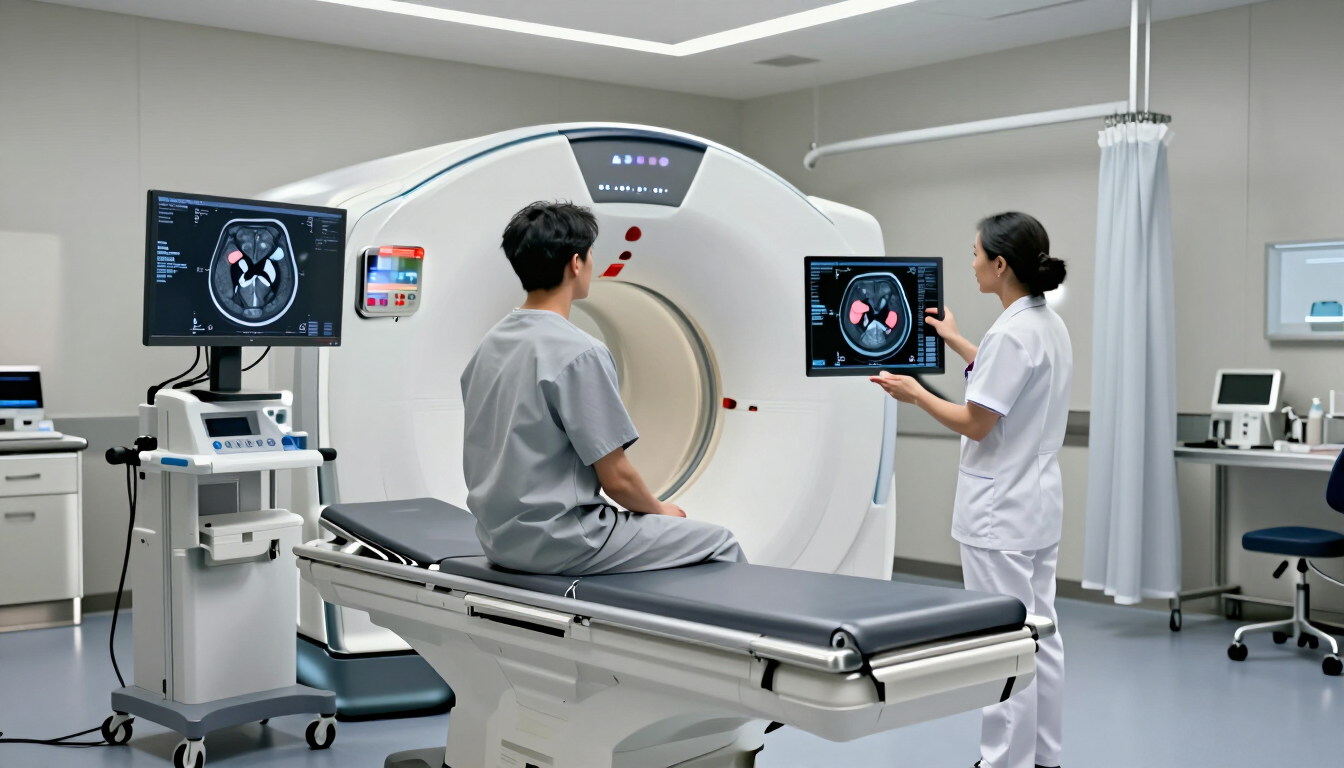
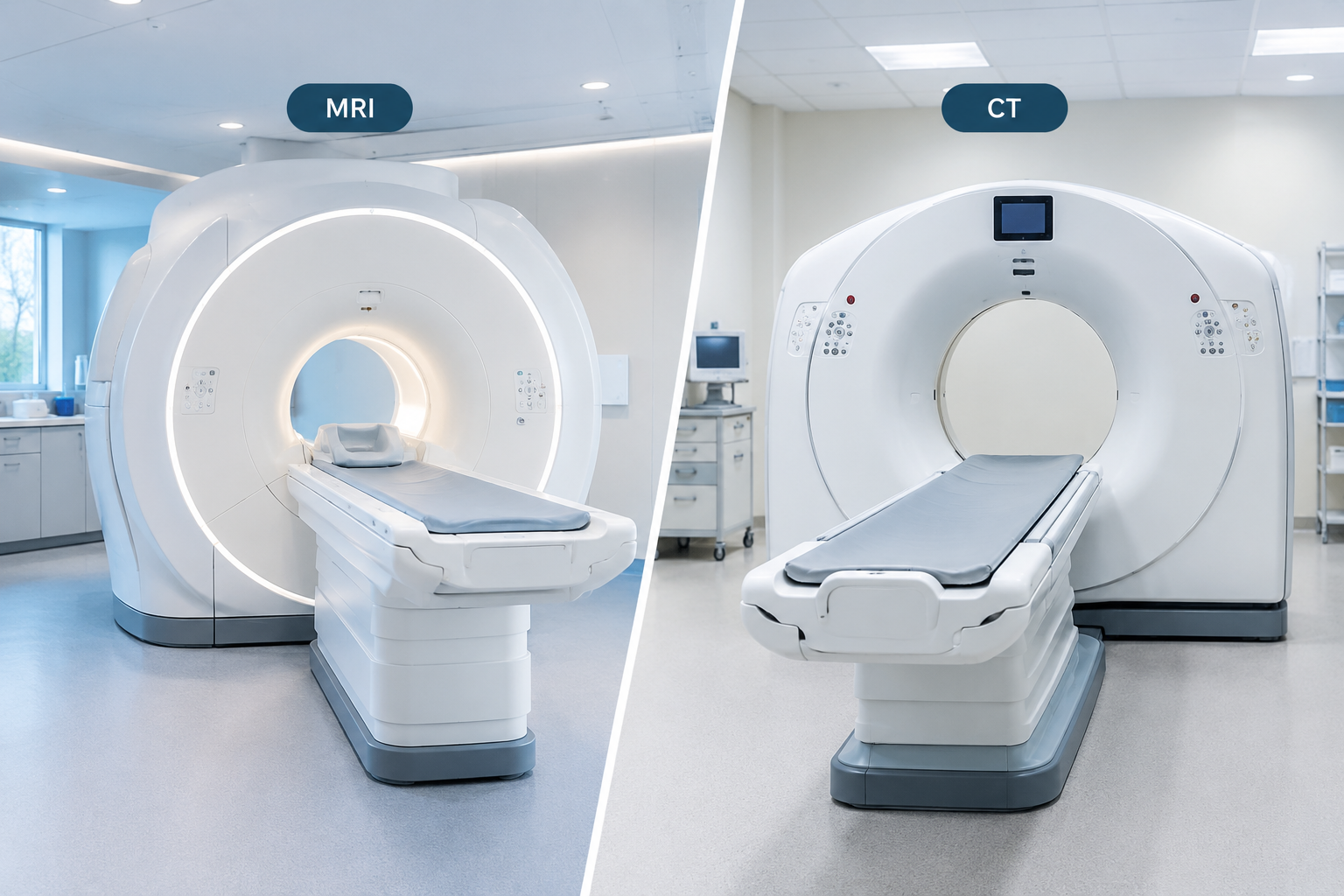
If you have been resting your shoulder, applying ice, and taking over-the-counter anti-inflammatories without relief, it might be time for more advanced diagnostics. Physical exams are useful, but they cannot see inside the joint. This is where an MRI (Magnetic Resonance Imaging) becomes essential. Unlike X-rays, which primarily show bones, an MRI provides high-definition images of the soft tissues.
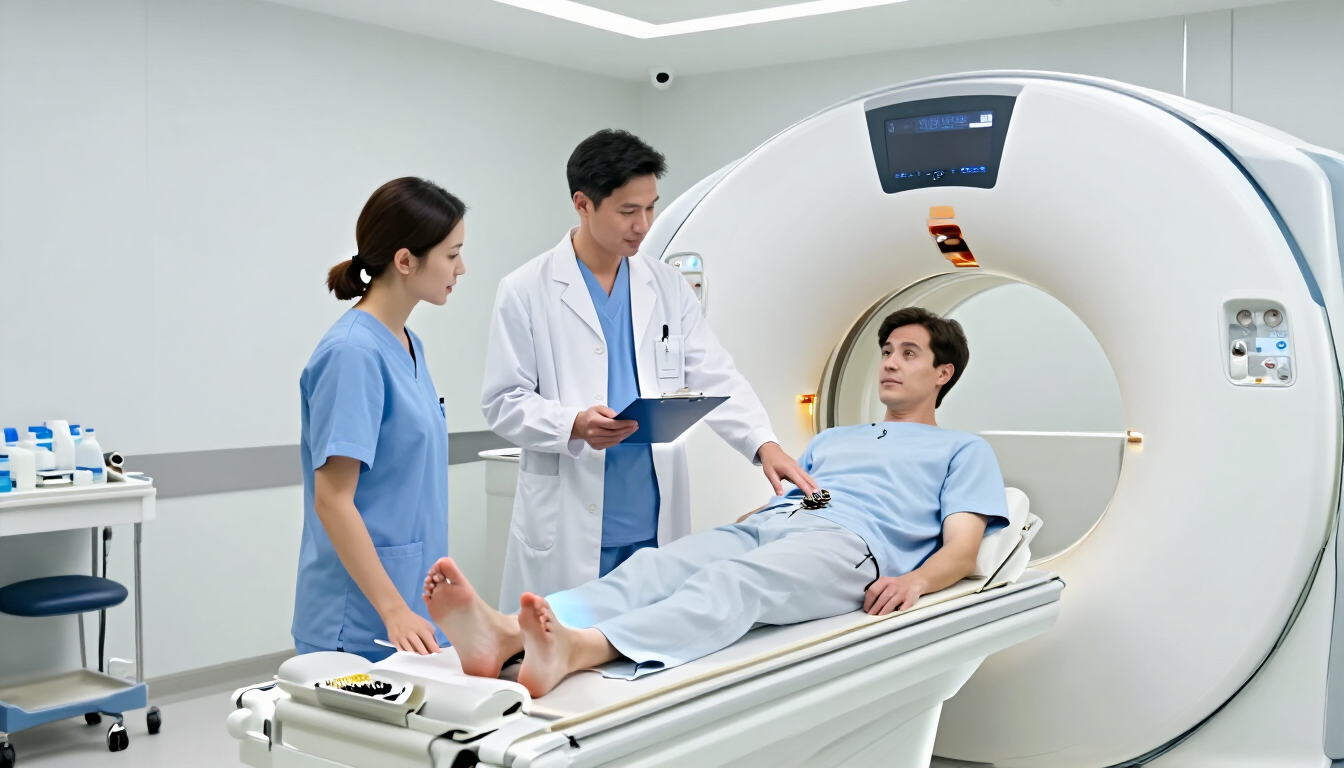
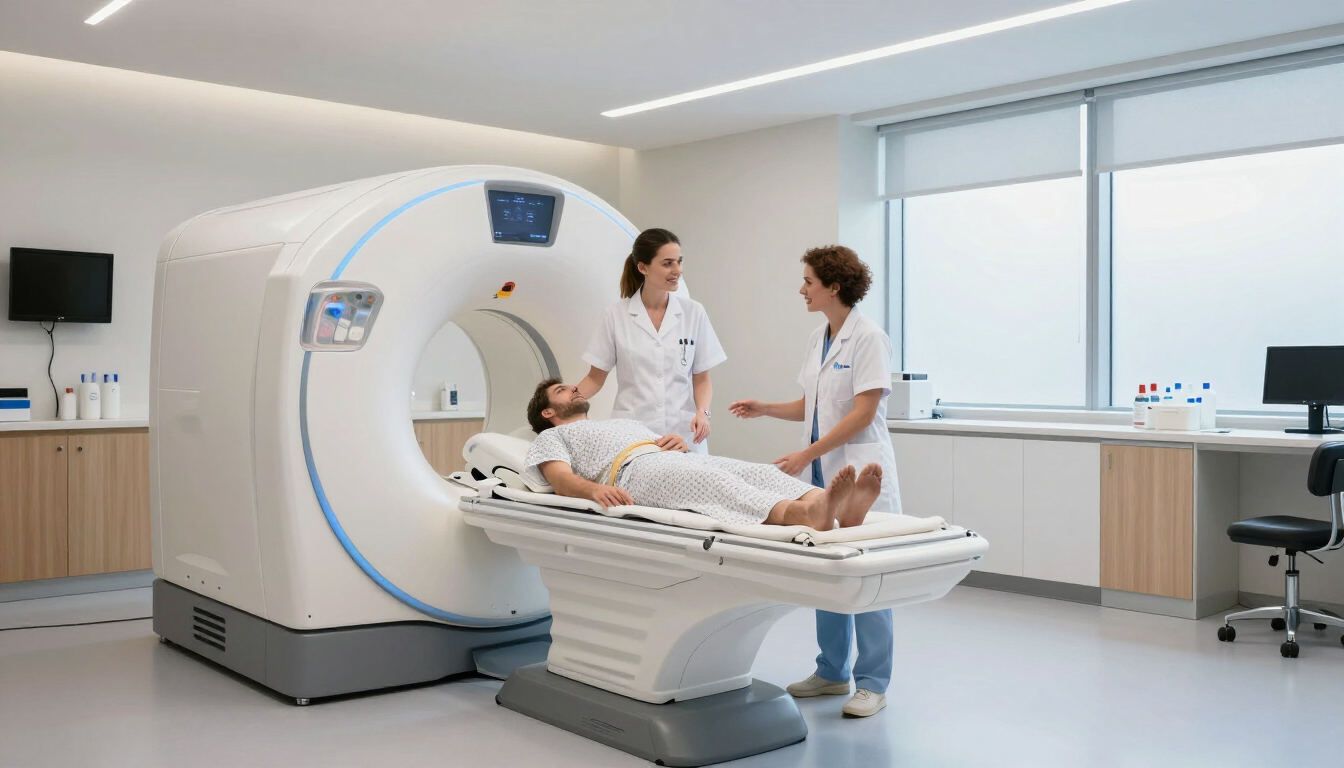
At MRI Plus, we understand that waiting weeks for a scan is not an option when you are in pain and unable to work or train. Our private diagnostic services focus on speed and accuracy. An MRI scan can detect exactly which part of the rotator cuff is torn, the extent of the inflammation in the bursa, or the presence of a labral tear. If you're wondering how the scan itself works, our guide on what to expect during a shoulder MRI covers positioning, timing, and cost. This level of detail allows your consultant to create a targeted treatment plan.
Reasons to choose a shoulder MRI include:
- No improvement: Pain that lasts longer than 4-6 weeks despite rest.
- Severe weakness: Inability to lift the arm or hold weight.
- Night pain: Persistent aching that prevents sleep.
- Diagnostic clarity: When physical tests are inconclusive or point to multiple issues.
- Surgical planning: To provide a roadmap for a surgeon if a repair is needed.
The Role of MRI in Diagnostic Imaging
MRI technology has revolutionized how we approach shoulder pain causes. By using strong magnetic fields and radio waves, the MRI machine creates cross-sectional images of the shoulder joint. It allows clinicians to see the health of the tendons, the amount of fluid in the joint, and even early signs of bone marrow edema, which might indicate a stress reaction before a full fracture occurs.
For many of our patients, the peace of mind that comes with a definitive diagnosis is invaluable. Knowing exactly what is wrong removes the guesswork and allows for a faster return to normal life. Whether you are an athlete looking to get back on the field or a manual laborer needing to return to work, speed is of the essence. Our streamlined booking process ensures you aren't stuck in a long waiting list.
Summary of Key Takeaways
Shoulder pain is a complex issue that affects people from all walks of life. Whether it is caused by age-related wear or acute injury, understanding the underlying cause is vital for effective treatment. By opting for a private shoulder MRI, you can bypass long waiting times and get the answers you need to start your recovery journey immediately.
Quick Takeaways:
- Act Fast: Don't ignore persistent shoulder pain; early diagnosis prevents long-term damage.
- Know the Difference: Left and right-side pain can have different mechanical or referred causes.
- Targeted Imaging: MRI is the most effective way to visualize soft tissue injuries in the shoulder.
- Gender Matters: Be aware of how hormonal or occupational factors affect your risk profile.
- Seek Professional Advice: Consult with specialists to move from diagnosis to a tailored recovery plan.
If your shoulder pain matches what you've read here, don't wait for it to get worse. Book a private shoulder MRI with MRI Plus and get a clear diagnosis, often within same-days. Call 01702782006 to schedule your scan, or find out more about our shoulder MRI service.
References :
Shoulder impingement, rotator cuff injury and inflammation. NHS Borders / Right Decisions. https://www.rightdecisions.scot.nhs.uk/patient-information-leaflets/primary-community-services/physiotherapy/shoulder-impingement-rotator-cuff-injury-and-inflammation/
Rotator cuff-related shoulder pain. Musculoskeletal Matters, Dorset NHS. https://www.mskdorset.nhs.uk/shoulder-pain/shoulder-pain-rotator-cuff-related-shoulder-pain/
What to Expect During a Shoulder MRI | MRI Plus. (n.d.). https://www.blog.mriplus.co.uk/what-to-expect-during-a-shoulder-mri