Adrenal Gland : What to Expect - MRI Plus
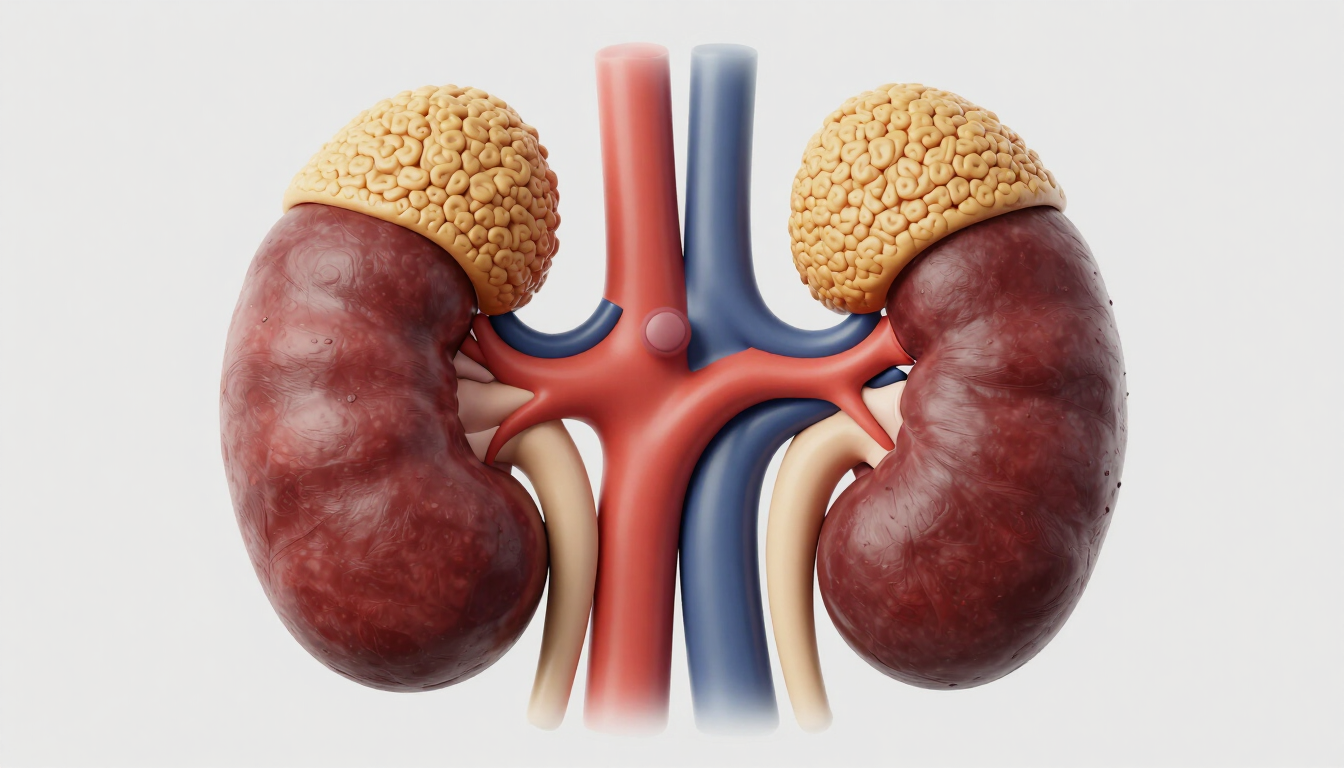
The adrenal glands are small, triangular organs located above the kidneys. They produce important hormones, including cortisol and adrenaline. An adrenal gland MRI is a non-invasive imaging scan used to detect tumours, cysts, or structural abnormalities that may lead to hormonal imbalances, persistent fatigue, or high blood pressure.
The Anatomy of the Adrenal Glands
To understand why these tiny organs matter so much, we first need to look at where they live and how they are built. Each of us has two adrenal glands, one sitting neatly on top of each kidney. They're very complex things, considering their small size, usually about the size of a thumb. They are divided into two major parts. The outer cortex and the inner medulla. The cortex produces steroid hormones. The medulla regulates your “fight or flight” responses.
For high-performance professionals and athletes, the adrenal cortex is a central hub for managing long-term stress. It produces cortisol, which helps regulate metabolism and immune response. If you have ever felt that "wired but tired" sensation after a long week of deadlines, you are feeling your adrenal anatomy in action. The medulla, on the other hand, is like a turbocharger. It releases adrenaline (epinephrine) and noradrenaline, the stuff that gives you that burst of energy when you need to run a marathon or ace a big presentation. The first step in understanding how easily today’s living can upset this delicate structure is to understand it.
What do your adrenal glands actually do?
Your adrenal glands are essentially the chemical command centres of your body. Their primary job is to ensure you stay in balance, or homeostasis, despite whatever the world throws at you. They don't just respond to stress. They regulate your blood pressure, your heart rate, even the way you digest the food you eat. For someone in a high-pressure environment, the adrenal glands are working overtime to keep glucose levels high enough for brain function and muscles to keep moving.
One of the most critical functions is the regulation of the sleep-wake cycle. Cortisol levels naturally rise in the morning to help you wake up and drop at night to let you rest. When this rhythm is disrupted – something that happens frequently in burnout – you may find yourself alert at 3 AM and unable to drag yourself out of bed at 7 AM. This is not just “tiredness”; this is a physiological change in hormone production. Besides stress, these glands also produce aldosterone. This hormone directly affects your cardiovascular health and endurance levels during strenuous physical activity. It affects the salt and water balance in your blood.
What are the signs of adrenal gland problems?
Adrenal problems can be hard to detect since the symptoms may resemble normal fatigue or the ageing process. But when these symptoms are hanging together, it means that there’s something wrong with the production of hormones. If you are experiencing any of the following, it may be time to look more closely at your adrenal health:
- Chronic Fatigue: A deep, systemic tiredness that doesn't improve with a full night's sleep.
- Salt Cravings: An intense desire for salty foods, which can indicate an aldosterone imbalance.
- Darkened Skin: Also known as hyperpigmentation, specifically on the knuckles, elbows, or inside the cheeks.
- Unexplained Weight Changes: Rapid weight loss or weight gain specifically around the midsection.
- Muscle Weakness: A sudden drop in physical performance or strength that feels disconnected from your training load.
In athletes these signs often become what is known as "overtraining syndrome". Maybe you notice your heart rate recovers slower post sprint. Or maybe your motivation has completely tanked. Professionals might find that their "brain fog" is so thick they can no longer focus on complex tasks. These are not simply mental blocks, but physical signs that your adrenal glands simply cannot keep up with the demand for cortisol and other regulatory hormones. If these signs are ignored, the person can develop more serious illnesses like Addison's disease or Cushing's syndrome, so early diagnosis is important.

Why is an adrenal gland MRI necessary?
When blood tests suggest a hormonal imbalance, the next logical step is imaging. While an ultrasound can provide a basic look, an adrenal gland MRI is far superior for detail. It allows doctors to see the difference between a harmless cyst and a tumour that might be overproducing hormones. Because the adrenal glands are so small and tucked away, the high resolution of an MRI is necessary to catch tiny nodules that other scans might miss.
For many of our patients at MRI Plus, the goal is clarity. They are curious to know whether their burnout is lifestyle related or if they have a structural problem such as an adrenal adenoma (benign tumour) that is causing their symptoms. An MRI can rule out serious pathology, allowing you the peace of mind to focus on recovery and lifestyle adjustments. It is a non-invasive way to get a definitive look at the “engine room” of your stress response system.
How does an adrenal gland MRI work?
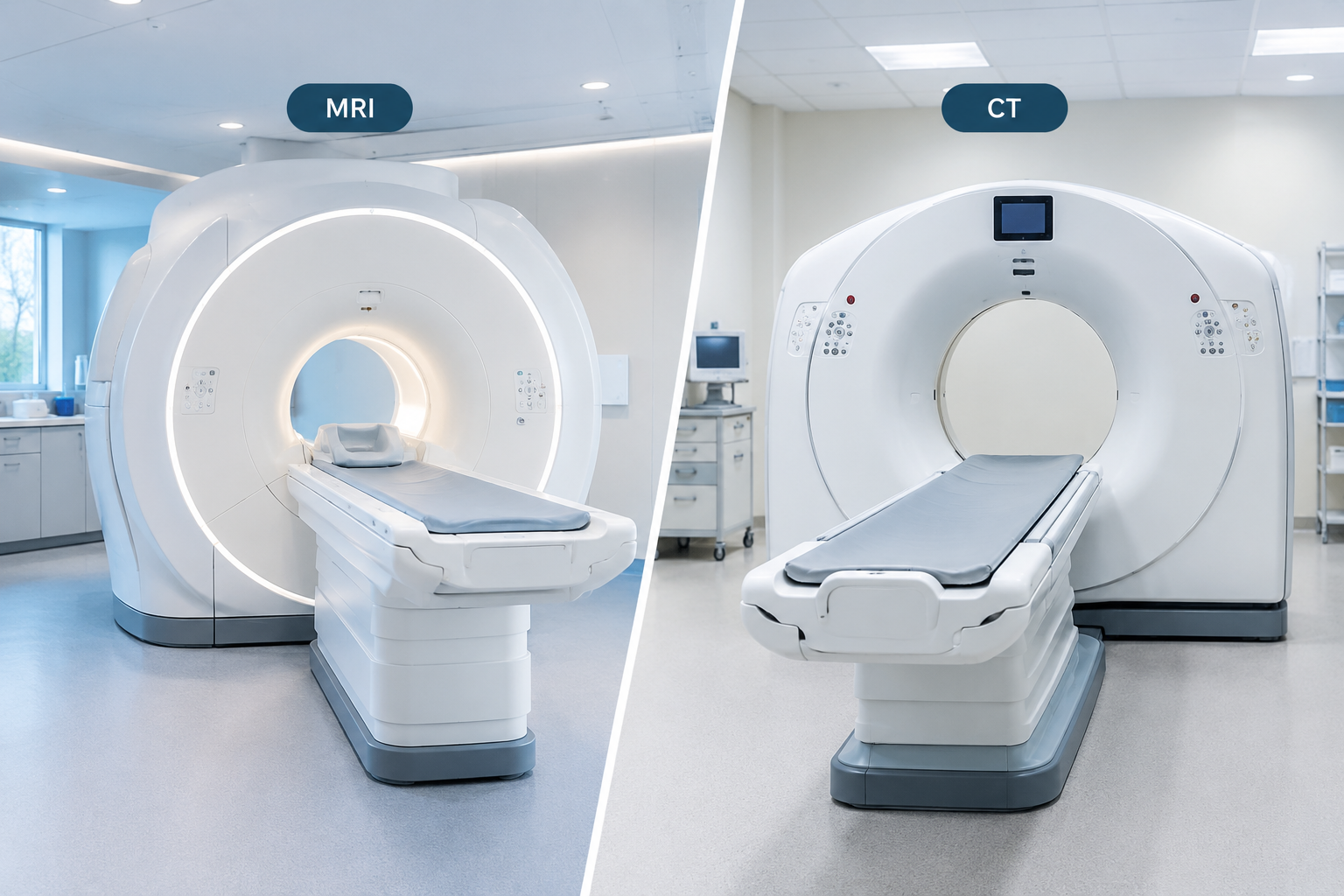
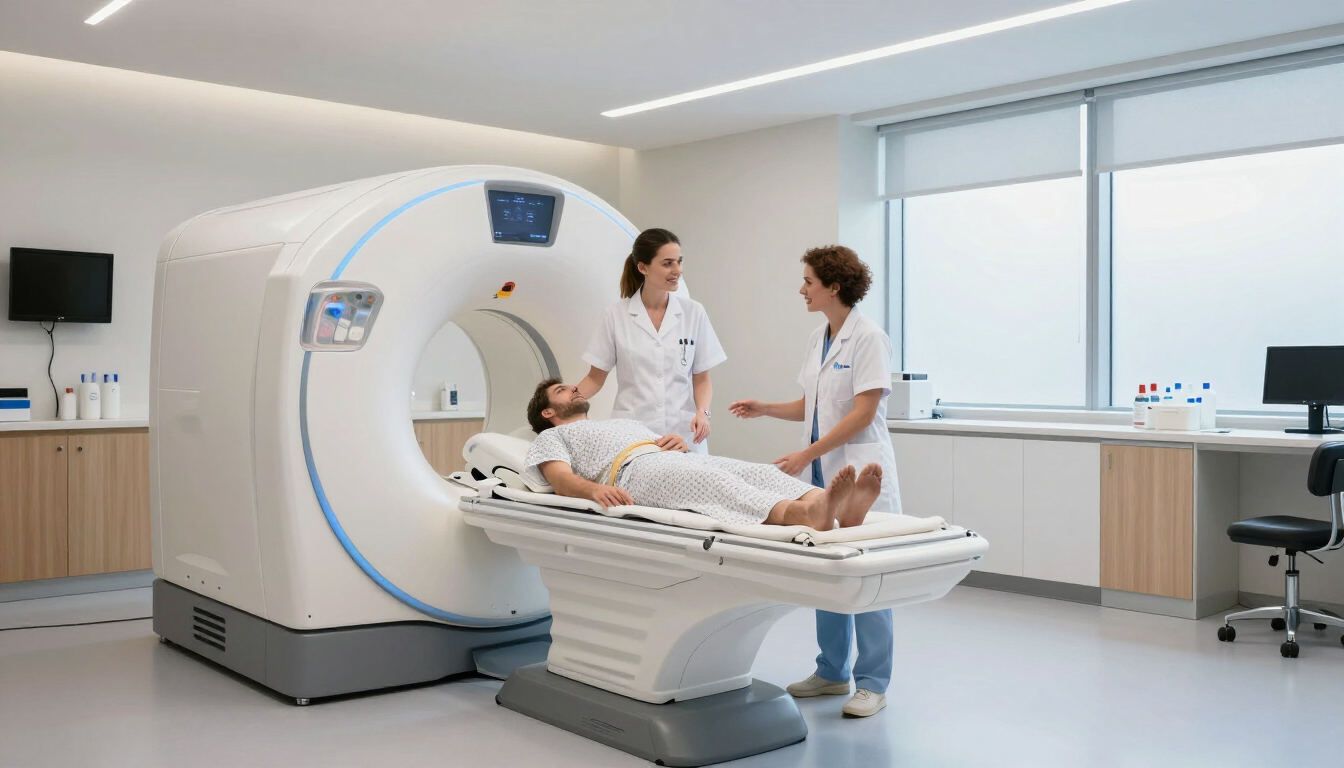
If you have never had an MRI before, the process is straightforward but requires you to be still. You will lie on a motorised table, which slides into the scanner. The machine uses powerful magnets and radio waves (not radiation) to make detailed 3D pictures of your midsection. Unlike a CT scan, there is no exposure to X-rays, making it a safer option for repeated monitoring if necessary. The adrenal glands mri scan typically takes between 20 to 45 minutes, depending on the level of detail required.
You may hear some rhythmic tapping or thumping sounds during the procedure. This is normal and is the magnets doing their work. At MRI Plus, we prioritize your comfort, providing headphones and a direct line of communication with the radiographer. In some cases a contrast dye may be used to highlight certain blood vessels or tissues but this will be discussed with you well in advance. The result is a very accurate set of images that our consultants use to map out your treatment or recovery plan.

Adrenal Health for High-Performance Professionals
Maintaining adrenal health in a high-pressure career isn't just about taking holidays; it’s about understanding the biological cost of stress. Being in a high-cortisol state all the time puts your body in “survival mode” and prevents long-term maintenance like digestion, immune function, and deep repair. Over time, it produces the disturbed sleep and irritability that define the modern burnout.
To protect your adrenals, consider these lifestyle adjustments:
- Prioritize Sleep Hygiene: Cool, dark rooms and no screens an hour before bed help reset your cortisol rhythm.
- Manage Caffeine Intake: Excessive caffeine mimics stress signals, forcing the adrenals to fire when they should be resting.
- Balanced Nutrition: Eating regular, nutrient-dense meals prevents blood sugar spikes that trigger cortisol releases.
- Scheduled Downtime: True rest—where you are not checking emails or thinking about work—is required for hormonal recovery.
- Regular Diagnostics: Catching imbalances early through imaging and blood work prevents long-term damage.
For those in an MRI Plus in London or MRI Plus in Leigh-on-Sea, accessing these diagnostics quickly is a game-changer. At MRI Plus, we specialize in getting you in for a scan without the long waits, ensuring you get the answers you need to adjust your performance strategy before a minor issue becomes a major health crisis.
Adrenal gland MRI treatment pathways
Once the MRI is complete, the treatment pathway depends entirely on the findings. If the scan shows a benign growth that is secreting too many hormones, you may be advised to have an operation or to take medication targeted at that particular hormone, to bring your levels back to normal. If the scan is clear but you are still symptomatic, the focus shifts to metabolic recovery and endocrinology.
Having a clear image from an MRI means your doctor isn't guessing. They can see exactly what is happening in the tissue of the gland. This allows for a much more personalized approach to health. Whether it is managing a specific condition or simply providing the evidence you need to take a step back and recover, the MRI is the cornerstone of a modern healthcare plan. By choosing a provider that emphasizes speed and clinical accuracy, you ensure that your path to recovery starts as soon as possible, minimizing the time you spend in a state of exhaustion or uncertainty.
Summary of Adrenal Care
In summary, your adrenal glands are the silent engines of your daily performance, regulating everything from your heart rate to your ability to handle a crisis. Understanding adrenal anatomy and function is crucial for anyone living a high-pressure lifestyle, as it allows you to recognize the early warning signs of burnout and hormonal imbalance. When symptoms like chronic fatigue or muscle weakness appear, an adrenal gland MRI offers the most precise way to diagnose structural issues and guide your treatment path.
Key Takeaways:
- Direct Diagnosis: An MRI is the gold standard for seeing adrenal anatomy clearly and non-invasively.
- Symptom Awareness: Don't ignore persistent fatigue, salt cravings, or sleep disruptions.
- Performance Impact: Healthy adrenals are essential for athletes and professionals to maintain peak cognitive and physical output.
- Speed Matters: Rapid access to diagnostic imaging through providers like MRI Plus ensures faster clinical decisions and better outcomes.
If you're concerned about your energy levels or stress response, taking the step to get a professional scan can provide the clarity needed to reclaim your health and performance.
If you're concerned about your energy levels or stress response, taking the step to get a professional scan can provide the clarity needed to reclaim your health and performance.
References:
European Journal of Endocrinology, Volume 189, Issue 1, July 2023, Pages G1–G42, https://doi.org/10.1093/ejendo/lvad066
Website, N. (2026f, June 12). Addison’s disease. nhs.uk https://www.nhs.uk/conditions/addisons-disease/
Adrenal Glands MRI scan from £199 | MRI Plus. (n.d.). https://mriplus.co.uk/body-parts/adrenal-glands