Calf Muscle Tear: Causes, Symptoms & Fast Treatment
A calf muscle tear is a rupture of the gastrocnemius or soleus muscles at the back of the lower leg. Often called "tennis leg," it occurs when these muscles are rapidly overstretched. Symptoms include sudden sharp pain, a "popping" sensation, swelling, and significant difficulty walking or standing.
What is a Calf Muscle Tear (Tennis Leg)?
A calf muscle tear, clinically referred to as a calf strain, involves damage to the muscle fibers situated at the back of the lower leg. This area is primarily composed of two large muscles: the gastrocnemius, which is the larger, more visible muscle that gives the calf its shape, and the soleus, which lies underneath it. When these fibers are pulled beyond their limit—often during explosive movements like sprinting or jumping—they can fray or snap entirely.
The term "tennis leg" specifically refers to a rupture of the medial head of the gastrocnemius muscle. While common in tennis players who frequently engage in sudden lateral movements and sprints, this injury is prevalent across various sports and even daily activities. It typically affects middle-aged individuals who participate in "weekend warrior" athletics, where the muscles may not be conditioned for sudden, high-intensity loads.
Understanding the anatomy is crucial. The gastrocnemius crosses two joints: the knee and the ankle. This makes it particularly vulnerable because it can be stretched at both ends simultaneously. Most calf muscle tears happen at the musculotendinous junction—the point where the muscle fibers transition into the Achilles tendon. When a tear occurs here, the body’s inflammatory response is immediate, leading to the hallmark symptoms of pain and disability.
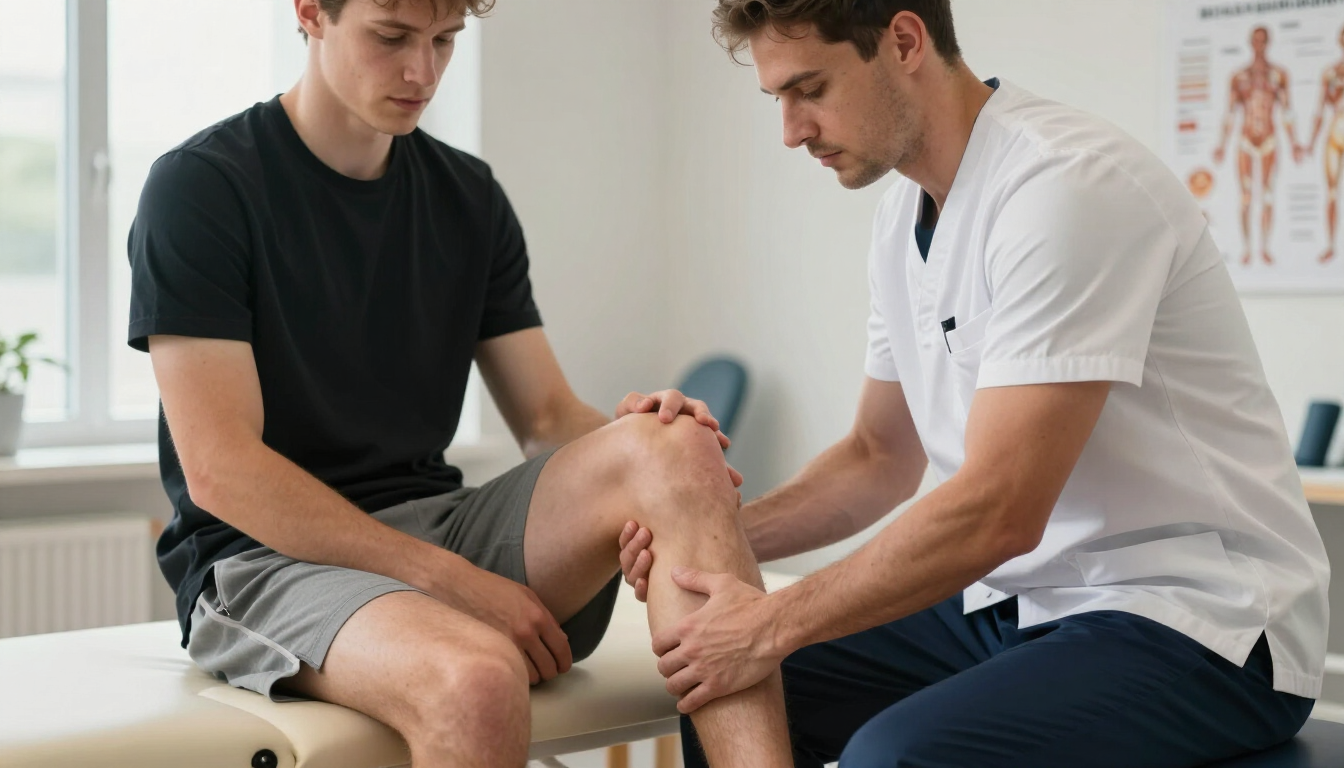
What are the Common Causes of Calf Muscle Strains?
Calf muscle tears rarely happen without a catalyst involving sudden mechanical stress. The most frequent causes include:
- Sudden Acceleration: Moving from a standstill to a full sprint puts immense tension on the calf fibers.
- Eccentric Loading: This occurs when the muscle is forced to lengthen while it is contracting, such as landing from a jump or stepping off a curb unexpectedly.
- Muscle Fatigue: Tired muscles are less efficient at absorbing shock and managing load, making them more prone to snapping under pressure.
- Inadequate Warm-ups: Cold muscles are less pliable. Without proper blood flow, the fibers are brittle and more likely to tear when stretched.
- Previous Injuries: A history of calf strains or Achilles issues can leave behind scar tissue, which is less flexible than healthy muscle tissue.
5 Signs You Have a Calf Muscle Tear
Identifying a calf muscle tear early is essential for preventing further damage. If you experience the following, you likely have a tear rather than a simple cramp:
- The "Popping" Sensation: Many patients report feeling or even hearing a distinct "pop" or "snap" in the back of their leg, as if they were kicked or hit by a ball.
- Sudden, Sharp Pain: Unlike the dull ache of a cramp, a tear produces immediate, intense pain that makes continuing any activity impossible.
- Visible Swelling and Bruising: Within hours, the area may become swollen. Bruising (ecchymosis) often appears lower down near the ankle as gravity pulls the blood from the tear site downward.
- Difficulty With Plantar Flexion: You will find it extremely painful or impossible to stand on your tiptoes or push off the ground while walking.
- A Visible Gap or Dent: In severe Grade 3 tears, you may actually see or feel a physical indentation in the muscle belly where the fibers have separated.
How do medical professionals categorize these injuries? They use a grading system. A Grade 1 tear involves minor damage to less than 10% of the fibers, resulting in mild pain but no loss of strength. A Grade 2 tear is a partial rupture with significant pain, swelling, and a noticeable loss of function. A Grade 3 tear is a complete rupture of the muscle, often requiring long-term rehabilitation and sometimes surgical intervention.
How Do You Treat a Calf Muscle Tear at Home?
Immediate care is vital to control internal bleeding and limit the extent of the injury. The gold standard for initial treatment is the POLICE principle (Protection, Optimal Loading, Ice, Compression, and Elevation):
- Protection: Avoid weight-bearing in the first 48 to 72 hours. Use crutches if necessary to prevent further tearing.
- Optimal Loading: Once the initial sharp pain subsides, gentle movement helps encourage blood flow without overstressing the tissue.
- Ice: Apply ice packs for 15-20 minutes every few hours to reduce swelling and numb the pain.
- Compression: Use an elastic bandage to provide support and limit the buildup of inflammatory fluid.
- Elevation: Keep the leg raised above the level of your heart to assist lymphatic drainage.
When Should You Seek Professional Diagnostic Imaging?
While minor strains may heal with rest, a suspected moderate-to-severe calf muscle tear requires a professional diagnosis. Relying on guesswork can lead to improper healing, chronic pain, or re-injury. This is where rapid diagnostics become essential.
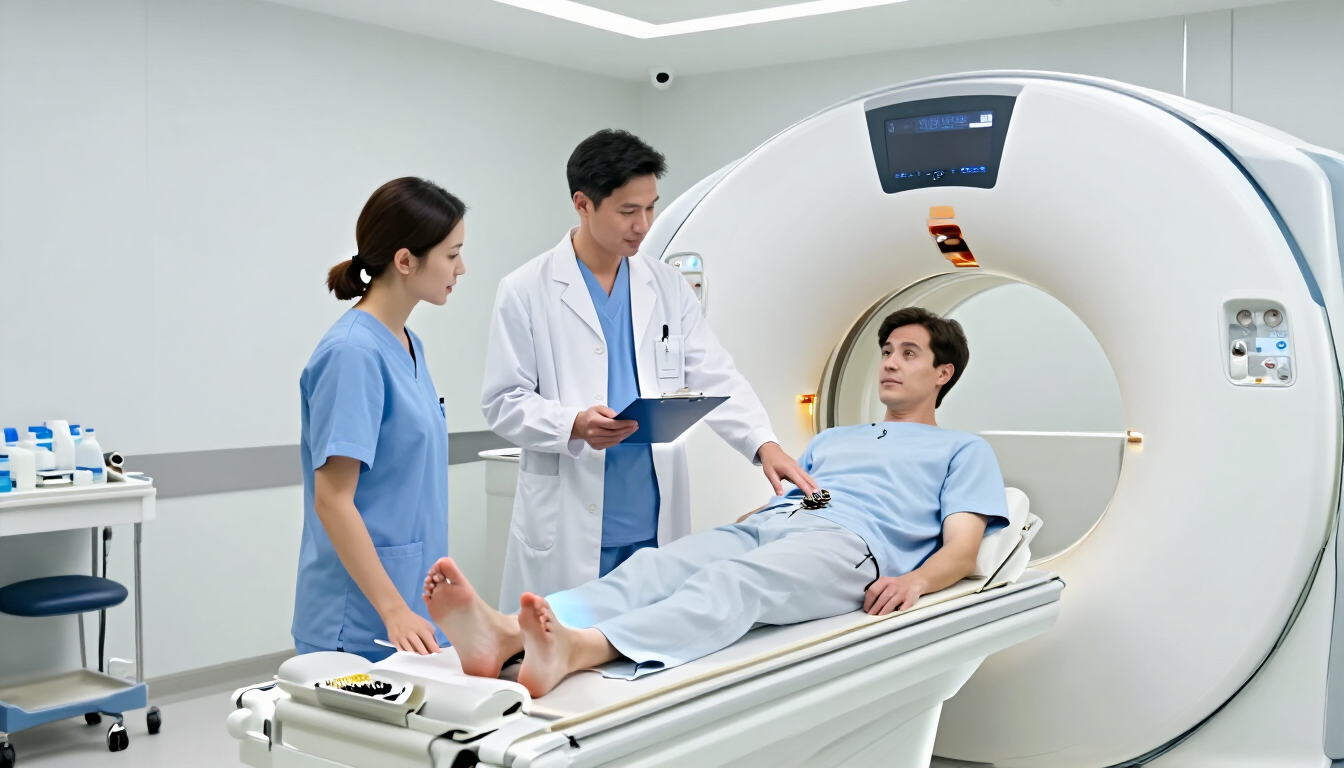
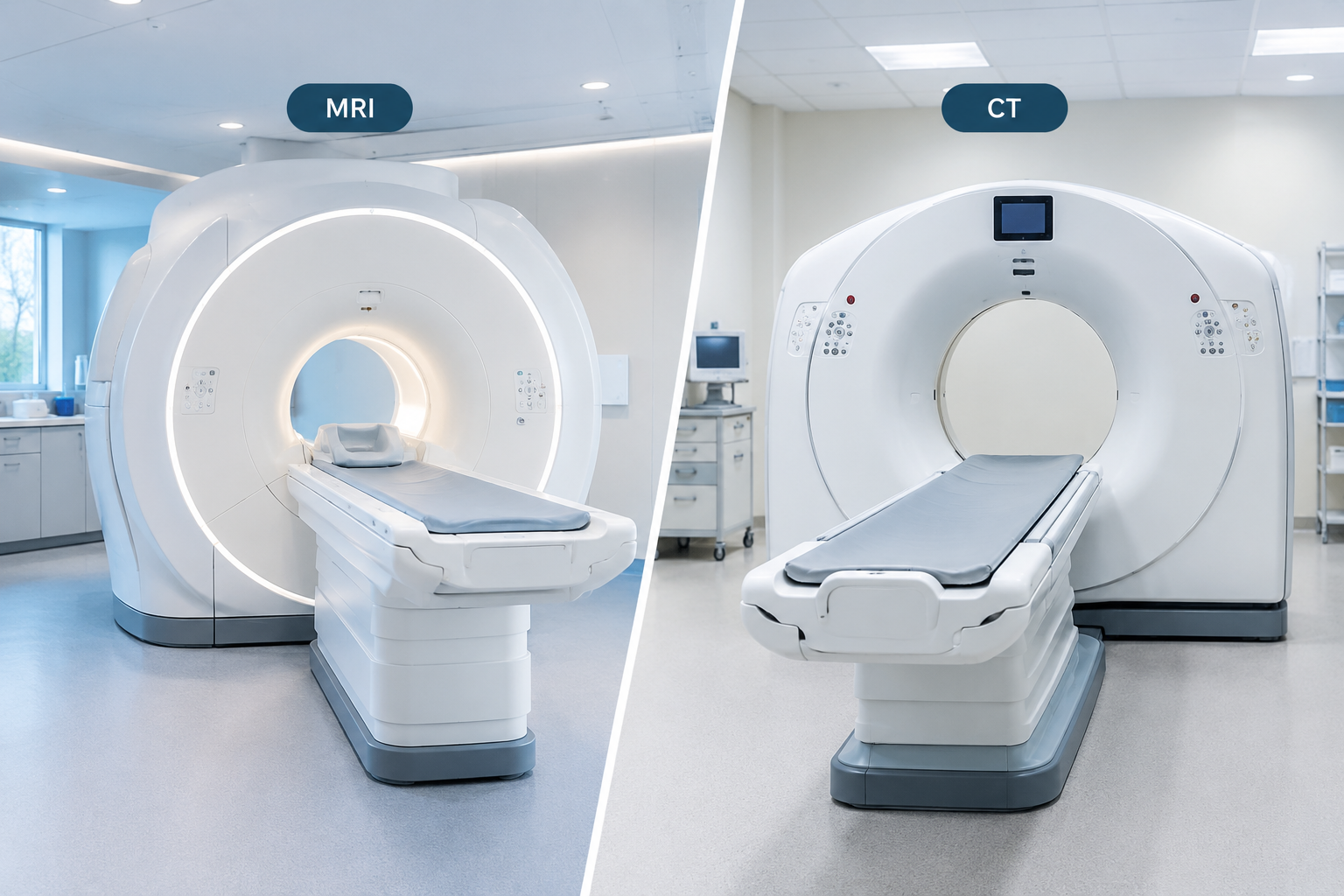
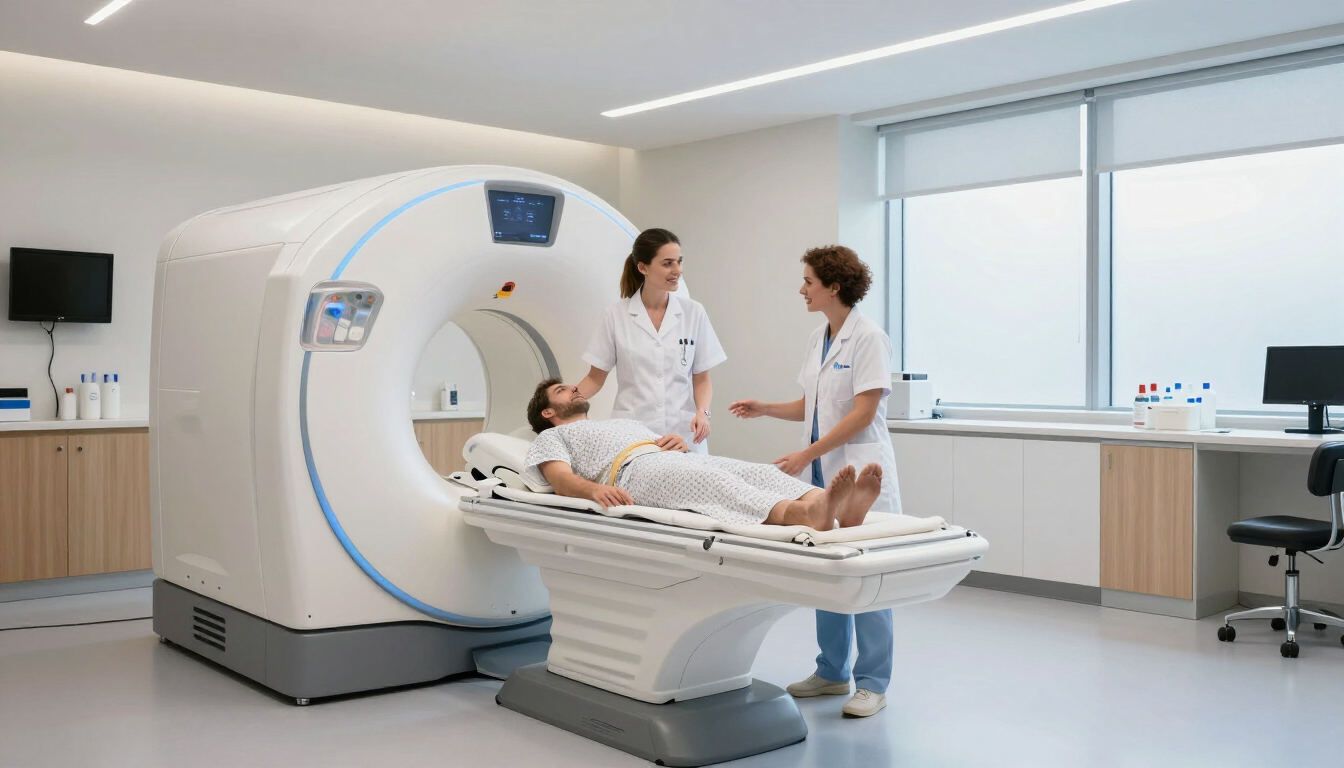
An MRI (Magnetic Resonance Imaging) is the most effective tool for assessing the severity of a muscle tear. It provides high-resolution images of soft tissues, allowing consultants to see exactly which muscle is affected, the precise location of the tear, and the extent of the fiber disruption. At MRI Plus, we specialize in providing fast access to these investigations. In the UK healthcare landscape, waiting weeks for a scan can delay your recovery timeline. We remove that friction, offering rapid appointments and prompt reporting so you can start the right rehabilitation plan immediately.
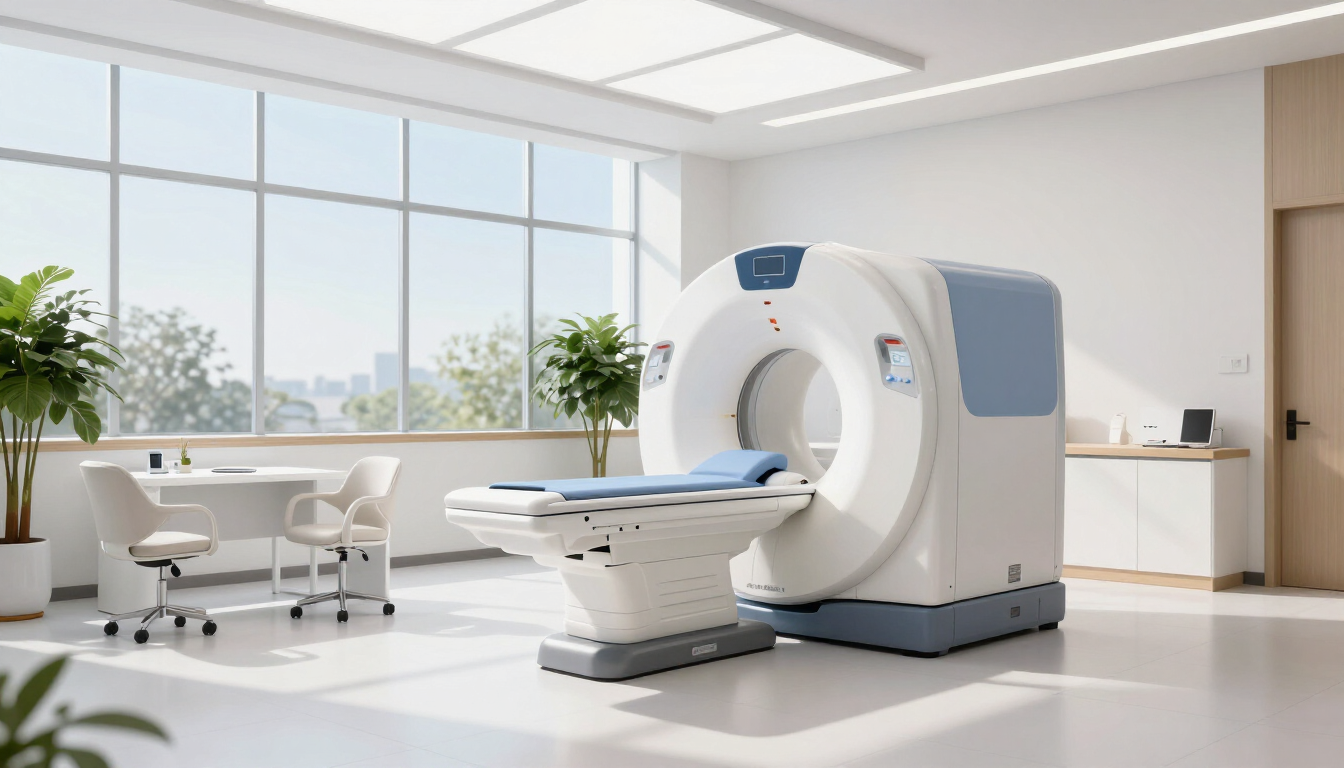
Understanding the specifics of your injury through imaging helps in tailoring a physiotherapy program. For example, a soleus tear may require a different loading protocol than a gastrocnemius tear because the soleus is more active when the knee is bent. Precision in diagnosis leads to precision in recovery.
Recovering From a Calf Muscle Tear: What is the Timeline?
Recovery is not a linear process and depends heavily on the grade of the tear.
- Grade 1: Usually takes 1 to 3 weeks. Patients can return to light jogging once they have full range of motion and no pain during a single-leg heel raise.
- Grade 2: Typically requires 4 to 8 weeks. This phase involves progressive strengthening, balance training, and eventually sport-specific drills.
- Grade 3: Can take 3 to 6 months. These injuries often involve significant scarring and require a very cautious approach to prevent permanent loss of power.
Prevention is just as important as treatment. To avoid a recurrence, ensure you incorporate eccentric calf strengthening exercises into your routine, such as slow, controlled heel drops off the edge of a step. Maintaining flexibility through regular stretching and staying hydrated to ensure muscle elasticity are also key strategies for long-term leg health.
For more insights into managing sports injuries and accessing private healthcare, visit MRI Plus News for our latest updates.
Summary and Key Takeaways
A calf muscle tear, or "tennis leg," is a common but painful injury that requires immediate attention and accurate diagnosis to ensure a full recovery. Whether it’s a minor pull or a complete rupture, understanding the cause and acting quickly is the best way to get back on your feet.
- Act Fast: Use the POLICE method immediately after the injury occurs.
- Identify the Grade: Look for signs like the "pop" sensation and visible bruising to gauge severity.
- Get Imaged: Use private diagnostic services like MRI Plus for rapid MRI scans to confirm the extent of the tear.
- Rehab Slowly: Follow a progressive strengthening program to prevent scar tissue from causing future issues.
- Prioritize Conditioning: Warm up thoroughly and strengthen your calves eccentrically to lower your risk of re-injury.