How Positional MRI Finds Pain Other Scans Miss

Rahul Panchal • June 19, 2026

Imaging in the position that causes pain, often called positional or weight-bearing MRI, involves scanning patients while they are standing, sitting, or bending. Unlike traditional lie-down scans, this method captures how gravity affects the body, revealing spinal or joint issues that only appear when you are upright and active.

What is imaging in the position that causes pain?

If you have ever been to a doctor and said, "It only hurts when I stand up," you already understand the logic behind positional imaging. Traditional MRI scanners require you to lie flat on your back. While this is great for many diagnoses, it removes the pressure of gravity from your spine and joints. For many people suffering from chronic back, neck, or knee pain, lying down is actually the only time they aren't in pain.

Imaging in the position that causes pain allows clinicians to see what is happening to your anatomy under the actual stress of daily life. By scanning you in an upright or weight-bearing position, we can often see discs bulging or vertebrae shifting in ways that simply disappear the moment you lie down on a flat table.

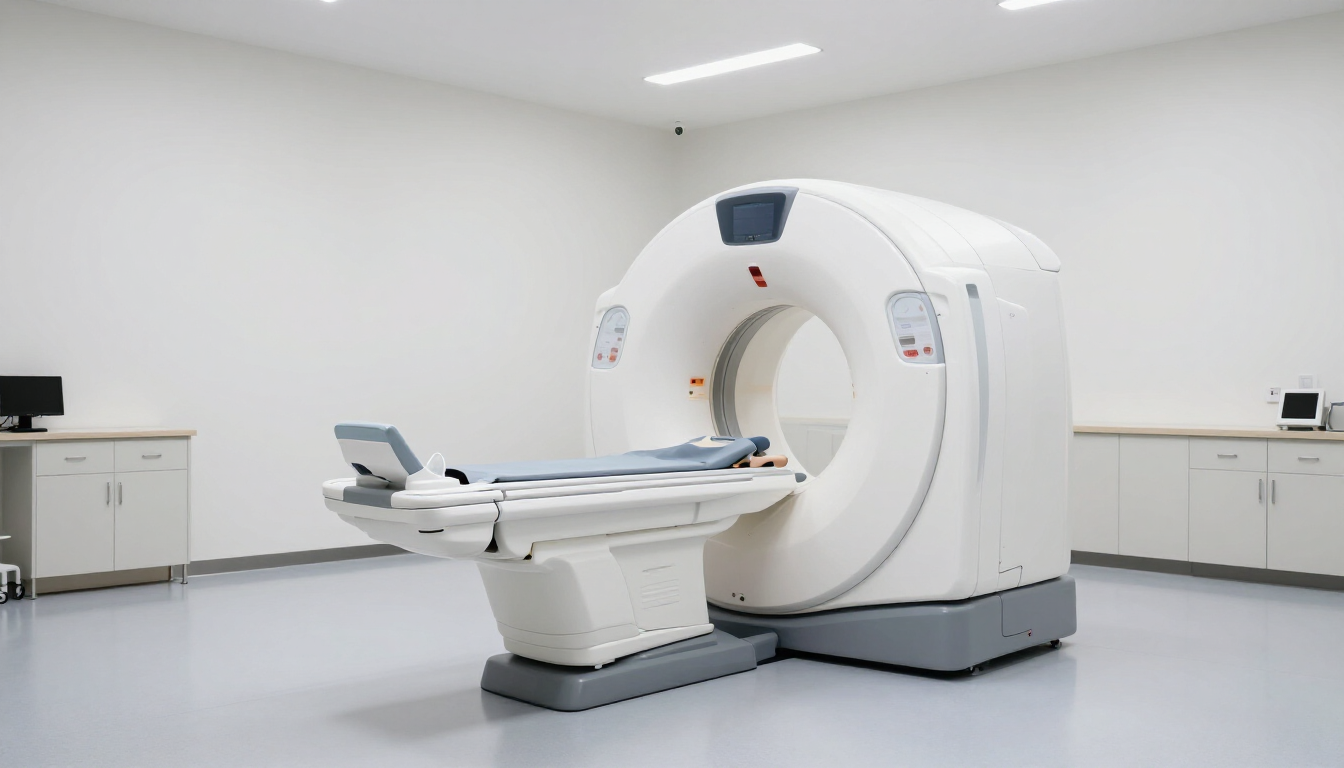
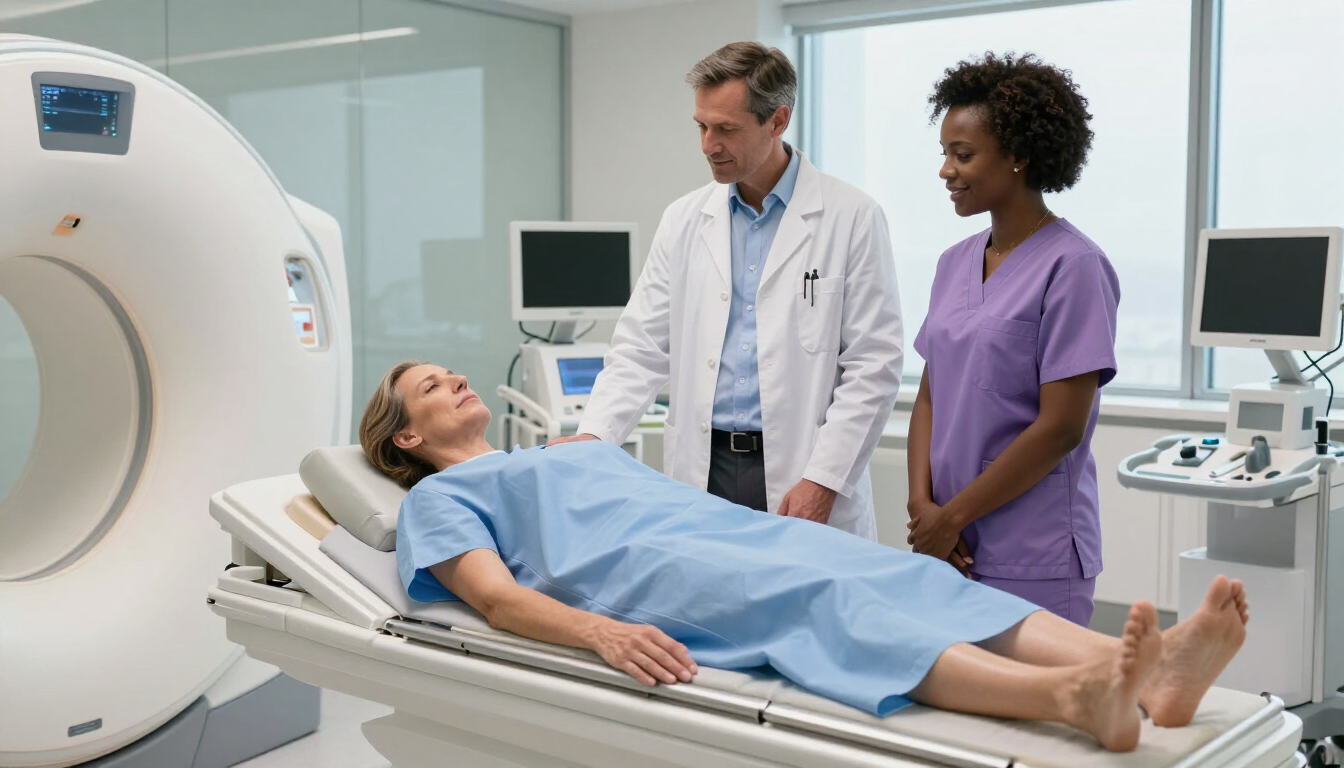
Upright MRI scanner in a modern clinic

Why standard MRI scans sometimes miss the problem

The human body is dynamic. When you stand up, your weight compresses your spine. When you bend forward or lean back, the space between your joints changes. A standard MRI is a "static" snapshot taken in a relaxed state. This can lead to what doctors call a "false negative"—where the scan looks normal even though the patient is in significant discomfort.

Here is why weight-bearing imaging is a game-changer:

  • Gravity's Impact: It shows how body weight compresses spinal discs.
  • Dynamic Alignment: It reveals if bones are sliding out of place during movement.
  • Nerve Compression: It identifies nerves being pinched only when standing.
  • Realistic Assessment: It mirrors the physical state that triggers your symptoms.

When should you consider a positional MRI scan?

You might want to look into imaging in the position that causes pain if you have already had a regular MRI that came back "clear," yet your symptoms persist. It is particularly effective for patients dealing with sciatica, slipped discs, or unexplained joint instability. If your pain is posture-dependent—meaning it gets worse when you sit for long periods or stand in line—a positional scan is often the missing piece of the puzzle.

At MRI Plus, we see many patients who feel frustrated because their previous tests didn't match their lived experience. Our goal is to provide fast, clinical clarity so you can move forward with a treatment plan that actually addresses the root cause.

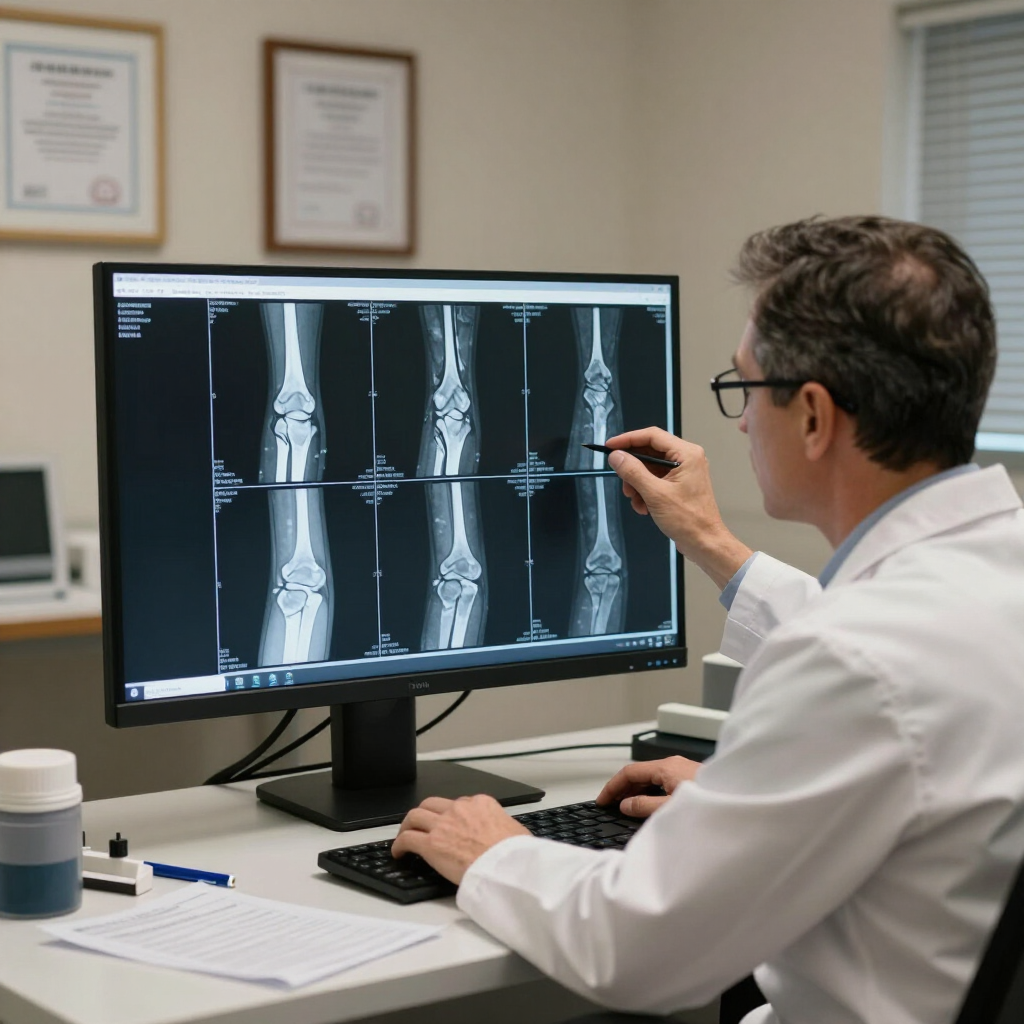
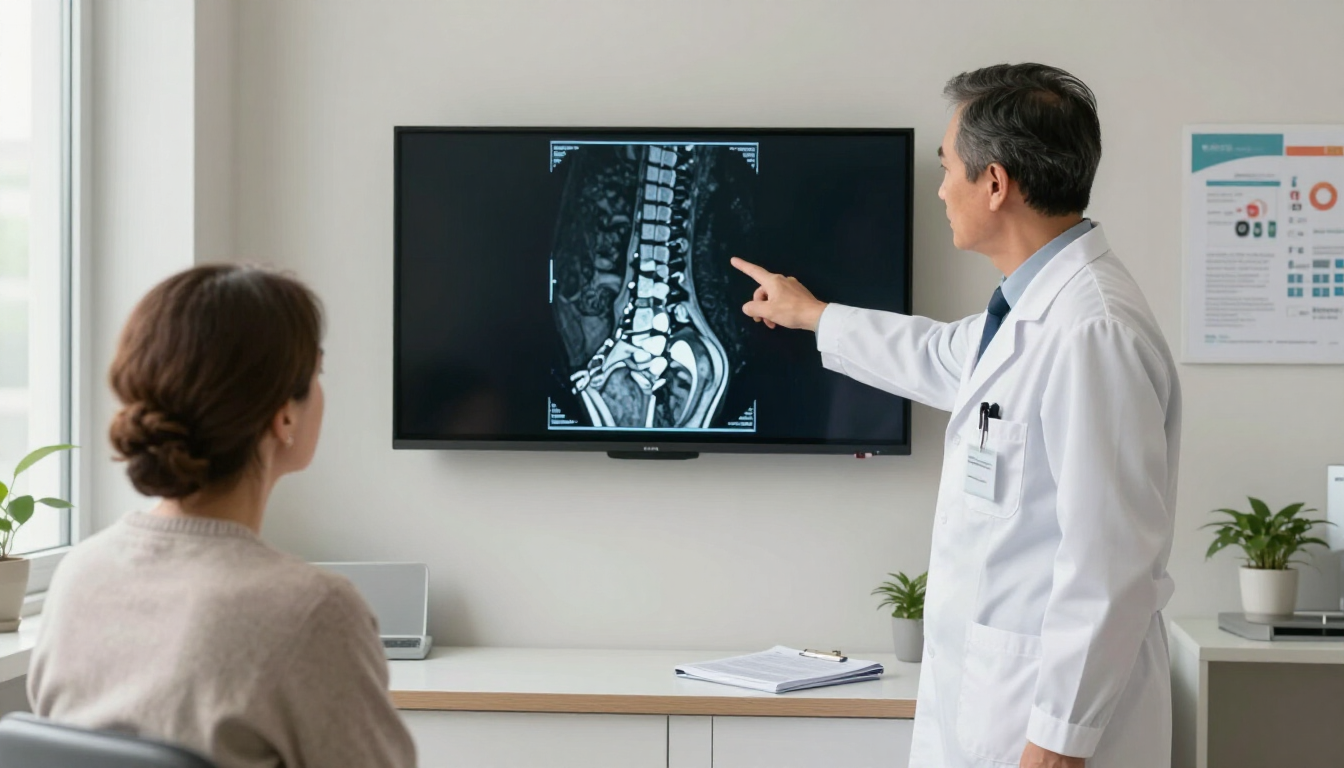
Doctor explaining spinal scan results to a patient

The science behind weight-bearing diagnostics

The medical community has long recognized that load-bearing positions change the internal structures of the body. For instance, in the lower back (lumbar spine), the spinal canal can actually narrow when a person stands up or extends their back. This is known as spinal stenosis. If you are scanned while lying down, the canal might look wide enough, leading to a missed diagnosis of why your legs feel heavy or painful after a short walk.

Using advanced technology, we can perform scans in multiple positions:

  • Standing: To check for the effects of full body weight.
  • Sitting: Useful for those whose pain triggers while driving or working.
  • Flexion/Extension: Capturing the spine while bending forward or backward.

How does a weight-bearing MRI appointment work?

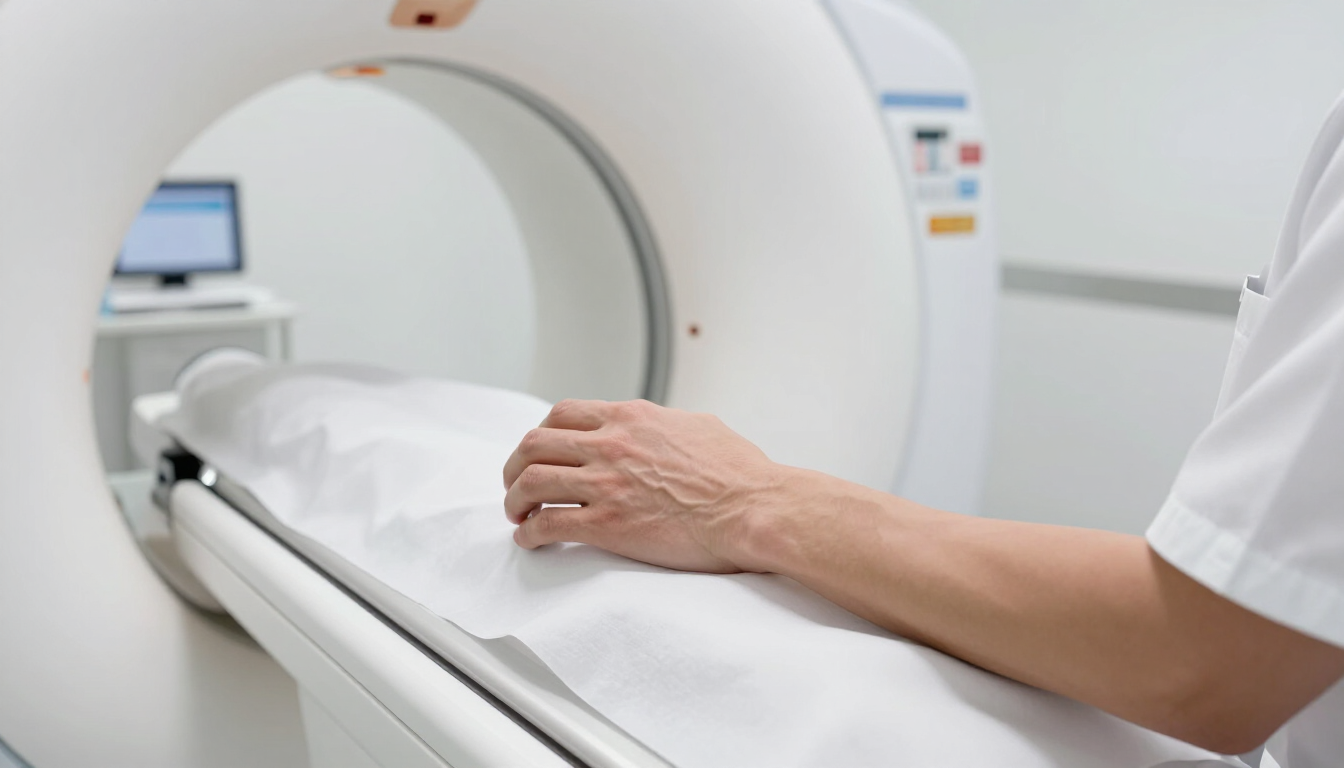
The process is remarkably similar to a standard MRI, but with more flexibility. Instead of being slid into a narrow tube, you will likely be in a more open environment. Depending on where your pain is, a radiographer will help you get into the specific posture that brings on your symptoms. This ensures the "imaging in the position that causes pain" is as accurate as possible.

Because we focus on speed and transparency, the booking process at MRI Plus is streamlined. You don’t have to wait weeks for an answer.  We offers online booking with appointment selection and a safety questionnaire.

Key takeaways for your recovery

If you are struggling with pain that only happens when you move, standard imaging might not be enough. Here is what you need to remember:

  • Standard scans are static: They might miss issues triggered by gravity.
  • Positional MRI is specific: It targets the exact posture that hurts.
  • It provides better data: Your consultant gets a clearer picture for surgery or physio.
  • It offers peace of mind: Finally seeing the cause of your pain on a screen can be a huge relief.

Choosing a diagnostic path that fits your everyday life brings you one step closer to effective treatment.

MRA-Scan
By Rahul Panchal June 18, 2026
Need an MRA scan? Find out how MRA works, how it differs from MRI, what happens during the procedure, and the benefits of choosing one.
What to Expect During a Shoulder MRI
By Rahul Panchal June 17, 2026
Learn more about what to expect during a shoulder MRI scan, including costs from £199, body positioning, and how it helps diagnose sports-related joint injuries.
full body checkup
By Rahul Panchal June 16, 2026
Discover the benefits of a full body checkup with MRI scans and blood tests for early detection and a clearer picture of your health.
Skip the MRI Waiting List
By Rahul Panchal June 15, 2026
Skip long waiting lists with a private MRI at MRI Plus. We offer flexible booking, fast results, and high-quality imaging for quicker diagnosis and care.