How to Identify Kidney Pain and Use MRI
Kidney pain is typically felt in the flank or mid-to-lower back and often results from infections, stones, or cysts. A renal MRI provides high-resolution, non-invasive imaging to identify these causes accurately. This specialized scan allows clinicians to visualize soft tissues and blood flow, ensuring a fast and precise diagnosis.
What Does Kidney Pain Feel Like?
Understanding the sensation of kidney pain is the first step toward getting the right treatment. Many people mistake kidney pain for simple muscle strain because of where the kidneys are located. Your kidneys sit just below the rib cage on either side of your spine. When they are inflamed or obstructed, the pain usually manifests as a deep, dull ache in your sides (flanks) or your upper back.
Unlike muscle pain, which often changes when you move or stretch, kidney pain is usually constant. It doesn’t let up just because you change your sitting position. Sometimes, the pain can radiate down into the groin area, especially if a kidney stone is trying to make its way through the ureter. For older adults, this pain might be accompanied by a general feeling of lethargy or mild fever, which can sometimes mask the severity of the underlying issue. Recognizing these nuances helps in deciding when to book a diagnostic scan.
Differentiating Between Back and Renal Discomfort
It is incredibly common for patients to arrive at a clinic thinking they have a slipped disc when the issue is actually renal. Here are a few ways to tell the difference:
- Location: Kidney pain is higher up the back than most lower-back muscle pains.
- Consistency: Muscle pain fluctuates with movement; kidney pain is often steady.
- Associated Symptoms: Look for changes in urination, such as color or frequency.
- Systemic Signs: Fevers, chills, or nausea rarely accompany simple mechanical back pain.
- Response to Heat: While a heating pad might soothe a sore muscle, it rarely touches the deep ache of a kidney infection.
Identifying these differences early can save weeks of ineffective physical therapy when what you actually need is a targeted Kidney Pain MRI . If you are unsure, visiting a specialist provider like MRI Plus can help clear up the confusion quickly. You can stay updated on the latest diagnostic trends by checking our MRI Plus News page for more health insights.

Why Do Your Kidneys Hurt? Common Culprits
There are several reasons why you might be experiencing discomfort in your renal region. The most common cause is kidney stones. These are hard deposits made of minerals and salts that form inside your kidneys. When they stay in the kidney, they might not cause much trouble, but once they move into the ureter—the tube connecting the kidney to the bladder—the pain can become excruciating.
Another frequent cause is a urinary tract infection (UTI) that has traveled upward. This is known as pyelonephritis. This condition requires prompt medical attention because an untreated kidney infection can lead to permanent scarring or even sepsis. Cysts are also a factor; for example, Polycystic Kidney Disease (PKD) causes numerous fluid-filled sacs to grow in the kidneys, which can lead to enlargement and chronic pain over time.
The Role of Lifestyle and Genetics in Kidney Health
For many older adults, kidney issues aren't just about sudden infections but are the result of long-term lifestyle factors. High blood pressure and diabetes are the two leading causes of chronic kidney disease (CKD). Over time, high glucose levels or excessive pressure can damage the delicate filtering units (nephrons) within the kidneys. This damage is often silent in its early stages, which is why diagnostic imaging is so vital for those in high-risk demographics.
Genetics also play a significant role. If your family has a history of renal failure or stones, you are more likely to experience similar issues. Being proactive by drinking plenty of water, reducing salt intake, and managing your blood sugar can slow the progression of these conditions. However, when pain does strike, knowing the "why" is essential for a proper treatment plan. This is where advanced imaging technology steps in to provide the clarity that a physical exam simply cannot.

How Does a Kidney (Renal) MRI Help Diagnose the Issue?
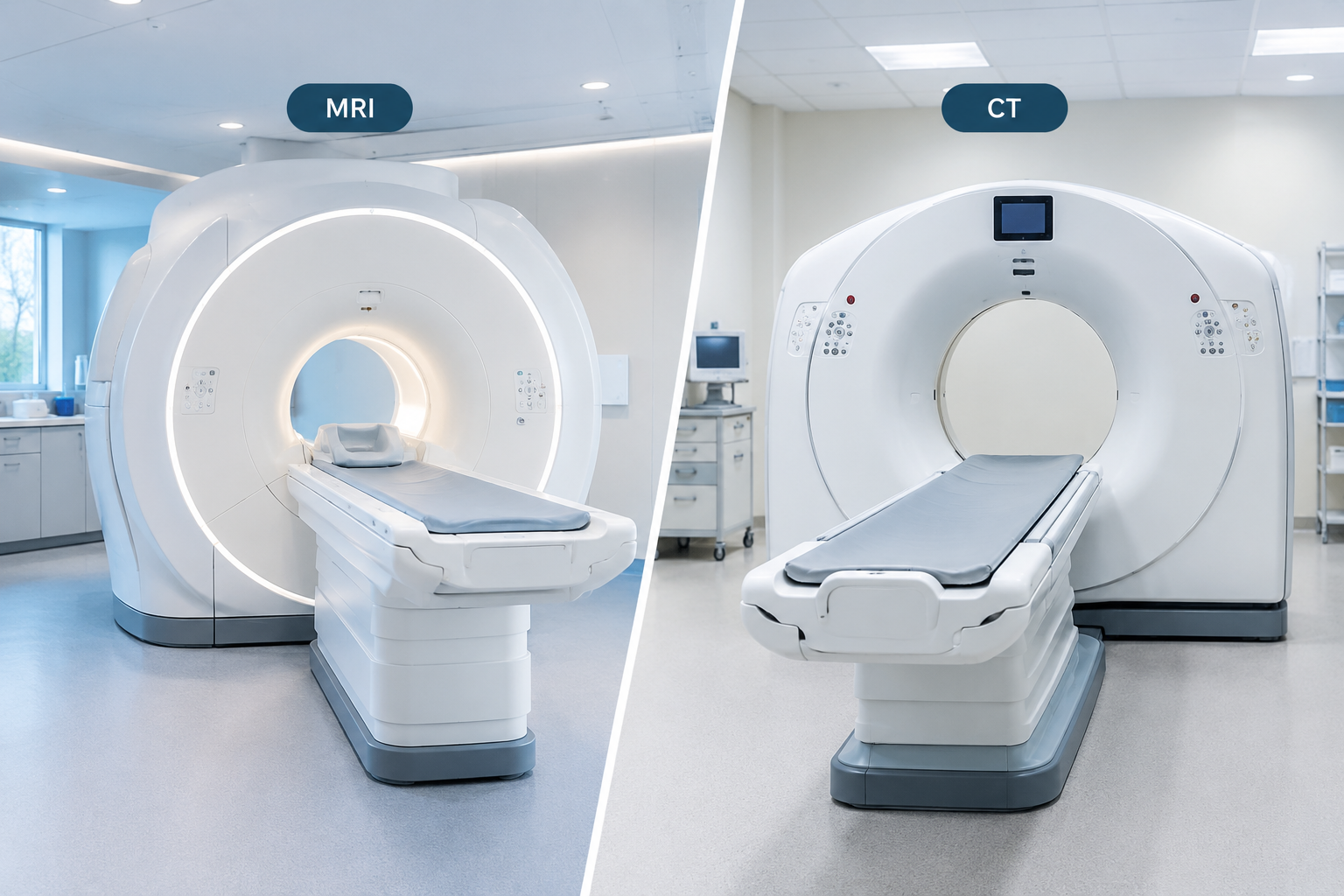
Magnetic Resonance Imaging (MRI) is a powerful tool in the world of nephrology. Unlike X-rays or CT scans, an MRI does not use ionizing radiation. Instead, it uses strong magnets and radio waves to create detailed 3D pictures of your kidneys and the surrounding blood vessels. When you are suffering from kidney pain , a renal MRI can show the exact size and location of stones, the thickness of the kidney wall, and the presence of any abnormal growths or cysts.
One of the most significant benefits of an MRI for kidneys is its ability to distinguish between different types of soft tissue. This is crucial for identifying tumors at an early, treatable stage. It also allows doctors to check the renal arteries for any narrowing (stenosis), which could be the hidden cause of high blood pressure and subsequent kidney pain. The level of detail provided by an MRI ensures that your consultant doesn't have to guess—they can see the problem clearly.
The Advantages of MRI for Kidney Imaging
When comparing diagnostic tools, MRI stands out for several reasons, particularly for patients who may need multiple scans over their lifetime.
- Safety First: No exposure to radiation makes it ideal for long-term monitoring.
- Superior Contrast: Excellent at showing the difference between fluid-filled cysts and solid masses.
- Vessel Detail: Can visualize blood flow without always needing contrast dye.
- Comprehensive View: Captures the kidneys, ureters, and bladder in one session.
- Non-Invasive: Provides internal views without the need for exploratory surgery.
MRI Plus focuses on these advantages to ensure that patients get the best possible care without unnecessary risks. By using the latest technology, we can provide results that are both fast and clinically accurate, helping you move from pain to a recovery plan in record time.
What to Expect During Your Kidney (Renal) MRI Experience
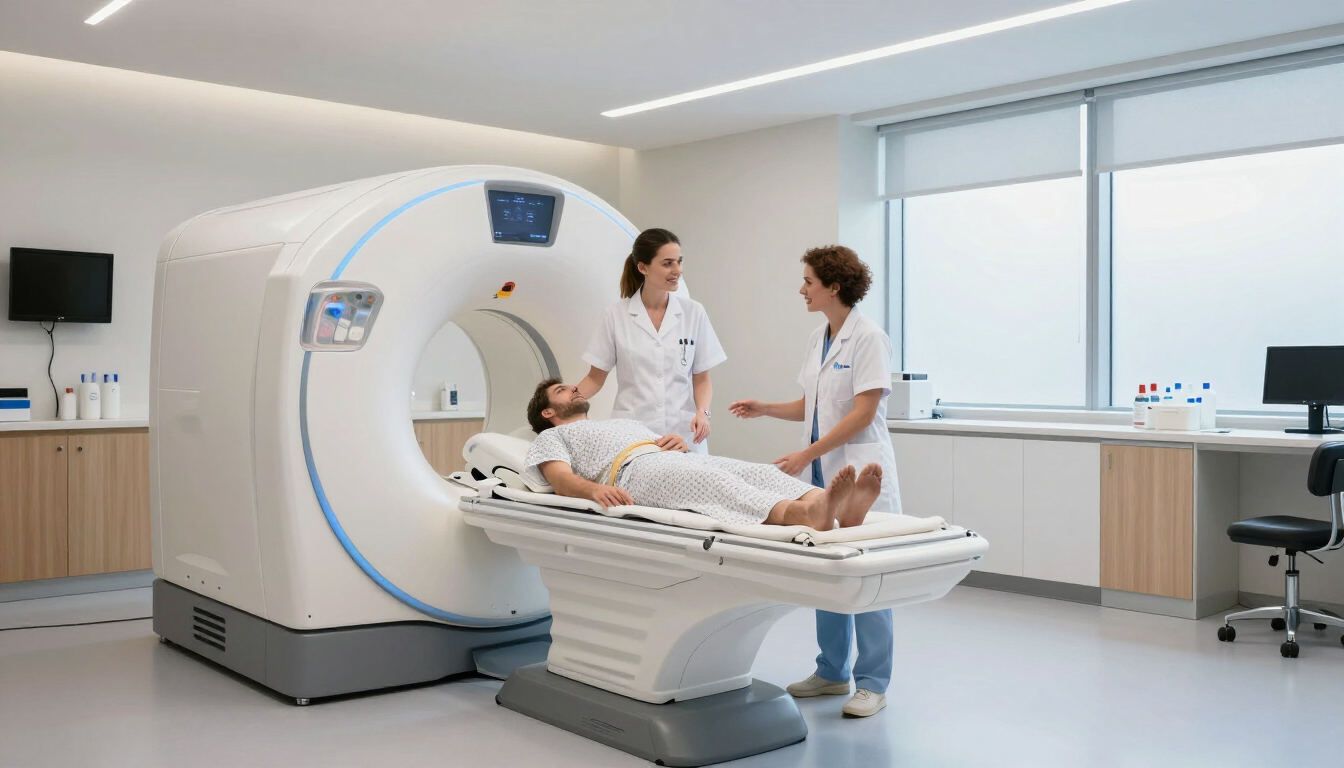
We know that medical scans can be intimidating, but at MRI Plus, we strive to make the process as conversational and stress-free as possible. When you arrive for your Kidney MRI , you'll be greeted by our clinical team who will explain every step. You’ll be asked to lie on a flat bed that slides into the scanner. The machine makes some loud clicking noises—this is completely normal—and we provide headphones or earplugs to keep you comfortable.
The scan usually takes between 20 to 45 minutes. During this time, it's important to remain still so the images are crisp and clear. Once finished, you can go about your day immediately. There is no downtime. Our focus is on speed; we ensure that your reports are handled by expert radiologists and delivered to you or your consultant promptly, so you aren't left waiting in uncertainty. You can find more information about our approach to patient care for the body parts under our service commitment section.

When Should You Seek Medical Advice?
While minor discomfort can sometimes be managed with hydration, certain "red flag" symptoms mean you should seek a diagnostic scan or medical consultation immediately. If your kidney pain is accompanied by blood in your urine, this is a clear sign of an underlying issue that needs investigation. Similarly, a high fever or persistent vomiting alongside flank pain suggests an infection that could potentially spread to the bloodstream.
For older adults, symptoms can sometimes be more subtle. You might just feel generally unwell or notice a significant drop in your appetite. Because kidney function naturally declines with age, any new pain in the renal area should be taken seriously. Don't wait for the pain to become unbearable; early intervention is the key to preserving kidney function and avoiding long-term damage or the need for more invasive treatments like dialysis.
Best Steps for Long-Term Kidney Health
Prevention is always better than cure. Even if you have already experienced kidney pain, there are steps you can take today to protect your renal health for the future. Staying hydrated is the most effective way to prevent stones, as it keeps your urine diluted. Aim for a variety of water and herbal teas, while limiting sugary sodas that can contribute to stone formation.
- Hydration: Drink at least 2 liters of water daily to flush out toxins.
- Monitor Salt: Excessive sodium increases the amount of calcium your kidneys must filter.
- Regular Checks: If you have diabetes or hypertension, get your kidney function tested annually.
- Healthy Weight: Maintaining a healthy BMI reduces the strain on your kidneys.
- Consult Experts: If you feel persistent aches, book an MRI to catch issues early.
Summary and Key Takeaways
Kidney pain is a signal from your body that something—whether an infection, a stone, or a chronic condition—needs your attention. A renal MRI is the gold standard for getting a clear, radiation-free look at what is happening inside. At MRI Plus, we prioritize speed and clinical excellence to ensure you get your answers without the wait. By combining advanced imaging with a patient-centric approach, we help you take control of your health journey.
- Identify the source: Distinguish kidney pain from back pain by its location and steadiness.
- Act fast: Use MRI for a non-invasive, high-detail diagnosis of stones or cysts.
- Prioritize safety: Choose MRI to avoid radiation while getting superior soft-tissue imaging.
- Focus on prevention: Maintain hydration and manage blood pressure to protect your kidneys long-term.
References :
Website, N. (2026a, March 24). Kidney infection. nhs.uk. https://www.nhs.uk/conditions/kidney-infection/
Symptoms and Causes of Kidney Stones. (2025, October 3). National Institute of Diabetes and Digestive and Kidney Diseases. https://www.niddk.nih.gov/health-information/urologic-diseases/kidney-stones/symptoms-causes
NICE. (2026, March 19). Quality statement 1: Suspected cancer pathway referral | Kidney cancer | Quality standards | NICE.
https://www.nice.org.uk/guidance/qs215/chapter/Quality-statement-1-Suspected-cancer-pathway-referral