Sciatica Pain Symptoms: A Guide to Diagnosis and Relief - MRI Plus
Sciatica is nerve pain caused by irritation or compression of the sciatic nerve. It typically manifests as a sharp, radiating sensation traveling from the lower back through the hips and down each leg, often requiring professional diagnosis via MRI to identify underlying causes like herniated discs or spinal stenosis.
What are the primary symptoms of sciatica?
If you have ever felt a sharp, electric-shock sensation shooting from your lower back down to your toes, you have likely experienced the hallmarks of sciatica. This condition isn't actually a disease in itself, but rather a set of symptoms signaling that something is pressing on or irritating the sciatic nerve—the longest and thickest nerve in your body. For many adults aged 30 to 60, these symptoms can range from a mild ache to an incapacitating surge of pain that makes standing or sitting nearly impossible.
The most common symptoms include:
- A burning or searing pain that radiates from the lower spine to the buttock.
- Numbness or a "pins and needles" sensation in the leg or foot.
- Muscle weakness in the affected leg or foot.
- Pain that intensifies when coughing, sneezing, or sitting for long periods.
- A constant dull ache on one side of the rear.
For sedentary workers in Britain, these symptoms often sneak up after years of desk-bound habits. Conversely, for labourers, the onset can be sudden and sharp following a heavy lift. Understanding these symptoms is the first step toward reclaiming your mobility. When the pain persists for more than a few weeks or prevents you from performing daily tasks, it is a clear sign that your body is asking for professional intervention. At MRI Plus News , we often see patients who have ignored these signals until the pain becomes chronic, which is why early awareness is so vital.

Common Causes of Lower Back Sciatica
While the pain is felt in the legs, the root cause of lower back sciatica is almost always located in the lumbar spine. The most frequent culprit is a herniated disc. Your spinal discs act as shock absorbers between your vertebrae, but when the soft inner gel leaks out through a tear in the outer shell, it can press directly onto the sciatic nerve roots. This mechanical pressure, combined with the chemical irritation from the leaked disc material, triggers the intense inflammatory response we know as sciatica.
Beyond herniated discs, other common causes include:
- Spinal stenosis, which is a narrowing of the bone canal.
- Spondylolisthesis, where one vertebra slips over another.
- Degenerative disc disease related to natural aging.
- Muscle spasms in the lower back or buttocks.
- Piriformis syndrome, involving the small muscle in the hip.
For many people in the UK workforce, lifestyle factors play a massive role. Sedentary workers who sit for eight hours a day often suffer from "weak glutes" and tight hip flexors, which puts undue stress on the lower back. On the other end of the spectrum, labourers who perform repetitive lifting or twisting are at a higher risk of acute disc injuries. Whether it is a slow wear-and-tear process or a sudden injury, the result is the same: a compromised nerve that needs space to heal.
Why is sciatica diagnosis important for workers?
In Britain, back pain and sciatica are leading contributors to long-term sickness absence. When a worker is sidelined by nerve pain, it doesn't just affect their physical health; it impacts their financial stability and mental well-being. A formal sciatica diagnosis is crucial because it moves the patient from a state of "guessing and resting" to a proactive treatment plan. Without knowing exactly which disc is involved or how severe the compression is, any rehabilitation effort is essentially a shot in the dark.
Employers and employees alike benefit from rapid diagnostics. When a worker can present a clear clinical report, they can negotiate modified duties or ergonomic adjustments that allow them to remain productive while they recover. For those in manual roles, a diagnosis might prevent a minor injury from becoming a permanent disability. Transitioning back to work is much safer when you and your healthcare provider understand the physical limits imposed by your specific spinal condition.
Recognizing Sciatica Warning Signs
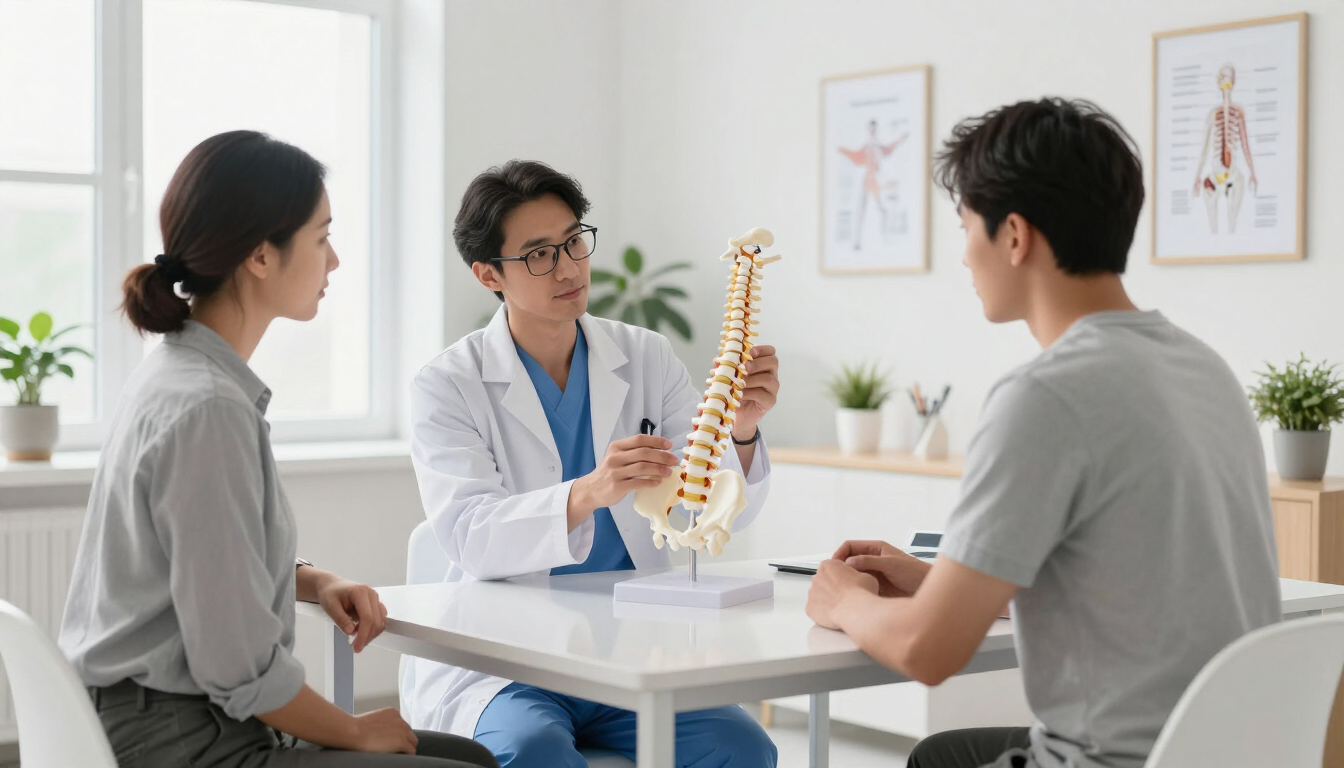
Most cases of sciatica resolve with conservative care, but there are certain warning signs that require immediate medical attention. These "red flags" can indicate severe nerve compression that might lead to permanent damage if left untreated. If you experience a sudden loss of bowel or bladder control, or if you notice significant numbness in your "saddle area" (the parts of your body that would touch a horse's saddle), you must seek emergency care immediately.
Other warning signs that suggest you shouldn't wait include:
- Sudden, severe pain from a trauma or accident.
- Weakness so profound that you cannot lift your foot (foot drop).
- Pain that is progressively getting worse despite rest.
- Fever or unexplained weight loss accompanying the back pain.
- Numbness that is spreading or becoming bilateral.
Recognizing these warning signs early can be the difference between a full recovery and long-term neurological issues. For the average adult, being "stoic" about pain is often seen as a virtue, but when it comes to nerve health, silence is not your friend. If your symptoms align with these indicators, it is time to skip the over-the-counter remedies and book a professional assessment.
How is sciatica diagnosed effectively?
Effective diagnosis begins with a clinical history and a physical examination. A doctor will often perform the "straight-leg raise" test, where you lie on your back and the practitioner lifts your leg. If this causes pain to radiate down the leg, it is a strong indicator of nerve root irritation. However, to see exactly what is happening beneath the surface, imaging is the gold standard. While X-rays can show bone issues, they cannot visualize the soft tissues, like discs and nerves, where sciatica usually originates.
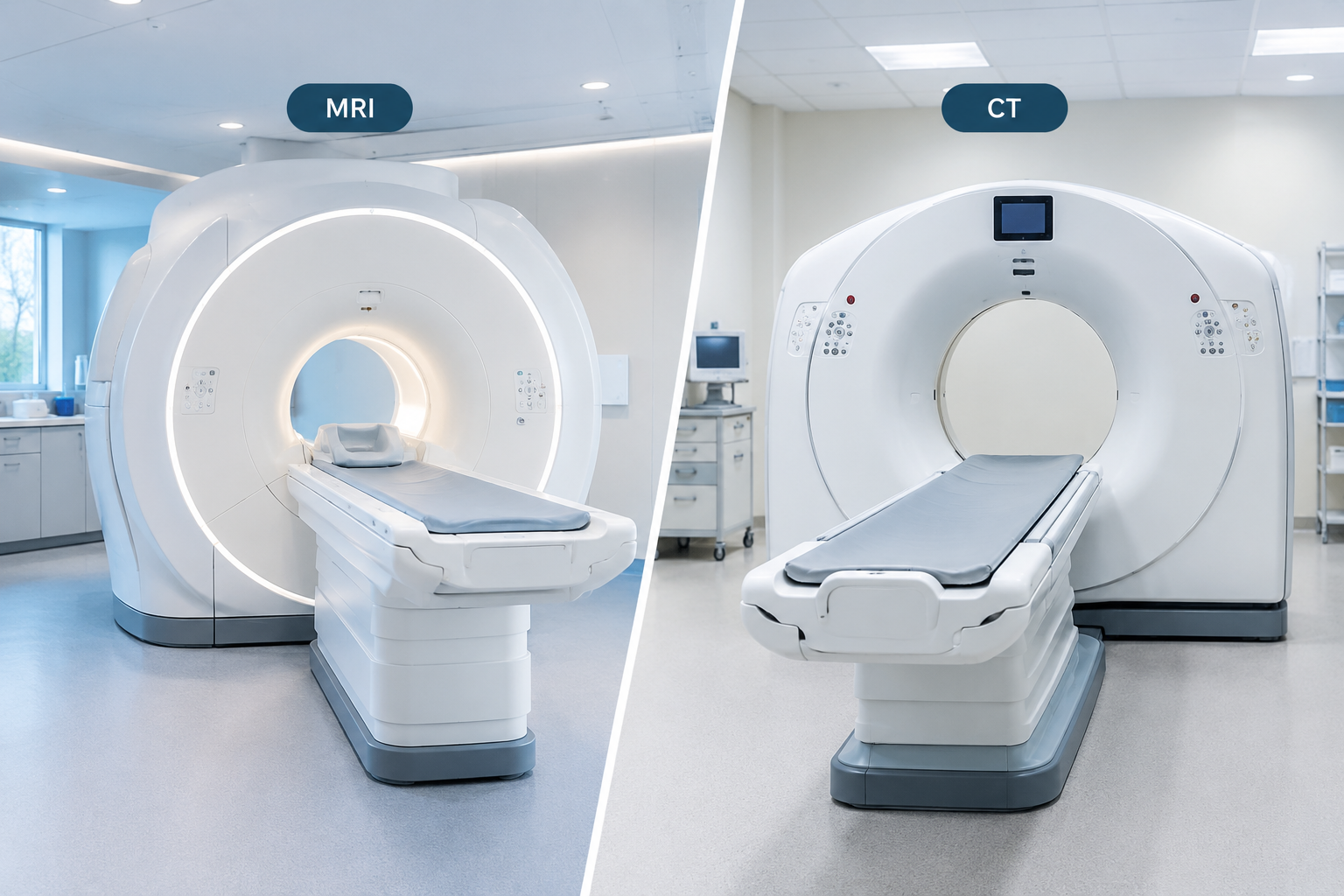
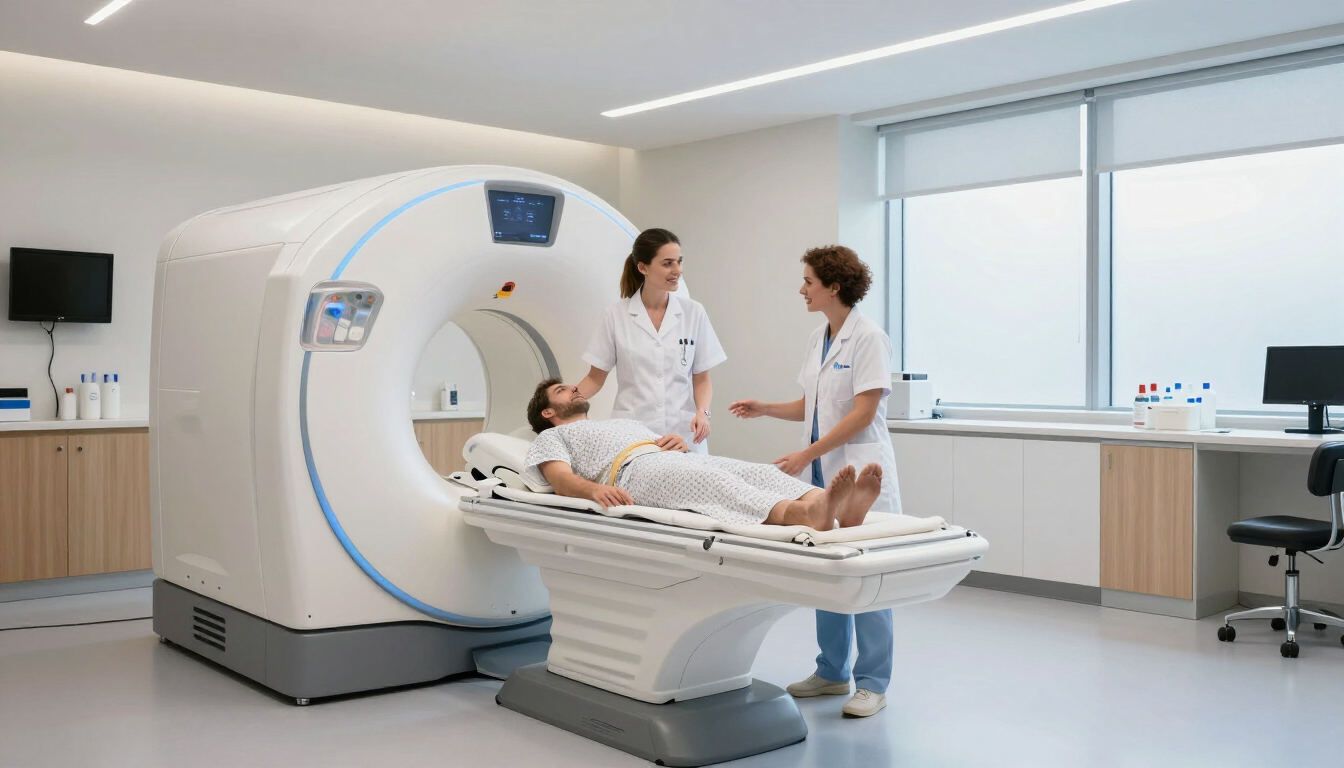
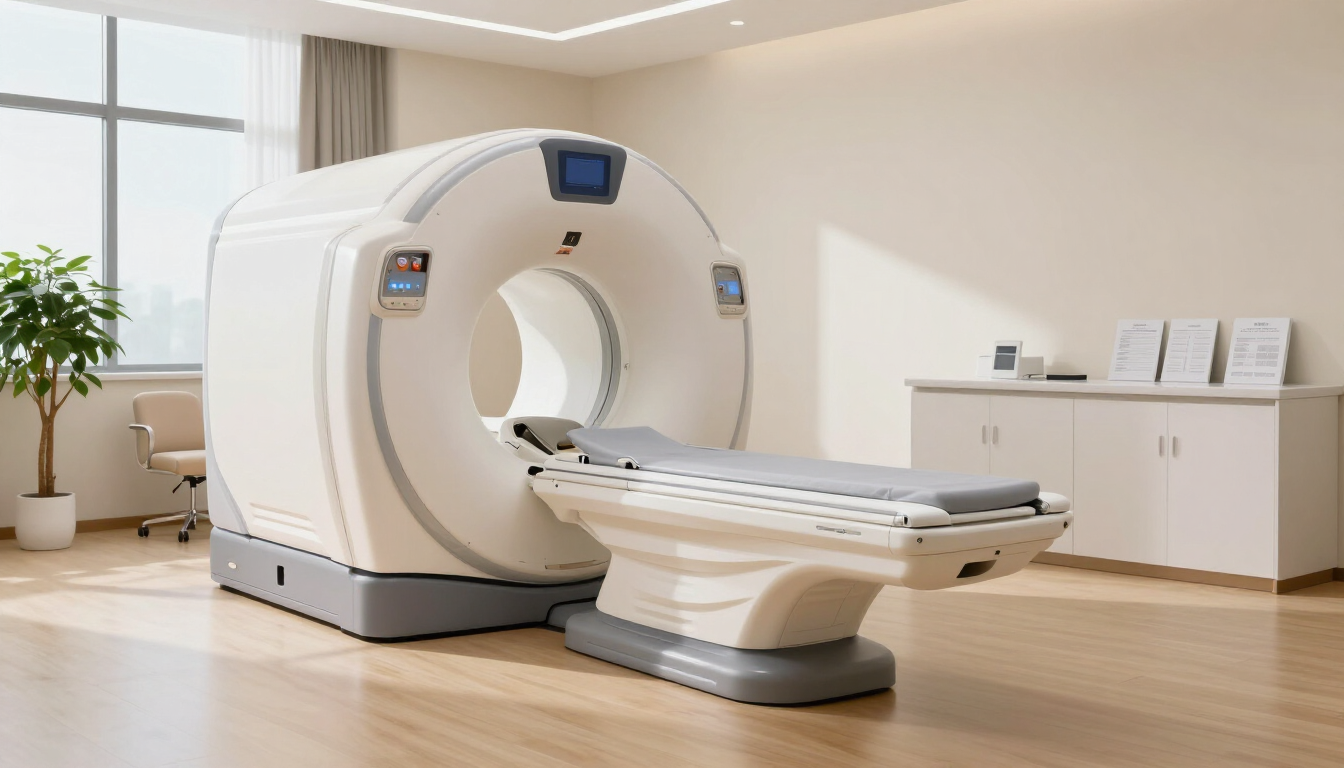
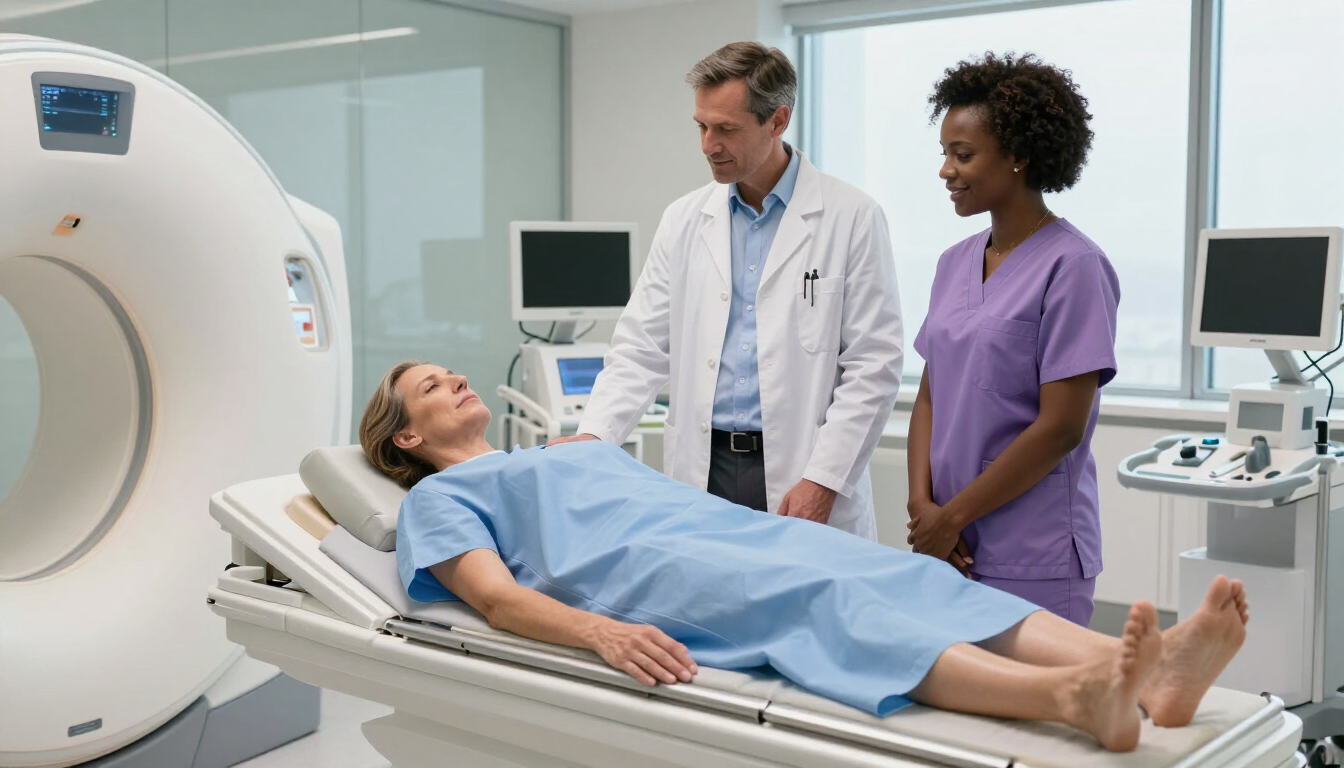
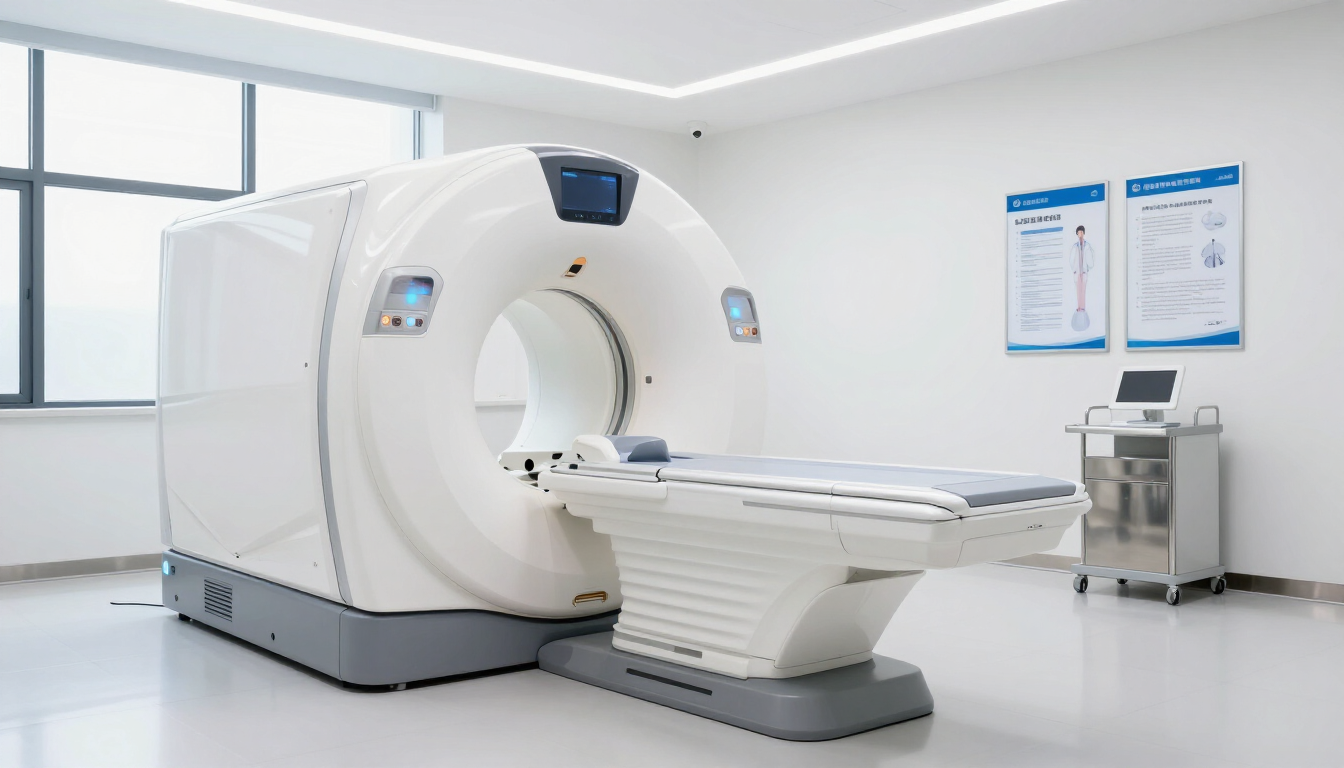
This is where Magnetic Resonance Imaging (MRI) becomes indispensable. An MRI provides high-resolution images of the spinal cord, nerve roots, and the discs themselves. It allows clinicians to see the exact location and size of a herniation. This level of detail is essential for planning physical therapy, steroid injections, or, in rare cases, surgical intervention. At MRI Plus News , we emphasize that a fast diagnosis leads to faster relief, helping patients avoid the frustration of ineffective treatments.
Modern Diagnostic Solutions at MRI Plus
MRI Plus was founded to solve the primary problem facing UK patients: long waiting times. In the traditional healthcare pathway, waiting months for an MRI scan while in debilitating pain is all too common. We offer a streamlined, patient-centric alternative where speed and clinical accuracy go hand-in-hand. By providing rapid appointment availability in London and Leigh on Sea, we ensure that the window for early intervention doesn't close while you are stuck on a waiting list.
Our approach focuses on:
- Transparent pricing for self-pay patients and professionals.
- Quick reporting from qualified clinical experts.
- Seamless online booking systems to reduce friction.
- Modern diagnostic facilities that prioritize patient comfort.
- Direct communication to help remove uncertainty.
By leveraging modern digital tools and state-of-the-art imaging technology, we help bridge the gap between injury and recovery. Whether you are an office worker struggling to sit through a meeting or a labourer unable to return to the site, getting an accurate picture of your spinal health is the first step toward a pain-free life.
Managing Sciatica in the Workplace
Managing sciatica pain symptoms while working requires a combination of ergonomic awareness and consistent movement. If you are a sedentary worker, the "20-20-20" rule for eyes is well-known, but your back needs a "30-2-30" rule: for every 30 minutes of sitting, stand or move for 2 minutes. This keeps the blood flowing to the spinal discs and prevents the muscles from seizing up around the sciatic nerve.
For those in manual labor, proper lifting technique is non-negotiable:
- Keep the load close to your center of gravity.
- Bend at the knees and hips, not the waist.
- Avoid twisting while carrying heavy objects.
- Use mechanical aids whenever they are available.
- Communicate with your supervisor about physical limitations.
Ultimately, the goal is to manage symptoms before they escalate. By combining professional diagnosis with smart workplace habits, most people can manage their sciatica without long-term sickness absence. Remember, pain is a signal, not a permanent state. By listening to your body and seeking help from providers like MRI Plus, you can navigate the path from diagnosis to recovery with confidence.
Summary and Takeaways
Sciatica is a manageable but painful condition that requires a clear understanding of symptoms and causes for effective relief. Whether you are dealing with a herniated disc or lifestyle-related nerve irritation, getting a fast and accurate diagnosis is the key to preventing long-term sickness absence and chronic pain.
- Identify if your pain is truly sciatica by tracking its path down the leg.
- Watch for "red flag" warning signs like sudden weakness or numbness.
- Utilize MRI scans for a definitive look at nerve and disc health.
- Adopt ergonomic habits to support your recovery at work.
- Seek rapid diagnostic support to avoid long NHS waiting lists.