What is an Internal Auditory Meatus (IAM) MRI Scan?
An Internal Auditory Meatus (IAM) MRI is a specialized diagnostic imaging test used to visualize the inner ear, auditory nerves, and surrounding brain structures. It is primarily performed to identify causes of unilateral hearing loss, tinnitus, or balance issues, such as acoustic neuromas, inflammation, or vascular compressions.
When is an Internal Auditory Meatus MRI needed?
If you have been experiencing symptoms that affect only one ear, your doctor or audiologist will likely recommend an Internal Auditory Meatus MRI. Unlike a general brain scan, this specific protocol focuses intensely on the small, intricate channels within the temporal bone where your hearing and balance nerves reside.
The most common reason for this scan is unilateral sensorineural hearing loss . This is a type of hearing loss where one ear loses its ability to process sound while the other remains normal. Because this can sometimes indicate a growth on the hearing nerve, a detailed image is essential for peace of mind and clinical clarity.
Other clinical indicators for an IAM MRI include:
- Unilateral Tinnitus : A persistent ringing, buzzing, or hissing sound heard only in one ear.
- Vertigo or Dizziness : Unexplained balance issues that suggest a problem with the vestibular nerve.
- Facial Numbness or Weakness : Since the facial nerve travels through the same canal as the hearing nerve, compression can cause facial symptoms.
- Follow-up Monitoring : If you have a known small growth, regular scans monitor its size.
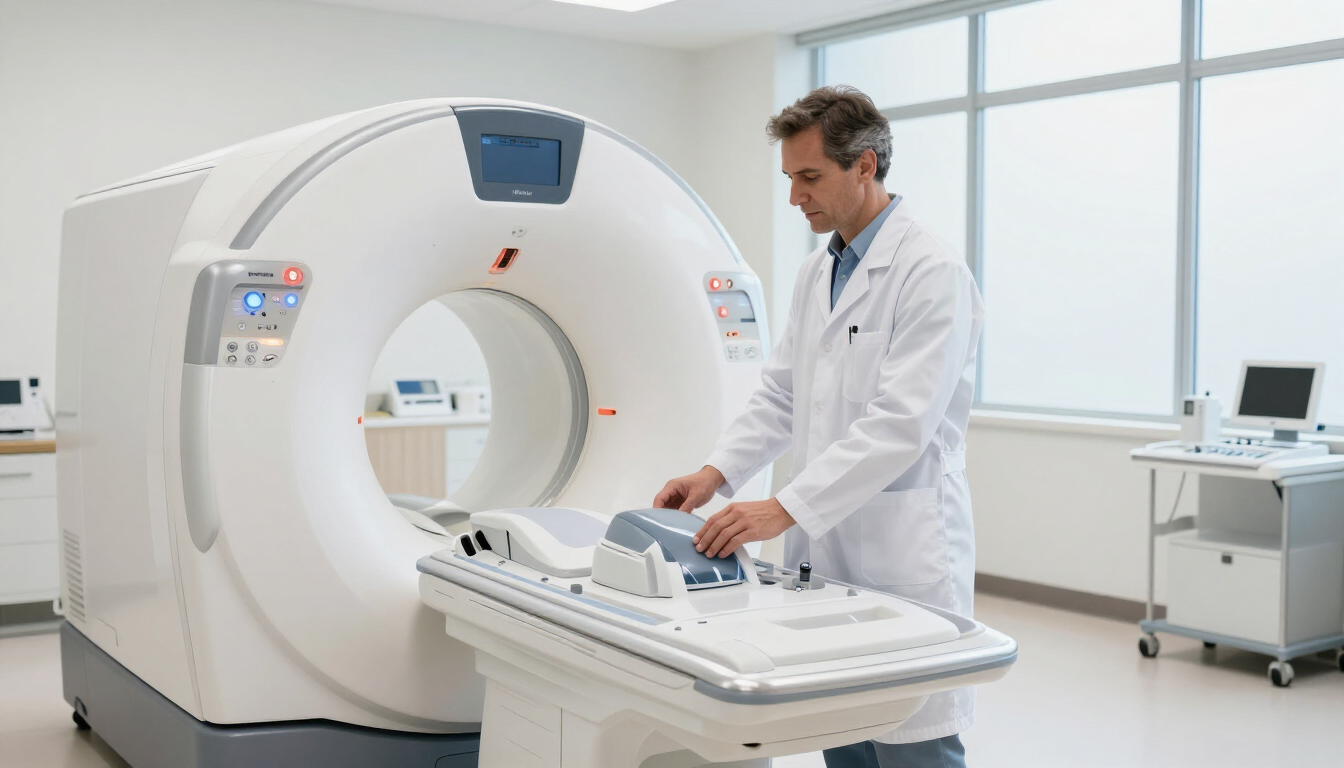
Common symptoms leading to an IAM scan
While many people experience hearing changes as they age, certain "red flags" necessitate a closer look via an Internal Auditory Meatus MRI. These symptoms are often localized to one side, which distinguishes them from general age-related hearing decline.
Patients often describe a feeling of "fullness" in the ear, similar to the sensation of being underwater. Others might notice that they struggle to hear conversations on a mobile phone when held to a specific ear, even if they can hear fine otherwise. When these symptoms are accompanied by a sudden or gradual loss of balance, the clinical need for an IAM MRI increases. Identifying the root cause early through high-quality imaging at MRI Plus News ensures that you can begin the correct treatment pathway without unnecessary delays.
What does an IAM MRI scan detect?
The primary goal of an Internal Auditory Meatus MRI is to look for structural abnormalities that could be interfering with the function of the cranial nerves. The resolution provided by an MRI allows radiologists to see very small lesions that would be invisible on a standard X-ray or CT scan.
Here are the most common findings:
- Vestibular Schwannoma (Acoustic Neuroma) : A non-cancerous, slow-growing tumor on the main nerve leading from your inner ear to your brain.
- Labyrinthitis or Neuritis : Inflammation of the inner ear or the nerves responsible for balance and hearing.
- Vascular Loops : Blood vessels that may be pressing against the auditory or facial nerves, causing irritation.
- Meningiomas : Other types of benign tumors that can grow in the vicinity of the internal auditory canal.
- Cholesteatoma : A skin cyst that can develop in the middle ear and occasionally extend toward the inner ear structures.
Detecting these conditions early is vital. While most findings are benign (non-cancerous), they can still impact your quality of life by affecting your hearing and balance. Having a clear diagnosis allows your consultant to discuss options such as "watchful waiting," microsurgery, or targeted radiation therapy.
What to expect during the ear MRI scan?
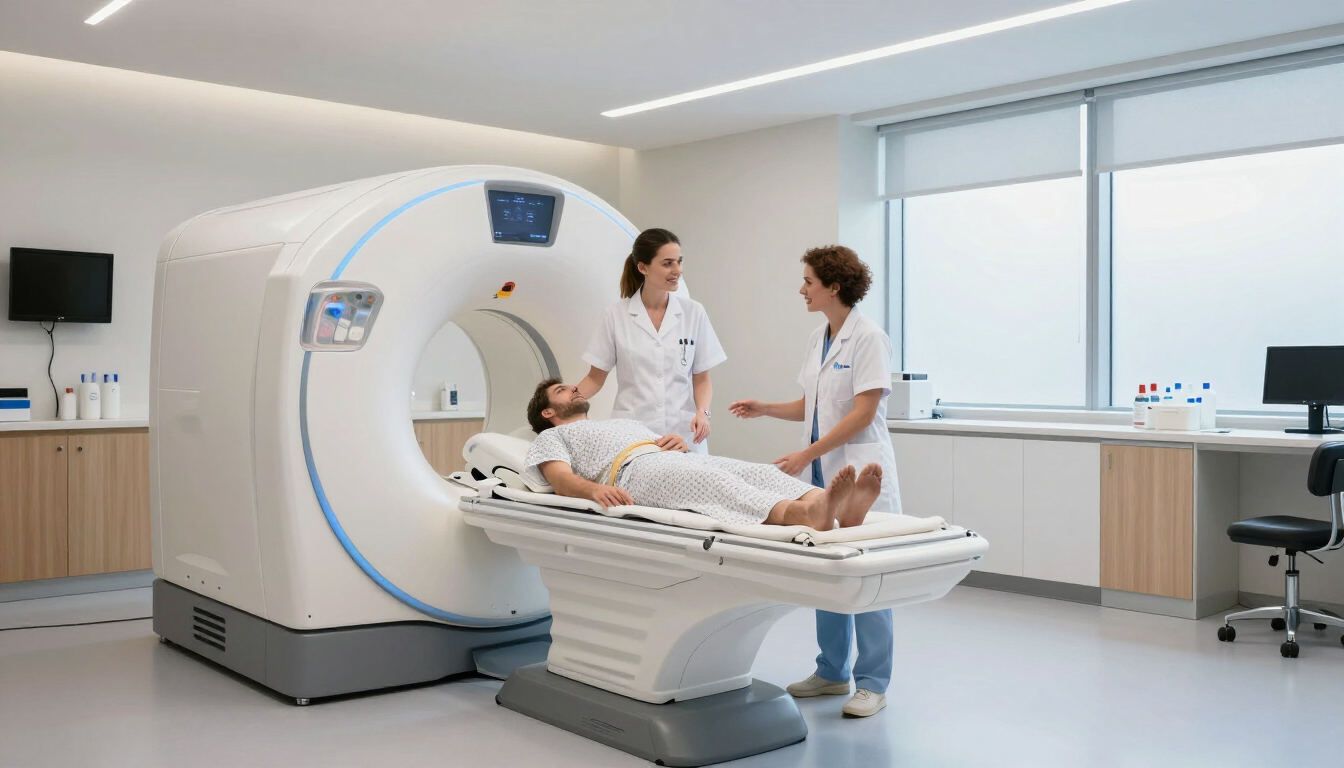
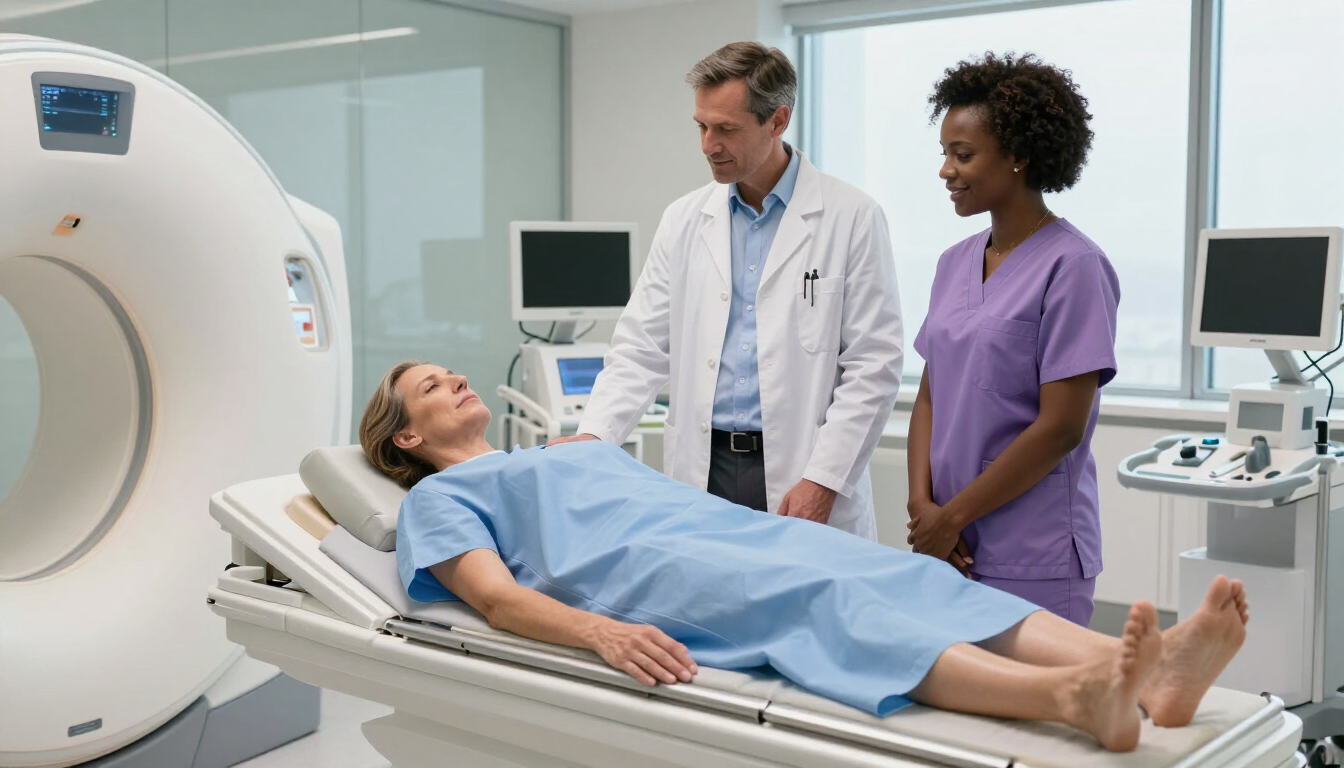
Many patients feel a bit apprehensive about having an MRI, but the process is straightforward and non-invasive. When you arrive for your ear MRI, you will be asked to complete a safety screening form to ensure you don't have any metal implants that are incompatible with the magnetic field.
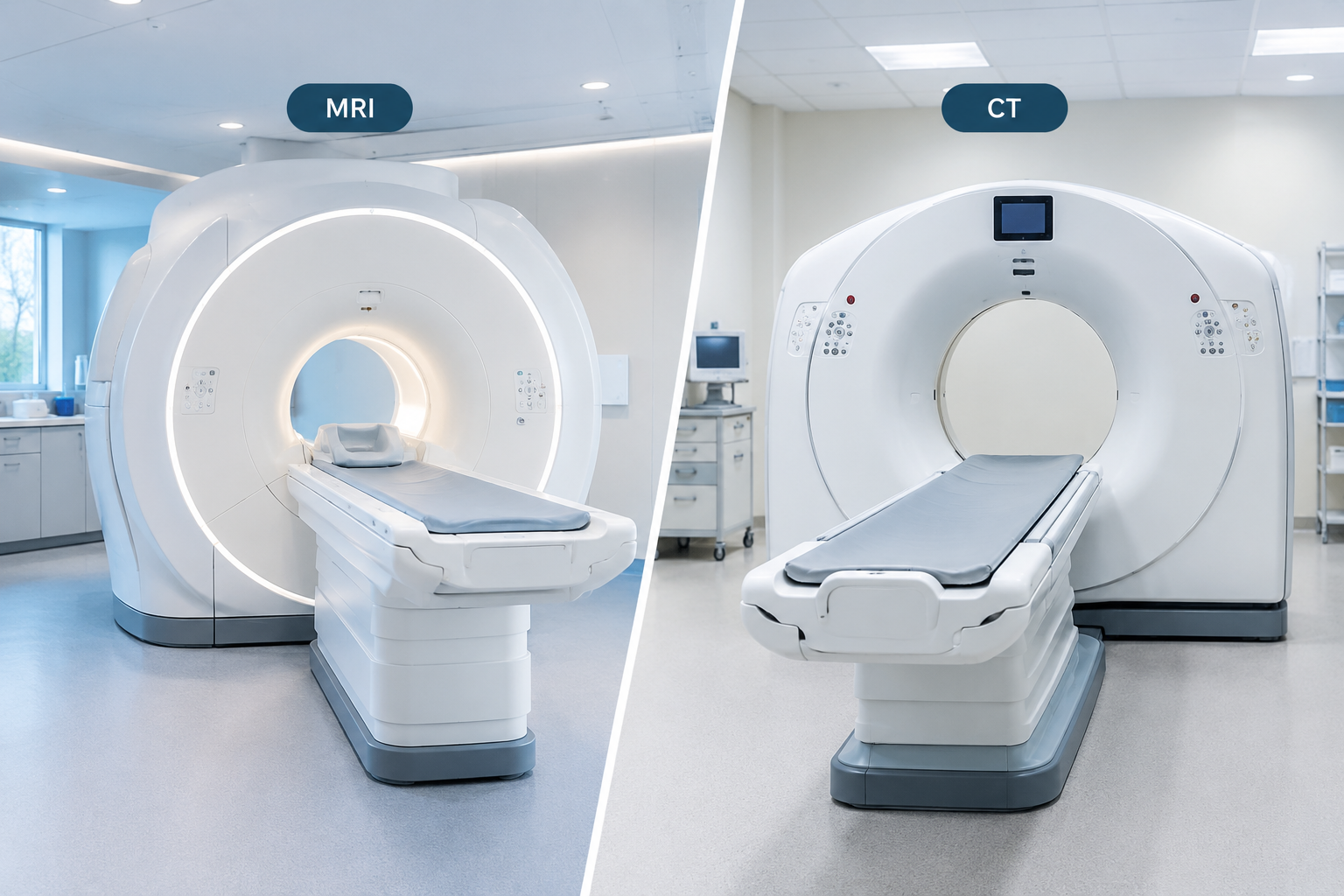
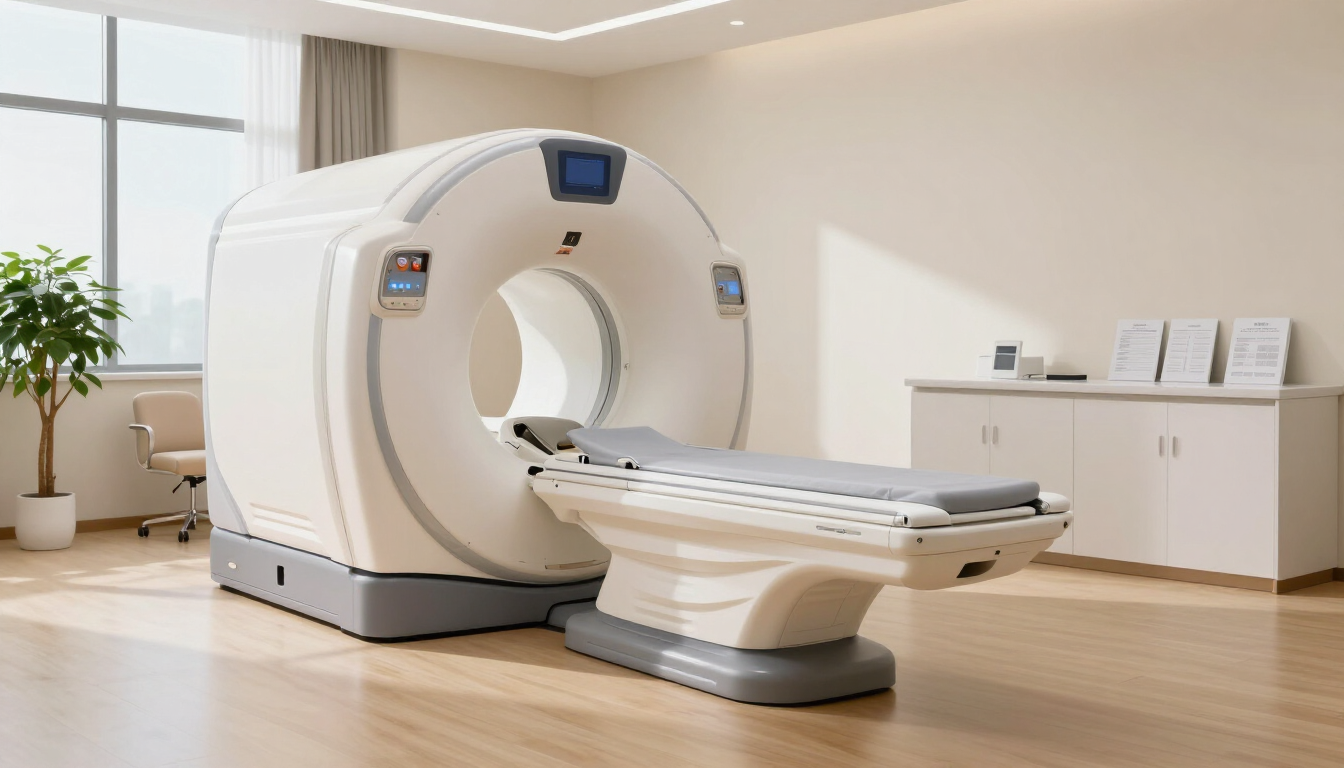
Once in the scan room, you will lie on a comfortable motorized bed. To get the highest quality images of the internal auditory meatus, a specialized "head coil" (which looks like a plastic helmet or cage) will be placed over your head. This acts as an antenna to capture the signals from your body.
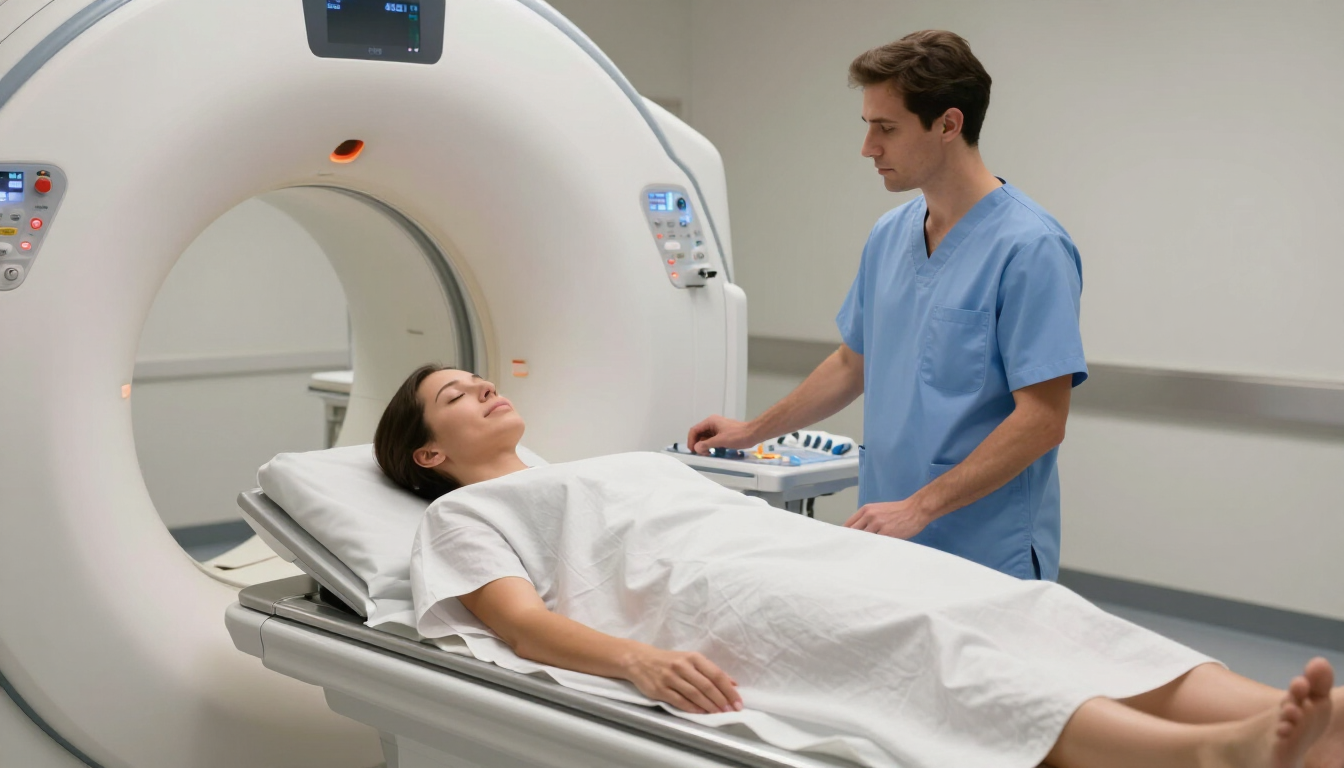
During the scan, you will hear a series of loud knocking or buzzing sounds. This is completely normal and indicates the machine is working. You will be provided with earplugs or headphones to protect your hearing, and often you can even listen to music. The entire procedure usually takes between 20 and 30 minutes. It is crucial to stay as still as possible during this time to ensure the images are sharp and clear.
Understanding your MRI results
After the scan is complete, the images are sent to a specialist radiologist who will carefully examine the internal auditory canals and the surrounding brain tissue. They look at the symmetry between the left and right sides, the thickness of the nerves, and any signs of abnormal fluid or tissue growth.
At MRI Plus, we pride ourselves on rapid reporting. We understand that waiting for medical results can be stressful. Our digital systems ensure that your report is generated promptly and shared with your referring clinician or provided directly to you, enabling a faster transition to the next stage of your healthcare journey.
How to book an appointment for an IAM MRI?
Booking a private Internal Auditory Meatus MRI with MRI Plus is designed to be a friction-free experience. We understand that the delays in traditional healthcare pathways can be frustrating, especially when dealing with symptoms like sudden hearing loss or persistent vertigo.
To secure an appointment, you can visit our website and use our streamlined online booking system. We offer rapid availability at our Leigh on Sea and London locations, often with appointments available within days rather than months.
- Step 1 : Choose your preferred location and time.
- Step 2 : Provide your referral details (if you have them) or inquire about our self-referral options.
- Step 3 : Receive an instant confirmation and preparation instructions.
- Step 4 : Attend your appointment and receive your results quickly.
Our pricing is transparent and competitive, ensuring you know exactly what to expect before you even walk through our doors. By choosing a private diagnostic pathway, you take control of your health timeline.
Benefits of choosing private diagnostics
When it comes to your hearing and balance, time is often of the essence. Choosing MRI Plus for your IAM MRI offers several distinct advantages over traditional routes. Our focus on speed means you get answers faster, reducing the period of uncertainty and anxiety that often accompanies unexplained medical symptoms.
Furthermore, our clinical quality is overseen by Chartwell Private Hospital, ensuring that you receive the highest standard of care and governance. We utilize modern digital tools to keep you informed every step of the way, from automated appointment reminders to digital access to your reports. This patient-centric approach ensures that your experience is supportive, efficient, and professional.
Summary of IAM MRI Essentials
An Internal Auditory Meatus MRI is a vital tool for diagnosing conditions affecting the inner ear and auditory nerves. Whether you are dealing with new-onset tinnitus or unexplained hearing loss, this scan provides the clarity needed for an accurate diagnosis.
Key Takeaways:
- Purpose : To detect acoustic neuromas, inflammation, or vascular issues in the inner ear.
- Symptoms : Primarily used for one-sided (unilateral) hearing loss, tinnitus, or balance problems.
- Process : A 20–30 minute non-invasive scan involving a head coil and some noise.
- Outcome : High-resolution images that allow for early intervention and better patient outcomes.
- Next Steps : If you have symptoms, consult a professional and consider booking a private scan for faster results.
For more information on our services and to stay updated on the latest in diagnostic imaging, visit our website MRI Plus. .
References :
Includes MRI referral and assessment guidance relevant to suspected vestibular schwannoma/acoustic neuroma pathways : NICE NG98: Hearing Loss in Adults – Assessment and Management
NHS Acoustic Neuroma (best patient authority):
https://www.nhs.uk/Conditions/Acoustic-neuroma/
IAMS MRI Scan - Internal Auditory Meatus from £199 | MRI Plus. (n.d.-b). https://mriplus.co.uk/body-parts/iams-mri-scan