Can an MRI Detect Parasites in the Brain?
Yes, an MRI is the gold standard for detecting parasites in the brain. It provides high-contrast images that reveal cysts, larvae, and the specific stage of infection. While CT scans detect calcification, MRI is far superior for identifying active, soft-tissue parasitic lesions and the surrounding inflammatory response.
Can an MRI detect parasites in the brain?
If you are experiencing unexplained neurological symptoms like seizures, severe headaches, or sudden confusion, you might wonder if a hidden infection is to blame. The answer is a definitive yes: a Magnetic Resonance Imaging (MRI) scan is the most effective tool for finding parasites in the brain.
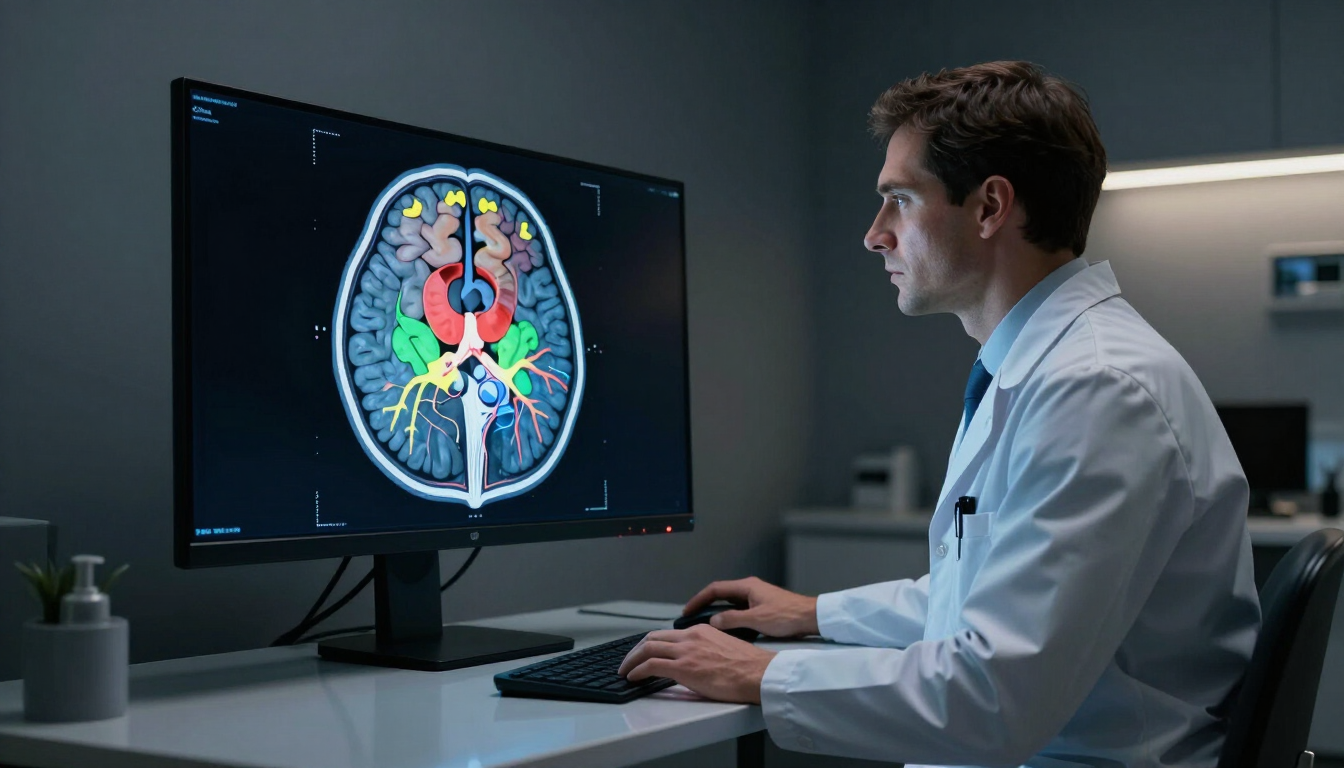
Parasites often enter the body through contaminated food or water, eventually traveling through the bloodstream to find a host. The brain is a particularly sensitive environment where these "uninvited guests" can cause significant damage if not caught early. An MRI for brain parasites works by using powerful magnets and radio waves to create detailed slices of brain tissue. Unlike other imaging methods, the MRI can distinguish between the parasite itself, the protective cyst it might live in, and the fluid or swelling (oedema) that the brain produces in response to the invader.
Why MRI is the Best for Neurological Parasites
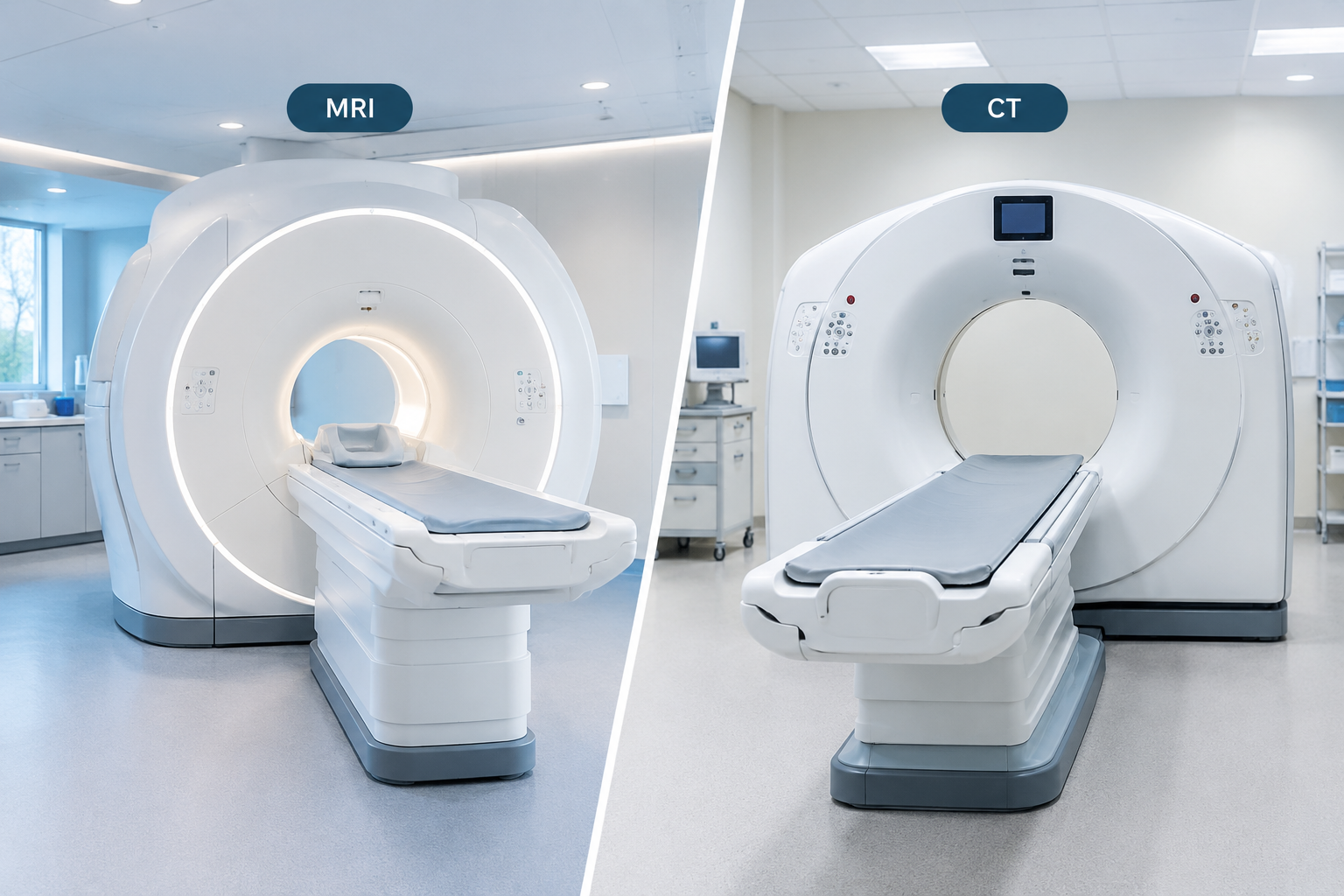
When doctors suspect a brain infection, they need more than just a blurry picture; they need a precise map. This is where MRI outperforms other diagnostic tools like CT scans. While a CT scan is excellent for spotting old, calcified (dead) parasites, it often misses active ones that are still causing symptoms.
MRI is considered the best diagnostic method for several reasons:
- Superior Soft Tissue Contrast: MRI can clearly show the difference between healthy brain matter and a parasitic cyst.
- Identifying the 'Scolex': In many cases, an MRI can actually show the head of the parasite (the scolex) inside a cyst, which is a “smoking gun” for diagnosis.
- Visualising Inflammation: It highlights the exact area where the body’s immune system is attacking the parasite, helping doctors understand how much pressure is on the brain.
- Multiple Sequences: Radiologists use different
Reference :
World Health Organization. (2021). EVIDENCE PROFILES. WHO Guidelines on Management of Taenia Solium Neurocysticercosis - NCBI Bookshelf. https://www.ncbi.nlm.nih.gov/books/NBK573857/
UCLH / Hospital for Tropical Diseases – UK Parasitology Service : https://www.uclh.nhs.uk/our-services/find-service/pathology-1/parasitology
Brain and Head MRI Scans from £199 | MRI Plus. (n.d.).
https://mriplus.co.uk/body-parts/brain-and-head