MRI With Contrast: What to Expect
An MRI with contrast involves the administration of a gadolinium-based contrast agent to enhance the quality and detail of the images produced. This specialized dye highlights specific tissues, blood vessels, and inflammatory processes, allowing radiologists to distinguish between normal and abnormal structures with significantly higher diagnostic precision than a standard MRI.
What is an MRI with contrast?
An MRI with contrast is an advanced imaging scan that uses a special contrast dye, usually gadolinium, to provide clearer and more detailed images of the inside of the body. While a standard MRI creates images using the natural magnetic properties of water molecules in your body, a contrast-enhanced MRI adds a contrast agent into the bloodstream to improve image quality.
Once the contrast agent reaches the area being examined, it helps highlight specific tissues, blood vessels, and structures, making them appear clearer on the scan images. This can help radiologists identify and assess certain conditions more accurately.
At MRI Plus, we utilize this technology to provide clinicians with the most detailed information possible. The contrast agent is administered via a small intravenous (IV) injection, usually in the arm, shortly before or during the scan. This technique is particularly vital when looking for subtle changes in tissue health, such as early-stage tumors, vascular irregularities, or areas of active inflammation that might otherwise be missed on a non-contrast scan.
Enhancing Diagnostic Precision with Contrast Media
The primary reason for utilizing contrast in magnetic resonance imaging is the pursuit of absolute clarity. In many medical scenarios, the difference between a definitive diagnosis and an inconclusive result lies in the level of detail captured. Contrast agents are designed to target and highlight specific physiological processes, making them indispensable for complex cases.
- Vascular Mapping : It allows for clear visualization of blood flow and vessel structure.
- Tumor Characterization : Helps in identifying the margins, size, and blood supply of lesions.
- Inflammatory Detection : Clearly marks areas of active inflammation in the brain, spine, or joints.
- Post-Surgical Evaluation : Distinguishes between scar tissue and new clinical developments.
By choosing an MRI with contrast, patients ensure that their medical team receives the "in-detail" imagery required for accurate clinical decision-making. You can stay updated on the latest diagnostic trends by visiting our MRI Plus News section.
Why would you get an MRI with contrast?
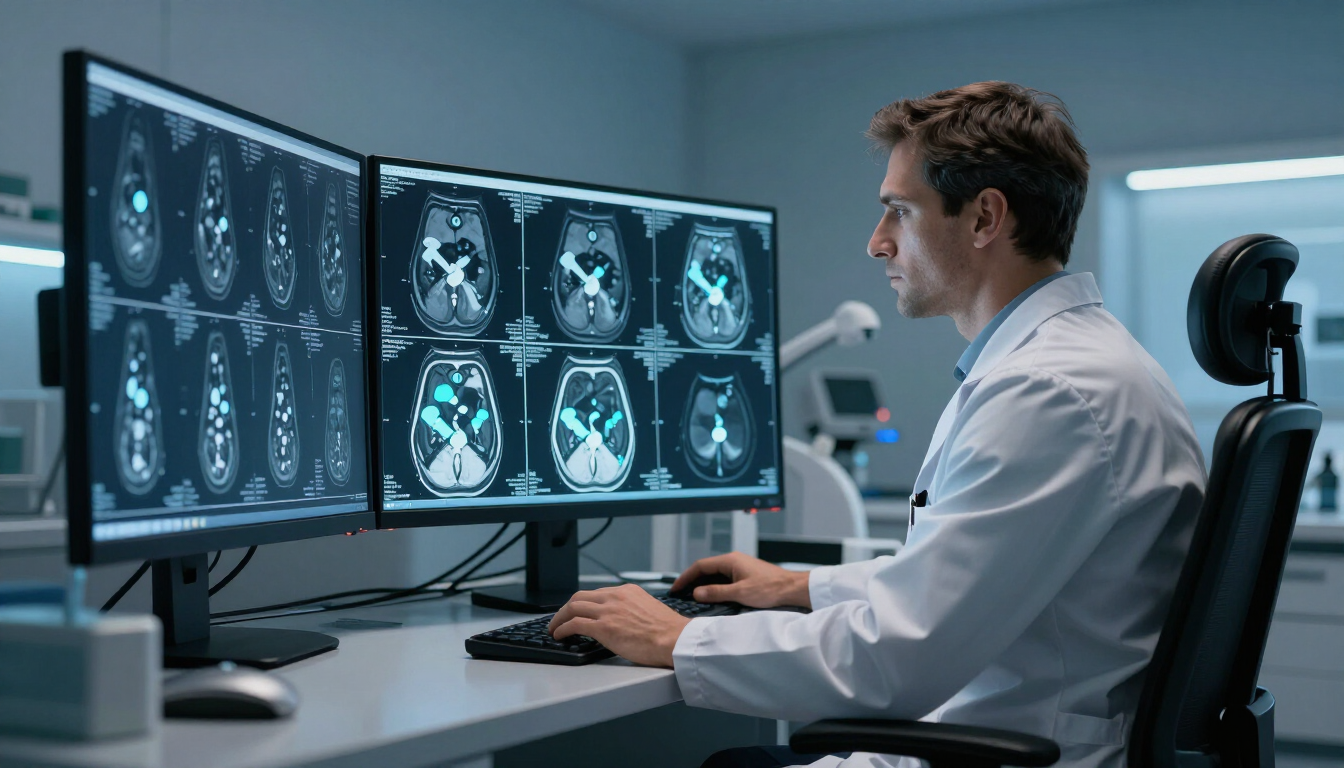
Your consultant or GP may request an MRI with contrast if they need to evaluate specific conditions where standard imaging might be insufficient. The enhanced sensitivity of the scan is crucial for detecting abnormalities that are isointense (having the same signal intensity) as surrounding healthy tissue. Without the contrast agent, these abnormalities would remain invisible to the scanner.
Common reasons for a contrast-enhanced scan include the investigation of neurological symptoms, where a clear view of the blood-brain barrier is necessary, or the assessment of musculoskeletal injuries where soft tissue detail is paramount. It is also the gold standard for monitoring chronic conditions like Multiple Sclerosis or evaluating the effectiveness of ongoing oncology treatments. The goal is always to reduce ambiguity and provide a faster pathway to recovery.
Vital Pre-Scan Requirements: Blood Tests and Referrals
Preparation for an MRI with contrast is slightly more involved than a standard scan to ensure patient safety and clinical appropriateness. Because the contrast agent is processed and excreted by the kidneys, verifying renal function is a non-negotiable step in the preparation process.
- Doctor Referral : A formal referral from a qualified healthcare professional is mandatory to justify the use of contrast.
- Blood Report : A recent blood test (usually checking eGFR levels) is required to confirm healthy kidney function.
- Fast Reporting : Ensure your blood results are sent to the clinic ahead of your appointment time.
- Medical History Disclosure : You must inform the staff of any history of kidney disease or allergies.
How should you prepare for a contrast MRI?
Aside from the administrative requirements, physical preparation is generally straightforward. You should continue taking your regular medications unless specifically told otherwise by your doctor. It is recommended to wear comfortable, loose-fitting clothing without metal fasteners, though gowns are often provided. Hydration is key; drinking plenty of water before and after the scan helps your body process and flush out the gadolinium efficiently.
At our clinics, we prioritize your comfort. If you have concerns about the injection or the scanning process, our clinical team is trained to support you through every step. We recommend arriving at least 15 minutes early to complete safety screening forms and discuss any last-minute questions with the radiographer.
How long does an MRI with contrast take?
The duration of a contrast-enhanced scan is typically longer than a standard MRI because it involves two phases: the pre-contrast scan and the post-contrast scan. This allows the radiologist to compare the "before" and "after" images to identify exactly where the contrast agent has been absorbed. However, the exact timing varies depending on which MRI Plus location you visit and the complexity of the body part being examined.
Understanding the schedule helps patients plan their day effectively. While the scanning time itself is a fixed period, we advise patients to allow extra time for the initial cannulation (placing the IV line) and a brief observation period after the injection to ensure there are no immediate adverse reactions.
Clinic-Specific Timings for MRI Plus Patients
At MRI Plus, we operate specialized diagnostic centers in Leigh-on-Sea and Hendon. Each facility follows rigorous clinical protocols tailored to their specific equipment and patient workflows, resulting in different time allocations for a single body part scan.
- MRI Plus Leigh-on-Sea Clinic : A 1-body part MRI with contrast typically takes approximately 40 minutes.
- MRI Plus Hendon Clinic : A 1-body part MRI with contrast typically takes approximately 90 minutes.
The difference in timing often reflects the specific diagnostic protocols, machine calibration, and the comprehensive nature of the outpatient experience at each site. Regardless of the duration, our focus remains on providing a rapid, frictionless path to high-quality results. If you are interested in how we streamline these processes, you can read more about our approach on our MRI Plus website.
What to expect during the injection process?
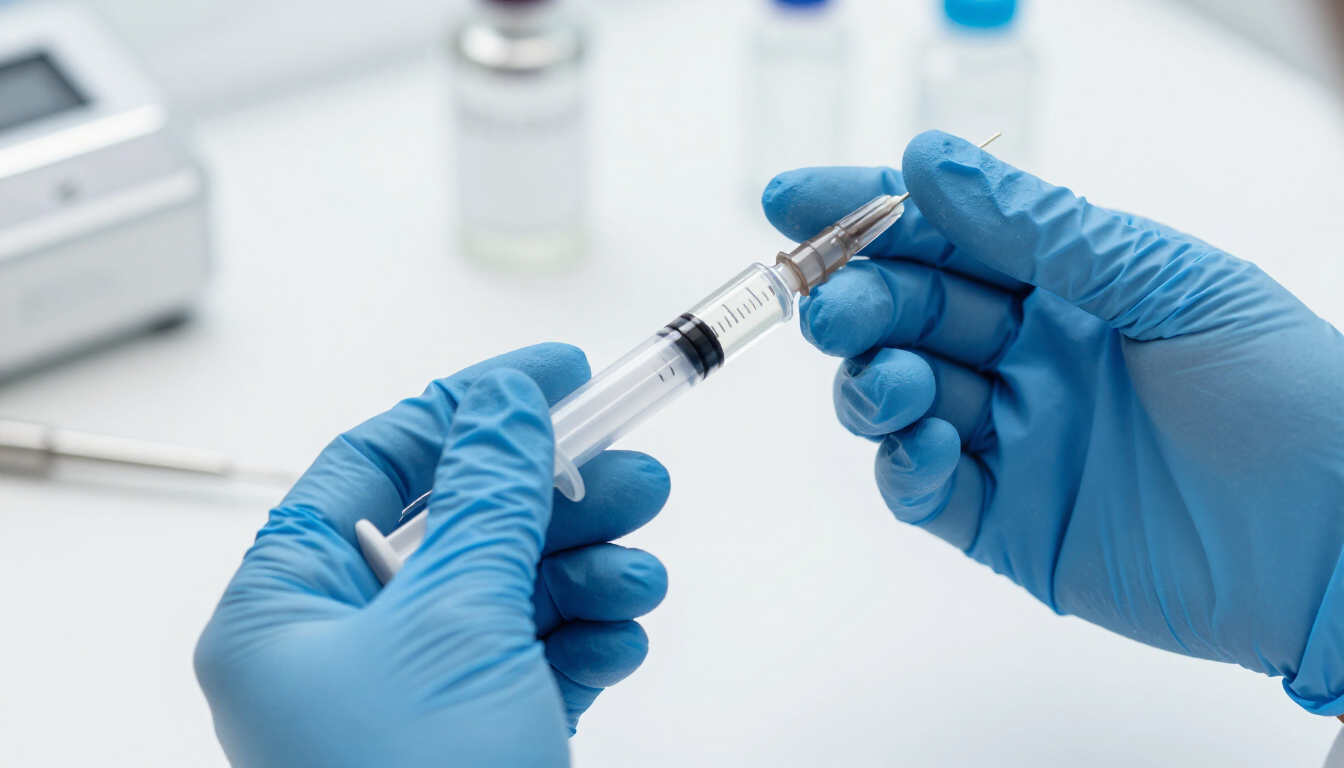
The administration of the contrast agent is a quick and routine procedure. A radiographer or nurse will insert a small needle into a vein, usually in the crease of your elbow or the back of your hand. You may feel a slight cooling sensation as the gadolinium enters your bloodstream, or occasionally a metallic taste in your mouth; these are normal and temporary side effects. The scan then continues, capturing the vital "in-detail" images needed for your report.
Safety and Post-Scan Care
Safety is the cornerstone of the MRI Plus experience. Gadolinium contrast agents have been used safely for decades, and serious side effects are extremely rare. Most patients leave the clinic feeling perfectly normal and can return to their daily activities immediately. Our clinical governance ensures that every patient is screened thoroughly before the injection is even considered.
After your scan, we encourage you to drink extra fluids for the remainder of the day. This simple step supports your kidneys in filtering the contrast agent out of your system. If you are breastfeeding, your radiologist will provide specific guidance, though modern medical consensus suggests that very little gadolinium enters breast milk.
Summary
Choosing an MRI with contrast at MRI Plus ensures you receive the highest level of diagnostic clarity available. By using gadolinium to highlight internal structures, we provide your consultant with the detailed imagery necessary for a precise diagnosis. Remember that preparation is vital: you must provide a doctor’s referral and a recent blood report confirming kidney health before your appointment.
Choosing an MRI with contrast at MRI Plus ensures you receive the highest level of diagnostic clarity available. By using gadolinium to highlight internal structures, we provide your consultant with the detailed imagery necessary for a precise diagnosis. Remember that preparation is vital: you must provide a doctor’s referral and a recent blood report confirming kidney health before your appointment.
Key Takeaways:
- Enhanced Detail : Contrast scans provide superior clarity for detecting tumors and inflammation.
- Prep Requirements : A blood test (eGFR) and doctor referral are mandatory.
- Location Timings With MRI Contrast: Expect 40 minutes at Leigh-on-Sea and 90 minutes at Hendon for one body part.
- Patient Safety : Hydrate well after the scan to assist in flushing the contrast agent.
- Professional Care : Our staff supports you through the injection and scanning process.
If you have a question or need help booking your scan. Our experienced team is here to assist you. Give us a call on 01702 782006 or complete our contact form, and we’ll get back to you with the guidance and support you need.
References :
Radiological Society of North America (RSNA) and American College of Radiology (ACR). (n.d.-c). Contrast materials. Radiologyinfo.org. https://www.radiologyinfo.org/en/info/safety-contrast
Gadolinium-based contrast agents: MedlinePlus drug information. (n.d.). https://medlineplus.gov/druginfo/meds/a624076.html