What to Expect During a Shoulder MRI
A shoulder MRI is a non-invasive diagnostic scan that uses powerful magnets and radio waves to create detailed, high-resolution images of the shoulder’s bones, tendons, and ligaments. It typically takes 20 to 45 minutes and is the gold standard for diagnosing sports-related joint injuries and chronic pain.
Does your whole body go in for a shoulder MRI?
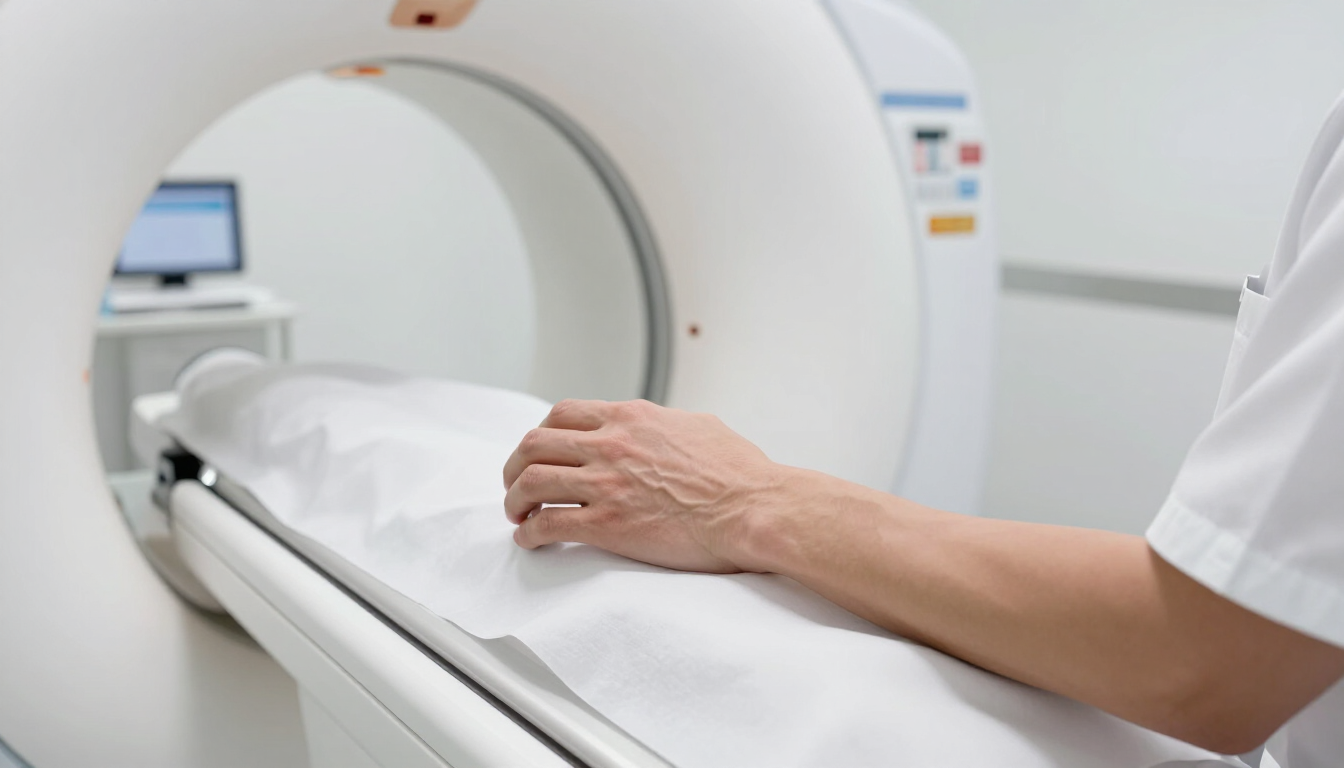
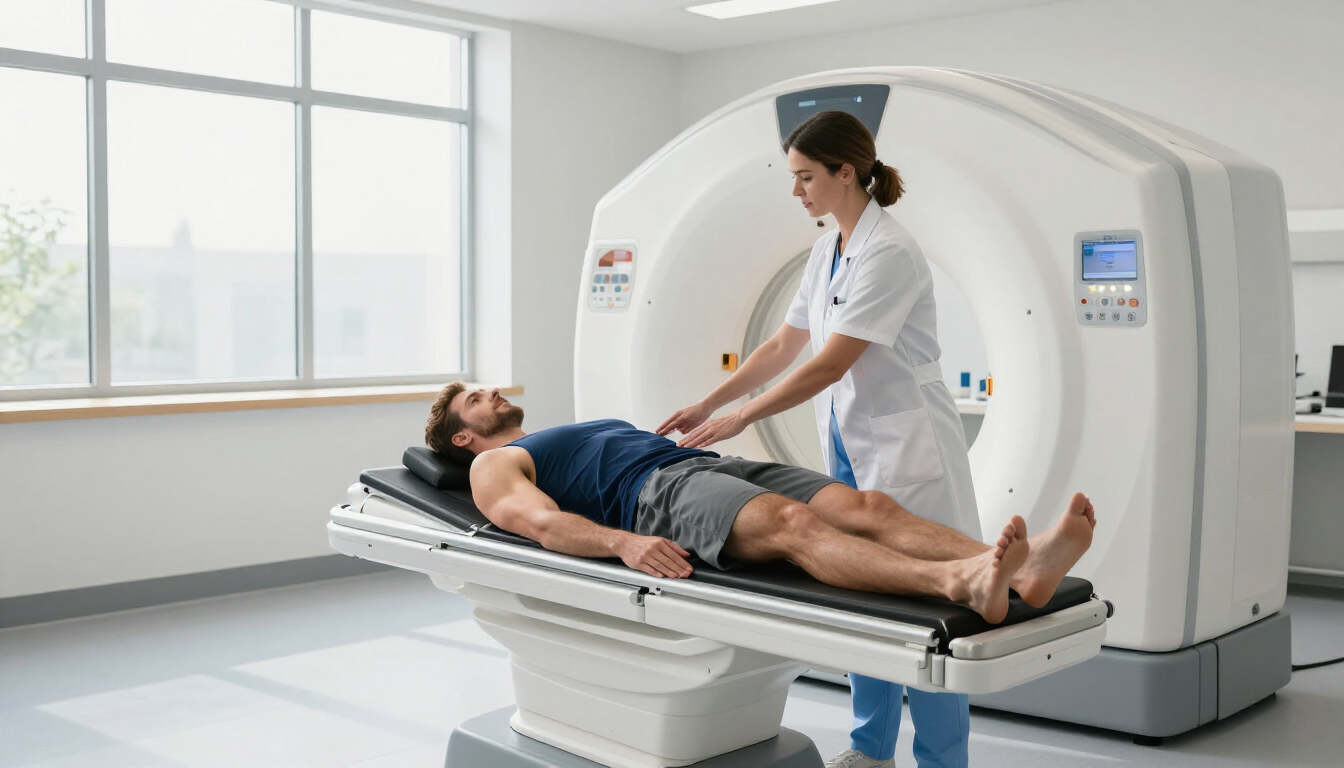
One of the most common questions people ask when they are booked for a scan is whether they will be fully enclosed in the machine. If you are a bit claustrophobic or just feeling nervous about the process, you will be pleased to know that for a shoulder MRI, your whole body does not necessarily need to be fully centered inside the "bore" (the tunnel) for the duration of the scan.
When imaging the shoulder, the specific area being studied must be in the center of the magnetic field. For most modern MRI machines, this means you will lie on a motorised table, and you will be slid into the scanner head-first or feet-first depending on the machine’s design. However, because the shoulder is near the top of your body, your head and upper chest will be inside the machine, but your lower body and legs will often remain outside or very close to the edge of the opening.
At MRI Plus, we understand that being in a confined space can be daunting. The scanners are well-lit and ventilated, and you are always in constant communication with the radiographer via an intercom. You will also be given a "call button" to squeeze if you feel uncomfortable at any point. Many patients find that closing their eyes or focusing on their breathing makes the 20 to 30 minutes pass very quickly.
Preparing for your shoulder MRI scan
Preparation for a shoulder MRI scan is relatively simple compared to other medical procedures. Because the machine uses a powerful magnetic field, the most important rule is the removal of all metal objects. This includes jewellery, watches, piercings, and even certain types of clothing with metal zips or underwires.
Here are some key steps to prepare for your appointment:
- Wear comfortable clothing: Opt for loose, metal-free gym wear or leggings if possible.
- Arrive early: Aim to be at the clinic 15 minutes before your slot to complete safety forms.
- Disclose medical history: Inform the staff about any implants, pacemakers, or shrapnel in your body.
- Stay hydrated: Unless told otherwise, you can eat and drink normally before the scan.
- Bring your referral: If you have a physical copy of your referral or previous scan results, bring them along.
If your doctor has requested a "contrast MRI," a special dye called gadolinium might be injected into your arm or directly into the shoulder pain (an arthrogram). This helps highlight specific structures like small tears in the labrum. If this is required, the clinical team will walk you through the process beforehand.
How is a shoulder MRI used for diagnosing joint injuries?
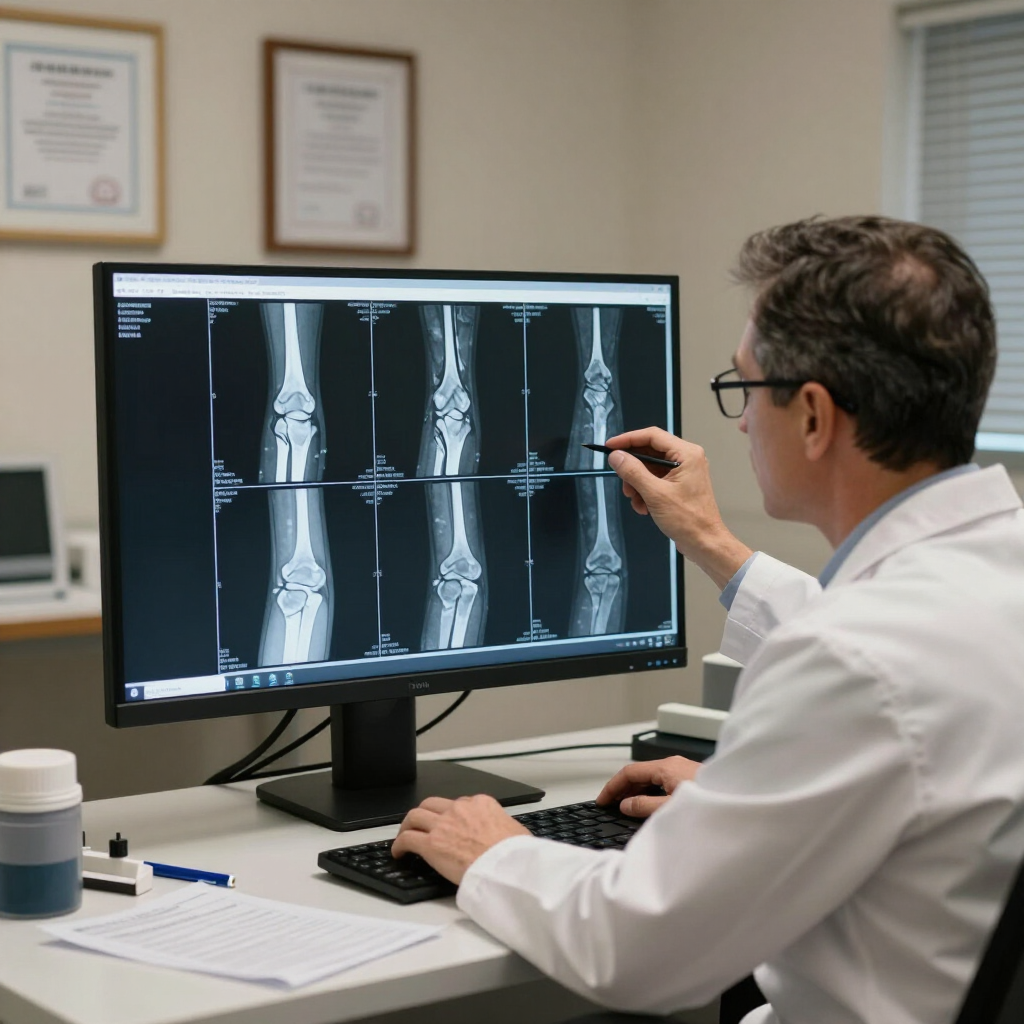
For athletes, gym enthusiasts, and active individuals in London or Leigh on Sea, a shoulder injury can be devastating. Whether it’s a dull ache during a bench press or a sharp snap during a tennis serve, knowing exactly what is happening inside the joint is the first step toward recovery. A shoulder MRI is significantly more detailed than an X-ray, which primarily looks at bones.
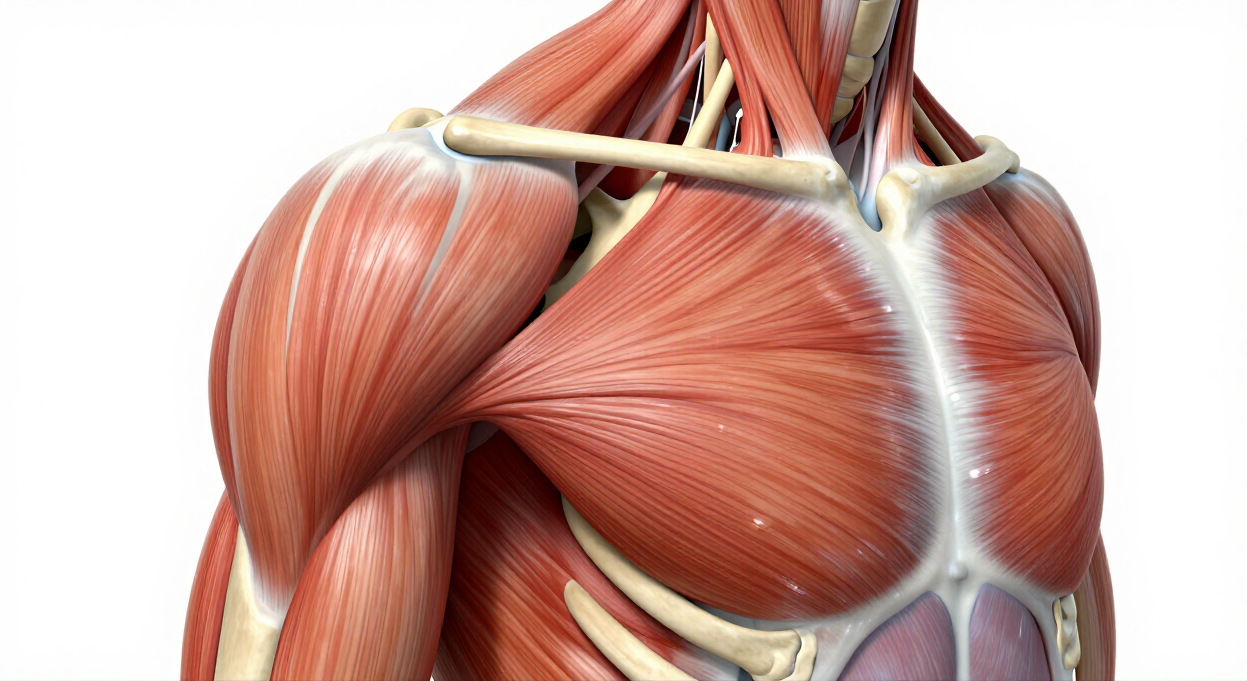
An MRI provides a 3D view of the "soft tissues." This includes the rotator cuff—a group of four muscles and tendons that keep the head of your upper arm bone firmly in the shoulder socket. In sports, these tendons are frequently overstretched or torn. The MRI can distinguish between a partial-thickness tear and a full-thickness tear, which is vital information for a surgeon or physiotherapist.
These are the common injuries diagnosed via MRI include:
- Rotator cuff tears: Damage to the supraspinatus, infraspinatus, subscapularis, or teres minor.
- Labral tears: Injuries to the cartilage rim (labrum) that deepens the shoulder socket.
- Bursitis: Inflammation of the fluid-filled sacs that cushion the joint.
- Impingement syndrome: When tendons are squeezed during arm movement.
- Shoulder dislocation damage: Checking for Bankart lesions or Hill-Sachs deformities after a dislocation.
By getting a clear picture of the injury early on, you can avoid further damage. Many athletes use the MRI Plus section to stay updated on how diagnostic technology is helping people return to sport faster than ever.
Normal vs Abnormal Shoulder MRI Results
When you receive your results, the report will be written by a consultant radiologist—a specialist doctor trained to interpret medical images. A "normal" shoulder MRI means that all bones are intact, the tendons show no signs of fraying or rupture, and there is no significant fluid buildup in the joint. It suggests that the pain might be referred from elsewhere, such as the neck, or is perhaps a minor muscular strain that doesn't show on imaging.
An "abnormal" result sounds scary, but in the world of sports medicine, it is often simply a roadmap to recovery. It might show "tendinosis," which is chronic wear and tear, or "edema," which is medical shorthand for swelling within the bone or tissue.
Understanding the severity of an abnormality is key:
- Grade 1: Mild stretching or inflammation without a physical tear.
- Grade 2: A partial tear where the tendon is damaged but still attached.
- Grade 3: A complete rupture where the tendon is severed.
Identifying these grades allows your healthcare provider to decide if you need surgery or if a focused course of physiotherapy will suffice. At MRI Plus, we ensure that these results are delivered promptly so you aren't left waiting in uncertainty.
What happens if I have left or right shoulder problems?
Shoulder issues are rarely symmetrical. You might find that your "dominant" side—the one you use for throwing, writing, or lifting—is the one that fails first. However, many people experience bilateral issues where both shoulders are affected, often due to repetitive strain or age-related degeneration.
When booking your scan, it is important to specify which shoulder is causing the problem. While it might seem obvious to you, the MRI machine is calibrated to focus on a specific "coil"—a piece of equipment placed over the shoulder being scanned to act as an antenna. If you have pain in both shoulders, you will typically need two separate scans, as the machine cannot image both with high enough resolution simultaneously.
Whether it is the left or right side, the procedure remains the same. The radiographer will ensure you are positioned comfortably, often using foam pads to help you keep your arm still. Movement is the enemy of a clear MRI; even slight twitching can cause "motion blur," making it harder for the doctor to see small tears.
How much does a private shoulder MRI cost?
One of the biggest hurdles in modern healthcare is the waiting time. For many sportspeople, waiting six to twelve weeks for a scan through traditional pathways is not an option—muscles can atrophy, and injuries can worsen. This is why private diagnostic services have become a vital alternative.
At MRI Plus, we pride ourselves on transparency. A private shoulder MRI cost starts from just £199 . This price is designed to be accessible for self-pay patients who want to take control of their health. When you consider the cost of multiple failed physiotherapy sessions without a diagnosis, an early MRI often proves to be the most cost-effective route.
The price typically includes:
- The MRI scan itself using state-of-the-art technology.
- Professional positioning and care by qualified radiographers.
- A comprehensive report from a Consultant Radiologist.
- Digital access to your images for your surgeon or GP.
By offering rapid appointment availability, we help bridge the gap between injury and action, ensuring that your financial investment leads directly to a clinical solution.
Why clinical speed matters for sports recovery
In the world of sports, time is of the essence. Whether you are a professional athlete or a weekend warrior, every day spent "guessing" what is wrong is a day lost from training. Clinical speed isn't just about convenience; it’s about the quality of the healing process.
When an injury is fresh, the MRI can capture the exact state of the inflammation and the immediate structural changes. If you wait months, the body begins to form scar tissue, which can sometimes mask the original site of the tear. Furthermore, knowing you have a manageable injury can provide immense peace of mind. The psychological impact of an undiagnosed injury can lead to frustration and a loss of motivation.
Our approach focuses on:
- Rapid booking: Getting you in the scanner within days, not months.
- Streamlined workflows: Using digital tools to handle your data securely and quickly.
- Direct communication: No more chasing results; we deliver them to you and your clinician.
- Expertise: Ensuring that the people reading your scans understand sports pathology.
Final takeaways for your shoulder health
Taking care of your shoulders is essential for maintaining an active lifestyle. If you are experiencing persistent pain, a shoulder MRI is the most effective way to see exactly what is going wrong beneath the surface. From identifying rotator cuff tears to quantifying the extent of joint inflammation, this technology provides the clarity needed for a successful recovery plan.
Key Takeaways:
- A shoulder MRI is a safe, painless 30-minute procedure.
- You don't always have to go "fully in" the machine; your lower body often stays out.
- Private scans start at £199, offering a fast alternative to long waiting lists.
- MRI is superior to X-rays for diagnosing soft tissue and sports injuries.
- Early diagnosis via MRI Plus and our services prevents long-term joint damage.
If you're ready to stop guessing and start healing, booking a private scan is the most proactive step you can take today.
References :
Radiological Society of North America (RSNA) and American College of Radiology (ACR). (n.d.-b). Shoulder MRI. Radiologyinfo.org. https://www.radiologyinfo.org/en/info/shouldermr
Rotator Cuff Tears - OrthoInfo - AAOS. (n.d.). https://orthoinfo.aaos.org/en/diseases--conditions/rotator-cuff-tears/
Shoulder MRI Scan from £199 | MRI Plus. (n.d.). https://mriplus.co.uk/body-parts/shoulder-mri-scan