MRA Scan: What to Expect
An MRA scan (magnetic resonance angiography) is a special, non-invasive imaging test. It uses a magnetic field and radio waves to create clear images of your blood vessels. It helps clinicians check blood flow and find problems like aneurysms, narrowing, or blockages in your arteries and veins.
What is an MRA scan?
MRA stands for Magnetic Resonance Angiography, a specialised type of MRI scan used to examine your blood vessels and blood flow throughout the body.
Think of an MRA scan as a detailed map of your circulatory system. It provides clear, high-resolution images of your arteries and veins. This helps doctors find problems early.
These problems may include narrowed blood vessels, blockages, aneurysms, and other vascular conditions. It can help prevent these issues from becoming more serious.
At MRI Plus, we prioritize making this technology accessible. Whether you are coming to us for a routine check-up or a specific investigation, understanding the mechanics of the MRA scan helps alleviate any anxiety you might feel about the procedure. The focus is always on clinical accuracy and patient comfort, ensuring you get the answers you need as quickly as possible.
MRA vs. MRI: What are the key differences?
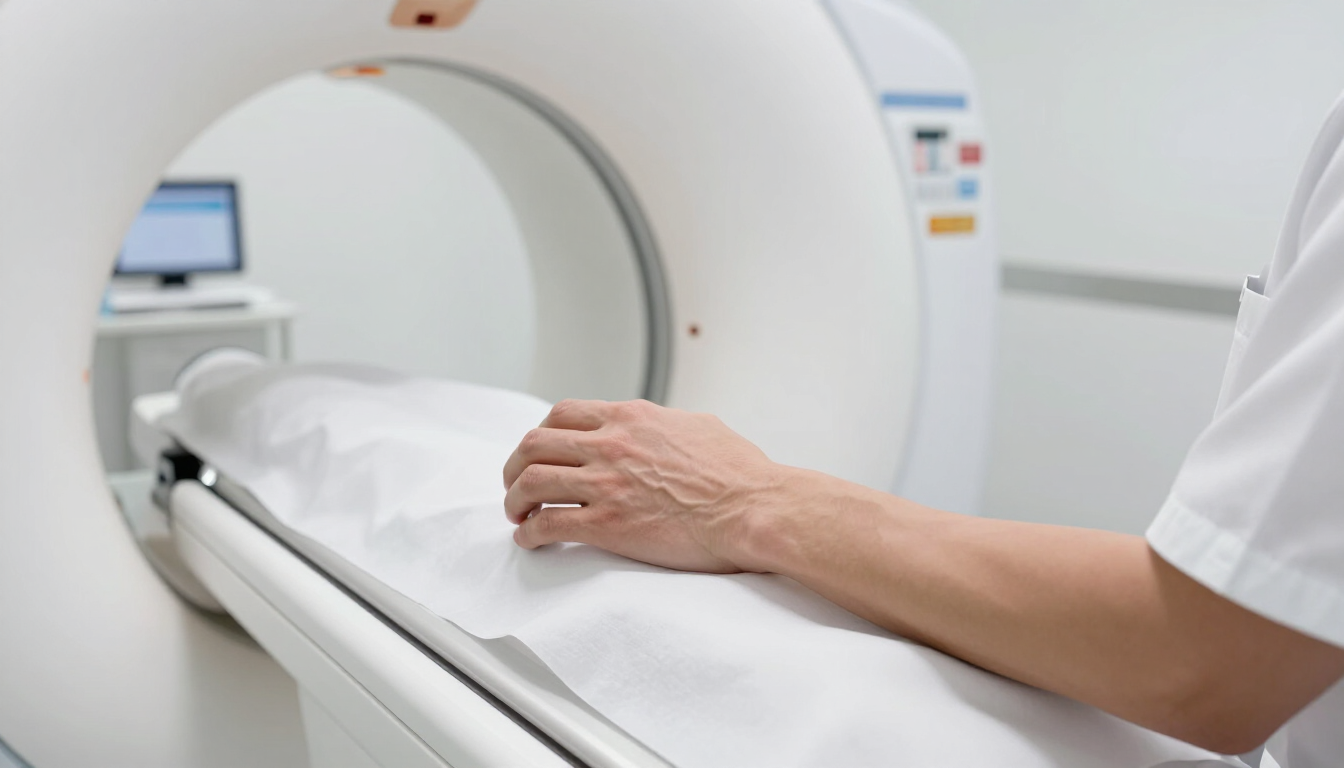
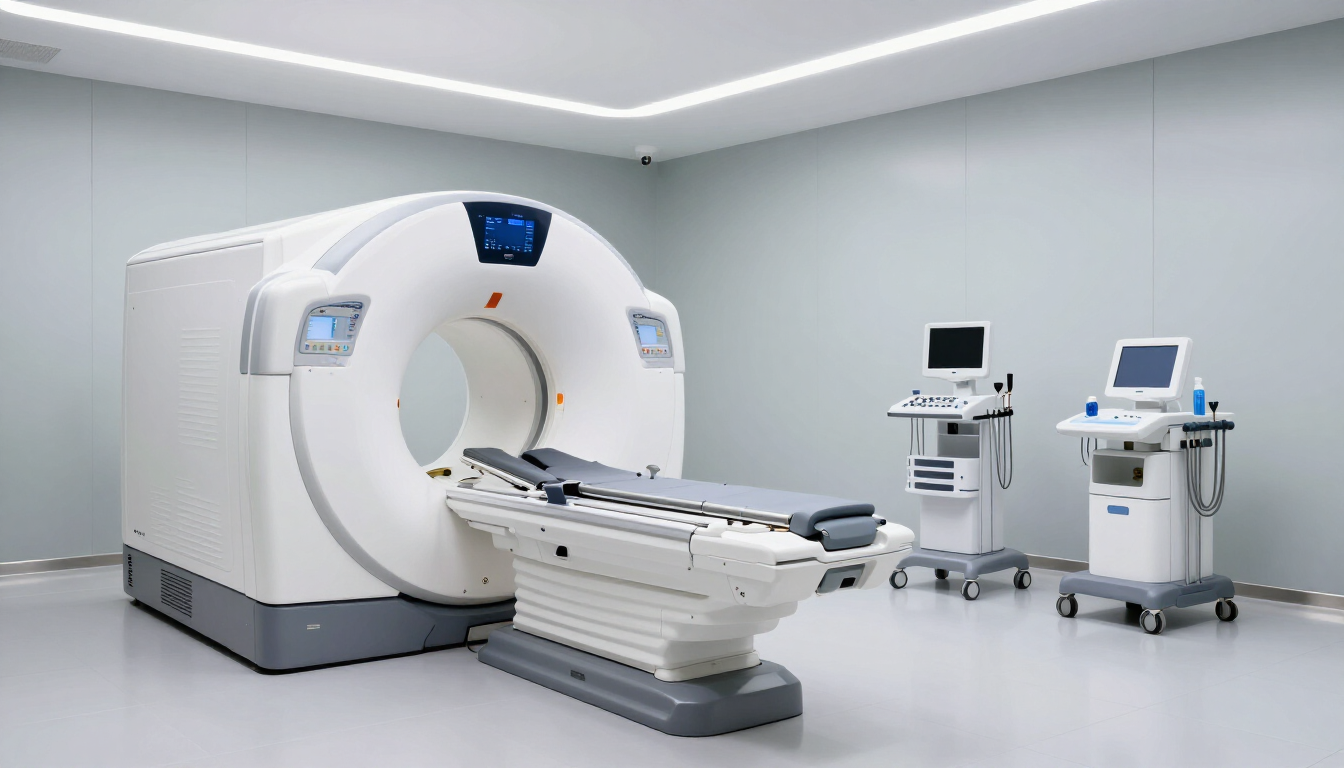
It is common to get these two terms confused, but they serve different purposes in a clinical setting. While they both use the same large, donut-shaped machine, the way the computer processes the data—and sometimes the way the patient is prepared—varies significantly between the two.
- Target Area: An MRI is generally used to look at organs, bones, and soft tissues like ligaments or the brain.
- Vascular Focus: An MRA is specifically tuned to highlight the movement of blood and the structure of vessel walls.
- Contrast Media: While both can use contrast, MRAs more frequently use a contrast agent called gadolinium to make the vessels "pop" on the screen.
- Diagnostic Goal: You would get an MRI for a torn ACL; you would get an MRA to check for a blockage in your carotid artery.
- Software Tuning: The radiofrequency pulses used in an MRA are specifically timed to catch blood as it flows through the body.
Essentially, an MRA is a specialized application of MRI technology. If your consultant has requested an MRA, they are looking for very specific information regarding your cardiovascular or cerebrovascular health. You can find more updates on diagnostic technology in our MRI Plus News section.
Why do doctors order an MRA scan?
Doctors use MRA scans when they need a clear picture of how blood is moving through your body. Often, standard physical exams or blood tests aren't enough to see if an artery is narrowing or if there is a bulge in a vessel wall that could lead to a serious medical emergency. An MRA provides that "inside look" without the need for surgery.
Common reasons for an MRA include:
- Checking for aneurysms in the brain or aorta.
- Detecting atherosclerosis (narrowing of the arteries) in the legs or kidneys.
- Evaluating the extent of a stroke or heart disease.
- Preparing for a surgical procedure on the blood vessels.
- Monitoring the effectiveness of a previous vascular treatment.
By identifying these issues early, healthcare providers can create a proactive treatment plan. For patients, this means moving from a state of uncertainty to a state of informed action. Whether it's managing high blood pressure that is affecting the kidneys or assessing the risk of a stroke, the MRA scan is a vital tool in modern preventive medicine.
Preparation for your MRA procedure
Preparing for an MRA is very similar to preparing for a standard MRI. Because the machine uses a powerful magnet, the most important rule is the removal of all metal objects. This includes jewelry, watches, piercings, and even certain types of clothing that may have metal zips or underwires.
If your scan requires a contrast agent, you may be asked to fast for a few hours beforehand. This isn't always the case, so it is best to check your specific appointment instructions provided by MRI Plus. You should also inform the clinical team if you have any metal implants, such as pacemakers, cochlear implants, or certain types of vascular stents, as the magnetic field can interfere with these devices.
Another key aspect of preparation is mental readiness. If you suffer from claustrophobia, let the staff know in advance. Modern machines are much more spacious than older models, and our team is trained to help you feel at ease. You will be given earplugs or headphones, as the machine makes loud clicking and thumping noises while it works. This is completely normal and simply indicates that the magnetic coils are doing their job.
What happens during the MRA scan process?
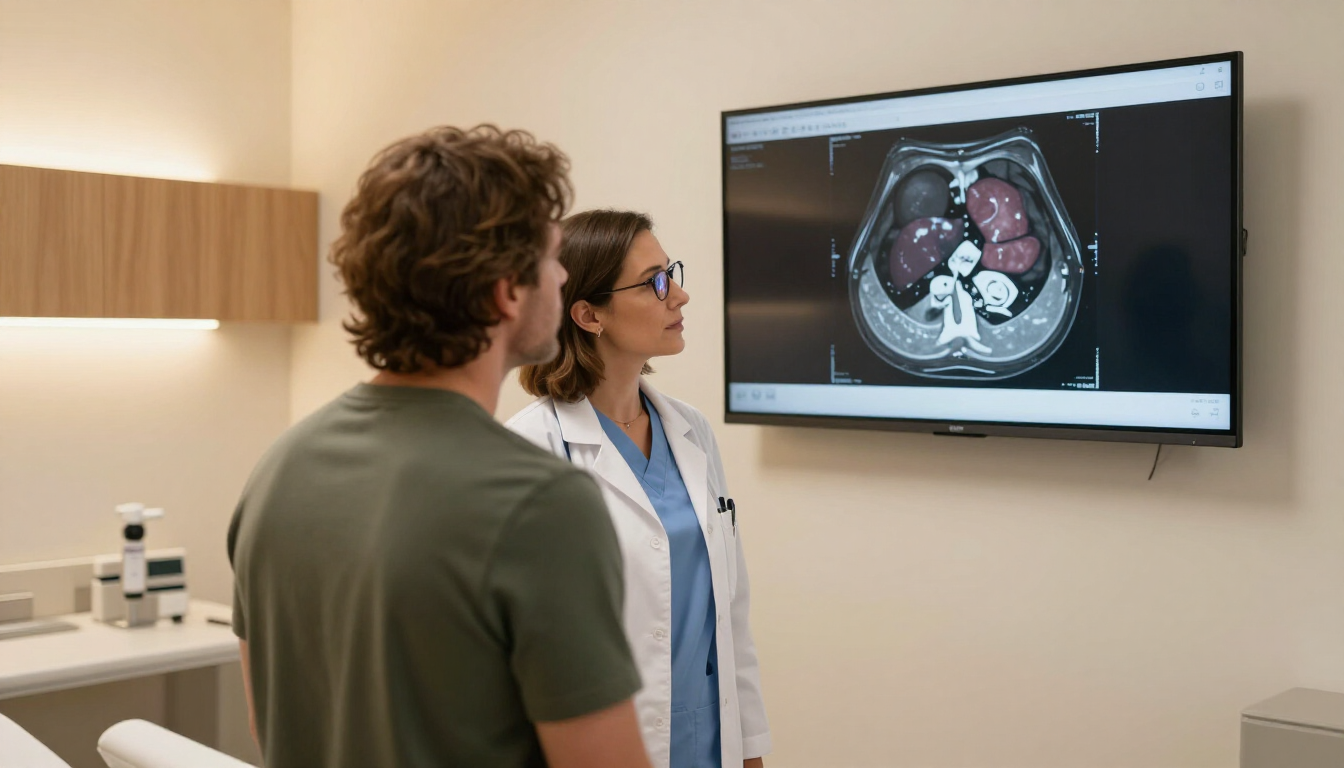
When you arrive for your appointment at one of our locations, such as Leigh-on-Sea or London, you will be greeted by a radiographer. After a final safety screening, you will lie down on a motorized table that slides into the scanner. It is crucial to remain as still as possible during the scan, as even small movements can blur the images and may require a retake.
If your MRA requires contrast, a small cannula will be placed in your arm. The gadolinium-based dye is injected midway through the session. You might feel a cool sensation or a metallic taste in your mouth, but this passes quickly. The radiographer will be in a separate room but will be able to see, hear, and speak to you throughout the entire process via an intercom system.
- You will be given a call button to hold in case you need to stop.
- The radiographer will guide your breathing if chest imaging is required.
- The machine will produce various rhythmic sounds during the sequences.
- You may feel a slight warming sensation in the area being scanned.
- The entire process is non-invasive and generally pain-free.
How long does an MRA scan take?
One of the most frequent questions we hear is about the duration of the scan. On average, an MRA scan takes between 30 and 60 minutes. The exact time depends on the part of the body being imaged and whether contrast dye is being used. For example, a quick check of the carotid arteries in the neck might be faster than a comprehensive study of the abdominal aorta and renal arteries.
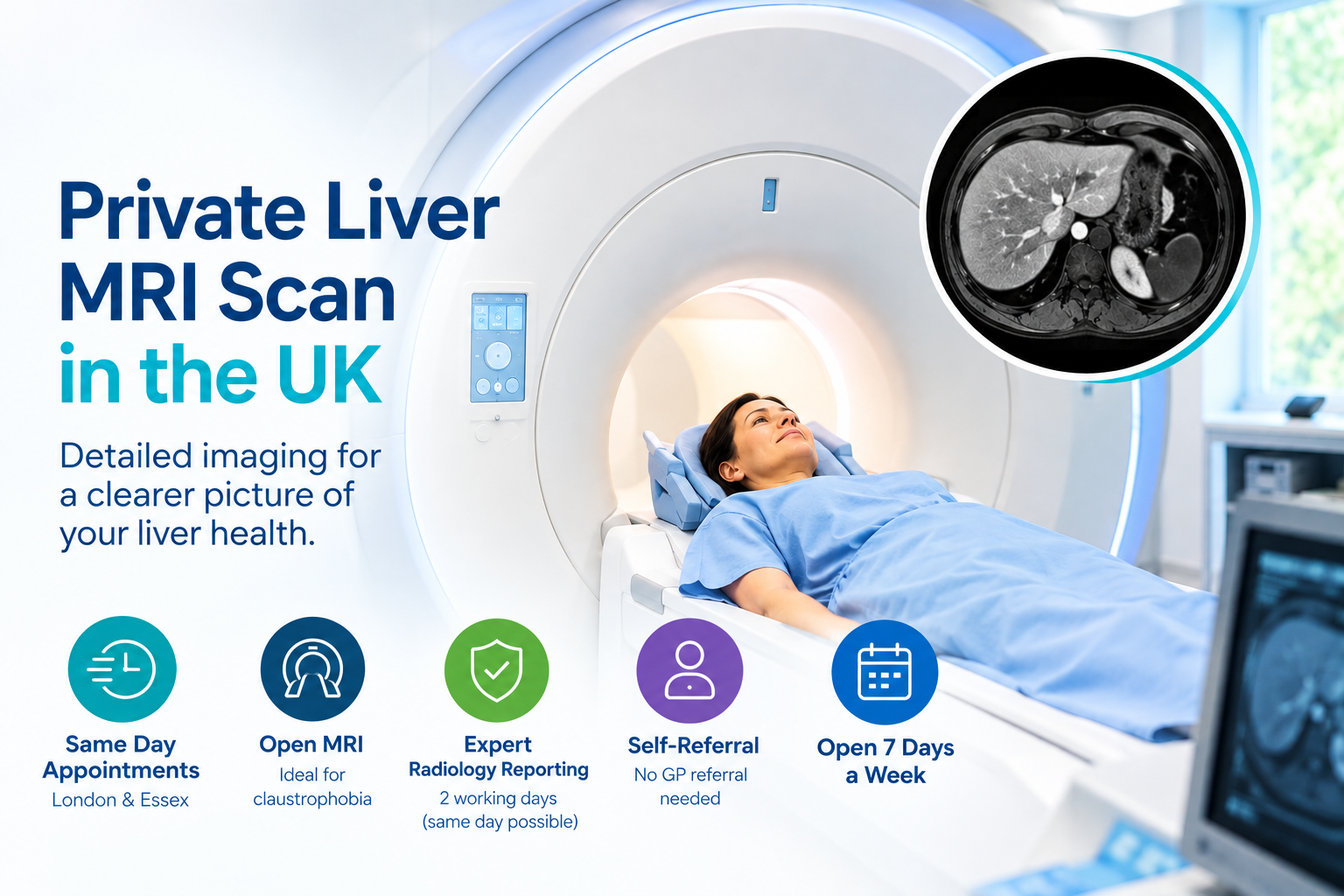
At MRI Plus, we understand that your time is valuable. We focus on efficiency without compromising clinical accuracy. Because we offer private services, we are able to minimize the waiting times often found in other healthcare pathways. You can often book an appointment within days, and the scan itself is streamlined to get you back to your day as quickly as possible.
It is worth noting that while the scan takes about an hour, you should plan to be at the facility for slightly longer. This allows time for registration, changing into a gown if necessary, and a short recovery period if you received a contrast injection. We aim to make the process as friction-free as possible, ensuring a smooth transition from arrival to departure.
MRA scan cost and private healthcare options
Understanding the financial aspect of your healthcare is important. At MRI Plus, we believe in transparency. Private MRI scan costs, which include MRAs, start from £199. This competitive pricing ensures that high-quality diagnostics aren't locked behind an unreachable paywall. Choosing a private MRA can save you weeks or even months of waiting, which is crucial when dealing with potential vascular issues.
- Starting Price: From £199 for self-pay patients.
- What’s Included: The scan, expert radiographer time, and clinical reporting.
- Fast Access: Rapid appointment availability often within 24-48 hours.
- Professional Reporting: Accurate results delivered promptly to your consultant.
- No Hidden Fees: Clear, upfront pricing with no surprises.
By opting for a private scan, you are investing in speed and peace of mind. For many patients, the cost is a worthwhile trade-off for the clarity of knowing their vascular health status immediately. This allows for faster clinical decision-making and, ultimately, better health outcomes. You can check our current availability and latest pricing updates on our home page anytime.
How to find an MRA scan near me?
Finding a convenient location for your diagnostic imaging shouldn't be a struggle. MRI Plus operates in key areas including London and Leigh-on-Sea, providing accessible hubs for patients across the region. When searching for an "MRA scan near me," it is important to look for providers that combine advanced technology with high standards of clinical governance.
Our clinics are designed to be patient-centric. We move away from the sterile, often intimidating atmosphere of large hospitals to provide a more focused, calm environment. If you are based in the South East or the capital, our facilities are equipped to handle complex vascular imaging with the same level of expertise you would find in a major teaching hospital, but with a much faster turnaround time.
Booking is simple and can be done online or over the phone. We work with self-referring patients and those referred by their GPs or consultants. Our goal is to bridge the gap in the healthcare system, providing a reliable alternative pathway that ensures no patient is left waiting in uncertainty while their health is at stake.
What to expect after the scan?
Once the MRA is complete, you can usually return to your normal activities immediately. If you had a contrast dye, you might be advised to drink plenty of water to help flush the gadolinium out of your system. There is no "downtime" associated with an MRA, which makes it an ideal diagnostic tool for busy individuals.
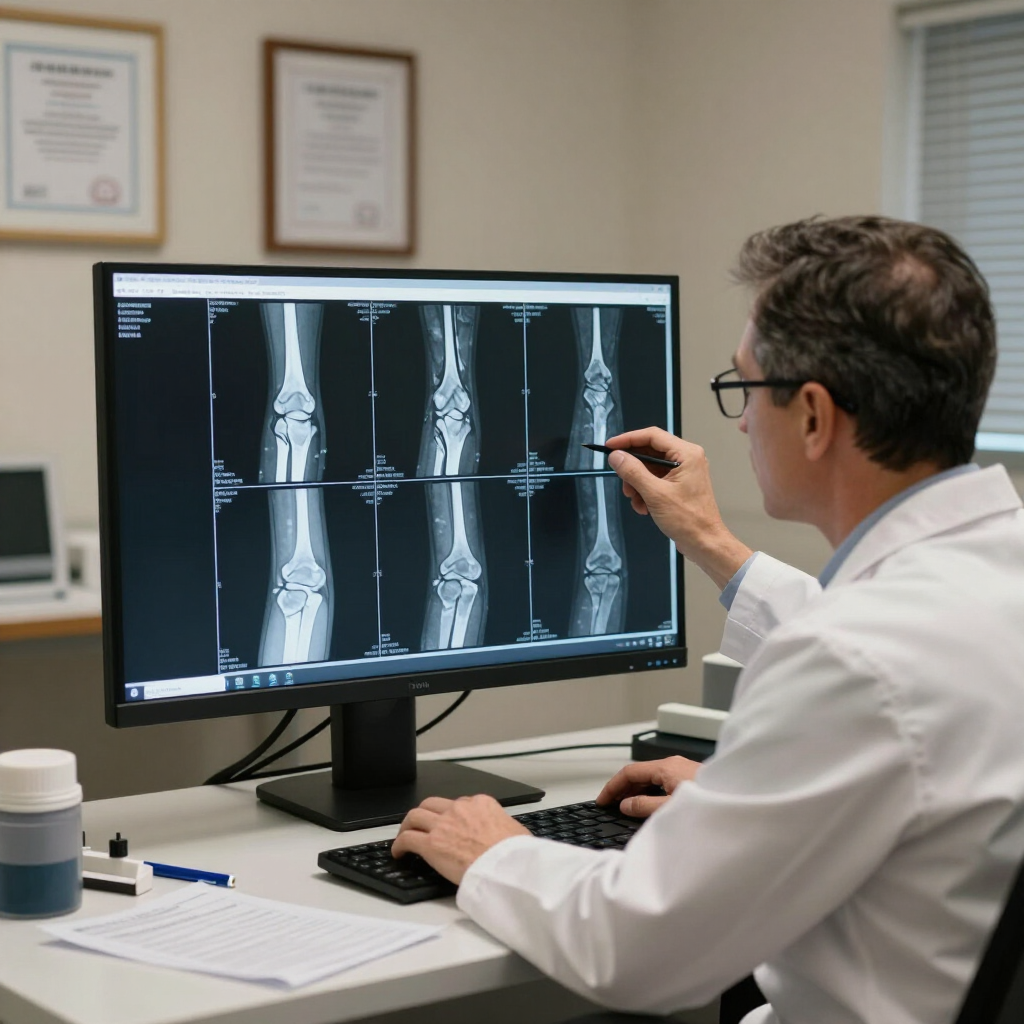
Your images will be reviewed by a specialist radiologist—a doctor trained specifically to interpret medical scans. They will look for any signs of disease, narrowing, or malformations in the blood vessels. A detailed report will then be generated and sent to your referring physician or directly to you, depending on the agreed-upon process.
- Results are typically ready within a few working days.
- The report will highlight any findings and suggest next steps.
- You should schedule a follow-up with your doctor to discuss the findings.
- If no abnormalities are found, it provides significant peace of mind.
- In urgent cases, we work to expedite the reporting process.
Summary of the MRA scan experience
An MRA scan is a powerful, safe, and efficient way to look at the health of your blood vessels. By choosing MRI Plus, you are opting for a service that prioritizes speed, clinical accuracy, and your personal comfort. Whether you are investigating symptoms or monitoring a known condition, this scan provides the high-resolution data needed for effective medical management.
An MRA scan is a powerful, safe, and efficient way to look at the health of your blood vessels. By choosing MRI Plus, you are opting for a service that prioritizes speed, clinical accuracy, and your personal comfort. Whether you are investigating symptoms or monitoring a known condition, this scan provides the high-resolution data needed for effective medical management.
- The Goal: To visualize blood vessels and detect abnormalities like blockages or aneurysms.
- The Experience: A non-invasive 30-60 minute procedure inside a modern MRI scanner.
- The Cost: Affordable private options starting from £199, avoiding long waiting lists.
- The Result: Fast, professional reporting that empowers you and your doctor to make informed decisions.
If you have concerns about your circulatory health or have been advised to seek vascular imaging, do not wait. Early detection is often the key to successful treatment. Contact us today or visit our main site to book your appointment and take the next step toward clinical clarity.
If you have concerns about your circulatory health or have been advised to seek vascular imaging, do not wait. Early detection is often the key to successful treatment. Contact us today or visit our main site to book your appointment and take the next step toward clinical clarity.
Referances
Radiological Society of North America (RSNA) and American College of Radiology (ACR). (n.d.-b). MR Angiography (MRA). Radiologyinfo.org. https://www.radiologyinfo.org/en/info/angiomr
Magnetic resonance angiography: MedlinePlus Medical Encyclopedia. (n.d.). https://medlineplus.gov/ency/article/007269.htm
MRA Scan - Magnetic Resonance Angiography from £199 | MRI Plus. (n.d.). https://mriplus.co.uk/body-parts/mra-scan