What Does a Full Body MRI Scan Detect? UK Guide
A full body MRI scan detects structural abnormalities, early-stage tumors, inflammatory diseases, and vascular issues across the head, neck, chest, abdomen, pelvis, and spine. By using powerful magnetic fields and radio waves, it provides high-resolution images of soft tissues, allowing for proactive health screening and early intervention.
What exactly is a full-body MRI scan?
If you have ever wondered about the inner workings of your body, a full-body Magnetic Resonance Imaging (MRI) scan is the closest thing we have to a high-definition map of your health. Unlike a standard MRI, which might focus only on a nagging knee injury or a specific neurological concern, a full-body scan takes a holistic approach. It looks at the "big picture," scanning multiple regions in a single session to ensure nothing is missed.
In the UK, many patients are turning to private providers like MRI Plus to bypass the long waiting lists often found in traditional healthcare pathways. The goal is simple: peace of mind. By identifying potential issues before they manifest as symptoms, you are taking a proactive stance on your longevity. This type of screening is particularly popular among those with a family history of certain diseases or individuals who simply want to be in the driver’s seat of their own medical data.
When we talk about what a full body MRI scan detects, we are looking at a vast array of potential findings. It is not just about finding "something wrong"; it is about confirming what is right. For many, the result of a scan is a clean bill of health, which is just as valuable as an early diagnosis. In the following sections, we will break down exactly what the scanners see when they look inside each major area of your body.
Understanding the diagnostic power of MRI
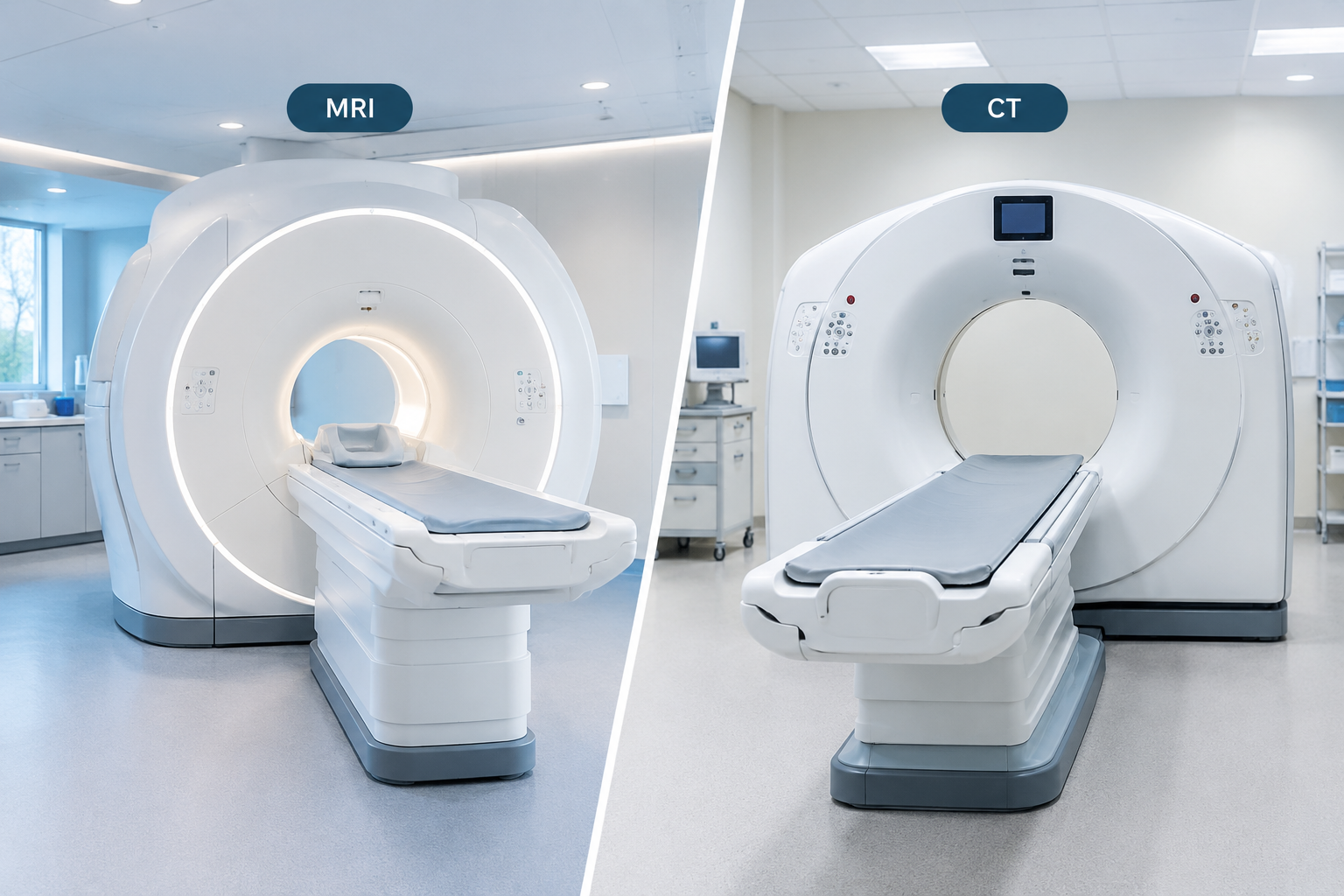
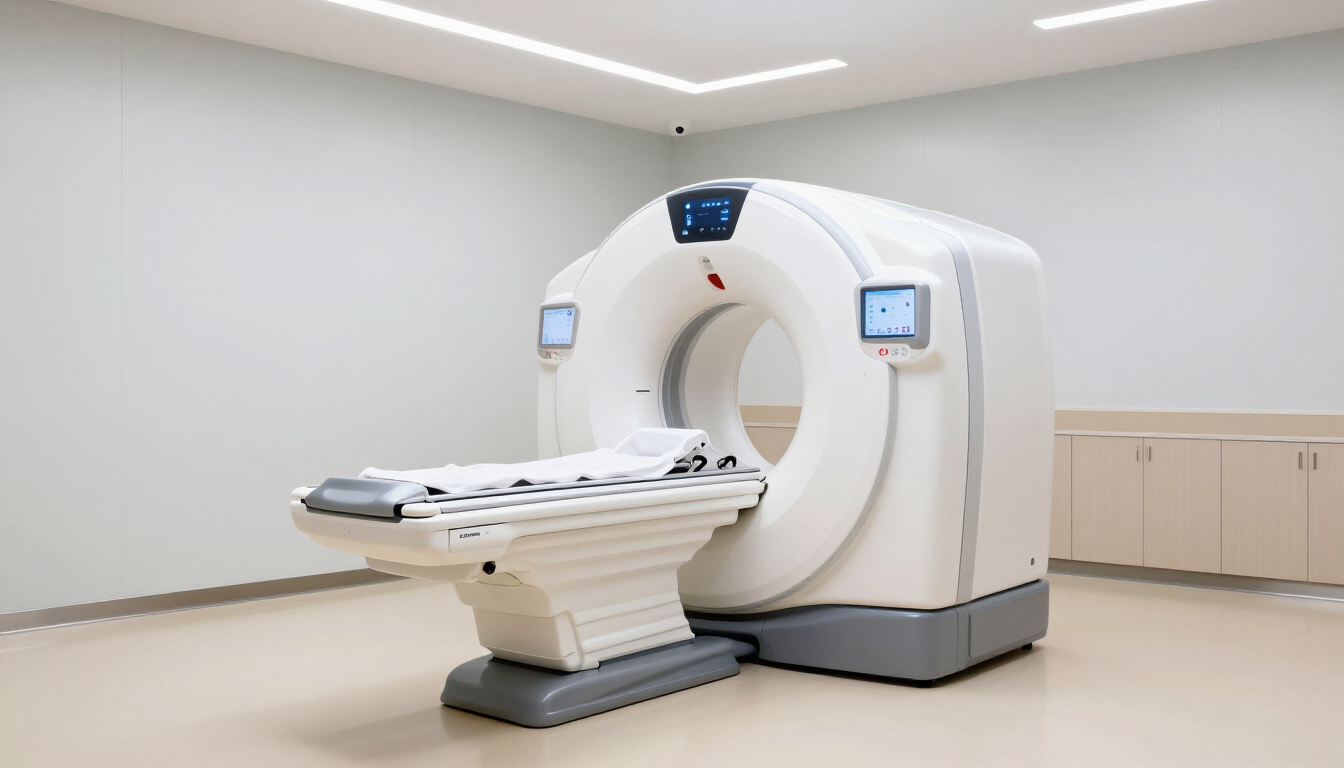
To appreciate what a full body MRI scan detects, it helps to understand how the technology works. MRI does not use ionizing radiation, which distinguishes it from X-rays and CT scans. Instead, it uses a very strong magnetic field to align the water molecules in your body. When radio waves are pulsed through the area, these molecules emit signals that a computer translates into incredibly detailed 3D images.
Because the human body is mostly water, MRI is exceptionally good at visualizing soft tissues. This makes it the gold standard for looking at the brain, the spinal cord, muscles, and internal organs. While a CT scan is often better for looking at bones or acute lung issues, the MRI excels at finding subtle changes in tissue density that could indicate inflammation or the presence of a tumor.
At MRI Plus, the focus is on clinical accuracy combined with speed. By utilizing modern digital tools and high-spec machinery, we ensure that the images produced are of the highest quality for our consultant radiologists to interpret. This precision is what allows us to detect issues that might be smaller than a grain of rice.
What does a full body MRI scan detect in the brain?
The brain and the neurological system are often the primary areas of concern for patients seeking a full-body check-up. The brain is the control center, and even minor changes here can have significant long-term effects. A full body MRI scan detects several critical conditions in the cranial region:
- Early-stage tumors: Identifying both benign and malignant growths before they cause neurological symptoms like headaches or seizures.
- Vascular issues: Detecting aneurysms (weak spots in blood vessel walls) or signs of chronic small vessel disease that could increase the risk of stroke.
- Structural changes: Identifying signs of neurodegenerative conditions or abnormalities in the brain’s anatomy.
- Sinus and ear issues: Looking for chronic inflammation or growths within the nasal cavities and auditory structures.
- Cysts and lesions: Spotting fluid-filled sacs or areas of damaged tissue that might require monitoring.
Having this information early can be life-changing. For example, finding a small aneurysm allows for elective, planned treatment rather than dealing with an emergency rupture later. It is this preventive aspect that makes the "detect" capability of an MRI so powerful.
Why we focus on the spine and joints
Moving down from the head, the spine is the next major focus. Chronic back pain is one of the most common complaints in the UK, but many people live with discomfort without knowing the underlying cause. A full body MRI scan detects issues throughout the cervical (neck), thoracic (mid-back), and lumbar (lower back) regions.
It isn't just about pain management; it’s about structural integrity. The scan can visualize the discs between your vertebrae, the spinal cord itself, and the nerves that exit the spine to travel to your limbs. Degenerative changes are a natural part of aging, but knowing exactly where they are occurring can help you and your physiotherapist create a targeted plan to maintain mobility.
Common findings in the spinal region include:
- Herniated or bulging discs: Where the soft center of a spinal disc pushes through a crack in the tougher exterior.
- Spinal stenosis: A narrowing of the spaces within your spine, which can put pressure on the nerves.
- Vertebral fractures: Identifying old or new compression fractures that might be contributing to a "hunch" or chronic pain.
- Nerve entrapment: Visualizing exactly where a nerve is being pinched, explaining symptoms like sciatica or numbness in the hands.
- Inflammatory arthritis: Detecting signs of inflammation in the joints of the spine before significant damage occurs.
Can a scan detect early-stage abdominal issues?
The abdomen is home to many of our most vital organs, and it is also an area where diseases can often go undetected for years because they don't always cause pain in their early stages. A full body MRI scan detects issues in the liver, kidneys, spleen, pancreas, and adrenal glands.
For instance, the liver is a remarkably resilient organ, but it can suffer from "silent" conditions like fatty liver disease or early-stage cirrhosis. Detecting these early means lifestyle changes can be implemented before the damage becomes irreversible. Similarly, the kidneys are prone to cysts; while most are harmless, an MRI can differentiate between a simple benign cyst and one that looks suspicious and requires a biopsy.
In the pancreas—an organ known for being difficult to screen—the high-resolution nature of MRI is invaluable. While no screening tool is 100% perfect, MRI offers one of the best chances of spotting abnormalities in this deep-seated organ. We also look at the gall bladder and bile ducts for stones or obstructions that could lead to painful episodes later on.

Screening the pelvic region for peace of mind
The pelvic portion of a full-body scan is critical for both men and women. In men, the primary focus is often the prostate. A full body MRI scan detects enlargements or lesions within the prostate gland that could indicate the need for further testing. In the UK, prostate health is a major concern for men over 50, and having a baseline scan can be very helpful for future comparisons.
For women, the pelvic scan looks at the uterus and ovaries. It can detect fibroids, ovarian cysts, and thickening of the uterine lining. Many women live with conditions like endometriosis for years without a clear diagnosis; while a standard MRI isn't the only tool for endometriosis, it can certainly highlight significant areas of concern or deep infiltrating lesions that other tests might miss.
Beyond reproductive organs, the pelvic scan also looks at the bladder and the hip joints. Early signs of hip osteoarthritis or labral tears can be spotted, allowing for early interventions like targeted exercise or weight management to preserve the joint's lifespan. You can find more updates on these diagnostic techniques on our MRI Plus News page.
The difference between diagnostic and preventive scans
It is important to understand the context of what a full body MRI scan detects. There is a difference between a "diagnostic" scan and a "preventive" scan. A diagnostic scan is usually ordered by a GP or consultant because you have a specific symptom—like a lump or persistent pain. In this case, the radiologist is looking for a specific answer to a specific question.
A preventive scan, which is what a full-body MRI usually entails, is a broad search for anything out of the ordinary in an otherwise asymptomatic person. This is often called "opportunistic screening." The challenge here is that humans aren't perfect; almost everyone has some "incidental findings"—minor quirks in their anatomy that aren't actually dangerous. Part of the value of a high-quality provider like MRI Plus is that our radiologists are skilled at distinguishing between a harmless incidental finding and something that truly needs medical attention. This reduces unnecessary anxiety for the patient.
How long does a full body MRI take?
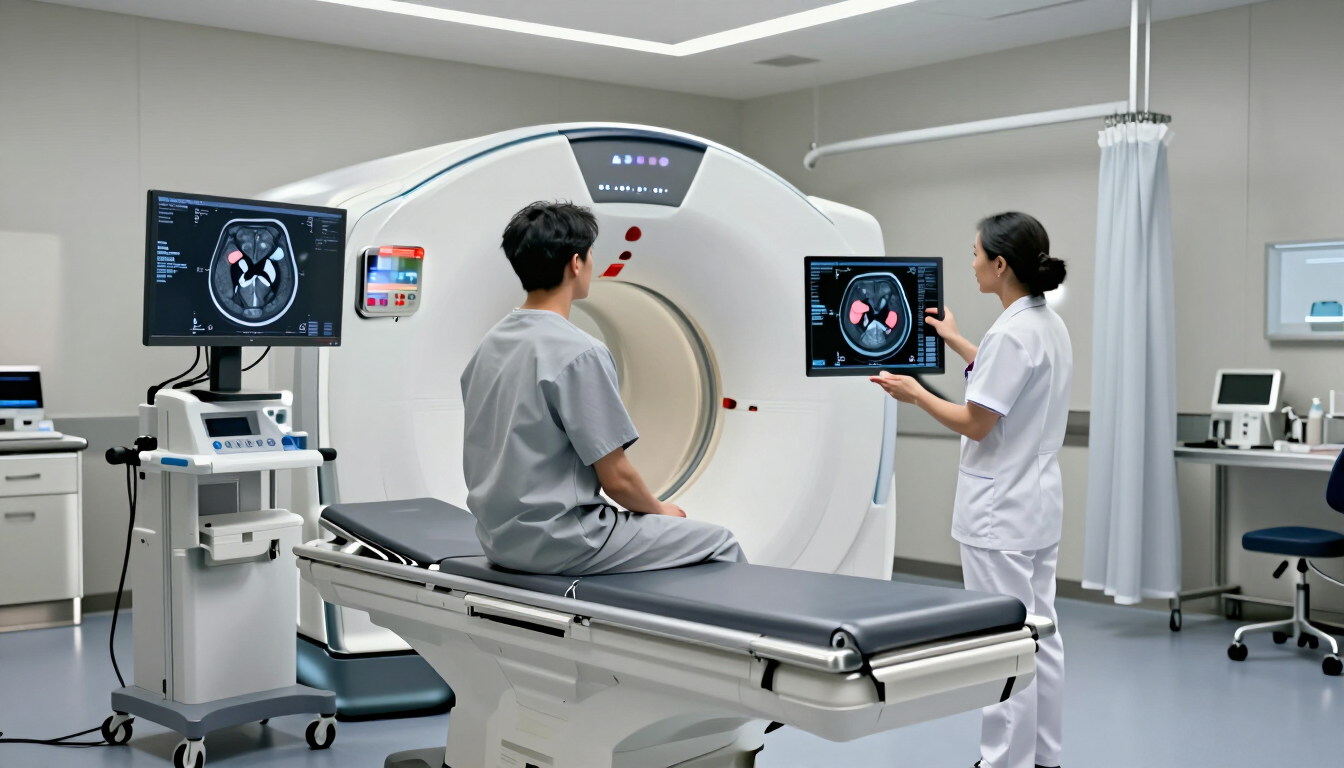
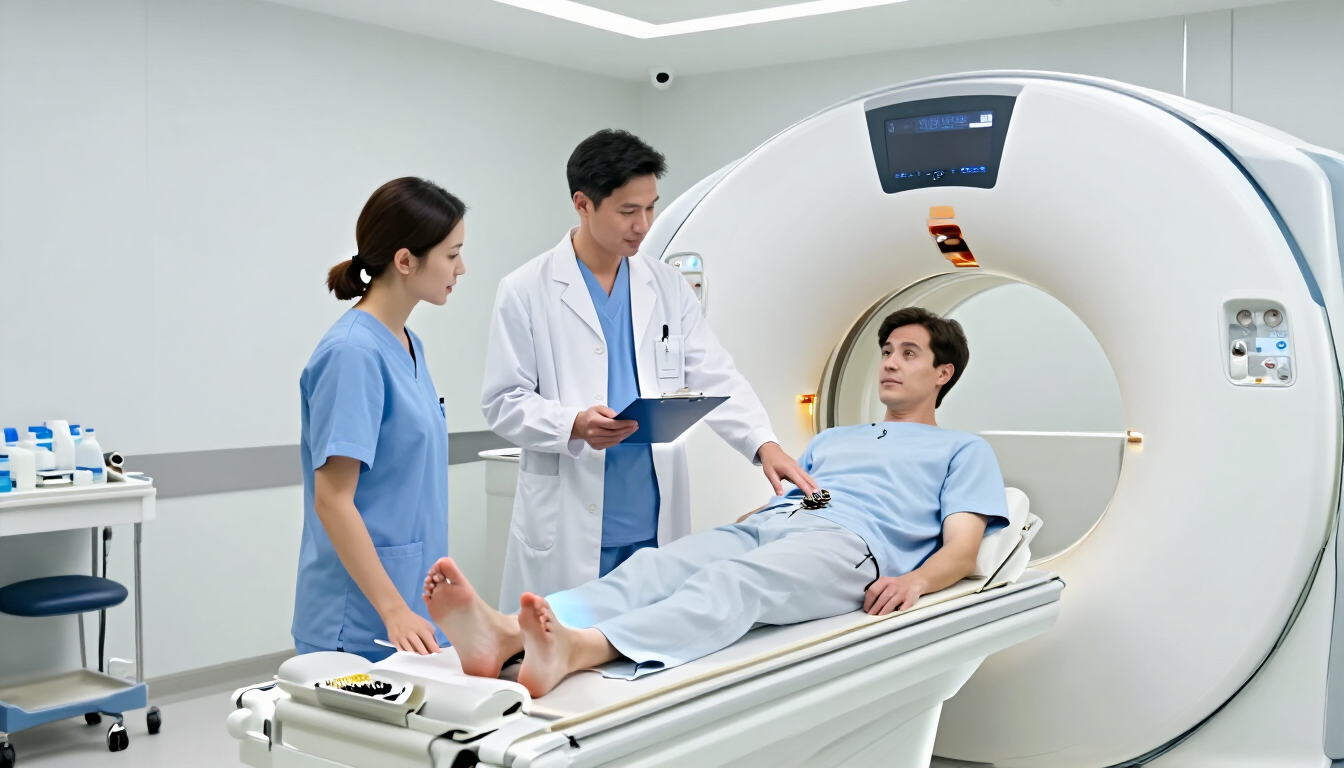
Because we are covering so much ground, a full-body scan takes longer than a single-area scan. You should typically expect to be in the scanner for 60 to 120 minutes. This time is necessary to capture the thousands of images required to create a complete map of your body.
During this time, you will need to lie as still as possible. Modern machines are much more comfortable than older models, often featuring wider bores (the tunnel part of the machine) and better ventilation. Many clinics allow you to listen to music or even watch a movie during the procedure to help the time pass quickly. The "detect" capability of the MRI depends entirely on the clarity of the images, and movement can cause blurring, so staying still is the most important part of the patient's job.
Who should consider a full body MRI?
While anyone can choose to have a private scan, certain groups of people tend to find them more beneficial. If you fall into one of the following categories, a full body mri for cancer detection might be right for you:
- Family history of cancer: If multiple family members have had similar types of cancer, early detection is your best defense.
- Health anxiety: For some, the unknown is the greatest source of stress. A clear scan can provide immense psychological relief.
- Proactive aging: As we move into our 40s, 50s, and beyond, our risk for various conditions naturally increases.
- Vague symptoms: If you have been feeling "off" but your standard blood tests are coming back normal, a scan might find a structural reason for your malaise.
- Athletes and high-performers: Those who put extreme stress on their bodies often want to ensure their joints and organs are holding up under the pressure.
At MRI Plus, we believe that healthcare should be accessible and transparent. We work with patients from all walks of life who want to take control of their health data. Whether you are a busy professional in London or a retiree in Leigh-on-Sea, the ability to see inside your own body is a powerful tool for longevity.
Preparing for your visit to the clinic
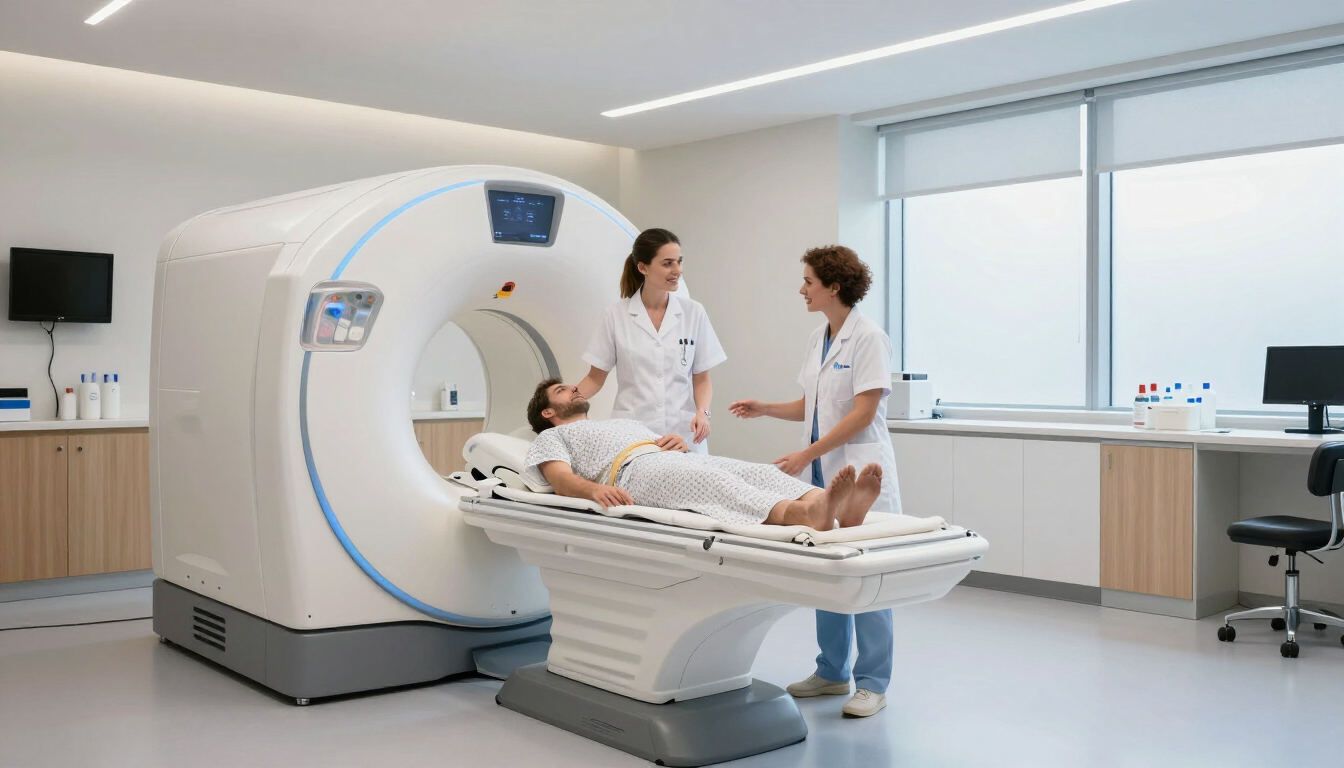
Preparation for an MRI is relatively simple, but there are a few strict rules you must follow. Because the MRI uses a powerful magnet, you cannot have any metal on or in your body. This includes jewelry, piercings, watches, and certain types of clothing with metal zippers or buttons. If you have any internal metal, such as a pacemaker, certain heart valves, or joint replacements, you must inform the clinic beforehand. While many modern implants are "MRI safe," others are not, and safety is always the priority.
In terms of what a full body MRI scan detects during the preparation phase, we might ask you to fast for a few hours if we are looking specifically at your gall bladder, as this ensures the organ is properly distended and visible. Otherwise, you can usually eat and drink normally. When you arrive, you’ll be asked to fill out a detailed safety questionnaire and change into a clinical gown to ensure no metal enters the scanner room.

Summary: Your path to proactive health
In conclusion, a whole body mri scan is one of the most comprehensive tools available in modern medicine for early detection and preventive health. By mapping the brain, spine, and internal organs, it provides a level of detail that other screening methods simply cannot match. Whether you are looking for specific answers or general peace of mind, understanding what a full body MRI scan detects is the first step toward a healthier, more informed future.
Key Takeaways:
- Comprehensive Detection: MRI identifies tumors, vascular issues, and joint degeneration across all major body systems.
- Non-Invasive Safety: Uses magnetic fields instead of harmful radiation, making it safe for repeated preventive checks.
- Early Intervention: Finding issues before symptoms appear dramatically improves the success rate of treatments.
- Psychological Relief: A clear scan can significantly reduce health-related anxiety and provide a baseline for future health monitoring.
- UK Private Access: Providers like MRI Plus offer fast, streamlined access to these scans, bypassing long wait times and providing rapid results.
If you are ready to take the next step in your health journey, consider how a full-body scan could fit into your preventive care strategy. Knowledge is power, and in the world of healthcare, that power often comes from seeing the invisible.
What areas are typically included in a full body MRI?
Commonly the brain, chest, abdomen, pelvis, and sometimes the spine and hips; exact coverage varies by protocol and purpose.
How long does the full body scan take?
full body scan take 60–120 minutes, depending on the scan and whether contrast is used.
Do I need contrast for a full body MRI?
Yes, using gadolinium-based contrast to improve detail, but some scans are performed without contrast if appropriate or if you have kidney concerns or allergies.
How accurate is a full body MRI?
It provides excellent soft-tissue contrast and detail, but it may miss very small lesions or provide incidental findings that require further tests. Results must be interpreted by radiologists.
What is the Full body MRI cost and access in the UK?
The cost of a private full-body MRI scan ranges from £999 to £2,999, and access is available via direct self-referral with zero NHS waiting lists.
References :
Petralia, G., Koh, D., Attariwala, R., Busch, J. J., Eeles, R., Karow, D., Lo, G. G., Messiou, C., Sala, E., Vargas, H. A., Zugni, F., & Padhani, A. R. (2021). Oncologically Relevant Findings Reporting and Data System (ONCO-RADS): Guidelines for the acquisition, interpretation, and reporting of Whole-Body MRI for Cancer Screening. Radiology, 299(3), 494–507. https://pubs.rsna.org/doi/10.1148/radiol.2021201740
Diagnostic and screening procedures - Care Quality Commission. (n.d.).
https://www.cqc.org.uk/guidance-regulation/providers/registration/scope-registration/regulated-activities/diagnostic-and-screening-procedures