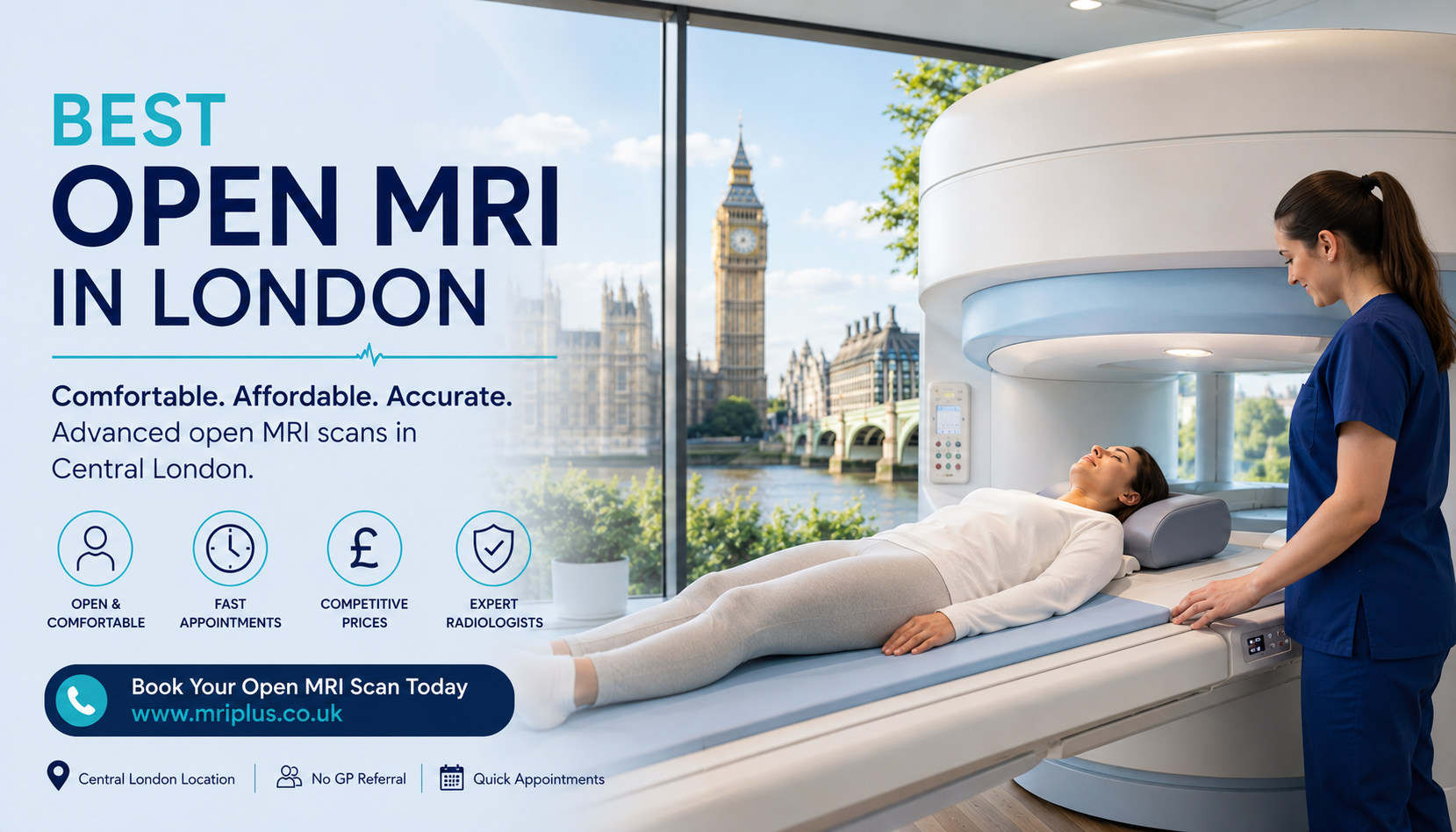
Private MRI Scan: What to Expect, How to Book and When Results Arrive
A private MRI scan is a fast, patient-friendly way to get detailed diagnostic imaging without long waits. At MRI Plus, the process is designed to be clear from the start, from booking and safety screening to reporting and results delivery. That matters if you are trying to move forward with symptoms, a referral, or an ongoing treatment plan. Many patients choose a private MRI scan because they want a quicker appointment, a more flexible schedule, or a straightforward route to a written report. If you are also comparing services, you can explore our MRI Plus for a broader view of our private diagnostic and outpatient services. In this guide, we explain what a private MRI scan is, what happens on the day, whether you need a referral, and when results usually arrive. We also cover common questions patients ask before they book, so you can decide with confidence.
What is a private MRI scan?
A private MRI scan is a magnetic resonance imaging test booked through a private provider rather than the NHS. It uses strong magnets and radio waves to create detailed images of soft tissue, joints, organs, and the nervous system.
A private MRI scan is often chosen by people who want faster access to diagnostic imaging, flexible appointment times, or the convenience of booking without long waiting lists. It can also help when a clinician needs detailed images of a specific area to support diagnosis or treatment planning. At MRI Plus, many MRI scans can be booked without a GP referral, with appointments available at our MRI Plus Hendon clinic and MRI Plus Leigh-on-sea clinic, making it easier to access high-quality diagnostic imaging when you need it most.
A private MRI scan is not a treatment. It is a diagnostic test that helps identify or rule out causes of pain, injury, inflammation, or other symptoms. Because MRI does not use ionising radiation, many patients prefer it when soft tissue detail matters. However, the scan must still be matched to the right clinical question.
At MRI Plus, the focus is on clarity. Patients want to know what they are booking, what preparation is needed, and how they will receive results. That is why a good private MRI scan service should explain the process before you arrive, not after. If you are also arranging other investigations, our MRI Plus page shares updates and patient information across our diagnostic services.
In simple terms, a private MRI scan helps you move from uncertainty to a reportable image set, often much faster than standard routes. That speed can support next steps with a GP, consultant, or another clinician.
Reasons patients choose a private MRI scan
A private MRI scan is usually chosen for speed, convenience, and clearer control over the booking process. Many patients also want faster reporting so they can discuss next steps with a clinician sooner.
This is especially useful when symptoms are affecting work, sleep, sport, or daily activity. It can also help if an NHS wait is too long, if a specialist has advised imaging, or if you want to investigate a persistent issue without delay. Some patients value the privacy and calmer setting of a private appointment too.
A private MRI scan can be a practical option if you need imaging for a specific area, such as a knee, back, brain, or abdomen. It is also often used when a previous test did not give enough detail. In other cases, it helps confirm whether a suspected problem really needs further treatment.
The question many patients ask is whether it is worth paying for a private MRI scan. The answer depends on urgency, symptoms, and how quickly the result may influence care. If faster information changes your decision-making, a private route may be worthwhile. If your symptoms are mild and stable, waiting may still be reasonable.
For balanced context on when broader screening may or may not be sensible, this discussion from Talking With Docs is useful:
A private MRI scan is not always the right first test. Nevertheless, for many self-pay patients, it provides a direct route to answers and can reduce the stress of uncertainty. That is why many people compare services carefully before booking.
Types of MRI scans available
A private MRI scan can be tailored to the body part and symptom pattern you need assessed. The right scan depends on the clinical question, not just the area that hurts.
We offer a wide range of private MRI scans, including brain, spine, joint, abdominal, pelvis,open mri and full-body MRI scans. Depending on your clinical needs, your scan may be performed with or without contrast, and our team will explain the most appropriate option before your appointment. You'll receive clear information about what your scan includes, how to prepare, and what to expect, helping you make an informed decision when choosing private diagnostic imaging.
Many patients choose a private MRI scan because it can focus on one area quickly. Others need a broader view. Either way, the scan should be selected to answer a specific clinical question.
This evidence-based perspective on full-body MRI screenings helps explain why more imaging is not always better: I Got a Full-Body MRI. Beware of the Dangers.
When you book, it helps to know what the scan is for, whether contrast may be used, and how the result will be reported. A good private MRI scan service should explain those points before the appointment, not leave you guessing.
Brain MRI
A brain MRI is used when clinicians need detailed images of the brain and nearby structures. It is often requested for headaches, neurological symptoms, dizziness, or other concerns that need a closer look.
This type of private MRI scan can show soft tissue detail that other tests may miss. It is especially useful when the question involves inflammation, structural change, or possible nerve-related causes. Because the scan area is small and highly detailed, accurate clinical information matters before booking.
Full Spine MRI
A full spine MRI scan is an advanced imaging scan that provides detailed pictures of the entire spine, including the neck, upper back, and lower back.
A private MRI scan of the spine can support quicker decision-making when mobility is affected. It may also help if conservative treatment has not improved symptoms. The key is choosing the correct spinal region, such as cervical, thoracic, or lumbar.
Knee and Joint MRI
A knee or joint MRI is often used for sports injuries, ligament concerns, swelling, or unexplained pain. It gives a detailed look at soft tissues, cartilage, and structures that X-rays do not show well.
Many active patients choose a private MRI scan for joint issues because a faster appointment can shorten the wait before treatment or physiotherapy decisions. It is useful when the result may change whether you rest, rehab, or seek a specialist opinion.
Abdominal or Pelvic MRI
An abdominal or pelvic MRI provides detailed images of organs and surrounding tissues. It is often requested when symptoms are complex or when another test has not given enough detail.
A private MRI scan in this area may be used to investigate abdominal pain, pelvic symptoms, or follow-up concerns. Preparation can vary, so your provider should explain fasting, contrast, or timing instructions clearly before the appointment.
Do you need a referral for a private MRI scan?
You do not always need a referral for a private MRI scan, but some providers may still recommend one. The requirement depends on the service model, the scan type, and the need to confirm the right clinical question.
A self-referral route can be convenient for straightforward cases. However, referral review is useful when symptoms are complex, when contrast might be needed, or when a clinician wants to target the scan more precisely. The important point is safety and accuracy, not speed alone.
If you are already under care, a referral can help align the scan with your treatment plan. If you are starting from scratch, a good provider should still screen you carefully before confirming the booking. That screening usually checks for metal implants, pregnancy, kidney issues if contrast is involved, and any reasons the scan may not be suitable.
Some private providers allow direct booking without a letter, while others prefer a referral from a GP or consultant. For a general industry comparison, here, we have shared article on whether you can get a private MRI without a referral outlines that flexibility.
At MRI Plus, the key aim is to make the process simple while keeping it clinically appropriate. That means helping patients understand what is needed before they book a private MRI scan and what information should be ready on the day.
What happens during a private MRI scan?
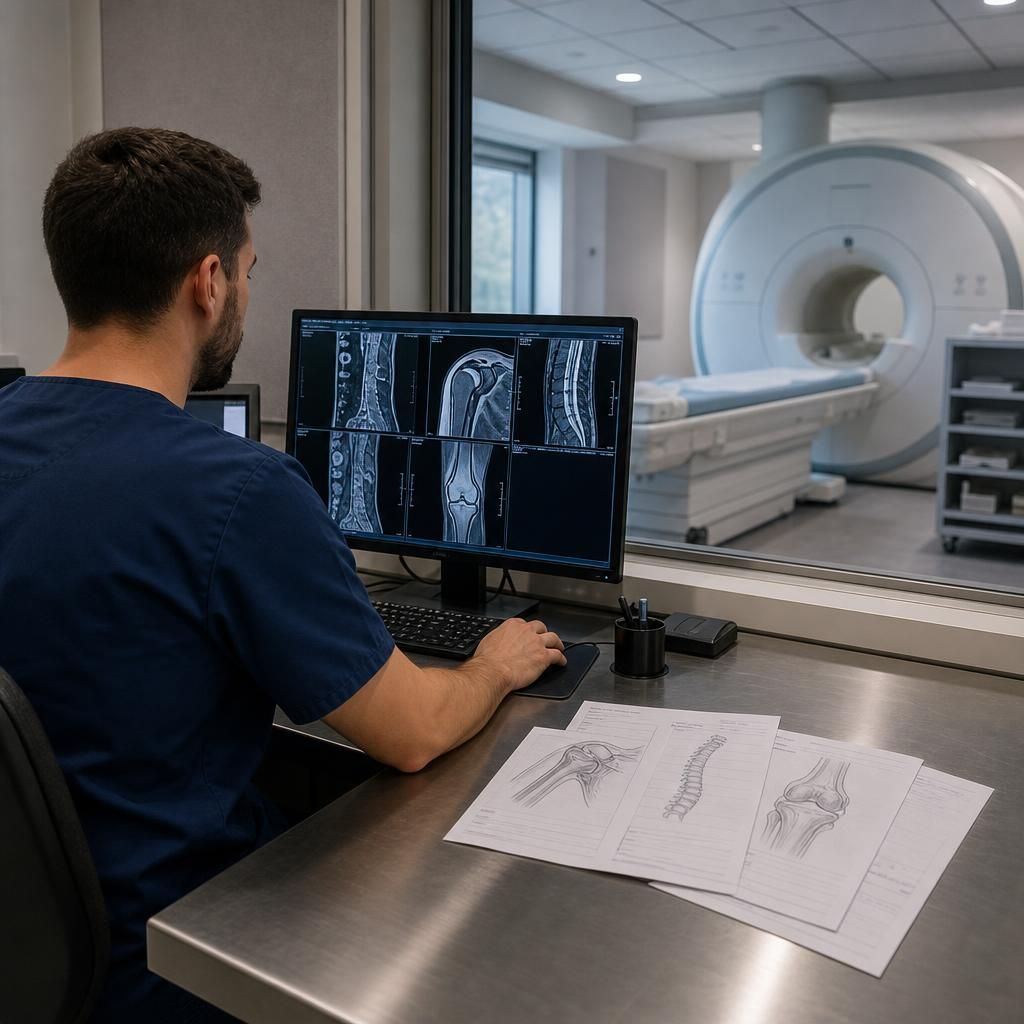
A private MRI scan is usually straightforward and outpatient-based. You arrive, complete safety checks, change if needed, and then lie still while the images are taken.
The scan itself is painless, but the machine can be noisy. Most centres provide ear protection, and staff will explain what to expect before the scan starts. Depending on the body part, the appointment can feel quick or a little longer, especially if several image sequences are needed.
You may be asked not to wear metal items, and you may need to remove jewellery, watches, or clothing with fasteners. If contrast is required, a cannula may be placed so dye can be given during the scan. The team should explain that clearly in advance.
A private MRI scan works best when patients share accurate information on booking. Mention previous surgery, implants, pregnancy, and any claustrophobia concerns. That allows the team to plan properly and reduce delays on the day.
Most patients are able to leave shortly after the appointment and resume normal activity. If sedation is not involved, recovery is generally simple. The more important part comes next: the report and how quickly it reaches the right person. That is what turns a private MRI scan into a useful clinical step, not just an image set.
When will you receive your private MRI scan results?
Results from a private MRI scan are usually sent after the images have been reviewed by a reporting clinician. The exact timing depends on the provider’s workflow and whether the case needs additional review.
A good service should explain how results are delivered before you book. Some patients receive a digital report, while others have results sent to a referrer or clinician. If you are self-paying, ask how images and reports will be shared and whether they are accessible online.
The report matters because it guides the next step. It may support reassurance, further tests, specialist referral, or treatment planning. Therefore, speed alone is not enough. You want a private MRI scan service that pairs quick access with clear reporting.
At MRI Plus, digital reporting and results delivery are part of the patient journey. That helps reduce friction after the appointment and makes it easier to move into the next stage of care. If you are comparing providers, ask three things: who reports the scan, how the report is checked, and how soon it is released.
A private MRI scan should give you more than an appointment slot. It should give you a usable clinical result.
Book a private MRI appointment
Booking a private MRI scan should feel simple, not stressful. The best providers make it easy to check availability, confirm the right scan, and understand what happens next.
Before you book, gather the basics: your symptoms, the area to be scanned, any prior imaging, and any safety information such as implants or surgery history. That helps the provider choose the right appointment and reduces the chance of delays.
If you are still comparing options, look for clear pricing information, a transparent reporting process, and plain-language patient support. A private MRI scan is a clinical service, so clarity is more useful than marketing.
The simplest next step is to request the scan that matches your symptoms. From there, the goal is straightforward: a well-run private MRI scan, a clear report, and a faster path to the right decision.
Key Takeaways
- A private MRI scan gives patients quicker access to detailed diagnostic imaging and a clearer booking path.
- The right scan depends on the clinical question, not just the painful area.
- You may not always need a referral, but safety screening and scan selection still matter.
- Results are only useful when reporting is clear and delivered promptly.
- MRI Plus focuses on straightforward booking, patient reassurance, and digital results delivery.
Frequently Asked Questions
How much will a private MRI scan cost?
Private MRI scans at MRI Plus start from £199. The price depends on the type of scan and whether contrast is needed, with transparent pricing and no hidden fees.
Is it worth paying for a private MRI scan?
A private MRI scan is often worth it if faster results will affect treatment, work, sports, or peace of mind. It can be especially useful when NHS waiting times are long or when a clinician needs a quicker answer to guide next steps.
Can you get a private MRI without a referral?
Yes, some providers allow a private MRI scan without a referral. Others still prefer a GP or consultant letter, or they may complete their own clinical screening before confirming the booking.
Is an MRI better than a CT scan?
Neither test is universally better. A private MRI scan is usually better for soft tissue detail, while CT is often better for bone, bleeding, or certain emergency questions. The right choice depends on the symptom and the clinical question.
References:
Radiological Society of North America (RSNA) and American College of Radiology (ACR). (n.d.-c). Brain MRI. Radiologyinfo.org. https://www.radiologyinfo.org/en/info/mri