Open MRI Scan: Choose Stress-Free Imaging in 2026
An open MRI scan is a diagnostic imaging procedure that uses powerful magnets and radio waves to create detailed images of your body without requiring you to enter a narrow, enclosed tube. Its open-sided design specifically helps reduce anxiety for patients with claustrophobia or limited mobility.
What exactly is an open MRI scan?
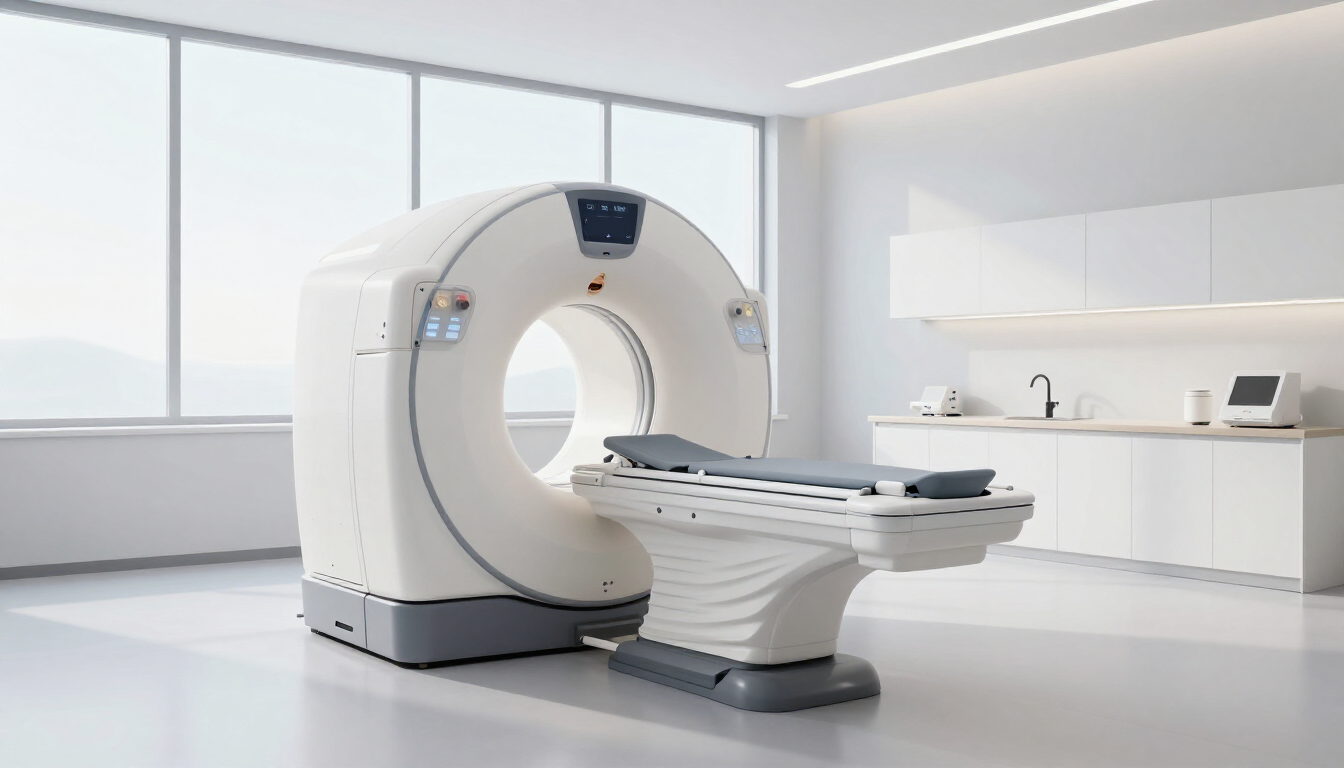
When we talk about traditional MRI (Magnetic Resonance Imaging), most people picture a long, dark tunnel. For many, that image alone is enough to spark a bit of anxiety. An open MRI scan is the modern answer to that discomfort. Instead of being surrounded by a tube on all sides, an open scanner typically uses two flat plates—one above you and one below—with the sides completely open to the room.
This design allows you to see out into the clinic space, maintain eye contact with the technologist, or even have a loved one sit nearby. It uses the same fundamental physics as a traditional MRI: it aligns the hydrogen atoms in your body and then uses radio waves to create a map of your internal structures. Whether it’s your spine, your knee, or your brain, the technology provides a non-invasive way to look inside without using ionizing radiation like X-rays or CT scans.
At MRI Plus, we prioritize your comfort as much as clinical accuracy. We know that the medical jargon can be overwhelming, so we think of the open MRI as the "gentle" version of diagnostic imaging. It’s about giving you the answers you need for your health journey without the stress of a cramped space.
Why do patients prefer open scanners?
The preference for open MRI scans isn't just about comfort; it's often about accessibility. Many patients find the traditional "doughnut" shape of a standard MRI machine to be physically or mentally restrictive. Here are a few reasons why people choose the open route:
- Claustrophobia Relief: The open sides prevent that feeling of being "trapped," which is the primary concern for many.
- Accommodating Size: Open machines often have higher weight limits and more physical space for larger patients.
- Child-Friendly Environment: Children are often less intimidated when they can see their parents during the scan.
- Reduced Noise: While all MRIs make some noise, some open designs are notably quieter than their high-field enclosed counterparts.
- Better Patient Monitoring: If a patient has special needs, medical staff can reach them more easily during the process.
Choosing an open MRI is often a decision made to ensure the patient remains still enough to get a high-quality image. If a patient is panicked in a closed machine, they are more likely to move, which can blur the results. By choosing a stress-free environment, we actually improve the chances of getting the best diagnostic data on the first try.
Key Benefits of Open Technology
While the primary benefit of an open MRI scan is patient comfort, the technology behind it has come a long way. Modern open systems provide high-resolution images that are more than capable of diagnosing complex issues in the musculoskeletal system, neurology, and more.
One of the most significant advantages is the "side-entry" or "walk-in" feel. You aren't being slid into a machine; you are simply lying down on a comfortable bed that happens to have a scanner above it. For elderly patients or those with severe back pain, this ease of access is a game-changer. You don't have to contort your body to fit into a tight space, which reduces the risk of aggravating an existing injury during the setup phase.
Furthermore, the psychological benefit of being in an open environment cannot be overstated. When your body is relaxed, your heart rate stays lower, and the entire experience feels like a brief rest rather than a medical ordeal. This is why we focus so heavily on this technology at MRI Plus—we believe healthcare should work around the person, not the other way around.
Who is the ideal candidate for an open MRI?
You might be wondering if an open MRI scan is right for your specific situation. While it’s suitable for almost anyone, certain groups of people find it particularly beneficial. If you identify with any of the following, an open scan might be your best option:
- Patients with Claustrophobia: If you feel uneasy in elevators or small rooms, a traditional MRI will likely be difficult for you.
- Bariatric Patients: Those whose physical size or shoulder width makes a standard 60cm or 70cm bore uncomfortable.
- The Elderly and Infirm: Patients who struggle with mobility and need a more accessible table height and open space.
- Children and Adolescents: Younger patients who need the reassurance of seeing their guardians throughout the procedure.
- Patients with High Anxiety: Anyone who feels overwhelmed by the medical environment and prefers a more "open-air" feel.
It’s also worth noting that if you’ve had a bad experience with a closed MRI in the past, switching to an open scanner can completely change your perspective on diagnostic imaging. You can read more about our patient-first approach on our MRI Plus website.
The Science Behind the Image
How does it actually work? It sounds like magic—taking a picture of your organs without even touching you. The scanner uses a very strong magnetic field. When you lie down, the water molecules in your body align with that field. Then, a burst of radiofrequency energy is sent through your body, which "knocks" those molecules out of alignment. As they realign, they emit signals that the computer picks up and translates into a 3D image.
In an open MRI, the challenge for engineers was to create a magnet that was strong enough to produce clear images without being a complete circle. They solved this by using a "C-arm" or a double-plate design. While some older open MRIs had lower field strengths, modern versions used in private clinics today are highly optimized. This ensures that your consultant gets the detail they need to see ligament tears, disk herniations, or inflammation.

Open vs. Closed MRI: Which is right for you?
The debate between open and closed MRI often comes down to a balance between "field strength" and "patient comfort." Traditional closed MRIs usually have a higher Tesla (T) rating, which measures magnetic strength. However, for many common diagnostic needs—like checking a sore knee or a stiff lower back—the difference in image quality between a modern open MRI and a closed one is negligible for the final diagnosis.
If your doctor needs an extremely high-definition scan of a tiny nerve deep in the brain, they might suggest a high-field closed MRI. But for the vast majority of outpatient diagnostic needs, the open MRI scan provides excellent clarity. The most important factor is actually the expertise of the radiologist reading the scan. At MRI Plus, we ensure that every scan is interpreted by qualified professionals who understand the nuances of the imaging.
When deciding, ask yourself: "Will I be able to stay perfectly still for 20 to 45 minutes in a dark tube?" If the answer is no, the open MRI is almost certainly the right choice, as a clear image from an open scanner is always better than a blurred image from a closed one where the patient was moving due to discomfort.
Preparing for your private MRI scan
One of the best things about an open MRI scan is that the preparation is very straightforward. Because it doesn't involve radiation, there are fewer restrictions than you might find with a CT scan. However, there are a few "house rules" to keep in mind to ensure everything goes smoothly:
- Metal Check: You’ll need to remove all jewelry, watches, piercings, and clothes with metal zippers or buttons.
- Medical History: Inform the staff if you have any implants, like pacemakers or cochlear implants, as these can be affected by the magnet.
- Clothing: We recommend wearing loose, comfortable gym-style clothes (without metal) so you can often stay in your own clothes during the scan.
- Hydration: You can usually eat and drink normally unless your specific scan requires fasting (which is rare for standard MRIs).
- Arrival Time: Try to arrive 15 minutes early to fill out the safety screening questionnaire.
Our team is here to guide you through every step. We know that even with an open machine, you might still feel a bit nervous. Don't hesitate to tell us! We can explain the process as we go, or provide earplugs if you find the rhythmic "thumping" of the machine distracting.
What happens during the procedure?
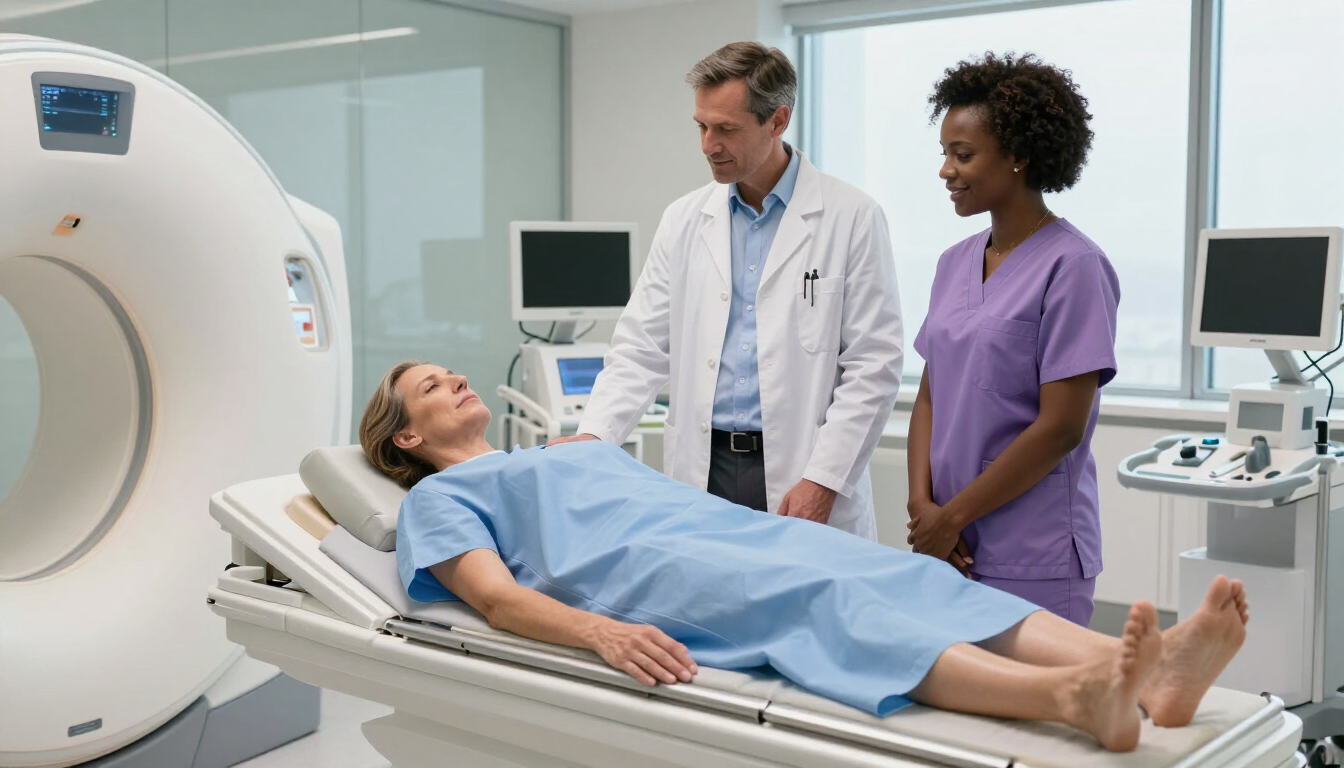
When you walk into the scanning room, the technologist will help you get positioned on the padded table. Depending on what part of your body is being scanned, a "coil" (a device that acts as an antenna) might be placed over the area of interest. Once you're comfortable, the table will move slowly so the part being imaged is between the magnetic plates.
During the scan, you will hear a series of loud clicks, hums, and thumps. This is completely normal—it’s just the magnetic coils turning on and off to create the image. The technologist will be in the next room, watching through a window and speaking to you through an intercom. Most scans take between 20 and 40 minutes. You just need to lie as still as possible and breathe normally. Before you know it, the session is over, and you can go about your day with no recovery time needed.
Fast results and clinical accuracy at MRI Plus
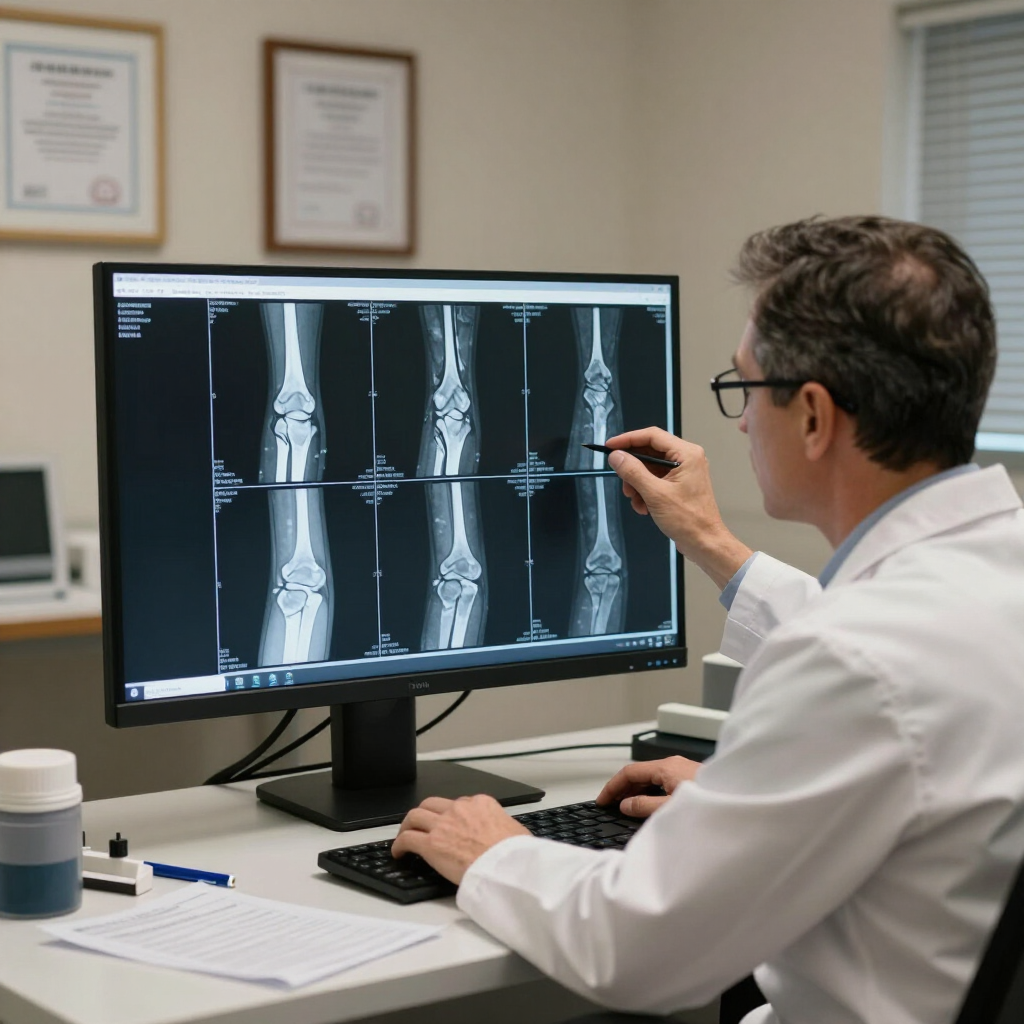
At MRI Plus, we understand that the wait for results is often the hardest part of the process. That is why we have streamlined our reporting workflow. Once your open MRI scan is complete, the digital images are immediately sent to a consultant radiologist for review. We focus on speed because we know that a fast diagnosis leads to faster treatment and, ultimately, better outcomes.
Our private diagnostic imaging services are designed to bypass the long waiting lists often found in traditional healthcare systems. Whether you are a self-pay patient or have private insurance, you can often secure an appointment within days. This rapid turnaround provides peace of mind and allows you to move forward with your consultant or physiotherapist to start your recovery plan.
We pride ourselves on clinical excellence. Every procedure is backed by robust clinical governance, ensuring that while we are fast, we never compromise on the accuracy of your medical records. Our digital reporting systems mean you can easily share your results with other healthcare providers, keeping your entire medical team in the loop.

Summary and Next Steps
Choosing an Open MRI London is a smart way to prioritise both your physical health and your mental well-being. By opting for a design that accommodates claustrophobia and mobility issues, you ensure a smoother, more accurate diagnostic process. This technology provides the high-quality images necessary for your doctors to make informed decisions without the stress associated with traditional "tunnel" scanners.
Key Takeaways:
- Stress-Free: Open designs are perfect for those with claustrophobia or anxiety.
- Highly Accessible: Easy for patients of all sizes and those with limited mobility.
- Clinically Reliable: Modern open MRIs provide clear, diagnostic-grade images.
- Fast and Efficient: Private providers like MRI Plus offer quick booking and rapid reporting.
If you’re ready to take the next step in your healthcare journey, consider booking a private scan today. You can find more information about our services and the latest updates in diagnostics on our MRI Plus website. Don't let waiting lists or scan anxiety hold you back from the answers you need.
References :
NHS. MRI Scan – Overview, preparation and what to expect : https://www.nhs.uk/tests-and-treatments/mri-scan/
RadiologyInfo.org (American College of Radiology & Radiological Society of North America). MRI Safety and Patient Information: https://www.radiologyinfo.org/en/info/safety-mr
University College London Hospitals NHS Foundation Trust (UCLH). Having an MRI Scan – Patient Information.
https://www.uclh.nhs.uk/patients-and-visitors/patient-information-pages/magnetic-resonance-imaging-having-mri-scan