What is a Full Body MRI? Benefits & Early Insights
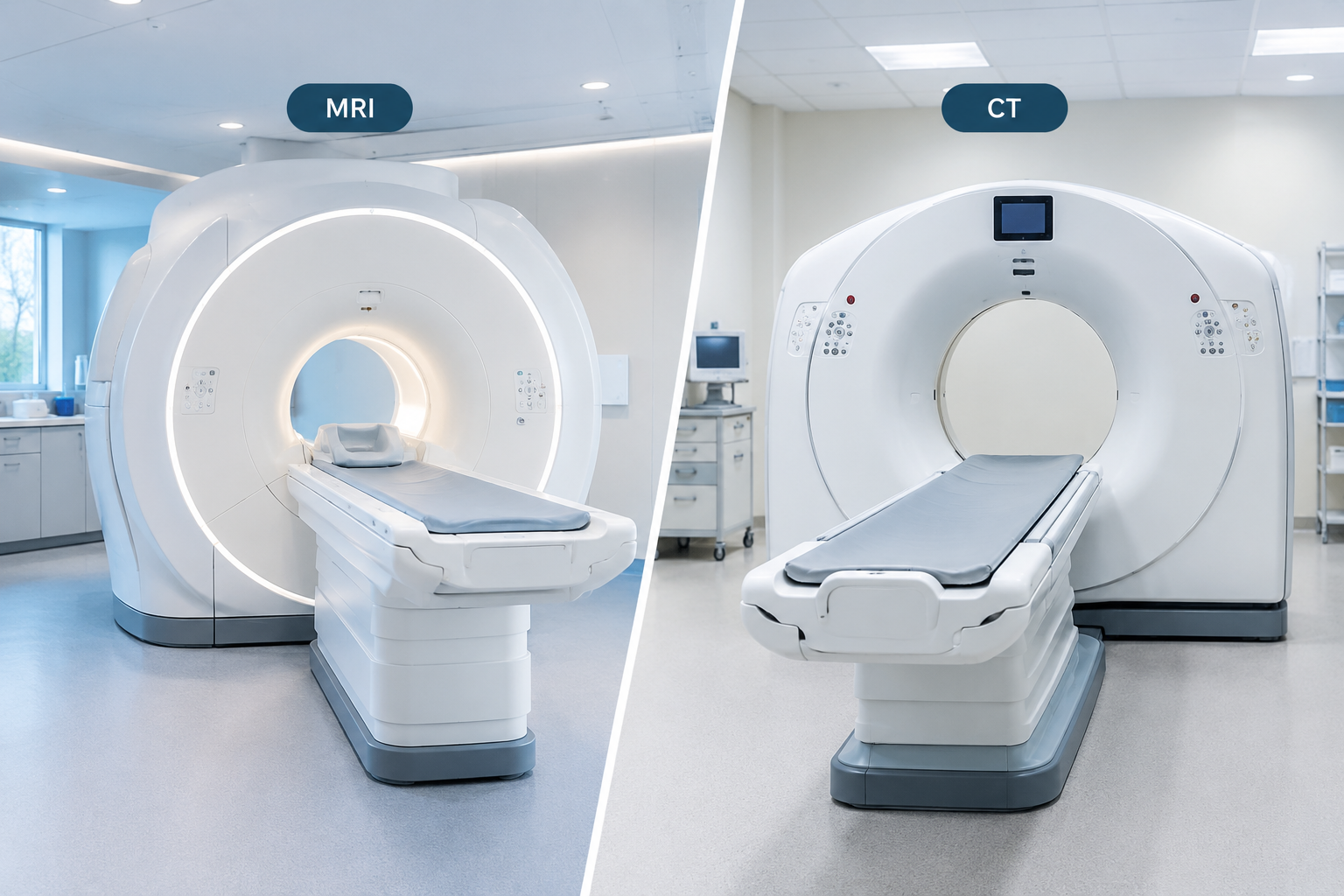
A full body MRI scan is a non-invasive diagnostic procedure that uses strong magnetic fields and radio waves to create detailed images of the internal organs and tissues. Unlike CT scans, it uses no ionizing radiation, making it a safe option for preventative health screening and early disease detection.
What is a full body MRI scan?
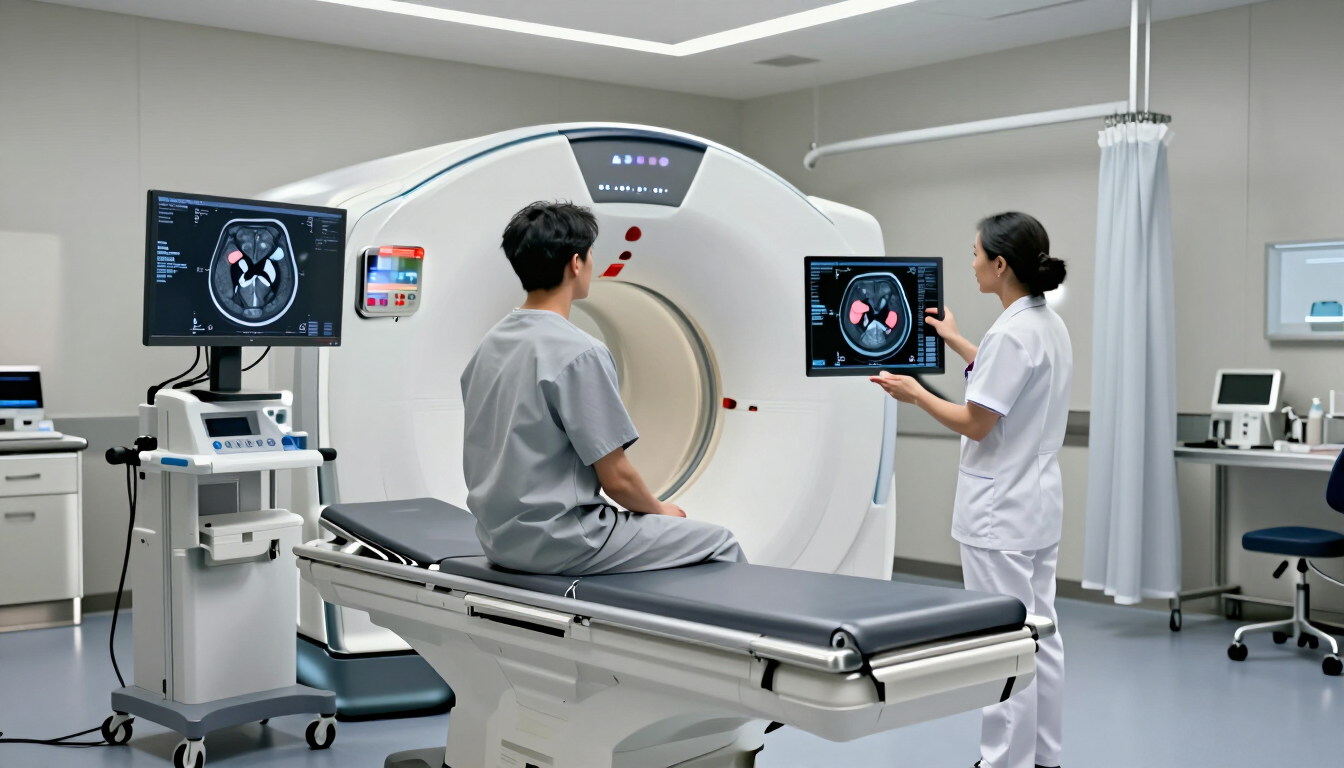
A full body MRI scan (Magnetic Resonance Imaging) is an advanced medical imaging technique that provides a comprehensive overview of your internal health. This scan typically evaluates major anatomical regions including the brain, the entire spinal column, and the abdominal and pelvic organs. By capturing high-resolution images of these areas, healthcare professionals can identify structural abnormalities, inflammations, or potential tumors that may not be detectable through routine physical examinations or standard blood tests.
Unlike traditional imaging that might focus on a specific injury, a comprehensive full body scan acts as a broad-spectrum diagnostic tool. It is designed to offer a 'snapshot' of the body's current state, focusing on areas where common health issues often originate. For many individuals, this serves as a baseline for future health monitoring, allowing for a longitudinal view of how their body changes over time.
At its core, the procedure is about visibility. It removes the guesswork from internal diagnostics by offering a clear, multi-angled view of the soft tissues, bones, and organs. This visibility is crucial for proactive health management, shifting the focus from treating symptoms to identifying potential concerns before they become symptomatic.
Key benefits of full body imaging
We offer a full body MRI scan with several clear benefits for those who want to take a proactive approach to their wellbeing. The primary benefits include:
- Early Disease Detection: Many serious conditions, including certain types of cancer and cardiovascular issues, are most treatable when caught in their earliest stages.
- Radiation-Free Technology: Because MRI uses magnets rather than X-rays, there is no exposure to ionizing radiation, making it safer for repeated screenings.
- Comprehensive Assessment: One single appointment can evaluate multiple organ systems, providing a more efficient diagnostic path than several individual scans.
- Peace of Mind: For individuals with family histories of certain conditions, a clear scan can provide significant psychological relief and clarity.
- Non-Invasive Nature: The procedure requires no incisions or recovery time, allowing patients to return to their daily activities immediately after the scan.
These benefits underscore why preventative imaging is becoming a cornerstone of modern healthcare. Rather than waiting for pain or dysfunction to drive a visit to the doctor, patients are now empowered to look under the surface and understand their biological health in real-time. This is particularly valuable in an era where lifestyle-related diseases and early-onset conditions are on the rise.
How does a whole body MRI work?
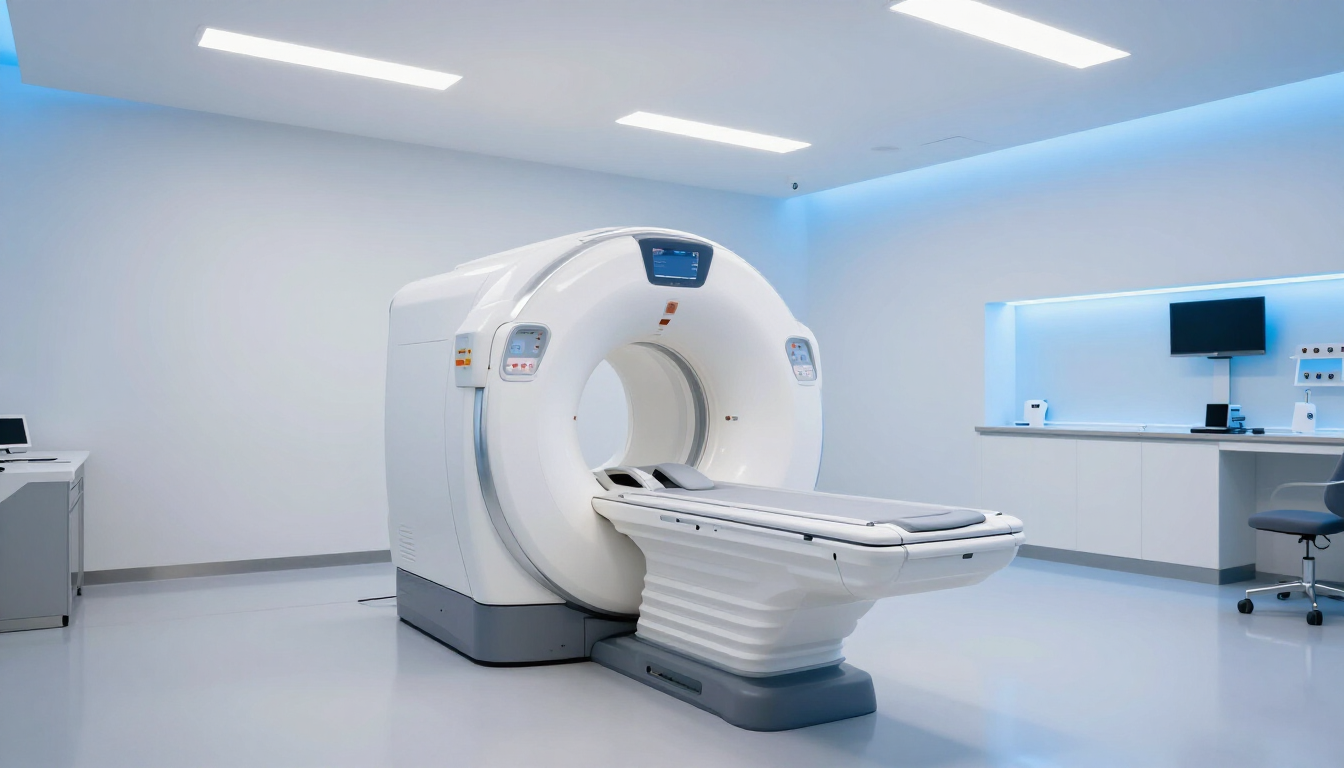
The science behind Magnetic Resonance Imaging is fascinating and highly sophisticated. The MRI scanner is essentially a large, powerful magnet. When you lie inside the scanner, the magnetic field temporarily realigns hydrogen atoms in your body. Radio waves then cause these aligned atoms to produce very faint signals, which are used to create cross-sectional MRI images.
These images can be combined to form a three-dimensional view of the body. Because different tissues contain different amounts of water (and thus different amounts of hydrogen), the scanner can distinguish between muscle, fat, organs, and abnormal growths with incredible precision. In a full body context, the scanner moves through various 'stations' or segments, capturing data for the head, neck, chest, abdomen, pelvis, and spine.
Advanced software then processes this data to create a complete map of the patient. This process allows radiologists to see 'slices' of the body from any angle. The level of detail is high enough to detect subtle changes in tissue density or the presence of fluid where it shouldn't be, providing a level of diagnostic accuracy that was once only possible through invasive surgery.
Is a full body MRI scan safe?
Safety is a common concern for patients undergoing any medical procedure. Fortunately, the full body MRI scan is considered exceptionally safe for the vast majority of people. Because it does not use ionizing radiation (the type found in X-rays and CT scans), there is no cumulative risk of DNA damage or radiation-related health issues.
However, there are specific safety protocols that must be followed:
- Metal Implants: Because of the strong magnetic field, patients with certain metal implants, such as pacemakers, cochlear implants, or certain types of vascular clips, may not be eligible for a scan.
- Pregnancy: While there are no known risks to the fetus, MRI scans are generally avoided during the first trimester unless medically necessary as a precaution.
- Claustrophobia: Some patients may feel anxious in the enclosed space of the scanner. Modern facilities often provide headphones, music, or wide-bore scanners to improve comfort.
- Contrast Agents: In some cases, a contrast dye may be used to highlight specific areas. While generally safe, this requires a check of kidney function beforehand.
- No Loose Metal: Patients must remove all jewelry, watches, and clothing with metal zippers or buttons before entering the scanning room.
By adhering to these rigorous screening processes, MRI providers ensure that the diagnostic benefits are delivered with minimal risk. Most patients find the experience to be simple, albeit slightly noisy due to the mechanical sounds of the gradient coils.

Who should consider a comprehensive MRI?
While anyone interested in a detailed health check can benefit, certain groups may find a full body MRI scan particularly useful. This diagnostic tool is often recommended for individuals who fall into the following categories:
- Those with a Family History of Disease: If cancers or heart disease run in your family, early screening can be a vital part of your long-term health strategy.
- Patients with Persistent, Unexplained Symptoms: If you have been experiencing vague symptoms that standard tests haven't explained, a comprehensive look may reveal the underlying cause.
- Health-Conscious Individuals: People who prioritize preventative medicine and want a 'baseline' of their internal health.
- Busy Professionals: Those who prefer a single, comprehensive check-up rather than multiple appointments across different specialties.
It is important to note that a full body MRI scan should be viewed as a complementary tool. It works best when combined with regular clinical assessments and professional medical advice. A scan can point to areas of interest, but the context provided by a physician is what turns those images into a meaningful health plan.
Preparing for your appointment
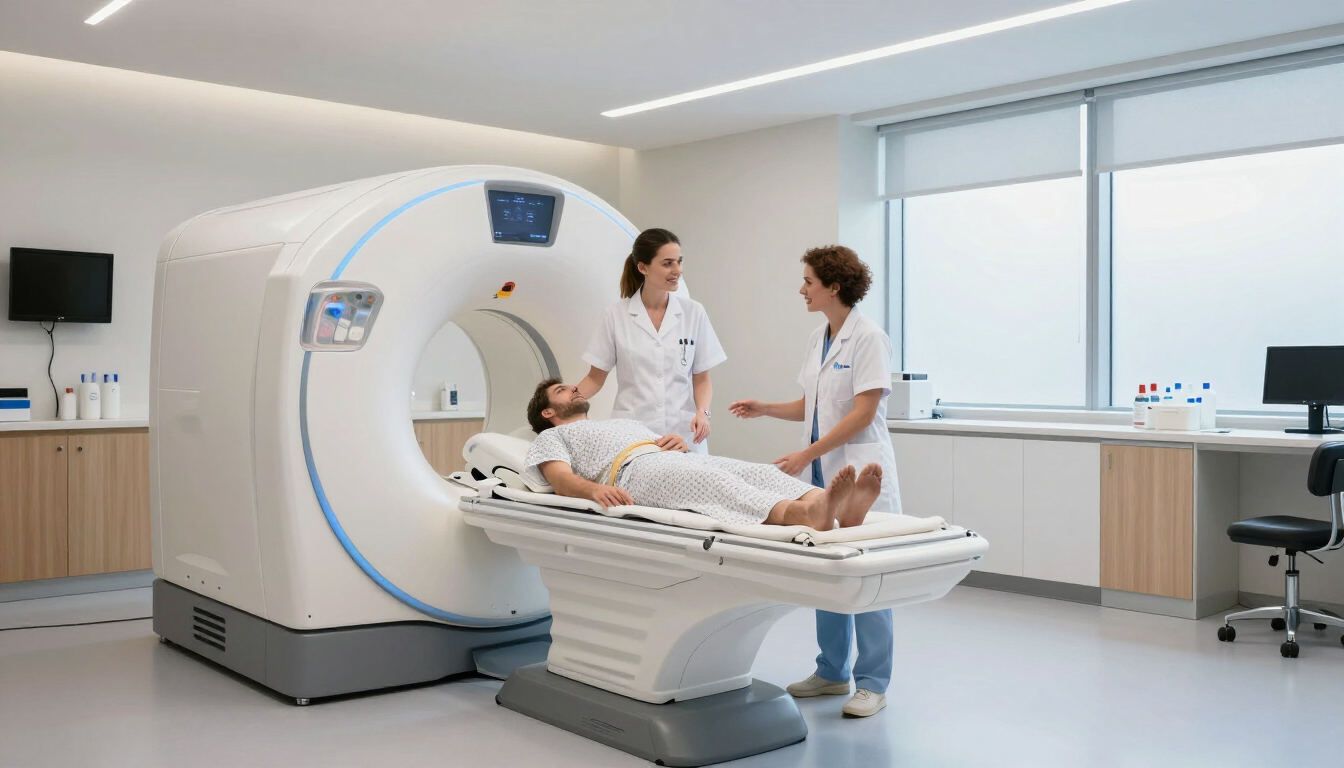
Preparation for a full body MRI is straightforward, but following the instructions carefully ensures the best possible image quality. Usually, there are no significant dietary restrictions unless your specific scan includes certain abdominal protocols.
- Clothing: You will likely be asked to change into a medical gown to ensure no metal is present on your person.
- Documentation: Bring any previous scan results or relevant medical records to help the radiologist provide a comparative analysis.
- Communication: Inform the staff if you have any allergies, recent surgeries, or if you might be pregnant.
- Relaxation: Try to arrive early to settle in. Some people find practicing deep breathing helpful if they feel nervous about the scanner.
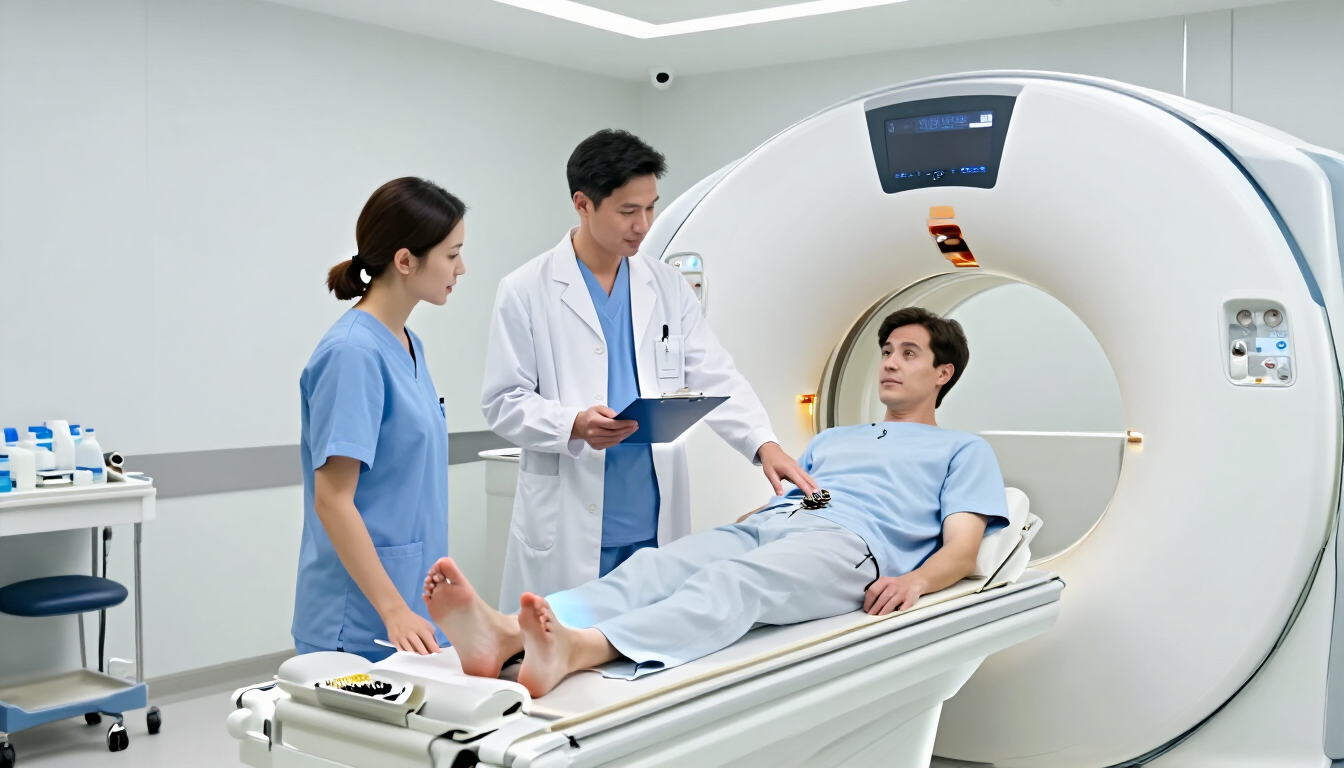
During the scan, you will need to remain as still as possible. Any movement can blur the images, similar to how a camera blurs a photo if the subject moves. You will be in constant communication with the technician via an intercom, and you will have a 'call button' in your hand at all times for added security.
Summary of key takeaways
A full body MRI scan is a powerful, non-invasive tool for comprehensive health monitoring. By offering a detailed view of the brain, spine, and major organs without the use of radiation, it provides a safe and effective pathway for early disease detection and general health screening. While it is an incredible technological resource, it is most effective when used as part of a broader healthcare strategy in consultation with medical professionals.
- Non-Invasive & Safe: Uses magnetism instead of radiation.
- Early Detection: Identifies potential issues before symptoms appear.
- Comprehensive: Covers multiple body systems in one session.
- Baseline Data: Useful for tracking health changes over the years.
- Expert Oversight: Results should always be reviewed by qualified clinicians.
If you want more details on diagnostic services or new healthcare technology, visit our website MRIPlus.co.uk. Check back often for updates and insights. Taking control of your health through preventative measures is one of the most significant investments you can make in your future well-being.
References :
Website, N. (2026b, June 8). MRI scan. nhs.uk. https://www.nhs.uk/tests-and-treatments/mri-scan/
UK Biobank (2025) Imaging Project – Whole-Body MRI Research Programme.
https://www.ukbiobank.ac.uk/taking-part/participant-opportunities/imaging-project/
Radiological Society of North America (RSNA) and American College of Radiology (ACR). (n.d.). MRI Safety. Radiologyinfo.org. https://www.radiologyinfo.org/en/info/safety-mr
Full Body MRI Scan from £999 | MRI Plus. (n.d.). https://mriplus.co.uk/body-parts/full-body-scan